

Tech & Gadgets
The Best VR Headsets: 4 Compared (and One to Skip)
We weighed four current VR headsets on visuals, comfort, setup, content and value to sort the standouts from the pass.
The short version
For the vast majority of buyers, the Meta Quest 3S is the best VR headset you can get: it works entirely on its own, has the largest game and app library, and costs the least while still handling wireless PC VR when you want it. Step up to the pricier Bigscreen Beyond 2 only if you are a PC VR devotee chasing the lightest headset and the sharpest micro-OLED image, and you already own SteamVR base stations and controllers. The PlayStation VR2 is a superb OLED experience but really only makes sense if you own a PS5, since its best features are wired to that console. The Valve Index, once a pioneer, is now dated and heavy, with a successor announced, so it is the one to skip. Best for: newcomers and mainstream users start with the Quest 3S; visual purists with a strong gaming PC should look at the Beyond 2.
Our picks at a glance
- Meta Quest 3S - Buy. The standalone headset that makes VR effortless, affordable and genuinely fun for almost everyone.
- Bigscreen Beyond 2 - Buy. The lightest, sharpest window into PC VR, if you already own the PC and trackers to feed it.
- Sony PlayStation VR2 - It depends. A gorgeous OLED headset that shines on a PS5 but loses much of its magic the moment you take it elsewhere.
- Valve Index - Skip. A once-pioneering PC VR kit now outclassed, with a successor headset announced by Valve.
The verdict in 30 seconds
What mattered most
- How it runs
- Display technology
- Setup and convenience
- Comfort and weight
- Content library
- Controllers and tracking
Virtual reality in 2026 spans everything from a plug-and-play standalone you strap on in seconds to a featherweight micro-OLED window that demands a serious gaming PC. We synthesized independent testing and aggregated owner reports across four headsets you can actually buy today. Two are easy recommendations, one is a great fit only for the right buyer, and one has quietly reached the end of its road.
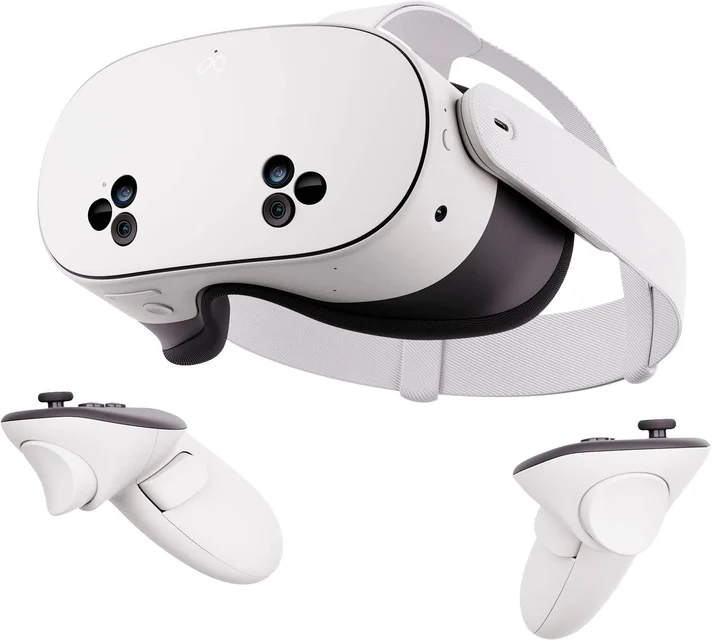
The standalone headset that makes VR effortless, affordable and genuinely fun for almost everyone.
Best for: First-time and mainstream buyers who want the widest content library with the least setup friction.
- Runs fully standalone with no PC or console required
- Largest content library in VR, with backward compatibility for older Quest titles
- Full-color passthrough enables mixed-reality apps and games
- Can also stream PC VR wirelessly at no extra cost
- LCD panels cannot match OLED contrast or true blacks
- Uses older lens optics than the step-up Quest 3, so text and edges look slightly softer
- On-board battery life is limited for longer sessions
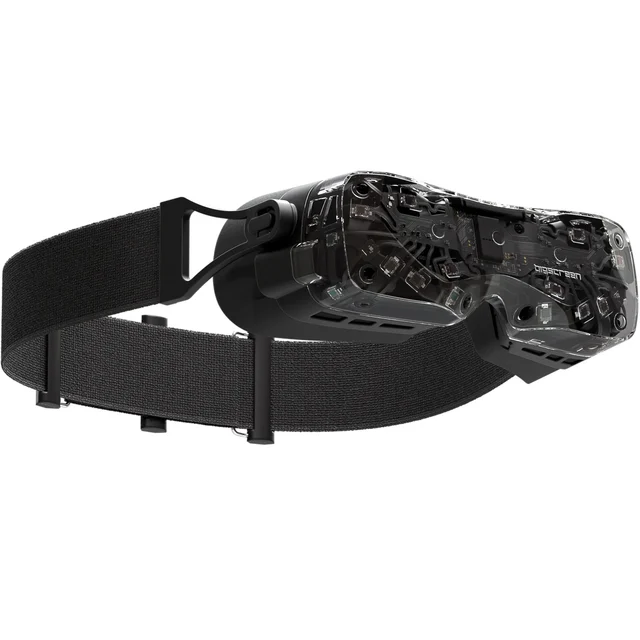
The lightest, sharpest window into PC VR, if you already own the PC and trackers to feed it.
Best for: Committed PC VR enthusiasts who value visual fidelity and comfort over convenience.
- Extraordinarily light at roughly 107 grams, which owners consistently praise for long comfort
- Micro-OLED panels deliver per-pixel contrast and true blacks that LCD headsets cannot approach
- Wider field of view, adjustable IPD and optional custom-fit face cushion versus the original
- Optional integrated eye tracking enables dynamic foveated rendering
- Tethered to a powerful gaming PC to function at all
- Requires separately purchased SteamVR base stations and controllers
- No standalone use and no passthrough
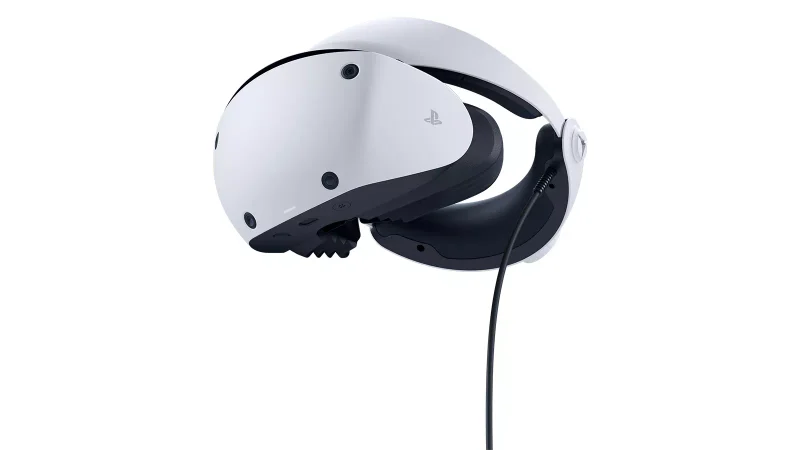
A gorgeous OLED headset that shines on a PS5 but loses much of its magic the moment you take it elsewhere.
Best for: PS5 owners who want premium console VR with minimal fuss.
- Vivid OLED HDR display with strong contrast
- Eye tracking, headset haptics and excellent Sense controllers
- Simple single-cable setup on a PS5
- Stereo headphones come in the box
- Requires a PS5, or a separately purchased adapter for limited PC play
- Wired-only, and PC mode drops eye tracking, haptics and HDR features
- Smaller, more curated game library than the Quest platform
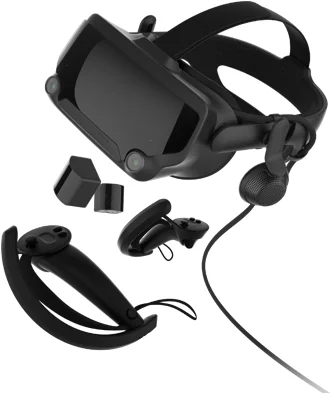
A once-pioneering PC VR kit now outclassed, with a successor headset announced by Valve.
Best for: Hard to recommend new in 2026; most buyers should choose a newer headset or wait for the successor.
- Finger-tracking controllers still feel ahead of their time
- High 144 Hz refresh rate and rock-solid base-station tracking
- Sturdy, comfortable build with excellent built-in audio
- 2019-era resolution and lenses now look dated next to newer headsets
- Heavy, with owners citing front-loaded weight over long sessions
- Expensive for the aging hardware and dependent on external base stations and a wired PC
- Valve has announced a successor, so the Index is an aging design
| Criteria | Meta Quest 3S Top pick | Bigscreen Beyond 2 | PlayStation VR2 | Valve Index |
|---|---|---|---|---|
| Verdict | Buy it | Buy it | It depends | Skip it |
| Best for | First-time and mainstream buyers who want the widest content library with the least setup friction. | Committed PC VR enthusiasts who value visual fidelity and comfort over convenience. | PS5 owners who want premium console VR with minimal fuss. | Hard to recommend new in 2026; most buyers should choose a newer headset or wait for the successor. |
| Price tier | $ · budget | $$$ · premium | $$ · mid-range | $$$ · premium |
| How it runs | Standalone, plus optional wireless PC VR | Tethered to a gaming PC | PS5, plus optional wired PC adapter | Tethered to a gaming PC |
| Display technology | LCD | Micro-OLED | OLED with HDR | LCD |
| Setup and convenience | Minimal, inside-out tracking | Complex, needs base stations | Simple single cable on PS5 | Complex, needs base stations |
| Comfort and weight | Light and well balanced | Ultralight, about 107 g | Moderate, somewhat front-heavy | Heavy, front-loaded |
| Content library | Largest, backward compatible | Full SteamVR catalog | Curated and smaller | Full SteamVR catalog |
| Controllers and tracking | Touch Plus, inside-out | Requires separate SteamVR controllers | Sense with eye tracking | Finger-tracking controllers |
| Best use case | All-around mainstream VR | Visual-first PC VR | PS5 console VR | Legacy PC VR |
| Price tier | $ · budget | $$$ · premium | $$ · mid-range | $$$ · premium |
Which one is right for you?
- First-time and mainstream buyers who want the widest content library with the least setup friction. Buy it Meta Quest 3S
- Committed PC VR enthusiasts who value visual fidelity and comfort over convenience. Buy it Bigscreen Beyond 2
- PS5 owners who want premium console VR with minimal fuss. It depends Sony PlayStation VR2
- Hard to recommend new in 2026; most buyers should choose a newer headset or wait for the successor. Skip it Valve Index
How we judged the field
We do not run our own lab. Instead, we synthesize independent testing, expert hands-on reviews and aggregated owner reports into a single, honest read on each headset. For VR specifically, a few criteria matter more than raw spec sheets. How the headset runs is the biggest fork in the road: a standalone unit you can pick up and use anywhere is a fundamentally different product from one tethered to a gaming PC or a console. From there we weighed display quality (panel type, contrast and clarity as reviewers describe them), comfort and weight for real sessions, setup friction, the size and health of the content library, and controllers and tracking. Finally we weighed all of it against price. A headset that is technically dazzling but demands expensive extra hardware is judged differently from one that just works out of the box.
Meta Quest 3S
Buy itThe Quest 3S is the headset we would hand to almost anyone. It runs entirely on its own, so there is no PC, no console and no base stations to install; owners repeatedly describe being in a game within minutes of opening the box. It carries the largest software library in VR, including strong backward compatibility with older titles, and its full-color passthrough opens up mixed-reality experiences the tethered headsets here cannot match. When you do want higher-end visuals, it can stream PC VR wirelessly at no extra charge. The compromises are real but easy to live with: the LCD panels cannot deliver the inky blacks of OLED, its lenses are a notch below the step-up Quest 3, and battery life is finite. For the price, reviewers and owners broadly agree it is the most headset most people can buy.
Bigscreen Beyond 2
Buy itThe Beyond 2 is a specialist’s tool, and a brilliant one. At roughly 107 grams it is dramatically lighter than anything else here, and owners consistently single out that comfort for long play. Its micro-OLED panels produce per-pixel contrast and true blacks that reviewers say LCD headsets simply cannot approach, and the second generation widens the field of view, adds adjustable IPD and offers a custom-fit face cushion. The catch is everything around it: the Beyond 2 only works tethered to a strong gaming PC, and it does not include the SteamVR base stations or controllers it needs to track, so the true cost and setup burden climb well beyond the headset itself. There is no standalone mode and no passthrough. If you are already invested in PC VR and chasing the best image in the lightest package, though, it earns its place.
PlayStation VR2
It dependsThe PSVR2 is genuinely excellent, with an important asterisk. Its OLED HDR display is a highlight that is among the strongest displays in this group, and it pairs eye tracking, headset haptics and the well-regarded Sense controllers with a refreshingly simple single-cable setup on a PS5. The problem is portability of value: outside a PS5 it needs a separately purchased adapter, runs wired-only, and sheds its signature features such as eye tracking and haptics in PC mode. The library is smaller and more curated than the Quest platform’s. If you own a PS5 and want premium console VR, it is an easy yes; if you do not, its appeal drops sharply.
Valve Index
Skip itThe Index was a landmark headset, and its finger-tracking controllers and 144 Hz tracking still earn respect. But in 2026 the math no longer works. Its resolution and lenses are showing their age against newer panels, it is heavy enough that owners note fatigue over long sessions, and it remains expensive for what is now dated hardware that still depends on external base stations and a wired PC. Crucially, Valve has announced a successor, the Steam Frame. Buying an Index new today means paying for yesterday’s technology while a replacement is on the way. Most shoppers should choose a current headset or wait.
Meta Quest 3S vs Bigscreen Beyond 2: which should you buy?
These two “buy” picks barely compete, because they answer different questions. The Quest 3S is about access: it is the cheapest, simplest way into VR, works anywhere without extra hardware, and offers the deepest catalog plus mixed reality. The Beyond 2 is about fidelity: it is the lightest headset here and its micro-OLED image is the one enthusiasts rave about, but it is meaningless without a powerful PC, base stations and controllers you supply yourself. If you are new to VR, unsure how much you will use it, or want one headset for the whole household, the Quest 3S is the clear choice. If you are a dedicated PC VR user who already owns the tracking gear and cares most about weight and image quality, the Beyond 2 is the upgrade worth its premium. Budget and existing hardware, more than any single spec, decide this one.
What to look for
- Decide standalone versus PC VR first. This single choice shapes cost, convenience and which headsets are even relevant to you.
- Check the total cost, not just the headset. Base-station headsets need separately purchased trackers and controllers, and the PSVR2 needs an adapter for PC.
- Weigh display type against your priorities. OLED and micro-OLED win on contrast and black levels; LCD is bright and sharp and usually cheaper.
- Mind comfort and weight if you plan long sessions, and confirm IPD adjustment fits your eyes.
- Look at the library for the games and apps you actually want, including backward compatibility.
- Consider the product’s lifecycle. Think twice about hardware whose successor has been announced unless it is deeply discounted.
Our final take
For almost everyone, the Meta Quest 3S is the right first VR headset: it is the most flexible, has the most to play, and asks the least of your wallet and your patience. Enthusiasts with a capable gaming PC and existing SteamVR gear should give the Bigscreen Beyond 2 a serious look for its unmatched lightness and micro-OLED image. The PlayStation VR2 is a standout for PS5 owners and a much weaker proposition for anyone else. The Valve Index, for all it once represented, is the one to pass on now. Match the headset to how and where you will actually use it, and any of the first three will serve you well.
Questions, answered
Do I need a gaming PC or a console to use a VR headset?
It depends on the headset. The Meta Quest 3S is fully standalone and needs neither, though it can connect to a PC for a larger library. The PlayStation VR2 requires a PS5 (or a separate adapter for limited PC use), while the Bigscreen Beyond 2 and Valve Index must be tethered to a capable gaming PC to work at all.
What is the difference between standalone VR and PC VR?
A standalone headset runs games on hardware built into the headset itself, so it is wireless and simple but limited by mobile-class processing. PC VR offloads the work to a desktop graphics card, unlocking higher fidelity and the full SteamVR catalog at the cost of a cable, extra setup and a powerful computer.
Is the Meta Quest 3 worth it over the cheaper Quest 3S?
For most people the 3S delivers the great majority of the experience for less money. The step-up Quest 3 adds sharper pancake lenses and a higher-resolution image, which independent testing notes benefits reading text and fine detail. If crisp visuals matter most to you, the Quest 3 is the upgrade; otherwise the 3S is the smarter value.
Can the PlayStation VR2 be used on a PC?
Yes, with an official adapter sold separately, but with caveats owners frequently flag. On PC it becomes a wired display for SteamVR games and loses signature features such as eye tracking, headset haptics and HDR. It is a bonus rather than a reason to buy the headset by itself.
Should I wait for Valve's new headset instead of buying now?
Valve has announced a successor to the Index, the Steam Frame. Check Valve's store for current availability and pricing. If you can wait, it is worth watching; if you want VR today, a current standalone headset lets you start now without betting on an unreleased product.
Deciding between the top two? See our head-to-head: Meta Quest 3S vs Bigscreen Beyond 2.
More Tech & Gadgets reviews
 The Best Webcam Lights: 4 Compared (and One to Skip)
  The Best WiFi Extenders: 4 Compared (and One to Skip)
  The Best Wi-Fi Routers: 4 Compared (and One to Skip)
  The Best Qi2 and MagSafe Wireless Chargers for 2026
  The Best Wireless Keyboards for Work: 4 Compared (and One to Skip)
  Best Wireless Mice for Office Work in 2026