

Home & Kitchen
The Best Vacuum Sealers: 4 Compared (and One to Skip)
We compared four current vacuum sealers - three external and one chamber - on seal quality, wet-food handling, modes and running cost.
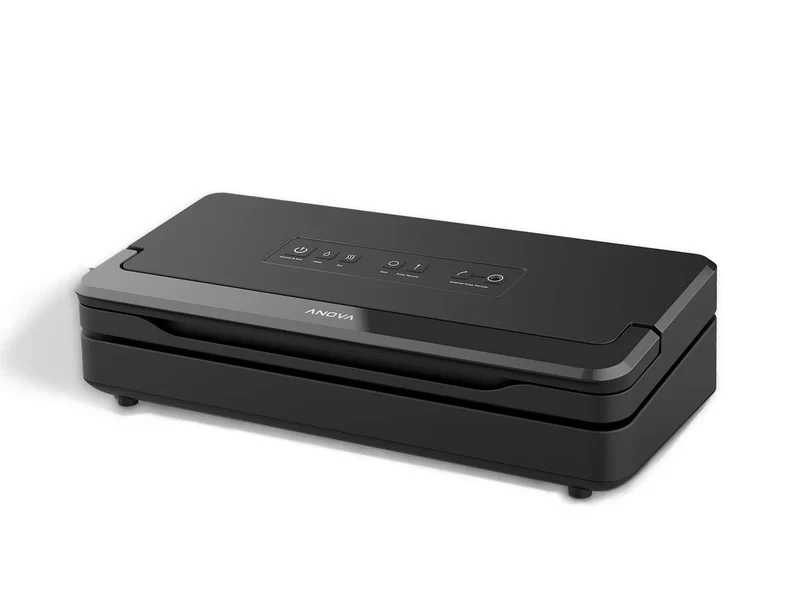
The short version
For most kitchens the Anova Precision Vacuum Sealer Pro is the sealer to buy: independent testing rates its seals among the best of any external unit, and it is genuinely usable with one hand. The Nesco VS-12 Deluxe is the close runner-up, trading a touch of seal polish for more modes and built-in roll handling. Step up to the Anova Precision Chamber Vacuum Sealer only if you regularly seal liquids, pickle or infuse - it is superb but large, pricey and needs upkeep. Skip the entry-level FoodSaver FM2100, which owners find loud and weak once the job gets demanding. Best for: home cooks who batch-prep and want one dependable external sealer, with a chamber upgrade path for liquid-heavy cooking.
Our picks at a glance
- Anova Precision Vacuum Sealer Pro - Buy. The external sealer that behaves like a pro tool - consistent, always double-sealed, and genuinely one-handed.
- Nesco VS-12 Deluxe Vacuum Sealer - Buy. A feature-loaded external workhorse whose seals sit only a hair behind the Anova, for less fuss.
- Anova Precision Chamber Vacuum Sealer - It depends. Restaurant-grade liquid sealing and pickling at home - if you have the counter space, the budget and patience for upkeep.
- FoodSaver FM2100 Vacuum Sealing System - Skip. A familiar budget name that seals dry goods fine but gets outclassed the moment the job turns demanding.
The verdict in 30 seconds
What mattered most
- Sealer type
- Seal quality (independent testing)
- Handles liquids / wet foods
- Heavy / continuous use
- Built-in cutter & roll storage
- Bag / running cost
Vacuum sealers range from simple supermarket-brand external units to counter-dominating chamber machines, and the gap between them is wider than the price tags suggest. We weighed four models buyable in 2026 across seal quality, how they cope with liquids, ease of daily use and long-term bag cost. Two earn a clear buy, one is a conditional upgrade for liquid-heavy cooking, and one is easy to skip.
The external sealer that behaves like a pro tool - consistent, always double-sealed, and genuinely one-handed.
Best for: Home cooks and batch-preppers who want the most reliable external sealer without stepping up to a chamber machine.
- Independent testing rates its seals among the cleanest of any external unit, and it double-seals every time
- One-handed clamp lock plus built-in cutter and roll storage make daily use fast
- Low-pressure mode and a moist setting handle juicy foods better than most external sealers
- Built for 100-plus continuous seals and backed by a long warranty
- Costs more than typical supermarket-brand external sealers
- Still an external sealer, so true liquids remain a compromise versus a chamber unit
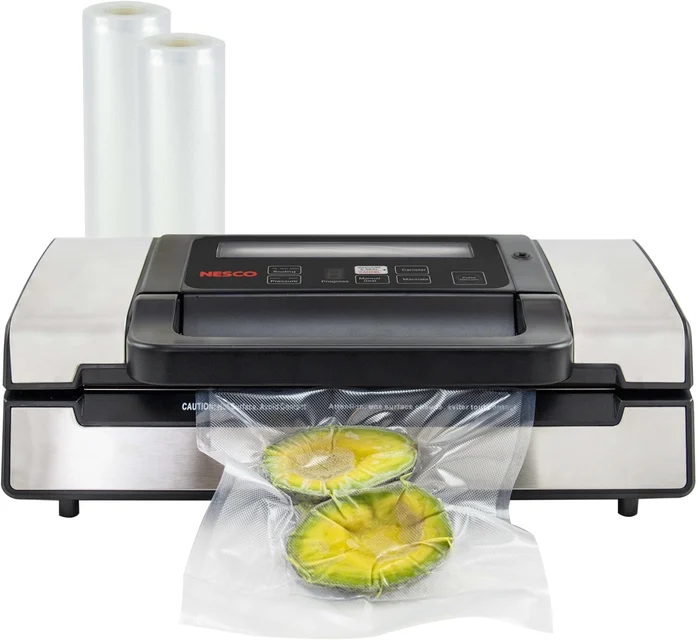
A feature-loaded external workhorse whose seals sit only a hair behind the Anova, for less fuss.
Best for: Hunters, gardeners and bulk buyers who want maximum modes and roll handling in a single external unit.
- Dual vacuum pump and a double-seal option produce strong, repeatable seals in independent testing
- Built-in roll storage and bag cutter, plus dry, moist, pulse, manual, marinate and canister modes
- Accessory port drives jars and canisters for marinating and dry-goods storage
- Reported to work with most brands of textured bag or roll, keeping running costs flexible
- Bulkier and louder than the Anova during long sessions, owners note
- Lacks the low-pressure finesse of a chamber unit for very wet foods
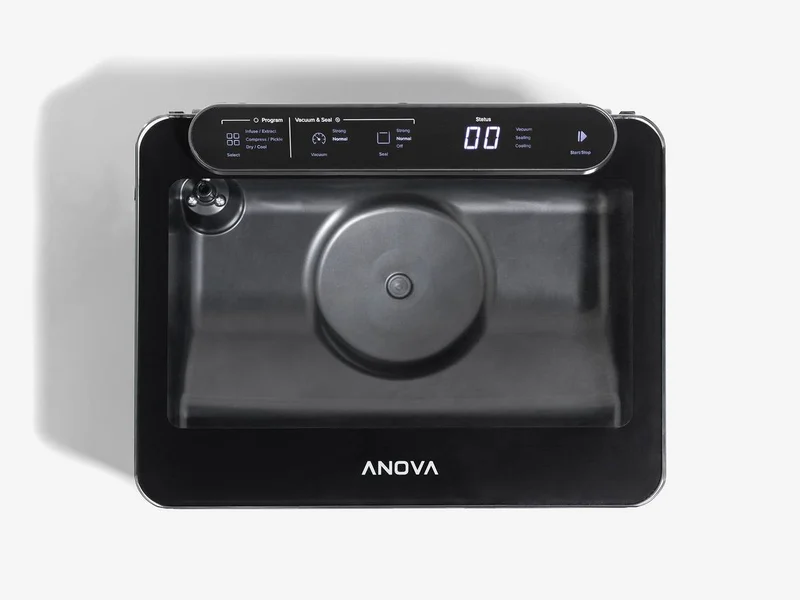
Restaurant-grade liquid sealing and pickling at home - if you have the counter space, the budget and patience for upkeep.
Best for: Serious sous-vide cooks, fermenters and anyone who routinely seals liquids and is ready to maintain the machine.
- Chamber design seals soups, marinades and brines that defeat external sealers
- Uses cheaper smooth chamber pouches, lowering long-term bag cost
- Pre-set programs for infusing, quick-pickling and compressing, not just storage
- Independent testing praises its consistency and near-complete air removal
- Large, heavy and far more expensive than any external sealer here
- Some owners report it needs gasket care and runs slower cycles, and some units arrived with weak vacuum
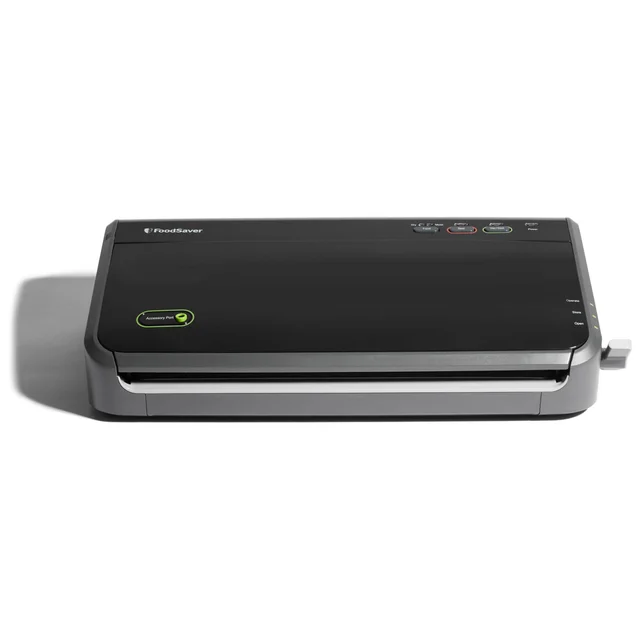
A familiar budget name that seals dry goods fine but gets outclassed the moment the job turns demanding.
Best for: Occasional users on a tight budget who mainly seal dry pantry goods and leftovers.
- Inexpensive and simple, with moist and dry settings and an accessory port for canisters
- Compact footprint and a trusted, widely stocked bag ecosystem
- Owners report a loud motor and weaker sustained suction than the Anova or Nesco
- Manual operation struggles with liquids and back-to-back sealing
- Best kept to light, occasional use rather than heavy batch prep
| Criteria | Anova Precision Vacuum Sealer Pro Top pick | Nesco VS-12 Deluxe Vacuum Sealer | Anova Precision Chamber Vacuum Sealer | FoodSaver FM2100 Vacuum Sealing System |
|---|---|---|---|---|
| Verdict | Buy it | Buy it | It depends | Skip it |
| Best for | Home cooks and batch-preppers who want the most reliable external sealer without stepping up to a chamber machine. | Hunters, gardeners and bulk buyers who want maximum modes and roll handling in a single external unit. | Serious sous-vide cooks, fermenters and anyone who routinely seals liquids and is ready to maintain the machine. | Occasional users on a tight budget who mainly seal dry pantry goods and leftovers. |
| Price tier | $$ · mid-range | $$ · mid-range | $$$$ · flagship | $ · budget |
| Sealer type | External (bag) | External (bag) | Chamber | External (bag) |
| Seal quality (independent testing) | Excellent, always double-sealed | Very good, optional double seal | Excellent, including liquids | Fair |
| Handles liquids / wet foods | Good, low-pressure mode | Good, moist + double seal | Excellent, seals soups and brines | Limited |
| Heavy / continuous use | Strong, 100+ continuous seals | Strong, dual pump | Best, high duty cycle | Light use only |
| Built-in cutter & roll storage | Yes | Yes | Not applicable (chamber) | Yes, basic |
| Bag / running cost | Moderate (textured bags) | Moderate (any textured bags) | Low (smooth chamber pouches) | Moderate (textured bags) |
| Footprint & weight | Compact and light | Compact but bulkier | Large and heavy | Compact |
| Price tier | $$ · mid-range | $$ · mid-range | $$$$ · flagship | $ · budget |
Which one is right for you?
- Home cooks and batch-preppers who want the most reliable external sealer without stepping up to a chamber machine. Buy it Anova Precision Vacuum Sealer Pro
- Hunters, gardeners and bulk buyers who want maximum modes and roll handling in a single external unit. Buy it Nesco VS-12 Deluxe Vacuum Sealer
- Serious sous-vide cooks, fermenters and anyone who routinely seals liquids and is ready to maintain the machine. It depends Anova Precision Chamber Vacuum Sealer
- Occasional users on a tight budget who mainly seal dry pantry goods and leftovers. Skip it FoodSaver FM2100 Vacuum Sealing System
How we judged the field
We do not run our own laboratory. Instead we synthesize independent bench testing, expert hands-on reviews and aggregated owner reports, then weight them toward the things that actually decide whether a vacuum sealer earns its counter space. Four criteria mattered most: seal quality and repeatability (does every seal hold, session after session), how the machine copes with moisture and liquids, day-to-day usability (one-handed operation, built-in cutters and roll storage, noise), and long-term running cost from bags and maintenance. We also separated external sealers, which suit most homes, from chamber sealers, which are a different class of tool for liquid-heavy cooking. Where sources describe performance we frame it as “independent testing found” or “owners report” rather than as our own measurements.
Anova Precision Vacuum Sealer Pro
Buy itAcross independent testing the Anova Pro consistently produces some of the cleanest, most uniform seals of any external unit, and it double-seals on every cycle for added security. Reviewers highlight the one-handed clamp lock, built-in cutter and roll storage, and an accessory port for canisters, which together make it the least fiddly external sealer to live with. A low-pressure setting and a moist mode help it cope with juicier foods, and Anova says it was built to handle over 100 continuous seals. It costs more than a supermarket-brand sealer, but for a machine you will use weekly that premium buys reliability.
Nesco VS-12 Deluxe Vacuum Sealer
Buy itThe Nesco VS-12 is the versatility champion. A dual vacuum pump and an optional double seal give strong, repeatable results that independent testing places just behind the Anova, and the mode list - dry, moist, pulse, manual, marinate and canister - is the most complete here. It stores a roll internally, includes a bag cutter, and reportedly works with most brands of textured bag or roll, which keeps you free on consumables. Owners note it is a little bulkier and louder than the Anova during long sessions, and like any external sealer it cannot match a chamber unit on very wet foods, but as an all-purpose workhorse it is excellent value.
Anova Precision Chamber Vacuum Sealer
It dependsThis is the machine that does what no external sealer can: it seals soups, marinades and brines cleanly because it removes air from the entire chamber at once. Independent testing praises its consistency and near-total air removal, and its pre-set programs for infusing, quick-pickling and compressing turn it into a creative tool rather than just a storage device. It also uses cheaper smooth pouches, lowering long-term bag cost. The catch is real: it is large, heavy and considerably more expensive, cycles are slower, and some owners report it needs gasket care - a minority even received units with weak vacuum. Buy it only if liquids and fermentation are a regular part of your cooking.
FoodSaver FM2100 Vacuum Sealing System
Skip itThe FM2100 is the familiar budget FoodSaver, and it is fine at the basics: dry-goods sealing, leftovers, the occasional freezer bag, with moist and dry settings and an accessory port. But owners consistently describe a loud motor and weaker sustained suction than the Anova or Nesco, and its manual operation struggles with liquids and with back-to-back sealing. For light, infrequent use on a tight budget it is serviceable; for anyone who plans to batch-prep or seal wet foods, the modest saving is not worth the drop in capability.
Anova Precision Vacuum Sealer Pro vs Nesco VS-12 Deluxe: which should you buy?
These are the two we would actually put on the counter, and the choice comes down to temperament. The Anova Pro is the polished pick: the cleanest seals in independent testing, always double-sealed, and the smoothest one-handed workflow, in a compact, quieter body. The Nesco VS-12 answers a different question - it offers more modes (pulse, marinate, canister) and similar roll handling for a similar price, at the expense of a slightly larger, louder machine and seals a hair behind. If you value refinement and daily ease, buy the Anova. If you want the most functions and flexibility from one external unit, the Nesco is the smarter buy. Either one will outlast and outperform the budget FoodSaver.
What to look for
- Type first: choose an external sealer for dry and semi-moist foods and value; choose a chamber sealer only if you routinely seal liquids or ferment.
- Seal security: a double-seal option and a moist setting materially reduce failed seals on juicier foods.
- Usability: built-in bag cutter and roll storage, plus one-handed operation, save real time on batch days.
- Consumables: confirm whether the machine needs proprietary bags or accepts any textured bag or roll - running cost adds up.
- Duty cycle and noise: if you seal in long sessions, favor units rated for many continuous seals and expect budget models to run louder.
- Footprint: chamber sealers are heavy and counter-dominating; measure your space before upgrading.
Our final take
Buy the Anova Precision Vacuum Sealer Pro if you want one dependable external sealer that simply works - it is the best all-round choice for most kitchens. The Nesco VS-12 Deluxe is the close runner-up and the better pick if you prize modes and versatility over polish. Reserve the Anova Precision Chamber Vacuum Sealer for cooks who genuinely seal liquids, pickle or infuse and will maintain it, because for everyone else it is more machine, cost and upkeep than the job requires. And unless budget is the only consideration and your needs are light, skip the FoodSaver FM2100 in favor of one of the two we recommend.
Questions, answered
What is the difference between an external and a chamber vacuum sealer?
An external sealer sucks air out through the open end of a textured bag and then heat-seals it, which is compact, affordable and ideal for dry and semi-moist foods. A chamber sealer places the whole bag inside a sealed chamber, removes air from the entire space at once, and can seal liquids and delicate items that defeat external units - at the cost of size, weight and price.
Can external sealers handle soups and marinades?
Only within limits. External sealers pull liquid toward the seal bar, so reviewers and owners suggest freezing liquids first or using the low-pressure or moist setting. If you frequently seal soups, brines or raw marinades, a chamber sealer like the Anova Precision Chamber is the tool designed for the job.
Do I have to use the same brand's bags?
External sealers such as the Anova Pro, Nesco VS-12 and FoodSaver FM2100 need textured or embossed bags, but most accept any brand of textured bag or roll, so you can shop on price. Chamber sealers use cheaper smooth pouches instead, which is a large part of why their running cost is lower over time.
Is a vacuum sealer worth it for sous vide?
Yes. Removing air lets bags sink and transfer heat evenly, and external and chamber sealers can both produce sous-vide-ready pouches. The Anova models are built by a company that also makes sous-vide circulators, and the Nesco's modes cover the same need; the budget FoodSaver works for light sous-vide use but is slower and noisier.
How long does vacuum-sealed food actually last?
Vacuum sealing slows freezer burn and oxidation, and manufacturers commonly cite several times longer storage than loose packaging, but exact times vary by food, temperature and packaging. Treat this as general product information rather than food-safety advice: always follow standard food-safety practices, keep perishables refrigerated or frozen, and when in doubt consult a qualified food-safety source.
Deciding between the top two? See our head-to-head: Anova Precision Vacuum Sealer Pro vs Nesco VS-12 Deluxe Vacuum Sealer.
More Home & Kitchen reviews
 The Best Waffle Makers: 4 Compared (and One to Skip)
  The Best Water Filter Pitchers: 4 Compared (and One to Skip)
  The Best Water Softeners: 4 Compared (and One to Skip)
  The Best Whetstones: 4 Compared (and One to Skip)
  The Best Window Air Conditioners: 4 Compared (and One to Skip)
  The Best Window Vacuums: 4 Compared (and One to Skip)