

Home & Kitchen
The Best Stand Mixers of 2026: Honest Picks for Real Kitchens
We compared four current stand mixers for everyday baking, heavy bread, and tight budgets. One versatile winner, one bread specialist, and one to avoid.
The short version
For most people the KitchenAid Artisan tilt-head is the sensible choice: versatile, well supported by attachments, and capable across cakes, cookies, and light bread. The Breville Bakery Chef runs quieter and adds a timer and scraper beater, though its accessory range is thin. Serious bread bakers who work in bulk should look at the Ankarsrum Original, accepting its learning curve and footprint. Skip the Hamilton Beach Classic: it is cheap, but owners report it leaves ingredients unmixed and strains on dough.
Our picks at a glance
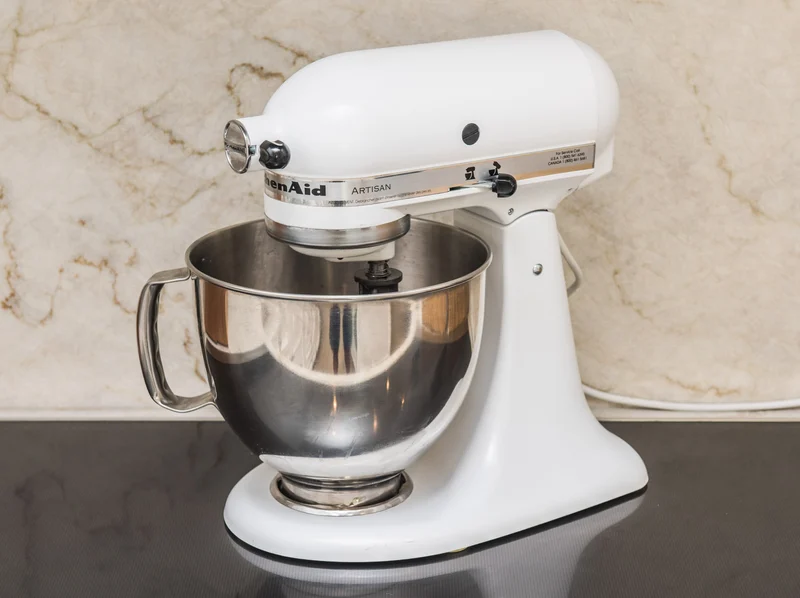
- KitchenAid Artisan 5-Quart Tilt-Head Stand Mixer - Buy. The versatile all-rounder that does most home baking well and takes more attachments than anything else here.
- Breville Bakery Chef Stand Mixer - Buy. A quieter, feature-rich tilt-head that scrapes the bowl for you but skips the wide attachment ecosystem.
- Ankarsrum Original Stand Mixer - It depends. A bowl-driven bread powerhouse with huge capacity, but a real learning curve and awkward with small jobs.
- Hamilton Beach 6-Speed Classic Stand Mixer - Skip. A cheap two-in-one that converts to a hand mixer, but under-mixes and feels flimsy where it counts.
The verdict in 30 seconds
What mattered most
- Bowl capacity
- Mixing style
- Heavy-dough strength
- Built-in extras
- Attachment ecosystem
- Best use
A stand mixer is a long-term purchase, so the right choice depends on what you actually bake and how often. We synthesized independent expert testing and owner reports to compare four models still sold in 2026. Below is one all-round pick, a strong runner-up, a specialist for serious bread, and a budget model we think most people should skip.
The versatile all-rounder that does most home baking well and takes more attachments than anything else here.
Best for: Home cooks who want one machine for cakes, cookies, whipped cream, and the occasional loaf.
- Planetary action plus a front power hub accept more than a dozen attachments, from pasta rollers to a meat grinder
- The tilt-head lifts clear so you can add ingredients and swap the flat beater or dough hook without removing the bowl
- The 325-watt motor slows and warms up on stiff, low-hydration bread dough in larger batches
- The 5-quart bowl is limiting if you double bread recipes, and it runs louder than newer rivals
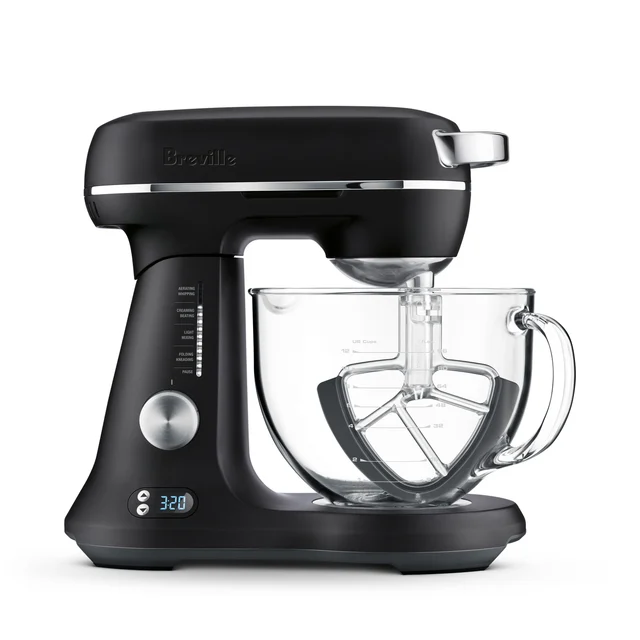
A quieter, feature-rich tilt-head that scrapes the bowl for you but skips the wide attachment ecosystem.
Best for: Detail-focused bakers who value quiet operation, a timer, and a beater that scrapes the bowl automatically.
- Load-sensing motor holds speed under heavy mixing and runs noticeably quieter than most tilt-heads
- Ships with a scraper beater plus a built-in LCD timer, an LED bowl light, and internal cord storage
- The attachment range is narrow, so it will not grind meat or roll pasta the way power-hub systems do
- It is heavier and bulkier on the counter, and replacement accessories are harder to source
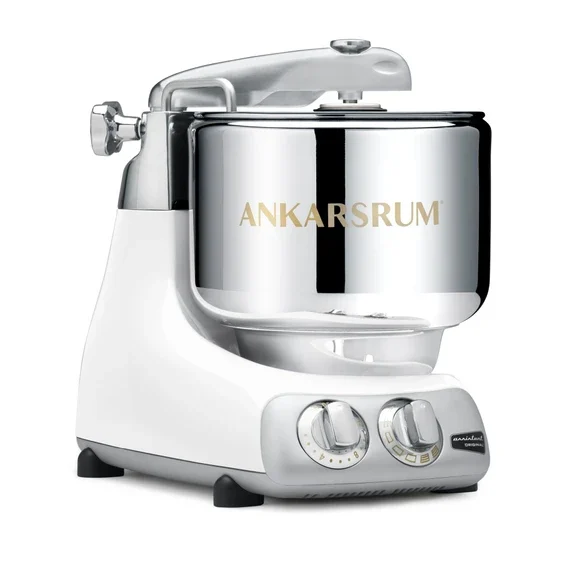
A bowl-driven bread powerhouse with huge capacity, but a real learning curve and awkward with small jobs.
Best for: Serious bread bakers who regularly knead large or stiff doughs and will invest time to learn the technique.
- The bowl rotates around a roller and scraper, giving strong torque that kneads dense dough without overheating
- The 7.4-quart bowl handles very large batches, and it ships with dual bowls plus a whisk set
- The bowl-driven design takes time to learn and struggles to whip small quantities of cream or a couple of egg whites
- It is expensive, has a large footprint, and offers few lifestyle attachments
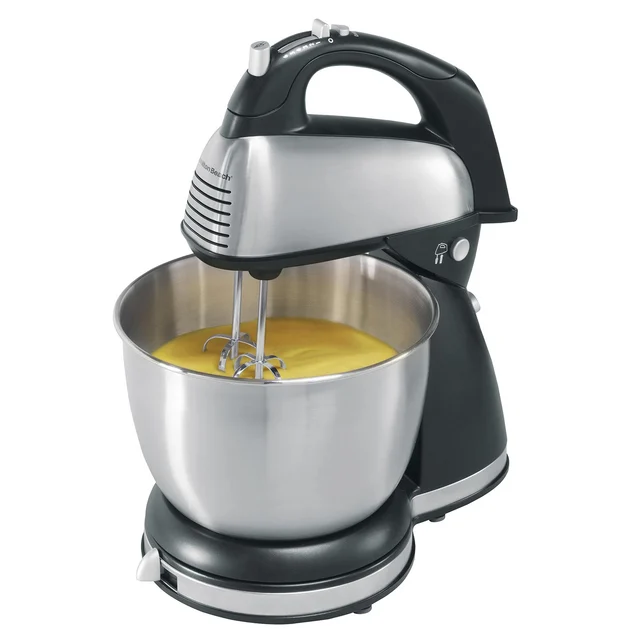
A cheap two-in-one that converts to a hand mixer, but under-mixes and feels flimsy where it counts.
Best for: Very occasional bakers on a tight budget who mostly mix thin batters and light frostings.
- The head detaches into a handheld mixer, a genuinely useful two-in-one for small kitchens
- It is light, compact, and among the cheapest ways to get a stand mixer on the counter
- Owners repeatedly report the beaters do not reach the bottom and sides, leaving ingredients unmixed without manual scraping
- The low-power motor strains on dough, and the attachments and bowl feel flimsy
| Criteria | KitchenAid Artisan 5-Quart Tilt-Head Stand Mixer Top pick | Breville Bakery Chef Stand Mixer | Ankarsrum Original Stand Mixer | Hamilton Beach 6-Speed Classic Stand Mixer |
|---|---|---|---|---|
| Verdict | Buy it | Buy it | It depends | Skip it |
| Best for | Home cooks who want one machine for cakes, cookies, whipped cream, and the occasional loaf. | Detail-focused bakers who value quiet operation, a timer, and a beater that scrapes the bowl automatically. | Serious bread bakers who regularly knead large or stiff doughs and will invest time to learn the technique. | Very occasional bakers on a tight budget who mostly mix thin batters and light frostings. |
| Price tier | $$$ · premium | $$$ · premium | $$$$ · flagship | $ · budget |
| Bowl capacity | 5 quarts | 5 quarts (4.7 L) | 7.4 quarts | 4 quarts |
| Mixing style | Planetary, tilt-head | Planetary, tilt-head | Bowl rotates around roller and scraper | Basic beaters, converts to hand mixer |
| Heavy-dough strength | Moderate; bogs on stiff dough | Strong; load-sensing motor | Very strong torque | Weak; strains quickly |
| Built-in extras | Attachment power hub | LCD timer, LED light, scraper beater | Scraper roller and dual bowls | Detachable hand mixer |
| Attachment ecosystem | Extensive | Limited | Limited | Minimal |
| Best use | All-round daily baking | Precision, quiet baking | Heavy bread in bulk | Occasional light mixing |
Which one is right for you?
- Home cooks who want one machine for cakes, cookies, whipped cream, and the occasional loaf. Buy it KitchenAid Artisan 5-Quart Tilt-Head Stand Mixer
- Detail-focused bakers who value quiet operation, a timer, and a beater that scrapes the bowl automatically. Buy it Breville Bakery Chef Stand Mixer
- Serious bread bakers who regularly knead large or stiff doughs and will invest time to learn the technique. It depends Ankarsrum Original Stand Mixer
- Very occasional bakers on a tight budget who mostly mix thin batters and light frostings. Skip it Hamilton Beach 6-Speed Classic Stand Mixer
How we judged the field
Stand mixers are bought once and kept for years, so our priorities are durability, mixing coverage, and whether a machine matches how a household actually bakes. We do not lab-test; instead we synthesize independent expert evaluations with long-run owner reports, weighing recurring complaints more heavily than one-off praise.
We looked at bowl capacity, how well the beater reaches the whole bowl, motor behavior under stiff dough, noise, and the breadth of useful attachments. We also weighed footprint and ease of loading, because a mixer that lives in a cupboard gets used far less than one left on the counter. Every model below is currently sold in 2026. We deliberately included one budget machine that many people consider, so we could explain plainly why we would not.
KitchenAid Artisan 5-Quart Tilt-Head Stand Mixer
Buy itThe Artisan remains the default recommendation for a reason: it does a lot competently and expands further than any rival here. Its planetary action moves the beater around a fixed bowl for even coverage, and the tilt-head design lets you lift the head clear to add ingredients or swap the flat beater, whisk, and dough hook. The front power hub is the real differentiator, accepting more than a dozen attachments, from a pasta roller to a meat grinder, so the machine can grow with your cooking.
Where it shows limits is heavy work. The motor is modest, and it slows and warms up on stiff, low-hydration bread dough, especially if you double a recipe. The 5-quart bowl compounds that, since large bread batches crowd it. It also runs louder than newer competitors. For cakes, cookies, meringue, and the occasional loaf, though, it is hard to fault, and parts and attachments are widely available.
Breville Bakery Chef Stand Mixer
Buy itThe Bakery Chef is the most thoughtfully equipped tilt-head we compared. Its load-sensing motor holds speed as a mixture thickens, and it runs noticeably quieter than most machines in this class, which matters in an open-plan kitchen. It ships with a scraper beater that wipes the bowl as it turns, reducing how often you stop to scrape by hand, along with a built-in LCD timer, an LED bowl light, and internal cord storage.
The trade-off is reach. The attachment range is narrow, so this is not the machine to buy if you want to grind meat or roll pasta down the line. It is also heavier and bulkier on the counter, and replacement accessories are harder to track down than the near-universal parts of the market leader. If your interest is baking rather than a broader appliance system, those are easy compromises.
Ankarsrum Original Stand Mixer
It dependsThe Ankarsrum works unlike the others. Instead of a beater orbiting a still bowl, the bowl itself rotates around a roller and scraper. That layout delivers strong torque and kneads dense, heavy dough without the motor overheating, and its 7.4-quart bowl swallows very large batches. It comes with dual bowls and a whisk set, so it can whip as well as knead.
The caution is honesty about who it suits. The bowl-driven method has a genuine learning curve, and it is awkward with small jobs; whipping a little cream or a couple of egg whites is fiddly because there is not enough volume for the whisks to work well. It is expensive, takes up real space, and offers few of the lifestyle attachments casual users enjoy. For a dedicated bread baker who works in bulk, it is worth the adjustment. For everyone else, it is more machine than the task needs.
Hamilton Beach 6-Speed Classic Stand Mixer
Skip itOn paper this looks like a bargain, and the two-in-one design that detaches into a handheld mixer is genuinely handy in a small kitchen. In practice the fundamentals let it down. Owners report consistently that the beaters do not reach the bottom and sides of the bowl, so ingredients sit unmixed unless you stop and scrape repeatedly, which defeats the point of a stand mixer. The low-power motor strains on anything approaching dough, and the bowl and attachments feel flimsy. If you bake rarely and only mix thin batters it will limp along, but we would rather see that money saved toward a machine that mixes properly.
KitchenAid Artisan vs Breville Bakery Chef: which should you buy?
These two tilt-heads sit at a similar level and split along a clear line. The Artisan wins on expandability: the power hub and huge accessory catalog make it a platform, not just a mixer, and its parts are easy to find anywhere. The Bakery Chef wins on refinement: it is quieter, holds speed under load more confidently, and its scraper beater, timer, and bowl light remove small daily annoyances.
Choose the Artisan if you want one appliance that might one day roll pasta or grind meat, or if you value a proven parts supply. Choose the Bakery Chef if you bake often, care about noise, and would rather the machine scrape the bowl and time itself than hand you a longer attachment list you may never use.
What to look for
Start with what you bake most. If it is cakes, cookies, and light doughs, a 5-quart tilt-head is plenty and easiest to live with. If you knead stiff or large bread doughs weekly, prioritize torque and capacity over versatility, which points toward a bowl-driven or bowl-lift machine. Consider counter space and weight honestly, since a heavy mixer that gets put away is used less. Check that the beater reaches the whole bowl, because poor coverage is the single most common owner regret. Finally, think about attachments only if you will realistically use them; paying for an ecosystem you ignore is wasted money.
Our final take
For most kitchens, the KitchenAid Artisan is the sensible buy: capable across everyday baking and backed by an unmatched supply of attachments and parts. The Breville Bakery Chef is the better choice if quiet running, a timer, and an automatic scraper beater matter more to you than expandability. Dedicated bread bakers who work in volume should weigh the Ankarsrum Original, accepting its learning curve and footprint. And whatever you decide, we would pass on the Hamilton Beach Classic, whose mixing coverage and build do not hold up to regular use.
Questions, answered
Is a tilt-head or bowl-lift mixer better?
Tilt-head models are easier to load and swap tools, which suits most home baking. Bowl-lift and bowl-driven designs are more stable and stronger for stiff dough in large batches. Choose based on how often you knead heavy bread versus mixing lighter batters.
Which mixer is best for bread dough?
The Ankarsrum Original handles dense, low-hydration, and large doughs with the most torque and the least overheating. Among the tilt-heads, the Breville Bakery Chef holds speed under load better than the KitchenAid Artisan, whose smaller motor slows on stiff dough.
Are cheap stand mixers worth buying?
Usually not for regular baking. Budget models like the Hamilton Beach Classic often under-mix because the beaters miss the bowl's bottom and sides, and their motors strain on dough. If you bake rarely and mix thin batters, one can suffice, but expect manual scraping.
Do I need all the KitchenAid attachments?
No. The power hub is useful only if you plan to grind meat, roll pasta, or spiralize. If you only bake, the included beater, whisk, and dough hook cover almost everything, and a competitor without the ecosystem may serve you just as well.
Deciding between the top two? See our head-to-head: KitchenAid Artisan 5-Quart Tilt-Head Stand Mixer vs Breville Bakery Chef Stand Mixer.
More Home & Kitchen reviews
 The Best Steam Irons and Steam Stations: 4 Compared (and One to Skip)
  The Best Steam Mops of 2026: Which Ones Actually Scrub
  The Best Stockpots: 4 Compared (and One to Skip)
  The Best Cordless String Trimmers: 4 Compared (and One to Skip)
  The Best Tankless Water Heaters: 4 Compared (and One to Skip)
  The Best Throw Blankets: 4 Compared (and One to Skip)