

Home & Kitchen
Best 8-Inch Chef's Knives: Our Honest Picks (and One to Skip)
We compared four in-production 8-inch chef's knives on real-world sharpness, balance, and wet-hand grip to find which are worth buying and which to skip.
The short version
An 8-inch chef's knife is the one blade you'll use daily, so sharpness, balance, and a secure grip matter more than looks. The Mac Professional MTH-80 wins overall for its thin, keen Japanese blade and long edge life, provided you'll maintain it. The Victorinox Fibrox Pro is the value runner-up: less refined but forgiving, inexpensive, and grippy when wet. The Wüsthof Classic suits cooks who want forged heft. Skip the Global G-2 - capable steel, but a handle that turns slippery when hands are wet.
Our picks at a glance
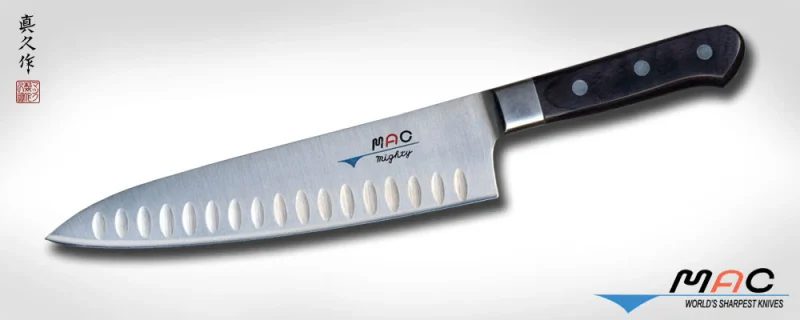
- Mac Professional MTH-80 (8-inch) - Buy. A thin, keen Japanese blade that makes daily prep easier, if you'll keep it sharp.
- Victorinox Fibrox Pro (8-inch) - Buy. The forgiving value pick: inexpensive, grippy when wet, and quick to resharpen.
- Wüsthof Classic (8-inch) - Buy. Forged German heft for cooks who want one durable knife they won't baby.
- Global G-2 (8-inch) - Skip. Distinctive looks and sharp steel, undercut by a handle that slips when wet.
The verdict in 30 seconds
What mattered most
- Blade & steel
- Edge out of box
- Weight & feel
- Grip when wet
- Edge retention & sharpening
- Care
The 8-inch chef's knife is the tool you'll reach for more than any other, so the right one is less about looks and more about how it cuts, balances, and stays put in a wet hand. We synthesized independent expert and long-term owner reviews across four knives still in production in 2026. Three we'd recommend for different cooks; one we'd steer you away from despite its popularity.
A thin, keen Japanese blade that makes daily prep easier, if you'll keep it sharp.
Best for: Frequent cooks who will maintain a whetstone edge.
- Thin 2.5mm blade arrives sharper than most and glides through dense produce
- Hollow-edge dimples reduce sticking on potato and squash slices
- Holds its edge notably longer than softer stamped steels
- Harder steel can chip on bones, frozen food, or a hard board
- Rewards whetstone sharpening and punishes a careless pull-through
- Pakkawood handle is comfortable but plain for the price
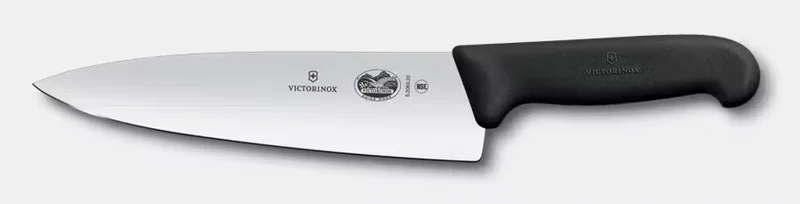
The forgiving value pick: inexpensive, grippy when wet, and quick to resharpen.
Best for: First-time buyers and shared kitchens on a budget.
- Textured Fibrox (TPE) handle stays secure with wet or greasy hands
- Easiest knife here to bring back to sharp on a steel or stone
- Light and low-stakes enough to share or store near a dishwasher
- Softer stamped steel dulls sooner and needs more frequent touch-ups
- Plastic handle and light blade feel utilitarian rather than special
- Less refined balance than a forged knife
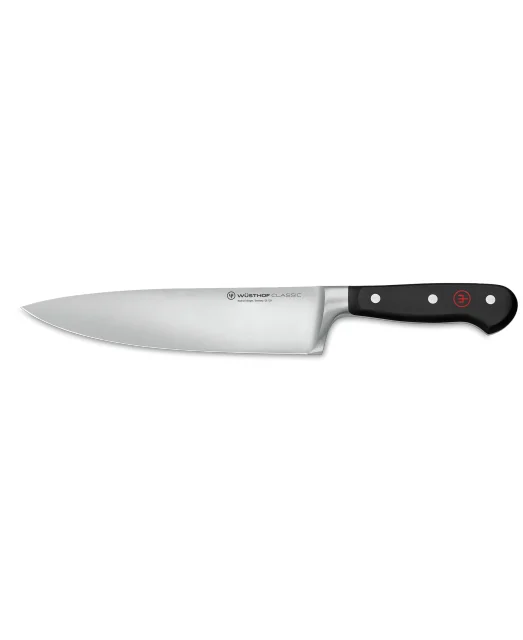
Forged German heft for cooks who want one durable knife they won't baby.
Best for: Cooks who prefer weight and tackle tougher tasks.
- Forged X50CrMoV15 blade with reassuring weight for rock-chopping
- Sturdy ~14° edge shrugs off tougher tasks a thin blade would fear
- Triple-riveted POM handle is durable and fade-resistant
- Heft tires smaller hands over a long prep session
- Full bolster makes using and sharpening the heel harder
- Heavier and pricier than many cooks need
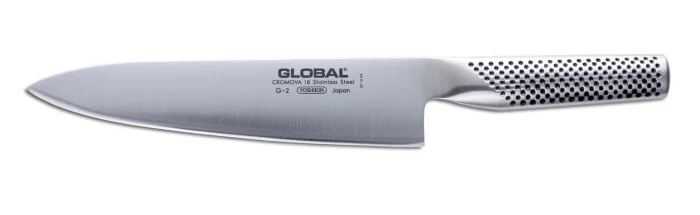
Distinctive looks and sharp steel, undercut by a handle that slips when wet.
Best for: Light-knife fans who prep in short bursts with dry hands.
- Featherweight, agile balance from the one-piece steel design
- Seamless, crevice-free body wipes clean easily
- Thin Cromova 18 blade arrives genuinely sharp
- Dimpled steel handle turns slippery once hands are wet or oily
- Small dimples trap water and leave the grip feeling damp
- Compensating grip can cause hand fatigue over long prep
| Criteria | Mac Professional MTH-80 (8-inch) Top pick | Victorinox Fibrox Pro (8-inch) | Wüsthof Classic (8-inch) | Global G-2 (8-inch) |
|---|---|---|---|---|
| Verdict | Buy it | Buy it | Buy it | Skip it |
| Best for | Frequent cooks who will maintain a whetstone edge. | First-time buyers and shared kitchens on a budget. | Cooks who prefer weight and tackle tougher tasks. | Light-knife fans who prep in short bursts with dry hands. |
| Price tier | $$$ · premium | $ · budget | $$$ · premium | $$ · mid-range |
| Blade & steel | Thin 2.5mm Japanese stainless, harder (~59-61 HRC) | Stamped European stainless, softer (~56 HRC) | Forged German X50CrMoV15 (~58 HRC) | One-piece Cromova 18 stainless (~56-58 HRC) |
| Edge out of box | ~15° per side, keener than most on arrival | ~15°, sharp but slightly less refined | ~14°, sharp with a sturdier edge | ~15°, very sharp on arrival |
| Weight & feel | Medium-light (~6.5 oz), agile | Light (~7 oz), neutral | Heavy (~9 oz), blade-forward heft | Very light (~6 oz), nimble |
| Grip when wet | Pakkawood, secure dry, moderate wet | Textured Fibrox, non-slip even when wet | Riveted POM, secure and full | Dimpled steel, slippery when wet |
| Edge retention & sharpening | Holds long; wants a whetstone | Dulls sooner; very easy to revive | Strong retention; forgiving to sharpen | Good retention; thin edge can chip |
| Care | Hand-wash; avoid bones and frozen food | Hand-wash advised (dishwasher-safe) | Hand-wash; robust for tough jobs | Hand-wash; dry the handle promptly |
Which one is right for you?
- Frequent cooks who will maintain a whetstone edge. Buy it Mac Professional MTH-80 (8-inch)
- First-time buyers and shared kitchens on a budget. Buy it Victorinox Fibrox Pro (8-inch)
- Cooks who prefer weight and tackle tougher tasks. Buy it Wüsthof Classic (8-inch)
- Light-knife fans who prep in short bursts with dry hands. Skip it Global G-2 (8-inch)
How we judged the field
We don’t lab-test. Instead we read across independent expert write-ups and long-run owner reviews, then weigh where they agree and, more tellingly, where they disagree. For an 8-inch chef’s knife - the one blade most home cooks reach for daily - we cared about four things that show up after months of use, not minutes: how sharp the edge arrives and how long it stays that way, how the knife balances during a long prep session, how secure the handle feels with wet or oily hands, and how much maintenance the steel demands. We limited the field to knives currently in production in 2026, so nothing here is a discontinued unicorn you’ll hunt for on resale sites. Three earned a clear recommendation. One we think most people should pass over, for reasons we’ll explain plainly.
Mac Professional MTH-80 (8-inch)
Buy itThe MTH-80 is the knife that shows up most often when experienced cooks are asked what they actually keep on the magnetic strip. Its appeal is a thin 2.5mm blade in a harder Japanese stainless that arrives with a keener edge than most Western knives and glides rather than wedges through dense produce. The hollow-edge dimples reduce the suction that makes potato and squash slices cling to the blade. Owners consistently note how little effort each cut takes and how long the edge holds between sharpenings.
What people like more: the out-of-box sharpness and the light, agile feel that makes long onion-and-herb sessions less tiring. What they like less: the harder steel rewards a whetstone and punishes the careless - take it to bones, frozen food, or a hard cutting board and the fine edge can chip. The pakkawood handle is comfortable but plainer than the price suggests. Treat it as a precision tool rather than a pry bar and it earns its keep.
Victorinox Fibrox Pro (8-inch)
Buy itThe perennial value pick. It is stamped rather than forged, so it’s lighter and less refined in the hand than a German workhorse, but the edge arrives genuinely sharp and - the part that matters - it’s the easiest knife here to bring back to sharp on a steel or stone. The textured Fibrox (TPE) handle is the standout: it stays grippy with wet, greasy, or soapy hands, which is a real safety margin.
Liked more: the non-slip handle and the low stakes - you can hand it to a guest, store it near a dishwasher, and not wince. Liked less: the softer steel dulls sooner than the Japanese and German options, so you’ll touch it up more often, and the plastic handle and light blade feel utilitarian rather than special. For most kitchens that’s an easy trade.
Wüsthof Classic (8-inch)
Buy itThe forged German heirloom. A full bolster and a heavier X50CrMoV15 blade give it heft that some cooks love for rock-chopping and powering through winter squash or a chicken’s joints. The roughly 14-degree edge is a touch more acute than older Wüsthofs and holds well, while the triple-riveted POM handle is durable and fade-resistant.
Liked more: the reassuring weight and the robustness - this is the knife you don’t baby, and it shrugs off tasks that would worry a thin Japanese edge. Liked less: that same weight tires smaller hands over a long session, and the full bolster makes it harder to use the whole edge and to sharpen the heel without a professional regrind. If you want one knife that lasts decades and doesn’t demand delicacy, it’s a sound choice.
Global G-2 (8-inch)
Skip itGlobal’s one-piece, all-steel design is distinctive, and the blade itself is thin, light, and sharp. Our reservation is entirely about the handle. The dimpled stainless grip is the most divisive element in this category: reviewers and owners repeatedly report it turning slippery once hands are wet or oily, and the small dimples trap water so the surface stays damp. Several cooks describe gripping harder to compensate, which leads to hand fatigue and, for some, blisters over a full day.
Liked more: the featherweight balance and the seamless, crevice-free body that’s easy to wipe clean. Liked less: the wet-grip problem, which is the single most important trait in a working knife and the reason we can’t recommend it broadly. If you cook in short bursts with dry hands and love the look, you may get on with it. Most people are better served by a grippier handle for similar money.
Mac MTH-80 vs Victorinox Fibrox Pro: which should you buy?
These are the two we’d steer most people toward, and they answer different questions. The Mac is the better cutter: sharper on arrival, thinner behind the edge, and longer-lasting between sharpenings, which makes it the more rewarding knife if you cook often and are willing to learn a whetstone. The Victorinox is the better first knife and the better shared knife: it costs a fraction as much, forgives abuse, and its handle stays secure when the Mac’s - and everyone’s - hands are wet. If your prep is daily and you take care of your tools, the Mac’s edge is worth the premium. If you want one dependable, low-maintenance blade you won’t stress about, the Victorinox gives up surprisingly little.
What to look for
Start with your hands and your habits. If you have smaller hands or do long sessions, lean light - the Mac or Victorinox - over the heavier Wüsthof. If you rock-chop and tackle tough jobs, the Wüsthof’s heft helps. Match the steel to your maintenance appetite: harder Japanese steel like the Mac’s holds an edge longer but wants a whetstone and careful use; softer European steel like the Victorinox’s dulls sooner but is quick to revive. Above all, weigh the handle honestly - a knife you grip nervously when wet is a knife you’ll use badly. Buy from a seller with a real return window, and try to hold the knife, or a sibling model, before committing. Skip the block set; a single good 8-inch chef’s knife does most of the work in any kitchen.
Our final take
For the cook who uses a knife most days and will keep it sharp, the Mac Professional MTH-80 is our overall pick: the thin, keen blade simply makes prep easier, and owners stay happy for years. If you’d rather spend far less and never think about it, the Victorinox Fibrox Pro is the runner-up and an easy recommendation - safer in wet hands and effortless to resharpen. The Wüsthof Classic is the pick if you want durable heft for tougher tasks. The Global G-2 we’d pass over: capable steel, but a handle that gets slippery exactly when a knife needs to stay put.
Questions, answered
Is an 8-inch chef's knife the right size for most people?
Yes for most kitchens. Eight inches balances control and cutting length, handling everything from herbs to squash without feeling unwieldy. Cooks with small hands or cramped boards may prefer a 6- or 7-inch; those breaking down large produce or proteins often step up to a 10-inch.
Japanese or German steel - which should I choose?
It depends on your maintenance appetite. Harder Japanese steel, like the Mac's, holds a keener edge longer but wants a whetstone and careful use. Softer German steel, like the Wüsthof's, is more forgiving and easy to resharpen, tolerating tougher tasks and the occasional bone.
Do I need an expensive knife, or is a budget one fine?
A budget knife is fine for most people. The Victorinox Fibrox Pro cuts well, resharpens easily, and grips securely when wet. Spending more buys thinner, harder steel that holds its edge longer, but that only pays off if you cook often and maintain it.
Can I put a chef's knife in the dishwasher?
Avoid it, even on dishwasher-safe models like the Victorinox. Heat, detergent, and knocking against other items dull the edge and can pit the steel or degrade the handle. Hand-wash and dry immediately; it takes seconds and meaningfully extends both sharpness and the knife's life.
Why skip the Global G-2 if it's so popular?
Mainly the handle. Its dimpled steel grip repeatedly draws complaints for turning slippery once hands are wet or oily, and the dimples trap water. Secure grip is a knife's most important safety trait, so we steer most buyers toward a grippier handle for similar money.
Deciding between the top two? See our head-to-head: Mac Professional MTH-80 (8-inch) vs Victorinox Fibrox Pro (8-inch).
More Home & Kitchen reviews
 The Best Cocktail Shakers: 4 Compared (and One to Skip)
  The Best Cocktail Smokers: 4 Compared (and One to Skip)
  The Best Cordless Lawn Mowers: 4 Compared (and One to Skip)
  The Best Cordless Stick Vacuums: We Compared 4 (and One Isn't Worth It)
  The Best Countertop Blenders in 2026 (and the Pretty One to Skip)
  The Best Countertop & Portable Dishwashers: 4 Compared (and One to Skip)