

Tech & Gadgets
The Best 4K TVs: 4 Compared (and One to Skip)
We compared four current 4K TVs - mini-LED value to flagship OLED - on picture quality, gaming, and real-world value.
The short version
After synthesizing independent testing and owner reports across four current 4K TVs, the LG C5 OLED is our top pick: per-pixel contrast, strong HDR punch, four HDMI 2.1 ports, and strong owner satisfaction at a premium - not flagship - price. The TCL QM7K is the value buy, a quantum-dot mini-LED whose brightness and contrast rival sets that cost more, making it the better choice for bright rooms and sports. The Sony BRAVIA 8 II is arguably the most refined picture here thanks to QD-OLED color and Sony's processing, but it demands a flagship budget and gives up gaming connectivity, so it only makes sense for dedicated cinephiles. The Samsung Q6F is the one to skip: no local dimming and a 60Hz panel mean it's outclassed by mini-LED sets that cost only a little more. Best for: the LG C5 for most people who want a premium all-rounder; the TCL QM7K for bright rooms and tighter budgets.
Our picks at a glance
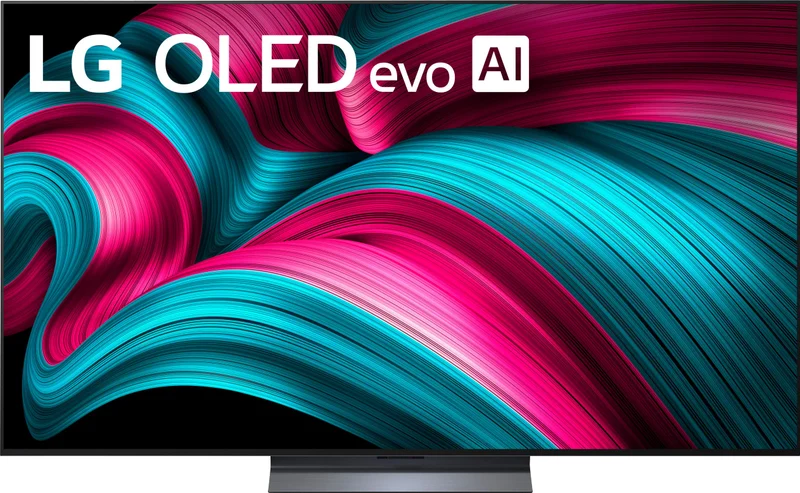
- LG C5 OLED (OLED65C5) - Buy. A strong all-around picture-per-dollar choice: deep blacks, serious brightness, and the gaming features that matter.
- TCL QM7K QD-Mini LED (65QM7K) - Buy. A quantum-dot mini-LED that gets shockingly close to OLED contrast with much higher brightness - for a lot less money.
- Sony BRAVIA 8 II QD-OLED (K65XR80M2) - It depends. A very refined picture - but you pay a steep premium for processing polish many viewers won't miss.
- Samsung Q6F QLED (QN65Q6F) - Skip. A famous badge on an entry-level panel: no local dimming and a 60Hz refresh rate make it easy to outclass at this price.
The verdict in 30 seconds
What mattered most
- Panel technology
- Contrast & black level
- Peak HDR brightness
- Gaming
- HDR format support
- Processing & upscaling
The 55–65" 4K TV market has never been more competitive: quantum-dot mini-LED sets now punch far above their price, while OLED keeps its crown for contrast and cinema. We synthesized independent testing and thousands of owner reports across four current models - a value mini-LED, a mainstream OLED, a flagship QD-OLED, and a big-brand budget QLED. Two earn a clear buy, one is a buy only for a specific viewer, and one popular budget set is worth skipping.
A strong all-around picture-per-dollar choice: deep blacks, serious brightness, and the gaming features that matter.
Best for: Movie lovers and gamers who want reference-grade picture quality in a mixed-light living room without paying flagship money.
- OLED evo panel with per-pixel contrast and strong HDR highlight brightness
- Four HDMI 2.1 ports with up to 144Hz, VRR, and low input lag
- Strong color accuracy and wide viewing angles
- Owner reports are generally very positive
- Bright-room reflections and daytime sports punch trail the best mini-LEDs
- No HDR10+ support (Dolby Vision only)
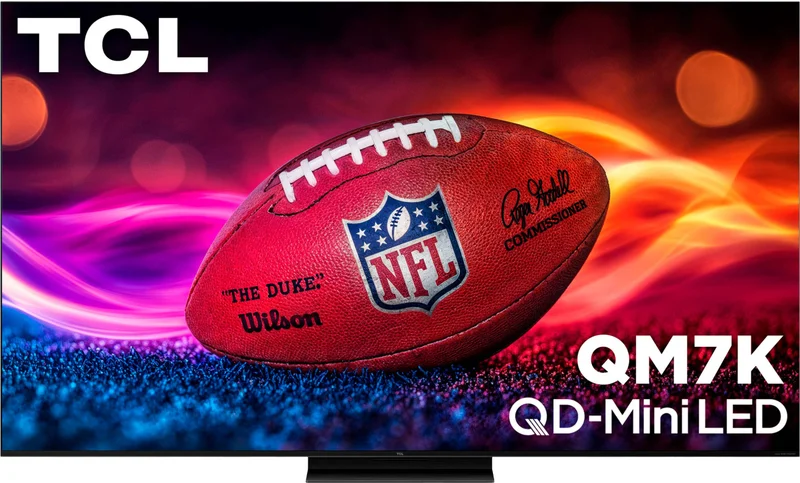
A quantum-dot mini-LED that gets shockingly close to OLED contrast with much higher brightness - for a lot less money.
Best for: Bright living rooms, sports and daytime viewing, and anyone who wants much of the flagship experience at a mid-range price.
- High peak HDR brightness with a dense local-dimming array that keeps blooming in check
- Native high-refresh panel with VRR support and responsive game mode
- Supports both Dolby Vision and HDR10+
- Widely regarded as a strong value among TVs
- Contrast and color shift at off-center seating positions, as with most VA-panel LCDs
- Upscaling and motion processing trail Sony and LG on lower-quality sources
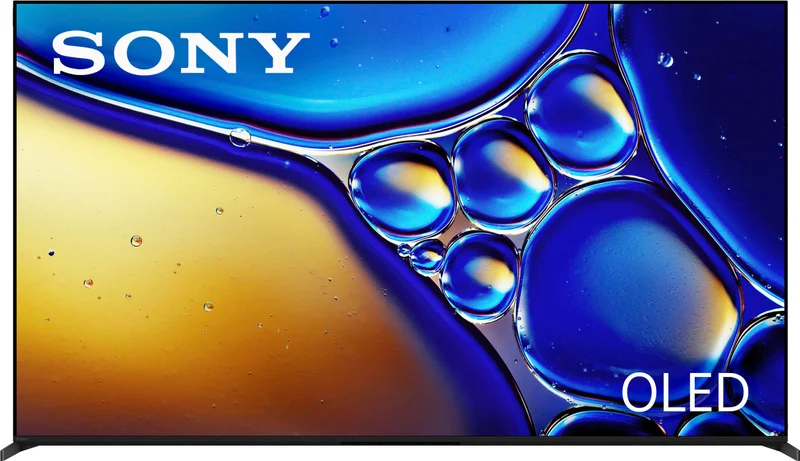
A very refined picture - but you pay a steep premium for processing polish many viewers won't miss.
Best for: Cinephiles with a dim room and a flagship budget who prioritize film-accurate processing over gaming connectivity.
- QD-OLED panel delivers pure, vibrant color with deep blacks
- Sony's processing is a strength: upscaling, gradation, and motion look very natural
- Acoustic Surface Audio+ makes dialogue track the on-screen action convincingly
- Costs considerably more than the LG C5 for a picture many owners rate only marginally better
- Fewer full-bandwidth HDMI 2.1 inputs than the LG C5, and one may double as the eARC port
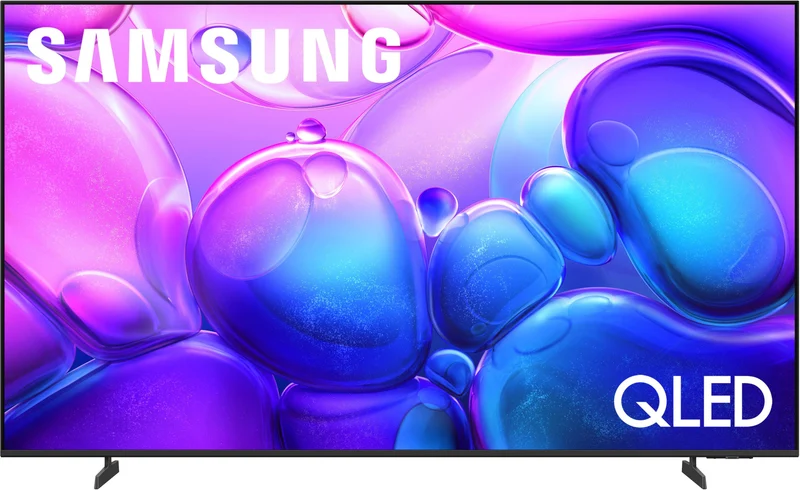
A famous badge on an entry-level panel: no local dimming and a 60Hz refresh rate make it easy to outclass at this price.
Best for: Only casual daytime viewing in a bright room - and even then, step-up mini-LED sets cost little more and deliver more.
- Quantum-dot color looks punchy in a bright room with undemanding content
- Slim design, easy setup, and the Tizen smart platform
- No local dimming, so dark scenes look flat and washed out with elevated blacks
- 60Hz panel with modest HDR brightness; HDR content gains little over standard content
- No Dolby Vision support (HDR10+ instead)
Amazon had no buyable listing for this when we last checked. The link still works if it returns.
Check price on Amazon Read our detailed assessment| Criteria | LG C5 OLED (OLED65C5) Top pick | TCL QM7K QD-Mini LED (65QM7K) | Sony BRAVIA 8 II QD-OLED (K65XR80M2) | Samsung Q6F QLED (QN65Q6F) |
|---|---|---|---|---|
| Verdict | Buy it | Buy it | It depends | Skip it |
| Best for | Movie lovers and gamers who want reference-grade picture quality in a mixed-light living room without paying flagship money. | Bright living rooms, sports and daytime viewing, and anyone who wants much of the flagship experience at a mid-range price. | Cinephiles with a dim room and a flagship budget who prioritize film-accurate processing over gaming connectivity. | Only casual daytime viewing in a bright room - and even then, step-up mini-LED sets cost little more and deliver more. |
| Price tier | $$$ · premium | $$ · mid-range | $$$$ · flagship | $ · budget |
| Panel technology | OLED evo (self-emissive) | QD-Mini LED (full-array local dimming) | QD-OLED (self-emissive) | QLED LCD, no local dimming |
| Contrast & black level | Deep per-pixel blacks | Excellent, minor blooming | Deep per-pixel blacks | Mediocre; raised blacks in dark rooms |
| Peak HDR brightness | High | Very high | High | Modest |
| Gaming | 4x HDMI 2.1, up to 144Hz, VRR | High-refresh native panel, VRR | HDMI 2.1, VRR | 60Hz, ALLM only |
| HDR format support | Dolby Vision, HDR10, HLG | Dolby Vision, HDR10+, HDR10, HLG | Dolby Vision, HDR10, HLG | HDR10+, HDR10, HLG |
| Processing & upscaling | Excellent | Good | Very strong | Basic |
| Best room | Mixed light to dark | Bright rooms | Dim to dark rooms | Bright rooms only |
| Price tier | $$$ · premium | $$ · mid-range | $$$$ · flagship | $ · budget |
Which one is right for you?
- Movie lovers and gamers who want reference-grade picture quality in a mixed-light living room without paying flagship money. Buy it LG C5 OLED (OLED65C5)
- Bright living rooms, sports and daytime viewing, and anyone who wants much of the flagship experience at a mid-range price. Buy it TCL QM7K QD-Mini LED (65QM7K)
- Cinephiles with a dim room and a flagship budget who prioritize film-accurate processing over gaming connectivity. It depends Sony BRAVIA 8 II QD-OLED (K65XR80M2)
- Only casual daytime viewing in a bright room - and even then, step-up mini-LED sets cost little more and deliver more. Skip it Samsung Q6F QLED (QN65Q6F)
How we judged the field
We don’t run a lab. Instead, we synthesized the findings of independent testing - measured brightness, contrast, color accuracy, input lag, and viewing-angle behavior - with large volumes of owner reports covering how these TVs actually live in real rooms: reflections at noon, dark-scene performance at midnight, how the smart platform holds up after six months. For a mainstream 55–65” 4K TV, four things mattered most: contrast and black-level integrity (a major driver of perceived picture quality), real-world brightness for HDR and daytime viewing, gaming readiness (HDMI 2.1 bandwidth, refresh rate, VRR, input lag), and honest value - what you give up at each step down the price ladder. These are current models, though availability varies by retailer.
LG C5 OLED (OLED65C5)
Buy itThe C5 is the TV we’d recommend to most people who ask. Its OLED evo panel lights each pixel individually, so blacks are deep, and its HDR highlights are bright enough that the old “OLED is too dim” caveat applies to fewer rooms. Color accuracy is strong in Filmmaker Mode, viewing angles are wide, and webOS is quick. Gamers get strong connectivity: four HDMI 2.1 ports, refresh rates up to 144Hz, VRR, and low input lag. Owner ratings are generally high. The honest caveats: a top-tier mini-LED will still out-punch it in a sun-drenched room, and LG supports Dolby Vision but not HDR10+, which matters mainly for one major streaming service’s HDR catalog. Neither changes the verdict. This is a great balance of picture, features, and price.
TCL QM7K QD-Mini LED (65QM7K)
Buy itThe QM7K is the set that makes the rest of the market uncomfortable. Its quantum-dot mini-LED backlight drives peak brightness above what the OLEDs here manage, and its dense local-dimming array keeps blooming well-controlled - reviewers report dark-room contrast that gets remarkably close to OLED for a panel that costs a fraction of flagship money. HDR content pops, daytime sports stay punchy through window glare, and the native high-refresh panel with VRR makes it a legitimately good gaming TV. It also supports both Dolby Vision and HDR10+, hedging the format bet. The compromises are the classic LCD ones: sit well off-center and contrast and color desaturate, and TCL’s upscaling and motion processing may still trail Sony and LG when fed low-quality cable or older streaming sources. If your room is bright, your couch is centered, or your budget stops short of OLED, this is the smart-money buy.
Sony BRAVIA 8 II QD-OLED (K65XR80M2)
It dependsOn pure picture refinement, the BRAVIA 8 II may be the best TV in this comparison. Its QD-OLED panel produces color of striking purity alongside deep blacks, and Sony’s processing is widely praised: reviewers single out its upscaling of lower-resolution content, its handling of subtle gradations without banding, and motion that looks filmic rather than processed. The Acoustic Surface Audio+ system - which vibrates the screen itself - anchors dialogue to the action better than conventional TV speakers. So why not a straight buy? Price and pragmatism. It commands a genuine flagship premium over the LG C5, and most owners describe the visible difference as subtle rather than transformative. Gamers also inherit Sony’s persistent annoyance: fewer full-bandwidth HDMI 2.1 inputs than the C5, and one may double as eARC, so a soundbar and two current-gen consoles may not all get first-class seats. If you’re a cinephile with a dim room and the budget, it’s glorious. For everyone else, the C5 delivers most of this experience for much less.
Samsung Q6F QLED (QN65Q6F)
Skip itThe Q6F is the TV people buy because the brand feels safe - and it’s the weakest set here. It has no local dimming, so in a dim room dark scenes float on a grayish haze that undermines movies and prestige TV. The panel is 60Hz, HDR brightness is modest enough that HDR content looks little different from standard content, and Samsung’s long-standing refusal to support Dolby Vision stings most at exactly this tier, where every bit of HDR help matters. To be fair: quantum-dot color is genuinely punchy in a bright room, owners praise the easy setup and slick Tizen platform, and for casual daytime viewing it’s inoffensive. But stepping up modestly to a real full-array mini-LED - TCL’s own step-down sets included - generally buys a large improvement in contrast, brightness, and gaming. At this price the competition is simply too good. Skip it.
LG C5 OLED (OLED65C5) vs TCL QM7K QD-Mini LED (65QM7K): which should you buy?
This is the real decision for most shoppers, and it comes down to room and budget. In a light-controlled or evening-viewing room, the C5 wins: per-pixel contrast gives movies a depth backlit sets struggle to match, viewing angles suit wide seating, and its four HDMI 2.1 ports make it the better long-term gaming hub. In a bright room with big windows, the QM7K’s raw brightness advantage is decisive - sports and daytime TV stay vivid where the OLED fights glare, and its HDR highlights hit harder in absolute terms. On value, the TCL is hard to beat: it delivers much of the flagship experience at a mid-range price. On polish - accuracy, upscaling, off-angle consistency, resale confidence - the LG justifies its premium. Buy the C5 if the budget reaches it and you care about cinema; buy the QM7K if the room is bright or you’d rather bank the difference.
What to look for
- Contrast first. Local dimming quality (or self-emissive OLED) predicts satisfaction better than any spec-sheet number. Be wary of any set with no local dimming.
- Match the panel to the room. Bright, sunlit rooms favor mini-LED brightness; dark home-theater rooms favor OLED blacks.
- Check the HDMI fine print. Gamers want two or more full-bandwidth HDMI 2.1 ports, 120Hz or higher, and VRR - and should note when eARC shares one of them.
- HDR format coverage. Dolby Vision and HDR10+ each have exclusive content; sets supporting both (like the TCL here) hedge the bet.
- Don’t pay for the badge. Brand-name entry-level sets are often outperformed by mid-range models from value brands at similar prices.
- Size by distance. Roughly: 65” for seating 8 feet or more away, 55” for closer or smaller rooms.
Our final take
The mainstream 4K TV market in 2026 rewards buyers who ignore badges and read panels. The LG C5 OLED is the pick - the most complete television here, combining excellent picture quality with strong gaming features and a price below flagship OLEDs. The TCL QM7K is the value story of the class, a mini-LED that makes strong contrast and high brightness accessible at a mid-range price, and a top choice for bright rooms. The Sony BRAVIA 8 II is the connoisseur’s choice - the most refined image of the four, if you accept flagship pricing and thinner gaming connectivity. And the Samsung Q6F shows why specs matter more than logos: without local dimming or a fast panel, it can’t keep up with what a little more money buys. Two buys, one beautiful maybe, one skip - and a market with a lot of good choices.
Questions, answered
OLED or mini-LED - which should I choose?
Choose OLED (like the LG C5 or Sony BRAVIA 8 II) if you watch mostly at night or in a light-controlled room and value perfect blacks and viewing angles. Choose mini-LED (like the TCL QM7K) if your room is bright, you watch a lot of daytime sports, or you want maximum brightness per dollar. Today's best mini-LEDs come close to OLED contrast, while OLED still wins on off-angle viewing and dark-room cinema.
Should I worry about OLED burn-in?
For typical mixed viewing - streaming, movies, games, sports - reviewers and long-term owner reports suggest burn-in is uncommon on current-generation panels, which include automatic pixel-refresh and screen-care features. It remains a consideration only if the TV will display the same static content (like a news ticker or dashboard) for many hours every day, in which case a mini-LED such as the TCL QM7K is the safer choice.
Is the Sony BRAVIA 8 II worth the premium over the LG C5?
Only for a specific viewer. Reviewers praise the Sony's QD-OLED color purity and its processing and upscaling - visible mostly with lower-quality sources and careful dark-room viewing. But the C5 can be brighter in some content, has more full-bandwidth HDMI 2.1 ports, and costs considerably less. Most people will be happier banking the difference; dedicated cinephiles may find the Sony's refinement worth it.
What size should I get - 55 or 65 inches?
Go 65" if you sit about 8 feet or farther away and the room can take it; at typical living-room distances a 65" 4K panel resolves noticeably more immersive detail without visible pixels. A 55" set suits bedrooms, smaller living rooms, or seating closer than about 6–7 feet. Check availability of the size you want, since not every model comes in every size.
Why skip the Samsung Q6F when the brand is so popular?
The badge is premium; the panel is not. The Q6F has no local dimming, so dark scenes look flat and grayish, and its 60Hz refresh rate and modest HDR brightness mean it barely benefits from HDR content. Owner reports are positive for casual bright-room use, but mini-LED sets in the next tier up - including TCL's - generally deliver better contrast, brightness, and gaming for only a modest step up in price.
Deciding between the top two? See our head-to-head: LG C5 OLED (OLED65C5) vs TCL QM7K QD-Mini LED (65QM7K).
More Tech & Gadgets reviews
 The Best Action Cameras: 4 Compared (and One to Skip)
  The Best All-in-One Computers: 4 Compared (and One to Skip)
  The Best Anemometers: 4 Compared (and One to Skip)
  The Best USB Bluetooth Adapters: 4 Compared (and One to Skip)
  The Best Bluetooth Item Trackers (2026): AirTag-Style Finders, Honestly Compared
  The Best Book Lights: 4 Compared (and One to Skip)