

Tech & Gadgets
The Best Action Cameras: 4 Compared (and One to Skip)
We compared four current action cameras on image quality, low-light, stabilization, battery, and durability to find who each one is really for.
The short version
Four current action cameras, ranked. The DJI Osmo Action 6 is our overall pick for its blend of low-light image quality, long battery, and fair price. The GoPro HERO13 Black remains a stabilization and ecosystem strength for high-speed sports. The Insta360 Ace Pro 2 is a superb low-light creator tool that only makes sense if you edit heavily and can live with its size and premium price. The AKASO Brave 8 is cheap and well-equipped on paper, but owner reports on shaky footage and noisy low-light video make it hard to recommend over the big three. Best for: DJI Osmo Action 6 for the widest range of buyers, GoPro for action, Insta360 for creators, and AKASO only for tight budgets in good light.
Our picks at a glance
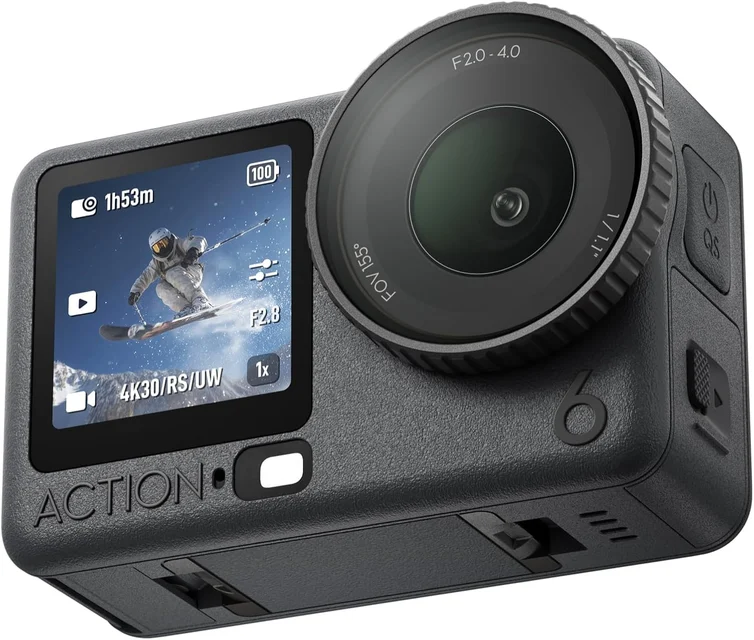
- DJI Osmo Action 6 - Buy. Strong all-round image quality and low-light performance in a mainstream action cam.
- GoPro HERO13 Black - Buy. A longtime reference for stabilization, mounts, and drop-in reliability for high-speed action.
- Insta360 Ace Pro 2 - It depends. A creator-focused flagship with a flip screen and standout low-light, if you can live with the bulk.
- AKASO Brave 8 - Skip. Looks the part and undercuts the big names, but the footage and software don't keep up.
The verdict in 30 seconds
What mattered most
- Image quality & sensor
- Low-light performance
- Stabilization
- Battery life
- Durability & waterproofing
- Ecosystem & app
Action cameras have quietly split into two camps: pocket flagships chasing bigger sensors and 8K, and cheaper clones that look the part but cut corners where it counts. We synthesized independent testing and a large pool of owner reports across four cameras you can actually buy today. Two are easy recommendations, one is a specialist that only makes sense for certain buyers, and one is a budget pick we'd steer most people away from.
Strong all-round image quality and low-light performance in a mainstream action cam.
Best for: Anyone who wants a strong mix of image quality, battery, and value without overthinking it.
- Large 1/1.1-inch sensor with a variable aperture (f/2.0 to f/4.0) that helps in dim and mixed light
- Owners praise long battery life and quick mounting
- Waterproof to 20 m without a case, with good cold-weather stamina reported
- Stabilization is excellent but may trail GoPro's at the extremes
- Accessory ecosystem, while good, is smaller than GoPro's
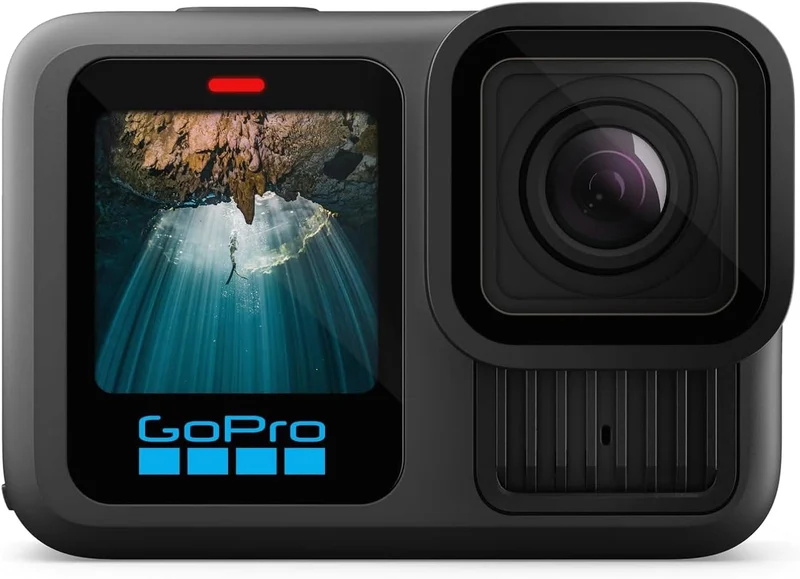
A longtime reference for stabilization, mounts, and drop-in reliability for high-speed action.
Best for: Mountain bikers, moto riders, and anyone invested in GoPro mounts who prioritizes rock-steady footage.
- Its stabilization is highly rated for vibration-heavy activity
- A very deep accessory and mount ecosystem, plus swappable HB-series lenses
- Mature app, webcam mode, and cloud workflow that owners find dependable
- Smaller sensor than DJI and Insta360 means it trails them in low light
- Battery life may be modest next to newer rivals
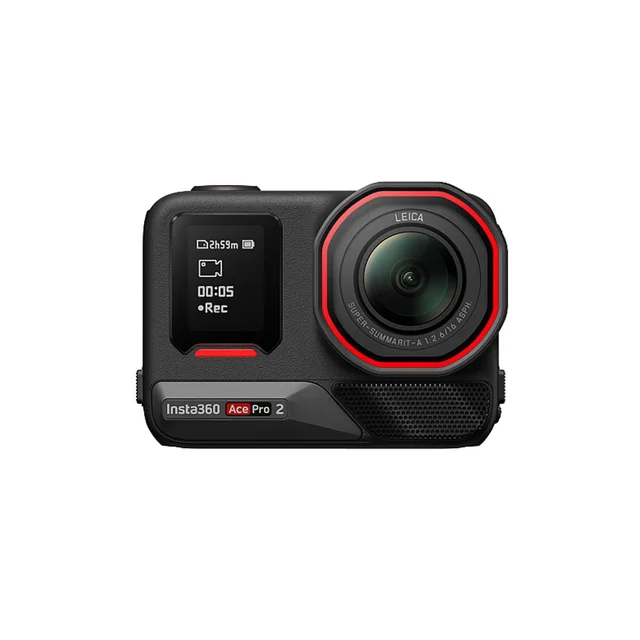
A creator-focused flagship with a flip screen and standout low-light, if you can live with the bulk.
Best for: Vloggers and content creators who edit heavily and shoot a lot in low light.
- Reviewers praise its low-light performance and 8K detail
- Flip-up screen and dedicated AI editing tools are genuinely useful for vloggers
- Leica-branded optics and a large sensor deliver detailed daytime footage
- Larger and heavier than the others, which owners feel on a helmet or chest mount
- The priciest option here, and its extra resolution is overkill for casual use
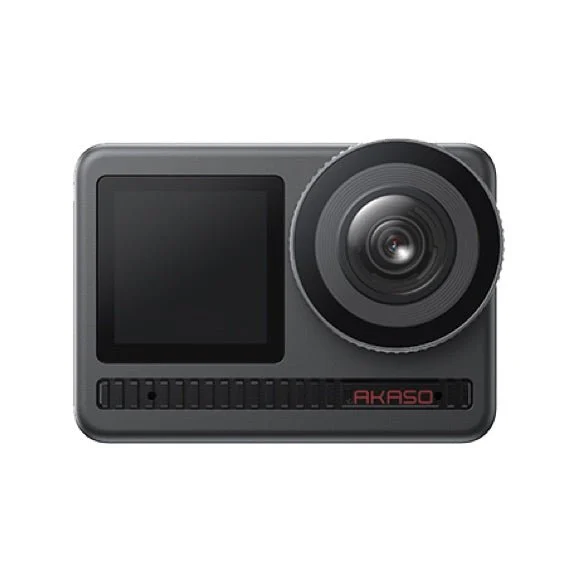
Looks the part and undercuts the big names, but the footage and software don't keep up.
Best for: Occasional users on a tight budget who mostly shoot outdoors in good light.
- Costs a fraction of the flagships and ships with a big accessory bundle
- Dual color screens and touchscreen make basic operation approachable
- Waterproof design (check whether a case is needed) and remote suit casual, well-lit adventures
- Owners report stabilization that wobbles and struggles versus the premium trio
- Low-light footage gets noisy quickly and the app feels sluggish in reports
- Detail and video quality lag behind the current flagships
| Criteria | DJI Osmo Action 6 Top pick | GoPro HERO13 Black | Insta360 Ace Pro 2 | AKASO Brave 8 |
|---|---|---|---|---|
| Verdict | Buy it | Buy it | It depends | Skip it |
| Best for | Anyone who wants a strong mix of image quality, battery, and value without overthinking it. | Mountain bikers, moto riders, and anyone invested in GoPro mounts who prioritizes rock-steady footage. | Vloggers and content creators who edit heavily and shoot a lot in low light. | Occasional users on a tight budget who mostly shoot outdoors in good light. |
| Price tier | $$$ · premium | $$$ · premium | $$$$ · flagship | $ · budget |
| Image quality & sensor | Excellent, large 1/1.1-inch sensor | Very good detail | Very good, versatile lens | Fair for the price |
| Low-light performance | Very strong | Strong | Very strong | Weak, gets noisy |
| Stabilization | Excellent | Excellent | Very good | Inconsistent |
| Battery life | Long | Adequate | Good | Average |
| Durability & waterproofing | 20 m, no case | Solid, no case | Check depth rating | Case may be needed for depth |
| Ecosystem & app | Very good | Very deep, mature | Strong creator tools | Basic and sometimes sluggish |
| Best use | All-round value | High-speed action | Low-light vlogging | Casual, well-lit |
| Price tier | $$$ · premium | $$$ · premium | $$$$ · flagship | $ · budget |
Which one is right for you?
- Anyone who wants a strong mix of image quality, battery, and value without overthinking it. Buy it DJI Osmo Action 6
- Mountain bikers, moto riders, and anyone invested in GoPro mounts who prioritizes rock-steady footage. Buy it GoPro HERO13 Black
- Vloggers and content creators who edit heavily and shoot a lot in low light. It depends Insta360 Ace Pro 2
- Occasional users on a tight budget who mostly shoot outdoors in good light. Skip it AKASO Brave 8
How we judged the field
We don’t run our own lab. Instead, we synthesize independent testing, expert reviews, and a large pool of owner and customer reports, then weigh them against how people actually use action cameras. For this comparison that meant leaning on a handful of criteria that separate a great action cam from a merely capable one: image quality and sensor size, low-light performance, stabilization under real vibration, battery life, durability and waterproofing, and the surrounding ecosystem of mounts and software. We also gave weight to price, because a camera that costs a fraction as much only needs to be good enough for its buyer, not perfect.
A consistent theme emerged across sources: the premium cameras have converged on excellent daytime footage, so the real differences now show up in dim light, in how steady the footage stays at speed, and in how pleasant the software is to live with.
DJI Osmo Action 6
Buy itAcross reviews and owner reports, the Osmo Action 6 is the camera that gives up the least. Its larger 1/1.1-inch sensor and variable aperture draw praise for cleaner low-light and mixed-light footage, and owners single out long battery life and quick mounting. It’s waterproof to 20 m without a case and holds up in the cold. Stabilization may be a touch behind GoPro at the extremes, and the accessory range is smaller, but for the widest set of buyers this is the most sensible camera to own.
GoPro HERO13 Black
Buy itGoPro’s advantage is no longer raw image quality; it’s polish and platform. Reviewers still rate its stabilization highly for high-vibration activities, and few rivals match it on mounts, cages, and swappable lenses. The app, webcam mode, and cloud workflow are mature and dependable in owner reports. The trade-off is a smaller sensor that trails DJI and Insta360 in low light, and battery life that’s fine rather than outstanding. If you’re already invested in GoPro mounts or you shoot fast action, it’s an easy recommendation.
Insta360 Ace Pro 2
It dependsThis is the specialist. Reviewers highlight its low-light performance and 8K detail, and the flip-up screen plus AI editing tools make it a favorite among vloggers. The Leica-branded optics produce punchy, detailed daytime video. But it’s larger and heavier than the others, owners feel that on a helmet or chest mount, and it carries a high price. If you edit heavily and shoot in low light, it’s brilliant; if you just want a small, rugged point-and-shoot for action, it’s more camera than you need.
AKASO Brave 8
Skip itOn paper the Brave 8 is tempting: a low price, dual screens, and a big bundle of accessories in the box. In practice, owner reports describe stabilization that wobbles, low-light footage that turns noisy fast, and an app that can feel sluggish. It’s marketed as waterproof and fine for casual, well-lit outings, but the quality gap to the premium trio is wide enough that most buyers will be happier spending more, or waiting until they can.
DJI Osmo Action 6 vs GoPro HERO13 Black: which should you buy?
This is the decision most shoppers are really making. The Osmo Action 6 wins on the things that vary most between good cameras today: low-light image quality, sensor size, and battery life. The HERO13 Black answers with highly rated stabilization and an accessory ecosystem few rivals match, which is exactly what you want for mountain biking, motorsports, or any mount-heavy setup.
Put simply: pick the DJI if you want the best-looking footage across the most conditions with the least fuss, and pick the GoPro if buttery-smooth stabilization and a wall of compatible mounts are the point. Both are genuinely good; the difference is priorities, not quality.
What to look for
- Sensor size over headline resolution. A larger sensor helps low light and dynamic range far more than a bigger megapixel or 8K number.
- Stabilization tested at speed. Look for evidence it holds up under real vibration, not just a slow walk.
- Battery and heat. Check how long it actually records at your target resolution before dimming or stopping.
- Waterproofing without a case, if you’ll be near water, and cold-weather stamina if you ski or ride in winter.
- Mounts and app. The ecosystem you buy into affects daily use as much as the camera itself.
- Right-sizing the spend. The cheapest option only needs to be good enough for your conditions; the priciest only pays off if you use its extra capability.
Our final take
The action-camera race has tightened to the point where the three premium models take excellent daytime video, so the winners are decided in low light, in stabilization, and in how nicely everything works together. The DJI Osmo Action 6 balances those best for the most people, which makes it our overall pick. The GoPro HERO13 Black is the specialist’s choice for action and mounts, and the Insta360 Ace Pro 2 is the creator’s tool for low-light and editing. The AKASO Brave 8 shows how far the gap still runs between a budget clone and the leaders, good enough for casual, sunny outings, but not the camera to buy if footage quality is what you’re after.
Questions, answered
Which action camera is best for most people in 2026?
Based on owner reports, the DJI Osmo Action 6 is a strong default. Its larger sensor and variable aperture help in low and mixed light, battery life is long, and it costs less than the flagship-priced options while matching much of what they do.
Is the GoPro HERO13 Black still worth buying?
Yes, if stabilization and accessories are your priority. Reviewers still rate GoPro's stabilization highly for vibration-heavy activities like mountain biking and motorsports, and its mount ecosystem and swappable lenses are hard to match. It just trails DJI and Insta360 in low light because of its smaller sensor.
Why is the Insta360 Ace Pro 2 a 'depends' instead of a straight buy?
It is genuinely excellent, particularly in low light and for creators who use its flip screen and AI editing tools. But it is larger, heavier, and pricier than the others here. For someone who just wants a helmet or chest cam, that bulk and cost are overkill, which is why it only makes sense for specific buyers.
Are budget action cameras like the AKASO Brave 8 good enough?
For occasional, well-lit shooting they can be fine, and the Brave 8 includes a generous accessory bundle. But owners report shakier stabilization, noisier low-light video, and a slower app compared with the premium trio. If you care about footage quality, the gap is large enough that we'd steer most people to a better camera.
Do I need 8K, or is 4K enough?
For most people, high-quality 4K is plenty; it is sharp, easier to edit, and easier to store. 8K on cameras like the Insta360 Ace Pro 2 mainly helps if you crop heavily or want future-proofing. Sensor size, stabilization, and low-light handling matter more day to day than the top resolution number.
Deciding between the top two? See our head-to-head: DJI Osmo Action 6 vs GoPro HERO13 Black.
More Tech & Gadgets reviews
 The Best All-in-One Computers: 4 Compared (and One to Skip)
  The Best Anemometers: 4 Compared (and One to Skip)
  The Best USB Bluetooth Adapters: 4 Compared (and One to Skip)
  The Best Bluetooth Item Trackers (2026): AirTag-Style Finders, Honestly Compared
  The Best Book Lights: 4 Compared (and One to Skip)
  The Best Budget Laptops for Everyday Use: 4 Compared (and One to Skip)