

Outdoors & Fitness
The Best Trail Cameras: 4 Compared (and One to Skip)
We compared four current trail cameras on image quality, detection, battery life, app reliability, and the real cost of cellular subscriptions.
The short version
Trail cameras split cleanly into cellular models that text photos to your phone (for a monthly fee) and non-cellular models you check by hand (no fee). The Tactacam Reveal X 3.0 is our top overall pick — the most reliable cellular delivery, crisp images, and battery life measured in months. The Browning Dark Ops Pro X 1080 is the runner-up and the smart value play: superb no-glow night images and zero subscription, as long as you can walk in to swap the card. The Moultrie Edge 3 is a strong daytime performer worth it if you're happy on its plan, though night range and AI tagging can wobble. Skip the aging Spypoint Flex-M — its low price is undercut by soft images, a fussy app, and a free tier too small to lean on. Best for: pick cellular (Tactacam) if you want photos on your phone, or non-cellular (Browning) if you want the best value with no recurring cost.
Our picks at a glance
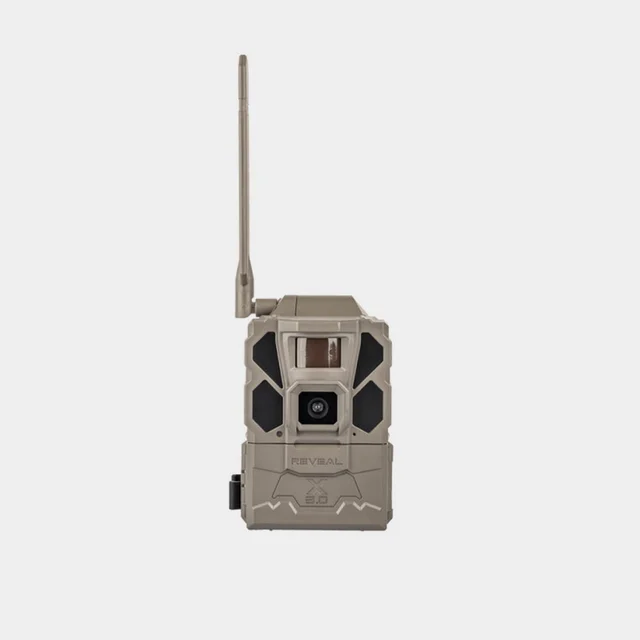
- Tactacam Reveal X 3.0 - Buy. The most well-rounded cellular camera here, with a genuinely reliable app and strong battery life.
- Browning Dark Ops Pro X 1080 - Buy. The value champion for anyone who doesn't need photos on their phone and never wants a subscription.
- Moultrie Edge 3 - It depends. A sharp, dual-network cellular camera that's a strong pick if you're happy on Moultrie's plan.
- Spypoint Flex-M - Skip. The cheap cellular entry point, but aging hardware and a fussy app make newer cameras a better buy.
The verdict in 30 seconds
What mattered most
- Connectivity
- Trigger & detection
- Daytime image quality
- Night flash & clarity
- App & ease of use
- Ongoing subscription
A trail camera lives or dies on two things: whether it fires fast enough to catch what walks by, and how much hassle it takes to get those images into your hands. Cellular models beam photos straight to your phone but tie you to a monthly plan; non-cellular models cost less and never charge you again, but you have to hike in to swap the card. We weighed both paths. Two of these cameras are easy recommendations, one makes sense only for a specific buyer, and one we'd pass over now that better options exist.
The most well-rounded cellular camera here, with a genuinely reliable app and strong battery life.
Best for: Hunters and property owners who want phone delivery and a camera that mostly manages itself.
- Auto-connect cellular hunts for the strongest carrier signal, so it works across most properties without you picking a network
- Crisp daytime stills and a low-glow night flash with useful range, per independent testing and owner reports
- Polished app plus on-camera buttons for setup and a test photo; battery life measured in months on lithium cells
- Like all cellular cameras, it needs an ongoing photo plan to actually send images
- Low-glow flash emits a faint red glow that the most pressured deer can occasionally notice
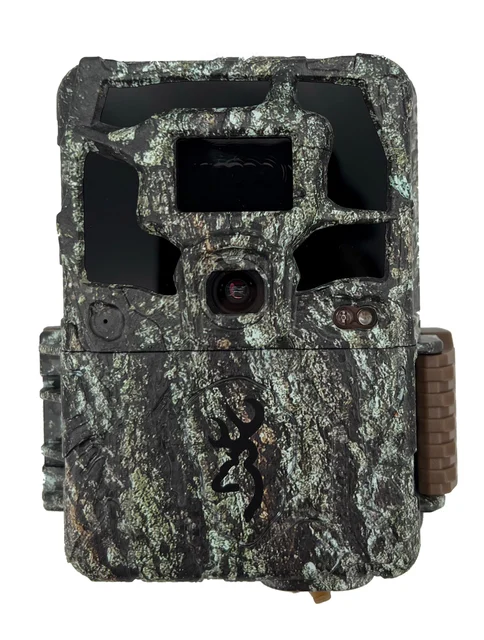
The value champion for anyone who doesn't need photos on their phone and never wants a subscription.
Best for: Scouting close to home or anywhere you can check the card, and buyers who refuse a monthly fee.
- No-glow invisible infrared flash that won't alert wary game, with excellent nighttime clarity in owner and independent reports
- Very fast trigger and consistent motion-stopping detail, day or night
- No cellular plan ever — buy it once and your only ongoing cost is batteries and an SD card
- No app or remote delivery; you have to walk to the camera and pull the card to see images
- Daytime color runs a touch muted compared with the sharpest cellular rivals
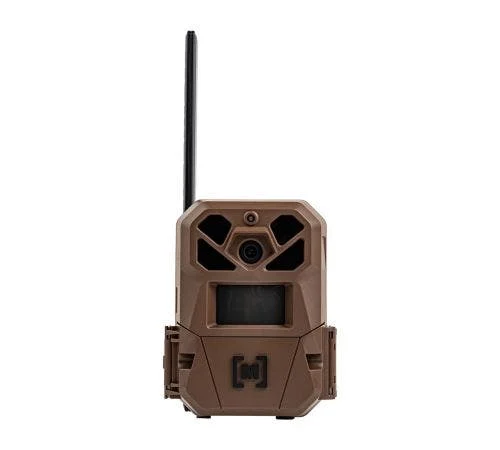
A sharp, dual-network cellular camera that's a strong pick if you're happy on Moultrie's plan.
Best for: Buyers who value daytime image sharpness and are comfortable inside the Moultrie ecosystem.
- High-resolution daytime photos and a fast trigger that reviewers rate among the sharpest here
- Auto-connecting dual-network cellular for solid coverage in more locations
- Built-in AI subject detection and a capable app, with a solar-panel version available for long deployments
- Owners note night photos soften and detection gets less reliable near the far edge of its range
- The AI subject tagging occasionally mislabels what's in the frame
- Cellular delivery again means committing to an ongoing plan
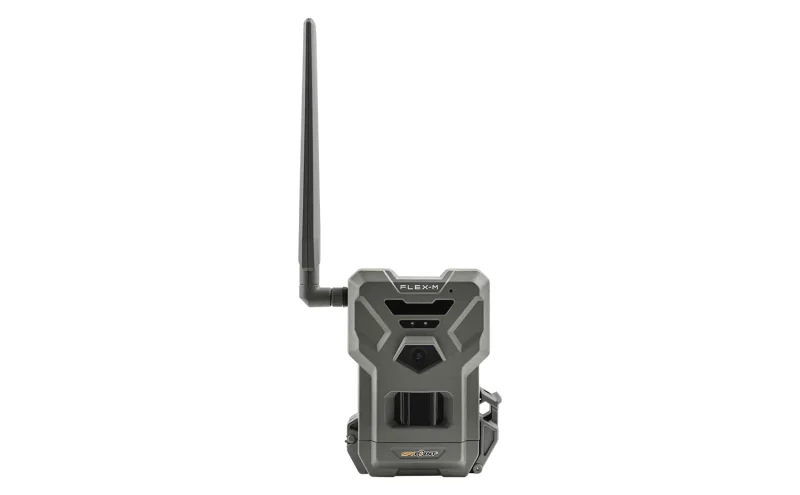
The cheap cellular entry point, but aging hardware and a fussy app make newer cameras a better buy.
Best for: Only the most budget-driven first-timer who wants to test cellular before committing to a better camera.
- True dual-SIM connectivity with two preactivated cards for cross-carrier coverage
- A free monthly photo allotment lowers the barrier to trying cellular scouting
- Image and video quality trail newer rivals, with softer daytime detail and weaker night range
- Owners frequently report a finicky app and slower photo delivery
- The free tier is limited enough that most users end up on a paid plan anyway, erasing much of the price advantage
| Criteria | Tactacam Reveal X 3.0 Top pick | Browning Dark Ops Pro X 1080 | Moultrie Edge 3 | Spypoint Flex-M |
|---|---|---|---|---|
| Verdict | Buy it | Buy it | It depends | Skip it |
| Best for | Hunters and property owners who want phone delivery and a camera that mostly manages itself. | Scouting close to home or anywhere you can check the card, and buyers who refuse a monthly fee. | Buyers who value daytime image sharpness and are comfortable inside the Moultrie ecosystem. | Only the most budget-driven first-timer who wants to test cellular before committing to a better camera. |
| Price tier | $$ · mid-range | $ · budget | $$ · mid-range | $ · budget |
| Connectivity | Cellular — auto-connect | Non-cellular — SD card | Cellular — dual-network | Cellular — dual-SIM |
| Trigger & detection | Fast, long detection range | Very fast, medium range | Fast, long range in daylight | Adequate, shorter range |
| Daytime image quality | Excellent, crisp stills | Very good, natural detail | Very sharp, high-res | Average, softer detail |
| Night flash & clarity | Low-glow IR, good range | No-glow IR, excellent | IR flash, softer at range | Low-glow IR, weaker at range |
| App & ease of use | Polished, reliable app | No app — pull the card | Capable app, minor AI misfires | Free tier but finicky app |
| Ongoing subscription | Required, tiered plans | None | Required, tiered plans | Free tier; paid to scale |
| Battery life | Excellent on lithium | Very good on lithium AAs | Good; solar option | Good; solar/rechargeable options |
| Price tier | $$ · mid-range | $ · budget | $$ · mid-range | $ · budget |
Which one is right for you?
- Hunters and property owners who want phone delivery and a camera that mostly manages itself. Buy it Tactacam Reveal X 3.0
- Scouting close to home or anywhere you can check the card, and buyers who refuse a monthly fee. Buy it Browning Dark Ops Pro X 1080
- Buyers who value daytime image sharpness and are comfortable inside the Moultrie ecosystem. It depends Moultrie Edge 3
- Only the most budget-driven first-timer who wants to test cellular before committing to a better camera. Skip it Spypoint Flex-M
How we judged the field
We don’t run our own trail-camera lab. Instead, we synthesize independent field testing, expert reviews, and aggregated owner reports to sort out which cameras earn their spot. For this category, a few things mattered most.
Delivery method is the fork in the road: cellular cameras text photos to your phone but require a paid data plan, while non-cellular cameras store everything on an SD card you retrieve by hand. Neither is “better” — they suit different situations. Trigger speed and detection decide whether you catch the animal or just its tail. Image quality matters day and night, and night is where cheaper cameras usually fall apart. Flash type — low-glow versus no-glow infrared — affects whether wary game notices the camera. Finally, we weighed battery life, app reliability, and the true ongoing cost of any subscription, because a cheap camera on an expensive or frustrating plan isn’t a bargain.
This is the cellular camera we’d hand a first-timer and still be happy recommending to a veteran. Its standout trait is auto-connect cellular that seeks the strongest carrier signal on its own, so you’re not guessing which network a property favors. Independent testing and owner reports praise the crisp daytime stills and a low-glow night flash with usable range, and battery life is measured in months on good lithium cells. Just as important, the app is one of the more dependable in the category, and on-camera buttons let you confirm setup with a test photo before you walk away. The catch is the same as any cellular model: no data plan, no photos. There’s also a faint red glow from the low-glow flash that the most pressured deer can occasionally clock. Neither is a dealbreaker for most buyers, which is why it’s our overall pick.
If you can visit your camera to swap the card, this is the value play of the group. Its no-glow invisible infrared flash produces excellent nighttime images without any visible light to alert game, and the trigger is fast enough to stop motion cleanly. Because it’s non-cellular, there’s no subscription — ever. You buy it once and your only recurring cost is batteries and a memory card. The trade-off is obvious: there’s no app and no remote delivery, so you’re hiking in to pull the SD card, and daytime color is a shade more muted than the sharpest cellular rivals. For scouting close to home, or for anyone who simply refuses a monthly fee, that’s an easy compromise to accept for this much camera.
The Edge 3 is a genuinely sharp cellular camera with a lot going for it: high-resolution daytime photos, a fast trigger, auto-connecting dual-network cellular for broader coverage, built-in AI subject detection, and a solar-panel version for long, hands-off deployments. On daytime image quality it’s right at the top of this group. So why “it depends”? Owner reports consistently note that night photos soften and detection gets less reliable toward the far edge of its stated range, and the AI tagging occasionally mislabels what’s in the frame. Add the required data plan, and the Edge 3 makes the most sense for a specific buyer: someone who prizes daytime sharpness and is comfortable living inside the Moultrie app and plan structure. If that’s you, it’s excellent; if not, the Tactacam is the safer all-rounder.
The Flex-M earns credit for making cellular cheap to try: true dual-SIM connectivity with two preactivated cards, plus a small free monthly photo allotment. But the hardware is showing its age. Image and video quality trail newer competitors, with softer daytime detail and weaker night range, and owners frequently flag a finicky app and slower photo delivery. The free tier sounds appealing until you hit its limits — most users end up on a paid plan anyway, which erases much of the price advantage that was the whole reason to consider it. With the Tactacam offering far more polish for a modest step up and the Browning delivering better images with no fee at all, there’s little reason to land here now.
Tactacam Reveal X 3.0 vs Browning Dark Ops Pro X 1080: which should you buy?
This is the real decision for most people, because it’s cellular versus non-cellular in miniature. The Tactacam Reveal X 3.0 wins on convenience: photos arrive on your phone wherever the camera sits, the app is reliable, and auto-connect takes the guesswork out of carrier coverage. You pay for that convenience with an ongoing data plan. The Browning Dark Ops Pro X 1080 wins on cost and stealth: its no-glow flash is invisible to game, night images are excellent, and after the one-time purchase you never pay again — but you have to physically retrieve the card to see anything.
Pick the Tactacam if the camera is remote, if timing matters (you want to know what moved through today, not next weekend), or if you just prefer photos on your phone. Pick the Browning if you can reach the camera regularly, if you’re watching pressured game where an invisible flash helps, or if avoiding a subscription is a priority. There’s no wrong answer — only the one that fits how and where you’ll use it.
What to look for
- Connectivity first: decide cellular (phone delivery, monthly plan) versus non-cellular (card retrieval, no fee) before comparing anything else.
- Trigger speed and detection range: faster triggers catch moving animals; longer, more consistent detection helps on trails and field edges, especially at night.
- Flash type: no-glow infrared is invisible and best for wary game; low-glow is usually fine and often a touch brighter.
- Night image quality: this is where budget cameras stumble — weight it heavily if you photograph after dark.
- Battery life and power options: look for months of runtime on lithium cells; a solar option is a bonus for hands-off spots.
- App reliability and true subscription cost: a cheap camera on a frustrating or costly plan isn’t a bargain; add the plan into your budget.
- Memory card: most cameras need an SD card bought separately — don’t forget one.
Our final take
Most buyers should start by answering one question: do you want photos pushed to your phone, or are you fine checking the camera yourself? If it’s the phone, the Tactacam Reveal X 3.0 is the most complete cellular camera here — reliable delivery, strong images, and long battery life with the least babysitting. If you’d rather avoid a recurring fee, the Browning Dark Ops Pro X 1080 delivers superb no-glow night shots for a one-time cost and is the smartest value in the group. The Moultrie Edge 3 is a fine choice for daytime-focused shooters already committed to its ecosystem, but its night-range and AI quirks keep it a conditional pick. And the Spypoint Flex-M, once a natural budget default, has simply been passed by — the better options cost little more and deliver a lot more.
Questions, answered
Cellular or non-cellular — which type should I buy?
Choose cellular (like the Tactacam or Moultrie) if the camera is somewhere you can't easily visit, or you simply want photos pushed to your phone in near-real time. Choose non-cellular (like the Browning) if you can walk to the camera to pull the SD card, want the lowest total cost, or are placing it where there's poor cell coverage. The delivery method is the single biggest decision; image quality and battery life are close enough across good cameras that connectivity should drive the choice.
Do cellular trail cameras really require a monthly subscription?
Yes. Every cellular camera needs a data plan to send images, because it's paying for cellular network use. Plans are tiered by how many photos you want each month, and some brands include a small free allotment to start. Factor that recurring cost in over a season or a year — it's a genuine part of what a cellular camera costs to own, and it's the main reason a subscription-free camera like the Browning can be the better value if you're able to check the card yourself.
What trigger speed and detection range should I look for?
Trigger speed is how quickly the camera fires after it senses motion; faster is better for catching animals moving through the frame rather than empty photos of a tail. A fraction of a second is good. Detection range is how far out it can sense movement — longer helps on field edges and trails. All four cameras here trigger quickly enough for typical use; the bigger differences show up in how consistent detection stays at the far end of the range, especially at night.
Will the camera's flash spook deer or other game?
It depends on the flash type. A no-glow (invisible) infrared flash, like the Browning's, emits no visible light and is the safest choice for pressured or wary animals. A low-glow flash, used by the Tactacam and Spypoint, throws a faint red glow that's usually fine but can occasionally be noticed by the most cautious deer. If staying completely undetected matters most, prioritize a no-glow model.
How long do the batteries last and do I need a separate memory card?
Battery life ranges from good to excellent across these cameras, with lithium AAs typically lasting weeks to months depending on how many photos and videos it captures and the temperature; cold weather shortens runtime. Some models offer a solar panel version to stretch that further. Non-cellular cameras need an SD card (usually bought separately) to store images, and cellular cameras still use one as local backup, so plan on adding a card to your order.
Deciding between the top two? See our head-to-head: Tactacam Reveal X 3.0 vs Browning Dark Ops Pro X 1080.
More Outdoors & Fitness reviews
 The Best Two-Way Radios: 4 Compared (and One to Skip)
  The Best 2-Person Backpacking Tents: 4 Compared (and One to Skip)
  The Best Backpacking Water Filters: 4 Compared
  The Best Winter Beanies: 4 Compared (and One to Skip)
  The Best Bear Canisters: 4 Compared (and One to Skip)
  The Best Belay Devices: 4 Compared (and One to Skip)