

Outdoors & Fitness
The Best 2-Person Backpacking Tents: 4 Compared (and One to Skip)
We compared four current two-person backpacking tents to find the ones worth carrying and the one that only sleeps two on paper.
The short version
For most people the Big Agnes Copper Spur UL2 XL is the tent to buy: it is freestanding, genuinely comfortable for two, and among the lightest in its class, though it commands a premium price. The MSR Hubba Hubba LT 2 is a close, roomy, storm-steady runner-up that ventilates well but can feel drafty in cold wind. The Durston X-Mid 2 is the value and weight champion if you already hike with trekking poles and camp where stakes hold. Skip the NEMO Hornet OSMO 2P for couples, because its tapered floor is too tight for two full-width pads. Best for: two hikers who want one lightweight tent that is comfortable enough to actually enjoy sharing.
Our picks at a glance
- Big Agnes Copper Spur UL2 XL - Buy. The roomy XL version of Big Agnes's best-known freestanding ultralight tent, with two doors and a 96 x 54 inch floor that fits two adults.
- MSR Hubba Hubba LT 2 - Buy. A symmetrical, storm-steady freestanding tent that is one of the roomiest in its weight range.
- Durston X-Mid 2 - It depends. A remarkably light, spacious trekking-pole tent that costs less than the freestanding leaders but asks you to bring poles.
- NEMO Hornet OSMO 2P - Skip. A well-built ultralight tent that most owners find genuinely cramped once two people and two pads are inside.
The verdict in 30 seconds
What mattered most
- Type
- Trail weight
- Doors / vestibules
- Interior space
- Weather protection
- Packed size
A two-person backpacking tent is a constant negotiation between weight, livable space, weather protection, and price, and no single shelter wins every category. Drawing on independent testing and long-term owner reports, a clear top tier emerges: freestanding tents that pitch anywhere and a trekking-pole design that trades convenience for a lighter, roomier package. Reviewers broadly agree on the leaders but disagree on how much draft and condensation each design allows, so we flag those splits. We also name one popular model that most owners find genuinely too tight for two.
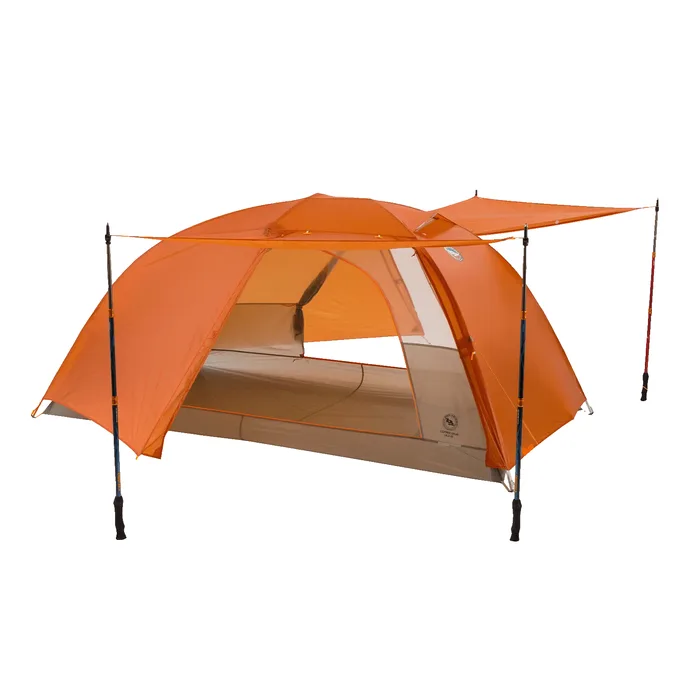
The roomy XL version of Big Agnes's best-known freestanding ultralight tent, with two doors and a 96 x 54 inch floor that fits two adults.
Best for: Backpackers who want the lightest genuinely comfortable freestanding tent and will pay for it.
- Freestanding, so it pitches almost anywhere including rock and packed sand
- A 36 sq ft floor and 41-inch head height give unusual sitting room for the weight
- Two doors and two vestibules end the climb-over-your-partner problem
- Among the most expensive tents in its class
- Thin floor and canopy fabrics reward careful site selection or a footprint
- Two 9 sq ft vestibules are adequate rather than cavernous
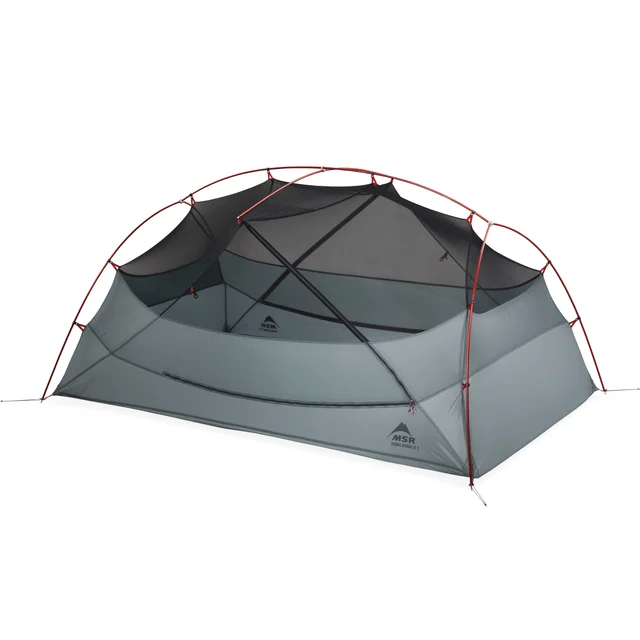
A symmetrical, storm-steady freestanding tent that is one of the roomiest in its weight range.
Best for: Two hikers who camp in exposed, breezy terrain and want a rigid, roomy freestanding shelter.
- Hub-and-pole design delivers a rectangular, untapered 32 sq ft floor and a 40-inch peak
- Strong symmetrical structure that reviewers rate highly in wind
- Two doors with usable, functional vestibules
- Fast, intuitive freestanding pitch
- A generous fly-to-ground gap ventilates well but lets drafts whistle through in cold wind
- At a 3 lb minimum weight it is the heaviest tent here
- Vestibules total 16 sq ft across two sides, fine for boots and packs rather than gear sprawl
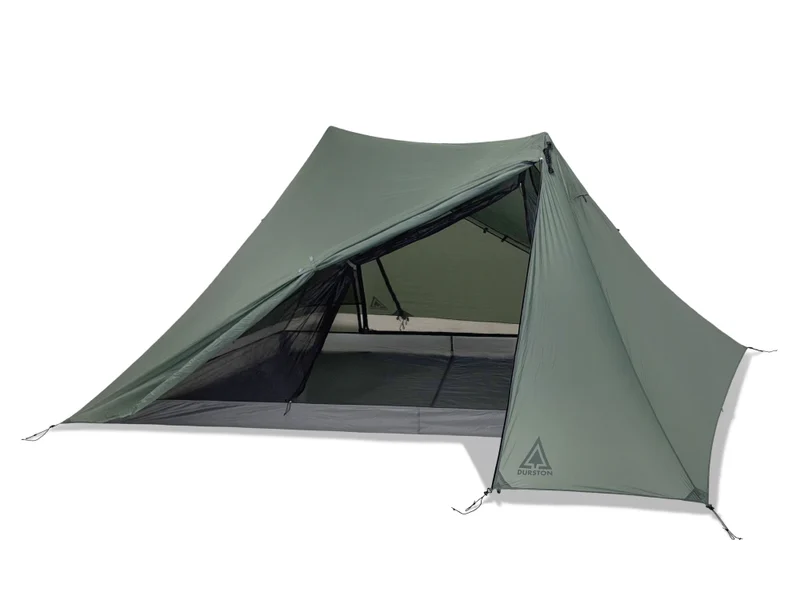
A remarkably light, spacious trekking-pole tent that costs less than the freestanding leaders but asks you to bring poles.
Best for: Weight-focused hikers who already carry trekking poles and camp where stakes bite.
- Very light and compact because it pitches with your trekking poles, not dedicated tent poles
- Offset-pole geometry creates generous headroom and two large vestibules
- Polyester fly resists sag and dries quickly after rain
- Strong value relative to premium freestanding tents
- Not freestanding, so it needs stakes and reasonably soft, well-drained ground
- Requires trekking poles; buying dedicated poles erases much of the weight advantage
- A loose trekking-pole pitch invites condensation drips, so it rewards careful tensioning and use of its peak vents
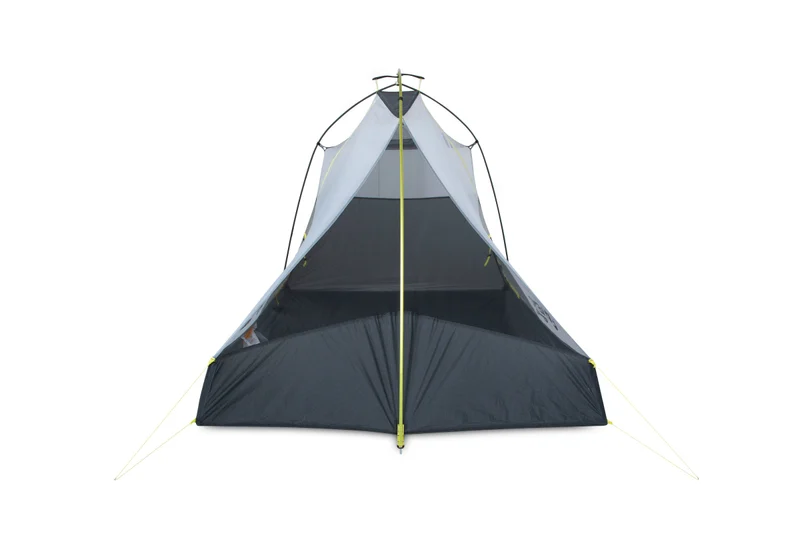
A well-built ultralight tent that most owners find genuinely cramped once two people and two pads are inside.
Best for: Solo hikers wanting a light shelter with room to spare, not couples sharing full-width pads.
- Very low weight and small packed size for solo or occasional two-person use
- Quality OSMO fabric and thoughtful pockets
- Two small doors and vestibules
- Tapered floor narrows toward the foot and is tight for two adults
- Cannot comfortably fit two wide sleeping pads
- Inward-sloping walls leave two occupants brushing the fabric
- Priced like roomier rivals despite the squeeze
| Criteria | Big Agnes Copper Spur UL2 XL Top pick | MSR Hubba Hubba LT 2 | Durston X-Mid 2 | NEMO Hornet OSMO 2P |
|---|---|---|---|---|
| Verdict | Buy it | Buy it | It depends | Skip it |
| Best for | Backpackers who want the lightest genuinely comfortable freestanding tent and will pay for it. | Two hikers who camp in exposed, breezy terrain and want a rigid, roomy freestanding shelter. | Weight-focused hikers who already carry trekking poles and camp where stakes bite. | Solo hikers wanting a light shelter with room to spare, not couples sharing full-width pads. |
| Price tier | $$$ · premium | $$$ · premium | $$ · mid-range | $$$ · premium |
| Type | Freestanding | Freestanding | Trekking-pole (non-freestanding) | Semi-freestanding |
| Trail weight | 2 lb 14 oz | 3 lb minimum | 1.9 lb (31.3 oz) | About 2 lb |
| Doors / vestibules | 2 doors, two 9 sq ft vestibules | 2 doors, 16 sq ft of vestibules | 2 doors, two 11.5 sq ft vestibules | 2 doors, 2 small vestibules |
| Interior space | Roomiest, 36 sq ft floor and 41 in peak | Roomy, 32 sq ft untapered floor | Roomy, 33.2 sq ft floor and 48 in peak | Tight for two adults |
| Weather protection | Very good | Excellent, drafty in cold wind | Very good, needs good staking | Fair |
| Packed size | Compact | Medium | Very compact | Very compact |
| Value | Fair (you pay for comfort) | Good | Excellent | Poor for two |
Which one is right for you?
- Backpackers who want the lightest genuinely comfortable freestanding tent and will pay for it. Buy it Big Agnes Copper Spur UL2 XL
- Two hikers who camp in exposed, breezy terrain and want a rigid, roomy freestanding shelter. Buy it MSR Hubba Hubba LT 2
- Weight-focused hikers who already carry trekking poles and camp where stakes bite. It depends Durston X-Mid 2
- Solo hikers wanting a light shelter with room to spare, not couples sharing full-width pads. Skip it NEMO Hornet OSMO 2P
How we judged the field
Choosing a two-person backpacking tent means balancing four things that fight one another: weight, interior room, weather protection, and price. To sort the field we synthesized independent testing and long-term owner reports rather than trusting any single verdict. Trail weight and packed size carry heavy weight in our thinking, because those are what you feel on every climb, but we refused to reward a tent that saves ounces by making two people miserable. We also examined how each shelter behaves in wind and rain, how quickly it pitches, and whether the doors and vestibules genuinely help two occupants. Reviewers largely agree on the leaders; where they disagree, chiefly on drafts and condensation, we say so. We compared four current, buyable models and name one to skip.
Big Agnes Copper Spur UL2 XL
Buy itThe Copper Spur has long been the tent independent testers rank first, and the current UL2 XL is the version we point couples to: Big Agnes adds 6 to 8 inches of length, 2 inches of width and 3 to 4 inches of head height over the standard Copper Spur UL. It is freestanding, so it pitches on rock, sand, or a platform where stake-dependent shelters struggle. Its 36 sq ft floor and 41-inch head height give two adults room to sit up and change without a wrestling match, which is rare at a 2 lb 14 oz trail weight. Two doors and two vestibules mean neither person clambers over the other at night. The recurring caution from owners concerns the thin floor and canopy: they are light for a reason, so a careful site or a footprint pays off. It is also expensive. For hikers who want the lightest tent that is still pleasant to share, that premium is defensible.
MSR Hubba Hubba LT 2
Buy itThe Hubba Hubba LT 2 is the closest challenger and the more storm-focused design. MSR lists a rectangular, untapered 32 sq ft floor and a 40-inch peak from a unified hub-and-pole system, and testers repeatedly praise its symmetrical structure in wind. It is freestanding and pitches quickly. The trade-off that reviewers flag is ventilation: the fly sits with a generous gap to the ground, which keeps condensation down but allows cold drafts to whistle underneath in exposed, chilly conditions. Its two vestibules total 16 sq ft, enough for boots and a pack. It typically costs less than the Copper Spur, which makes it the value-conscious choice among the freestanding pair. If you camp where wind matters more than a few grams, this is a legitimate first pick.
Durston X-Mid 2
It dependsThe X-Mid 2 is the weight and value standout, but it asks something of you in return. It pitches with your trekking poles instead of dedicated tent poles, which is why it is both lighter and cheaper than the freestanding leaders. Its offset-pole geometry opens up a 48-inch peak and two vestibules of about 11.5 sq ft each, and its polyester fly resists the sag and water absorption that plague nylon, so the pitch stays taut and dries fast. The catch is in the conditions it needs: it is not freestanding, so it wants stakeable, well-drained ground, and if you do not already carry trekking poles, buying dedicated ones adds enough weight to erase its advantage over the Copper Spur. Owners who dial in their pitch love it; those new to trekking-pole tents face a short learning curve on tension, and Durston adds dual peak vents to help with condensation. Hence the qualified verdict.
NEMO Hornet OSMO 2P
Skip itThe Hornet OSMO 2P is genuinely well made, with quality fabric, useful pockets, and a very low weight. As a two-person tent, though, it disappoints the people who need it to be one. Independent testers and owners consistently describe the interior as cramped: the floor tapers noticeably toward the foot, and the inward-sloping walls leave two occupants brushing the fabric. You cannot fit two wide sleeping pads without crowding. None of that is a flaw in an ultralight solo shelter, which is what this tent effectively is. But it is priced alongside roomier rivals, so for a couple it is the wrong buy. Solo hikers wanting space to spare should look at it; pairs should not.
Big Agnes Copper Spur UL2 XL vs MSR Hubba Hubba LT 2: which should you buy?
These two freestanding tents dominate the category, and the decision comes down to priorities. The Copper Spur UL2 XL is lighter on paper (2 lb 14 oz trail weight against 3 lb) and larger inside (36 against 32 sq ft); it is also the pricier tent. The Hubba Hubba answers with an untapered rectangular floor, bigger vestibules, a structure that testers trust more in sustained wind, and usually a friendlier price, at the cost of some cold-weather draft from its high fly gap. Choose the Copper Spur if minimizing weight and maximizing comfort-per-ounce matter most and budget is not the constraint. Choose the Hubba Hubba if you frequently camp in exposed, breezy terrain, want an untapered floor, or want to spend a little less. Both are tents you can carry for years without regret.
What to look for
- Trail weight versus packed weight: the lightest number omits stakes and stuff sack, so compare like with like and expect real-world weight to sit higher.
- Freestanding versus trekking-pole: freestanding pitches anywhere; trekking-pole saves weight and money but needs stakeable ground and poles you carry anyway.
- Two doors and two vestibules: for two people this is close to essential, both for entry and for keeping gear out of the rain.
- Interior geometry: peak height and, crucially, floor width at the foot decide whether two adults on full pads actually fit.
- Fabric and weather behavior: lighter fabrics need careful sites; polyester flies resist sag, while a high fly gap trades draft resistance for ventilation.
- Packed size: a smaller pack volume matters as much as weight when your pack is already full.
Our final take
Buy the Big Agnes Copper Spur UL2 XL if you want the best all-around two-person tent and will pay for it: it is light, freestanding, and comfortable enough that sharing it is a pleasure rather than a compromise. Choose the MSR Hubba Hubba LT 2 if you value a rigid, roomy structure in wind and a slightly lower price, accepting a little draft in the cold. Reach for the Durston X-Mid 2 if you already hike with trekking poles, want the lightest and best-value option, and camp where stakes hold. Leave the NEMO Hornet OSMO 2P for solo trips. Match the tent to your terrain and the way you actually camp, and any of the top three will serve you for many seasons.
Questions, answered
Do I really need a freestanding tent?
Not necessarily. Freestanding tents like the Copper Spur and Hubba Hubba pitch on rock, sand, or wooden platforms without stakes, which is valuable in variable terrain. A trekking-pole tent such as the X-Mid 2 is lighter and cheaper but needs stakeable ground and poles you already carry.
How much should a good two-person backpacking tent weigh?
Current leaders land between roughly 1.9 and 3 pounds. Under two pounds usually means a trekking-pole design or a tighter interior, while freestanding comfort tents like the Hubba Hubba LT 2 sit nearer 3 pounds.
Why is the NEMO Hornet OSMO 2P a skip here?
It is a well-made ultralight tent, but independent reviewers and owners consistently report that its sharply tapered floor and sloping walls are cramped for two adults on full-width pads. It is better viewed as a roomy solo tent.
Will a lightweight tent hold up in a storm?
The freestanding picks handle wind and rain well, with the Hubba Hubba especially praised for its symmetrical, rigid structure. The X-Mid sheds wind well when staked out properly, but its performance depends more on your pitch.
Are the thin fabrics on these tents a durability problem?
They can be. The Copper Spur in particular uses light HyperBead canopy and floor fabrics, so choosing a smooth site or adding a footprint meaningfully extends its life. Treated well, these tents last many seasons.
Deciding between the top two? See our head-to-head: Big Agnes Copper Spur UL2 XL vs MSR Hubba Hubba LT 2.
More Outdoors & Fitness reviews
 The Best Backpacking Water Filters: 4 Compared
  The Best Balaclavas for Skiing and Snowboarding: 4 Compared (and One to Skip)
  The Best Beach Tents: 4 Compared (and One to Skip)
  The Best Winter Beanies: 4 Compared (and One to Skip)
  The Best Bear Canisters: 4 Compared (and One to Skip)
  The Best Bear Spray: 4 Compared (and One to Skip)