

Outdoors & Fitness
The Best Winter Beanies: 4 Compared (and One to Skip)
We compared four winter beanies on fibre content, fabric weight, lining, fit, care and warranty.
The short version
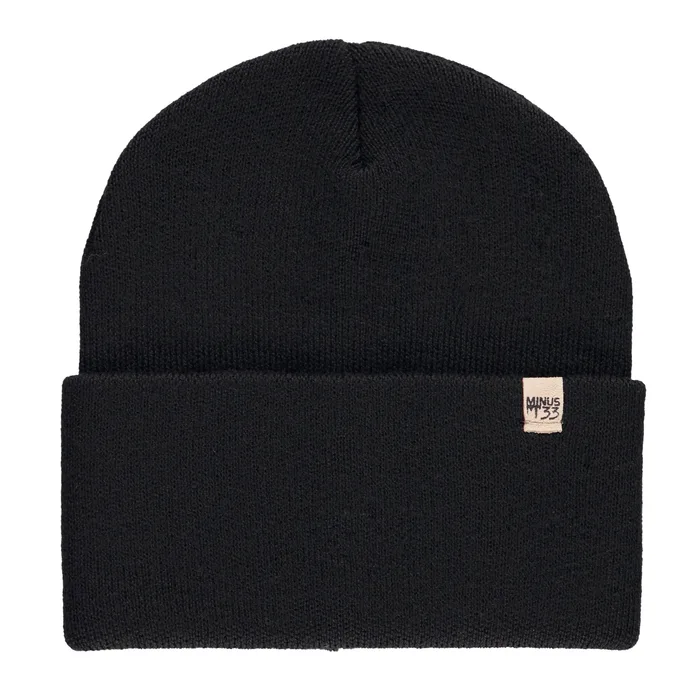
The Minus33 Midweight Merino Wool Knit Cuff Beanie is the pick: 100% merino wool at 18.5 microns, a double-layered 245 g/m² interlock knit, published temperature ranges and a 3.8 oz weight, though its care instructions conflict. The Turtle Fur Lars Beanie is the other buy, a 50% merino and 50% acrylic knit with a micro fleece ear band that adds warmth where it matters. The Smartwool Merino Beanie suits runners, skiers and anyone wearing it under a helmet, a lightweight 88% merino jersey with a 2-year guarantee, but it is too thin for standing around in real cold. Skip the Coal Uniform for warmth: it is described only as Polylana recycled content yarn with no percentages, and the page title calls it acrylic. Best for: cold commutes, winter walks and ski days.
Our picks at a glance
- Minus33 Midweight Merino Wool Knit Cuff Beanie - Buy. A double layer of 18.5-micron merino with the most complete spec sheet here.
- Turtle Fur Lars Beanie - Buy. A merino and acrylic knit with a micro fleece ear band for extra warmth over the ears.
- Smartwool Merino Beanie - It depends. A thin merino jersey beanie for running, skiing and wearing under a helmet.
- Coal The Uniform Recycled Knit Cuff Beanie - Skip. A popular, colourful cuffed beanie whose yarn content is not stated.
The verdict in 30 seconds
What mattered most
- Fibre
- Knit
- Fibre diameter
- Lining
- Weight
- Care
A beanie is a simple thing, but the fibre makes a big difference. Merino wool stays warm when damp and does not itch like coarse wool, acrylic is cheap and bright but holds sweat, and blends sit in between. Knit weight and lining decide how warm it is, and the fit decides whether it covers your ears. Many listings do not say what the yarn actually is. We compared four popular beanies.
A double layer of 18.5-micron merino with the most complete spec sheet here.
Best for: People who want a warm, soft, all-wool beanie for daily winter wear.
- 100% merino wool, 18.5-micron fibres, in a 245 g/m² midweight interlock knit.
- Double layered for warmth, with published temperature ranges for active and inactive use.
- Published 3.8 oz weight and a UPF 50+ rating.
- The page says Machine Wash & Dry in one place and Lie Flat to Dry in the care instructions.
- No fleece or lined ear band.
- The wool source is listed but the country of manufacture is given only as imported.
- One cuffed shape only.
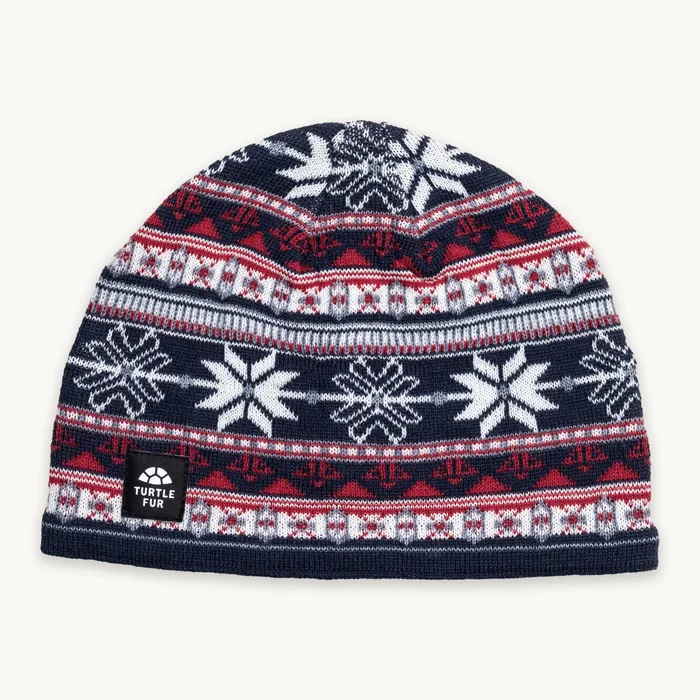
A merino and acrylic knit with a micro fleece ear band for extra warmth over the ears.
Best for: People who want warm ears and a classic patterned knit.
- Machine knit from 50% merino wool and 50% acrylic.
- Ear band lined with 100% polyester micro fleece.
- Light at a published 1.8 oz, with free returns.
- Half the fibre is acrylic.
- One size in a regular fit, and some owners say it runs large.
- No care instructions are listed on the product page.
- Patterned designs only in this model.
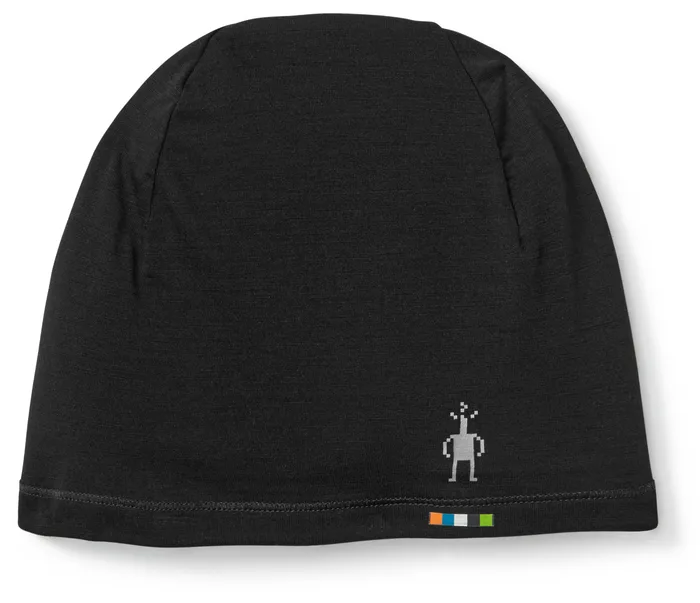
A thin merino jersey beanie for running, skiing and wearing under a helmet.
Best for: Runners, cross-country skiers and cyclists who need a thin warm layer.
- 88% merino wool and 12% recycled nylon, with 100% merino next to the skin.
- Lightweight enough to run in or wear under a helmet.
- Machine washable and tumble dry low, with a 2-year guarantee and 30-day free returns.
- Too thin to be warm on its own in real cold when you are standing still.
- No fabric weight is published.
- One size only.
- Made in Vietnam, with no wool source stated.
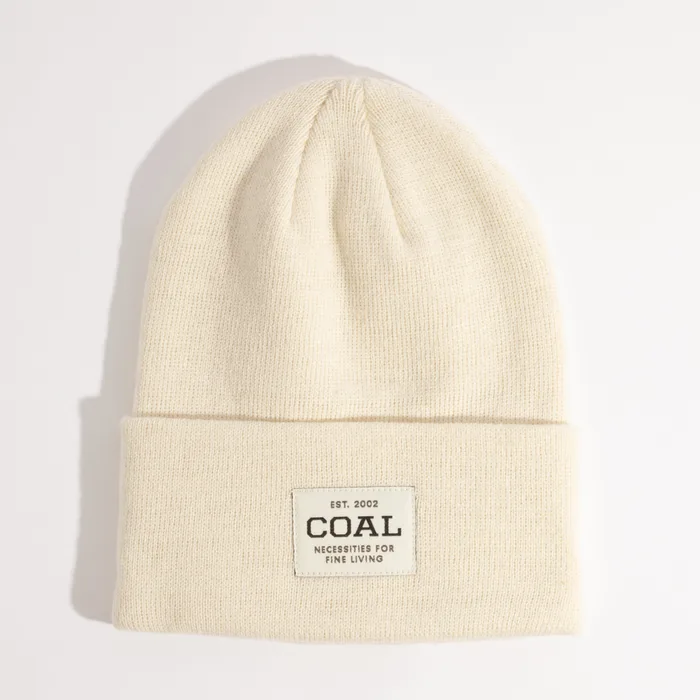
A popular, colourful cuffed beanie whose yarn content is not stated.
Best for: Buyers who want a bright, inexpensive fashion beanie rather than serious warmth.
- Classic cuffed style with a tall fit and a logo patch.
- Made with recycled content yarn and some stretch to hold its shape.
- A wide range of solid, heather and marl colours, plus mid and low versions.
- Described only as Polylana recycled content yarn, with no fibre percentages.
- The product page title calls it an acrylic knit, while the listing says recycled yarn.
- No wool, so it handles sweat and damp less well than merino.
- No care instructions or fabric weight on the product page.
| Criteria | Midweight Merino Wool Knit Cuff Beanie Top pick | Lars Beanie | Merino Beanie | The Uniform Recycled Knit Cuff Beanie |
|---|---|---|---|---|
| Verdict | Buy it | Buy it | It depends | Skip it |
| Best for | People who want a warm, soft, all-wool beanie for daily winter wear. | People who want warm ears and a classic patterned knit. | Runners, cross-country skiers and cyclists who need a thin warm layer. | Buyers who want a bright, inexpensive fashion beanie rather than serious warmth. |
| Price tier | $$ · mid-range | $$ · mid-range | $$ · mid-range | $ · budget |
| Fibre | 100% merino | 50% merino, 50% acrylic | 88% merino, 12% recycled nylon | Polylana recycled yarn (no %) |
| Knit | 245 g/m² interlock, double layer | Machine knit | Lightweight jersey | Knit cuff |
| Fibre diameter | 18.5 micron | Not published | Not published | Not applicable |
| Lining | Double wool layer | Micro fleece ear band | None | None |
| Weight | 3.8 oz | 1.8 oz | Not published | Not published |
| Care | Cold gentle wash, lie flat (conflicting) | Not listed | Warm gentle wash, tumble dry low | Not listed |
| Fit | Cuffed, can wear slouchy | One size, regular | One size | One size fits most, tall |
| Guarantee | Not stated on page | Free returns | 2-year guarantee | See returns and warranty |
Which one is right for you?
- People who want a warm, soft, all-wool beanie for daily winter wear. Buy it Minus33 Midweight Merino Wool Knit Cuff Beanie
- People who want warm ears and a classic patterned knit. Buy it Turtle Fur Lars Beanie
- Runners, cross-country skiers and cyclists who need a thin warm layer. It depends Smartwool Merino Beanie
- Buyers who want a bright, inexpensive fashion beanie rather than serious warmth. Skip it Coal The Uniform Recycled Knit Cuff Beanie
How we judged the field
Five things decide how good a winter beanie is. The fibre comes first: merino, acrylic or a blend, and how much of each. The knit weight and any lining decide how warm it is, especially over the ears. Fibre fineness decides whether it itches. Fit decides whether it covers your ears and stays on. And care instructions matter, because a beanie that shrinks in the wash does not last.
The field splits into all-merino beanies, blends with fleece linings, thin performance beanies and inexpensive fashion knits. We picked one of each, chose popular models, and held each to what its own product page says.
The Minus33 Midweight Merino Wool Knit Cuff Beanie is the pick because Minus33 tells you exactly what you are buying. It is 100% merino wool with 18.5-micron fibres, fine enough to avoid itch for most people, in a 245 g/m² midweight interlock knit. The beanie is double layered for extra warmth, and Minus33 publishes temperature ranges: 30°F down to 0°F when active and 30°F to 60°F when inactive. It weighs 3.8 oz, carries a UPF 50+ rating, and the wool is sourced from Australia. You can wear it cuffed or uncuffed. The one oddity is care: the page says Machine Wash & Dry in one place and then tells you to wash cold on a gentle cycle and lie flat to dry, so follow the second. There is no fleece ear band. For warm, soft, all-wool comfort, it is the beanie to buy.
The Turtle Fur Lars Beanie is the buy for warm ears. It is machine knit from 50% merino wool and 50% acrylic, and the ear band is lined with 100% polyester micro fleece, which adds warmth exactly where a single-layer knit feels thin. At a published 1.8 oz it is light, and Turtle Fur offers free returns. It comes in one size in a regular fit, and some owners say it runs large, which is worth knowing if you have a small head. The blend means half the fibre is acrylic, which does not handle sweat as well as merino, and the product page does not list care instructions. The Lars comes in patterned knits only. If you want a classic-looking beanie with extra warmth over the ears, it is a good choice.
The Smartwool Merino Beanie is a different kind of beanie, which is why it is our depends. It is a lightweight jersey knit, 88% merino wool and 12% recycled nylon, with 100% merino against the skin, made for running, skate skiing or wearing under a helmet. It is machine washable warm on a gentle cycle and can tumble dry low, which is easier than most wool, and Smartwool backs it with a 2-year guarantee and 30-day free returns. The trade-off is warmth. A thin jersey beanie is excellent when you are moving and generating heat, but it will feel cold at a bus stop in real winter. Smartwool publishes no fabric weight, it is one size only, and it is made in Vietnam. For active use or under a helmet, it is the right one.
The Coal Uniform is one of the most popular cuffed beanies around, and it looks good in a wide range of colours, but we would skip it if warmth is the goal. Coal describes it as a classic cuffed beanie with a tall fit, made from recycled content yarn with enough stretch to hold its shape. The problem is the fibre. The only material listed is Polylana recycled content yarn, with no percentages, and the page’s own title calls it The Uniform Acrylic Knit Cuff Beanie. Either way it has no wool, so it handles sweat and damp less well than the merino options here. The product page gives no care instructions and no fabric weight. As an inexpensive fashion beanie, it is fine; for cold weather, the Minus33 or Turtle Fur are better buys.
Minus33 Midweight Merino Wool Knit Cuff Beanie vs Turtle Fur Lars Beanie: which should you buy?
The Minus33 and the Turtle Fur Lars are both warm, but they get there differently. The Minus33 is pure 18.5-micron merino in a double-layered 245 g/m² knit, with published temperature ranges and a 3.8 oz weight, so it is warm all over and handles sweat well. The Lars is a lighter merino and acrylic blend at 1.8 oz, with a micro fleece ear band that adds warmth over the ears.
Choose the Minus33 if you want the warmest, softest all-wool beanie and you wear it for long days outside. Choose the Turtle Fur if your ears get cold first and you like a patterned knit. For running or under a helmet, the thin Smartwool is the better tool than either.
What to look for
- Fibre content: Look for percentages; 100% merino or a high merino blend is warmer when damp than acrylic.
- Micron count: Fine merino, around 18 to 20 microns, is soft and itch-free.
- Knit weight and layers: A heavier or double-layered knit is warmer; thin jersey is for active use.
- Ear coverage: A fleece-lined band or a deep cuff keeps ears warm.
- Care instructions: Clear washing rules help a wool beanie last without shrinking.
- Guarantee: A warranty or guarantee shows the brand expects it to last.
Our final take
For most people, the Minus33 Midweight Merino Wool Knit Cuff Beanie is the winter beanie to buy. It is double-layered 18.5-micron merino with the most complete spec sheet here, including temperature ranges, and it stays warm and comfortable on long days. If your ears get cold first, the Turtle Fur Lars adds a micro fleece ear band to a merino blend. The Smartwool Merino Beanie is the one for running and under a helmet. Skip the Coal Uniform for warmth: with no fibre percentages and an acrylic label in its own page title, it is a fashion beanie, not a cold-weather one.
Questions, answered
Is merino wool better than acrylic for a beanie?
For warmth and comfort, usually yes. Merino stays warm when damp, handles sweat well and resists odour, and fine merino does not itch the way coarse wool can. Acrylic is cheaper, holds bright colours and is easy to wash, but it holds moisture against your skin. Blends like the Turtle Fur Lars split the difference.
What does micron mean for merino wool?
Micron is the diameter of each wool fibre, and finer fibres feel softer against the skin. Minus33 lists 18.5-micron fibres for its midweight beanie, which is in the range most people find itch-free. Coarser wool, above about 25 microns, is where itchiness usually starts. Few brands publish the number, so it is a good sign when they do.
How do I wash a wool beanie?
Use cold water on a gentle or wool cycle with a mild or wool-specific detergent, and skip fabric softener and bleach. Minus33 says to lie its beanie flat to dry, while Smartwool says its merino jersey can tumble dry low. Follow each brand's label, since knits and blends behave differently. Heat and agitation shrink wool.
Why does my beanie feel itchy?
Usually because of coarse wool fibres or a rough acrylic knit. Fine merino, around 18 to 20 microns, is much softer, and a fleece or merino lining helps too. The Turtle Fur Lars puts micro fleece against your forehead and ears. If you are sensitive, choose 100% fine merino.
Can I wear a beanie under a ski helmet?
Only a thin one, because a thick knit changes how the helmet fits and can make it unsafe. A lightweight merino jersey beanie like the Smartwool is made for this. Check that the helmet still fits snugly with it on. Many helmets are warm enough without one.
Deciding between the top two? See our head-to-head: Minus33 Midweight Merino Wool Knit Cuff Beanie vs Turtle Fur Lars Beanie.
More Outdoors & Fitness reviews
 The Best Bear Canisters: 4 Compared (and One to Skip)
  The Best Belay Devices: 4 Compared (and One to Skip)
  The Best Bike Bells: 4 Compared (and One to Skip)
  The Best Bike Bottle Cages: 4 Compared (and One to Skip)
  The Best Bike Chain Cleaners: 4 Compared (and One to Skip)
  The Best Bike Chain Lubes: 4 Compared (and One to Skip)