

Outdoors & Fitness
The Best Bear Canisters: 4 Compared (and One to Skip)
We compared four backcountry food storage containers on certification, where they are actually accepted, usable volume per pound, and long-term durability.
The short version
Buy the BearVault BV475 Trek if you want one container that covers most trips: it is IGBC certified, opens without a tool, lets you see your food, and hits a good volume-to-weight ratio. Buy the Ursack AllMitey instead if your destinations explicitly allow certified soft-sided bags, because it saves well over a pound and also keeps rodents out. The Counter Assault Bear Keg is the right call for canoe trips, basecamps, and pairs who need maximum capacity and do not care about weight, but it is heavy and needs a coin to open. Skip the BearVault BV425 Sprint unless your trips really are one or two nights, since it sheds only about eight ounces while giving up roughly half the volume of the BV475. Whatever you choose, confirm it appears on the current approved list for the specific park or forest you are entering, because certification alone does not guarantee acceptance. Best for: backpackers who want a container that is both legal where they are going and pleasant enough to use that they never skip a night.
Our picks at a glance
- BearVault BV475 Trek - Buy. The wide-mouth, see-through canister that covers the most trips and the most trailheads without a tool or a fight.
- Ursack AllMitey - Buy. Under ten ounces of Kevlar-reinforced fabric that stops bears and rodents, if the place you are going accepts it.
- Counter Assault Bear Keg - It depends. The most capacity and the toughest shell here, bought at a real cost in weight and bulk.
- BearVault BV425 Sprint - Skip. A well-made canister sized for a trip length most buyers do not actually take.
The verdict in 30 seconds
What mattered most
- Type
- Usable volume
- Weight
- IGBC grizzly certification
- Accepted where hard-sided containers are required
- Opening and loading
Bear canisters are one of the few pieces of gear where the rules matter more than the reviews. A container can be brilliantly designed and still be illegal in the exact drainage you planned to camp in, so certification and land-manager approval come before ounces. Across the current field, one wide-mouth polycarbonate canister does the most jobs well, one soft bag is a genuinely better answer where it is allowed, one heavy plastic keg is right for a narrow set of trips, and one small model gets bought far more often than it should.
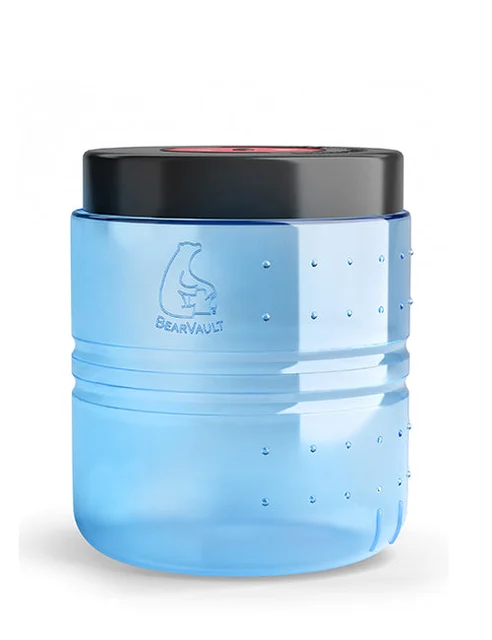
The wide-mouth, see-through canister that covers the most trips and the most trailheads without a tool or a fight.
Best for: Most backpackers most of the time: solo trips up to about five days, or a pair over a long weekend, anywhere hard-sided containers are required.
- Carries IGBC grizzly certification (listed as #5423), the baseline standard most western land managers point to
- Wide mouth and translucent walls mean you can see and reach your food, which owners consistently rate as the single biggest usability win
- Tool-free screw-on lid that unlocks by pressing a nub past a stopper, no coin or screwdriver required
- About 9.3 liters at roughly 2 lb 4 oz, a strong usable-volume-per-pound ratio for a hard-sided container
- The 8.7 inch diameter fits inside many larger packs rather than riding strapped to the outside
- Polycarbonate scratches and hazes over seasons, and a few owners report lid wear after heavy use
- At 10.5 inches tall it is awkward in short or narrow frameless packs
- The advertised 5 to 6 days assumes efficient repackaging; expect fewer days with bulky bars and freeze-dried pouches
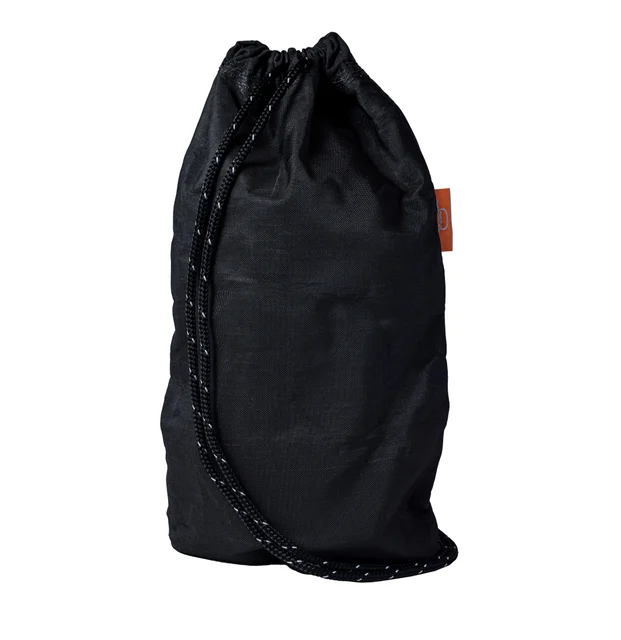
Under ten ounces of Kevlar-reinforced fabric that stops bears and rodents, if the place you are going accepts it.
Best for: Weight-conscious hikers on trails and in states that explicitly allow certified soft-sided bags, and anyone who wants rodent protection as well as bear protection.
- Weighs well under a pound, roughly a quarter of what a comparable hard canister weighs
- IGBC certified against bears, and the Kevlar layer also resists mice, raccoons, squirrels, and pine martens, the sharp-toothed animals that ruin many food bags
- Packs flat when empty and conforms to the shape of your pack instead of dictating it
- About 10.65 litres of capacity, more than most mid-size hard canisters
- Not accepted in many of the highest-traffic destinations, which specify hard-sided containers by name; you must check the land manager's list before you leave
- A bear can still crush and pulp the contents even when the bag holds, so fragile food comes out as crumbs
- Requires correct tying to a tree, which is a skill and a failure point that a canister does not have
- Owners report that the current closure design can leave small gaps, so an odor-proof liner bag inside is worth adding
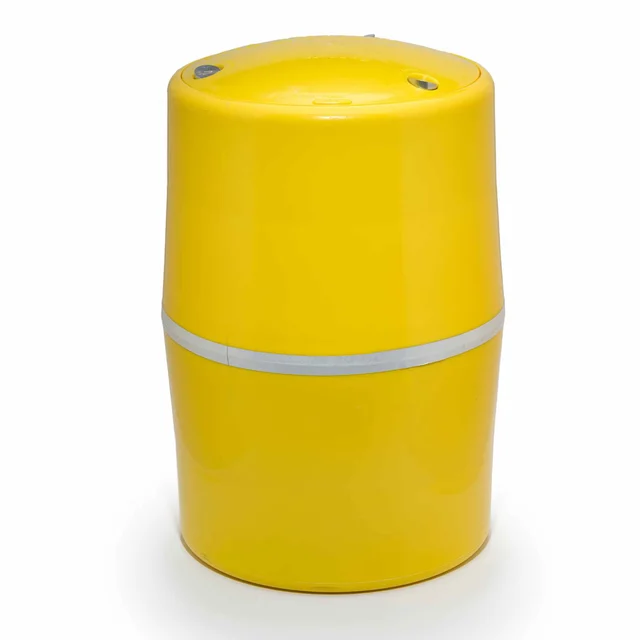
The most capacity and the toughest shell here, bought at a real cost in weight and bulk.
Best for: Canoe trips, horse packing, basecamps, short heavy-food trips for two, and anyone who values a container that will outlive several packs.
- Largest capacity in this group at about 11.7 litres, which Counter Assault rates at 3+ days of food for two people
- IGBC certified, and Counter Assault says it meets U.S. Forest Service food storage requirements
- Thick BPA-free ABS shell that owners report shrugging off years of abuse, drops, and bear chewing
- Stainless steel locks are simple and unlikely to strip
- About 3 lb 10 oz, which is over a pound heavier than the BV475 for only a modest capacity gain
- You need a coin or screwdriver to open it, which is a real annoyance in rain, gloves, or the dark
- At 13 inches by 9 inches it forces the pack layout around it and often rides on the outside
- Opaque walls mean digging blind for the snack at the bottom
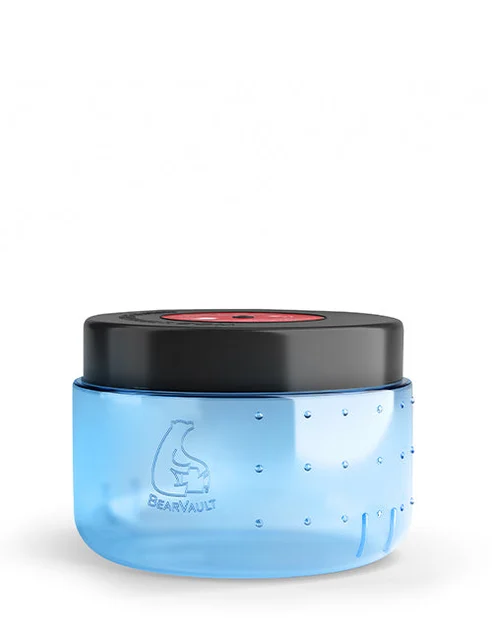
A well-made canister sized for a trip length most buyers do not actually take.
Best for: Genuinely short overnights, or as an add-on second container for a pair splitting a resupply.
- Same IGBC certification (listed as #5422) and same tool-free lid as its larger siblings
- Lightest hard canister in the family at about 1 lb 12 oz, and short enough to sit flat in a small pack
- Genuinely useful as a second canister when two people want to split a load
- About 5 litres, which realistically covers one to two days for one person before you are hanging the overflow
- Gives up close to half the volume of the BV475 to save only around eight ounces
- Most owners who buy it end up buying a larger canister within a season or two, so the saving is illusory
- Bear regulations usually require everything scented to fit inside, not just the food you could not carry otherwise
| Criteria | BearVault BV475 Trek Top pick | Ursack AllMitey | Counter Assault Bear Keg | BearVault BV425 Sprint |
|---|---|---|---|---|
| Verdict | Buy it | Buy it | It depends | Skip it |
| Best for | Most backpackers most of the time: solo trips up to about five days, or a pair over a long weekend, anywhere hard-sided containers are required. | Weight-conscious hikers on trails and in states that explicitly allow certified soft-sided bags, and anyone who wants rodent protection as well as bear protection. | Canoe trips, horse packing, basecamps, short heavy-food trips for two, and anyone who values a container that will outlive several packs. | Genuinely short overnights, or as an add-on second container for a pair splitting a resupply. |
| Price tier | $ · mid-range | $$ · premium | $ · mid-range | $ · budget |
| Type | Hard-sided polycarbonate canister | Soft-sided UHMWPE and Kevlar bag | Hard-sided ABS canister | Hard-sided polycarbonate canister |
| Usable volume | About 9.3 L | About 10.65 L | About 11.7 L | About 5 L |
| Weight | About 2 lb 4 oz | Under 10 oz | About 3 lb 10 oz | About 1 lb 12 oz |
| IGBC grizzly certification | Certified | Certified | Certified | Certified |
| Accepted where hard-sided containers are required | Yes | No, check the land manager's list | Yes | Yes |
| Opening and loading | Wide mouth, screw lid, no tool | Roll top and cord, must be tied to a tree | Wide mouth, needs a coin or screwdriver | Wide mouth, screw lid, no tool |
| Realistic trip length | Up to about 5 days solo | About 5 days solo where legal | About 3 days for two people | 1 to 2 nights solo |
| Price tier | $ · mid-range | $$ · premium | $ · mid-range | $ · budget |
Which one is right for you?
- Most backpackers most of the time: solo trips up to about five days, or a pair over a long weekend, anywhere hard-sided containers are required. Buy it BearVault BV475 Trek
- Weight-conscious hikers on trails and in states that explicitly allow certified soft-sided bags, and anyone who wants rodent protection as well as bear protection. Buy it Ursack AllMitey
- Canoe trips, horse packing, basecamps, short heavy-food trips for two, and anyone who values a container that will outlive several packs. It depends Counter Assault Bear Keg
- Genuinely short overnights, or as an add-on second container for a pair splitting a resupply. Skip it BearVault BV425 Sprint
How we judged the field
We do not run a bear-testing lab, and nobody should trust a review site that claims to. What we do is read across independent testing, published land-manager approval lists, and a large body of owner reports from multi-day trips, then weigh the factors that actually change outcomes in the field.
Legality came first. A container that is not accepted where you are going is dead weight regardless of how well it is made. IGBC certification is the baseline grizzly-resistance standard and every product here holds it, but certification is not the same as approval: parks, forests, and state agencies each publish their own lists, and several of the busiest destinations require hard-sided containers specifically. Regional lists are not always kept current, so the practical answer is to check the individual unit rather than assume a blanket list applies.
After that we looked at usable volume per pound, because marketing volume and packable volume are different numbers. A domed lid, a narrow mouth, or a squat profile all cost you capacity you paid for. Then loading and opening, which sounds trivial until it is raining, your hands are cold, and the lid needs a coin. Owners report skipping proper storage far more often over an annoying container than over a heavy one, and a container that never gets used is worse than one that is slightly heavier. Finally, durability across seasons: cracked lids, worn locks, and chewed fabric show up in long-term owner reports and matter more than a few ounces on the spec sheet.
The BV475 is the container that solves the most problems at once. It carries IGBC grizzly certification, it is hard-sided so it satisfies regulations written around rigid containers, and at roughly 9.3 litres for about 2 lb 4 oz it sits at a good point on the volume-to-weight curve for a canister you can actually buy off a shelf.
What owners keep coming back to is the interface. The screw-on lid opens without a tool, which sounds like a small thing and is not: reviewers who have used tool-opened canisters in bad weather describe the difference as the reason they store food properly every night instead of most nights. The translucent walls let you find the coffee without unpacking everything. The 8.7 inch diameter fits horizontally inside many larger packs, so it becomes part of the load rather than a lump strapped to the outside.
The drawbacks are real but small. Polycarbonate hazes and scratches over seasons, some owners report lid wear after heavy use, and 10.5 inches of height is genuinely awkward in short or frameless packs. The claimed 5 to 6 days assumes you repackage into bags and compress; carry factory pouches and rigid bars and you will get fewer. None of that changes the conclusion. If you want one container and you are not sure where you will use it, this is it.
The AllMitey is the only product here that changes how your pack feels. It weighs under ten ounces against the BV475’s two and a quarter pounds, holds more (about 10.65 litres), and packs flat when empty. That is not a marginal gain, it is a different category of carry.
The Kevlar layer is the part that earns the price. A plain bear bag stops bears and loses to rodents, and rodents are the animals that actually ruin food on most trips. The AllMitey resists both, which means you are not choosing between bear protection and mouse protection.
Two caveats decide whether it is right for you. The first is legal: many of the highest-traffic destinations require hard-sided containers by name, and no certification changes that wording. You have to check the land manager’s list, and if it says hard-sided, this bag stays home. The second is physical: a bear that works the bag can crush and pulp the contents even when the fabric holds, so anything fragile comes out as crumbs. It also has to be tied correctly to a tree, which is a technique and a failure point a canister does not have. Owners of the current closure design also note that small gaps can appear at the top, so an odor-proof liner inside is worth the few ounces.
Where it is allowed, though, it is the better piece of gear, and it is why it is our runner-up rather than a conditional pick.
The Bear Keg is the toughest and roomiest container in this comparison. About 11.7 litres of BPA-free ABS shell, IGBC certified, described by Counter Assault as meeting U.S. Forest Service food storage requirements, and reported by long-term owners to survive years of drops, chewing, and being sat on. The stainless steel locks are simple enough that there is very little to break.
The cost is weight and bulk. At roughly 3 lb 10 oz it is over a pound heavier than the BV475 for a capacity gain of about two and a half litres, which is a poor trade on foot. It measures 13 inches by 9 inches, so it dictates your pack layout and frequently ends up lashed outside. And it needs a coin or screwdriver to open, which is fine at a picnic table and irritating at 5 a.m. in the rain.
That makes this a use-case product rather than a general recommendation. If your food travels by canoe, raft, horse, or a short walk to a basecamp, the weight stops mattering and the durability and capacity start to. If you are covering serious mileage, the extra pound is the wrong pound to carry.
Nothing is wrong with how the Sprint is built. It shares the certification, the tool-free lid, and the transparency of its larger siblings, and at about 1 lb 12 oz it is the lightest hard canister in the family.
The problem is the sizing. About 5 litres covers one to two days of food for one person, and bear regulations typically require everything scented to go inside, not just the food you could not fit elsewhere: toiletries, sunscreen, trash, all of it. Once you account for that, the realistic window narrows to a single overnight. To get there you gave up close to half the volume of the BV475 and saved only around eight ounces, which is one of the worst trades in the category.
The pattern in owner reports is consistent: people buy the smallest canister to save weight, discover on their second or third trip that they cannot fit a full food load, and buy a bigger one. Buy the volume you need the first time. The Sprint makes sense only as a genuine one-nighter can, or as a second container when two people split a resupply.
BearVault BV475 Trek vs Ursack AllMitey: which should you buy?
This is a legality question before it is a gear question, so start there. Look up the park, forest, or wilderness area you are entering and find its current approved food storage list. If it requires a hard-sided container, the decision is made: buy the BV475. That covers a large share of the busiest backcountry destinations in the country, which is precisely why the BV475 is our overall pick.
If certified soft-sided bags are accepted where you go, the AllMitey is the better tool. You save well over a pound, you gain capacity, the bag disappears into your pack when empty, and you get rodent protection that no hard canister in this comparison offers as a bonus, since a canister already keeps mice out by being rigid. The trade is that you accept crushed contents in a worst case, you have to tie it properly every night, and you carry the mental overhead of confirming acceptance for every trip.
There is a third answer that many people land on: own the BV475 first, add the AllMitey later once you know your usual destinations allow it. The canister is the one that never gets you turned around at a permit desk, and it is the cheaper of the two. If you only buy one thing this season, buy the canister.
What to look for
- Approval, not just certification. IGBC certification is the filter you start with. The land manager’s current published list is the one that decides whether you can use it.
- Hard-sided versus soft-sided. If the regulation says hard-sided, a certified fabric bag does not qualify. Read the exact wording rather than the summary.
- Volume you will actually use. Budget roughly 1.5 to 2 litres per person per day, and remember toiletries, sunscreen, and trash have to fit too. Round up.
- Diameter before height. A narrower container is more likely to fit horizontally inside a larger pack. A wider one rides outside.
- How the lid opens. Tool-free lids get used every night. Coin-slot lids get skipped on the bad nights, which are exactly the nights that matter.
- Mouth width and transparency. A wide opening and see-through walls save real time and stop you unpacking the whole canister to find breakfast.
- Consider renting first. Ranger stations and outfitters near popular trailheads rent canisters cheaply, which is a sensible way to learn what size you need before you commit.
Our final take
Bear canisters reward a boring decision. The BearVault BV475 Trek is not the lightest or the toughest thing you can carry, but it is certified, widely accepted where hard-sided containers are required, sized for the trips most people actually take, and pleasant enough to use that it gets used. That combination is what keeps food stored properly, and stored food is the entire point.
The Ursack AllMitey is the upgrade worth making once you know your destinations accept it, and the pound and a half it saves is felt on every mile. The Counter Assault Bear Keg earns its place on water and at basecamp, where its weight stops being a penalty and its durability starts being an asset. The BearVault BV425 Sprint is the one to walk past unless your trips genuinely end after one night.
Whichever you pick, do the five minutes of homework on the current approved list for your destination. It is the cheapest part of this purchase and the only part that can make the rest of it worthless.
Questions, answered
Is IGBC certification enough to make a canister legal everywhere?
No. Interagency Grizzly Bear Committee certification is the widely recognised grizzly-resistance standard and it is the right first filter, but individual parks, forests, and state agencies publish their own approved container lists. Some of those lists require a hard-sided container and exclude certified soft-sided bags entirely. Others have historically excluded specific models after local incidents. Check the current list for the exact unit you are entering, ideally within a few weeks of your trip, because these lists change.
Can I use an Ursack where a bear canister is required?
Often not. The AllMitey is IGBC certified, but a large number of high-use destinations write their regulations around hard-sided containers, and a fabric bag does not satisfy that wording no matter what certification it holds. Ursack publishes an approval map and most land managers publish their own list; treat the land manager's list as the authority. If the regulation says hard-sided, carry a canister.
How much food actually fits in a bear canister?
Roughly 1.5 to 2 litres per person per day if you repackage into freezer bags and squeeze the air out, and noticeably less if you carry factory packaging and rigid bars. That puts a 9 litre canister at about five solo days and an 11.7 litre canister at about three days for two people. Remember that toothpaste, sunscreen, lip balm, trash, and anything else scented is usually required to go inside too, which eats capacity people forget to budget for.
Where do I put the canister at night?
On flat ground, well away from your tent and your cooking spot, and not near a cliff, a stream, or a steep slope where a bear can roll it somewhere you cannot retrieve it. Do not tie a rope to it or hang it, since that gives a bear leverage. Some heavily used areas provide metal food lockers at established sites, in which case use the locker.
Should I rent a canister instead of buying one?
Renting makes sense for a single trip, and many ranger stations and outfitters near popular trailheads rent hard-sided canisters cheaply. Buying wins once you expect two or three trips in bear country, or if you want a specific model rather than whatever is on the shelf. If you rent, confirm which model you will get, because rental fleets are often older heavy designs and you may want to reserve ahead in peak season.
Deciding between the top two? See our head-to-head: BearVault BV475 Trek vs Ursack AllMitey.
More Outdoors & Fitness reviews
 The Best Bear Spray: 4 Compared (and One to Skip)
  The Best Belay Devices: 4 Compared (and One to Skip)
  The Best Binoculars: 4 Compared (and One to Skip)
  The Best Bivy Sacks: 4 Compared (and One to Skip)
  The Best Camp Cooksets: 4 Compared (and One to Skip)
  The Best Camp Cutlery: 4 Compared (and One to Skip)