Explained
Winter Beanies, Explained
After reading, you'll understand how fibre, fineness, knit weight and lining decide whether a beanie keeps you warm and comfortable.
In this guide
Beanies are bought on colour and style, but warmth and comfort come from the fibre and the knit. Many listings do not say what the yarn is, and those that do rarely say how fine it is. Here is what to look for on the label.
The 30-second version
- Merino stays warm when damp, while acrylic holds sweat.
- Fibre fineness decides itch, and 18 to 20 microns is soft.
- Knit weight decides warmth, with double layers warmest.
- Ear bands matter, since ears get cold first.
- Thin beanies are for movement, not standing still in the cold.
The products this guide is about
Our verdict on each, with the full reasoning on the companion review.
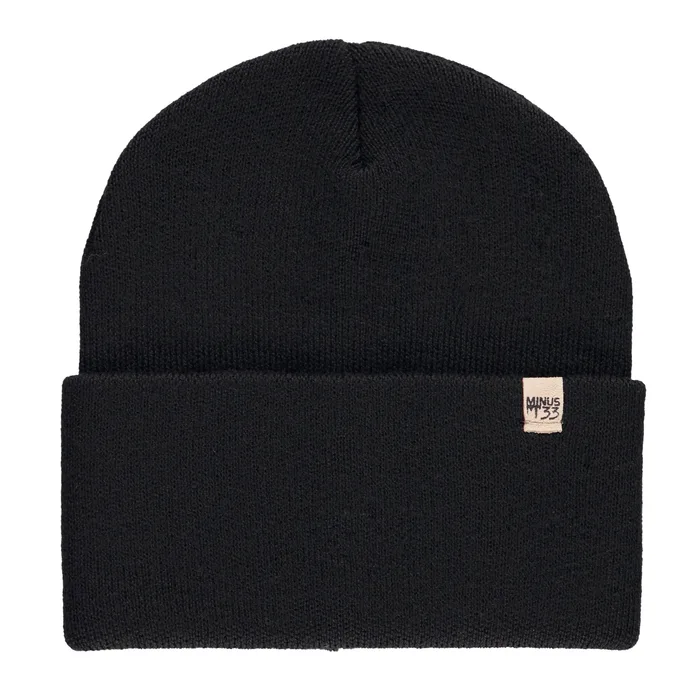
- Buy Minus33 Midweight Merino Wool Knit Cuff Beanie A double layer of 18.5-micron merino with the most complete spec sheet here.
- Buy Turtle Fur Lars Beanie A merino and acrylic knit with a micro fleece ear band for extra warmth over the ears.
- It depends Smartwool Merino Beanie A thin merino jersey beanie for running, skiing and wearing under a helmet.
- Skip Coal The Uniform Recycled Knit Cuff Beanie A popular, colourful cuffed beanie whose yarn content is not stated.
What actually matters
- Fibre - merino, acrylic or a blend. Merino handles sweat and damp better.
- Micron count - the diameter of wool fibres. Lower numbers feel softer.
- Knit weight - g/m² or a weight in ounces. Heavier knits are warmer.
- Layers and lining - double layers or fleece bands add warmth. They also add bulk.
- Fit - one size fits most is common. Check whether it covers your ears.
- Care - wool needs gentle washing. Heat can shrink it.
- Use - thin beanies for running and helmets, thicker knits for standing in the cold.
The specs, in plain English
Green flags vs red flags
Green flags
- Fibre percentages on the label.
- A micron count for merino.
- A stated fabric weight.
- Clear care instructions.
- A warranty or guarantee.
Red flags
- No fibre content at all.
- "Wool blend" without percentages.
- Different fibre names in different places on the page.
- No care instructions.
- Warmth claims with no knit or weight information.
Who's who: the brands
- Minus33 - A merino wool clothing brand known for publishing fibre and fabric weight details.
- Turtle Fur - A headwear brand known for fleece and fleece-lined knits.
- Smartwool - A merino wool brand known for socks, base layers and thin performance beanies.
- Coal - A headwear brand known for colourful cuffed beanies and caps.
How to read a listing without getting fooled
Start with the fibre content and look for percentages. For wool, look for a micron count and a fabric weight. Then check the lining, the fit notes and the care instructions. Finally, look for a guarantee or returns policy, and read fit comments if a beanie is one size.
How much should you spend?
Budget beanies are usually acrylic or recycled synthetic knits, fine for style and mild weather. Mid-range beanies add merino or merino blends, linings and clearer specs, which is the best value for winter. Premium beanies use fine merino, cashmere or heavy knits with published fibre details and last many seasons.
Questions, answered
Should a beanie cover my ears?
For winter warmth, yes. A deep cuff or a long body folds over the ears. Tall beanies can be worn slouchy or folded down to cover more.
Why do beanies stretch out?
Knits relax with wear, especially loose acrylic knits. Merino and blends with a little nylon or stretch recover better. Washing gently can help a knit regain some shape.
Is cashmere warmer than merino?
Cashmere is very soft and warm for its weight, but it is more delicate and expensive. Merino is tougher and handles sweat well. For everyday winter use, merino is the practical choice.
Do I need a different beanie for running?
Yes, a thin, breathable beanie is better when you are generating heat. A thick knit will make you sweat and then feel cold. Merino jersey is ideal.
Or jump to the head-to-head: Minus33 Midweight Merino Wool Knit Cuff Beanie vs Turtle Fur Lars Beanie.