

Outdoors & Fitness
The Best Snowshoes: 4 Compared (and One to Skip)
We compared four 2026 snowshoes across flat trails, rolling hills, and steep backcountry on traction, flotation, binding ease, and weight.
The short version
The MSR Lightning Ascent is our overall pick: its full-frame steel traction and steep heel-lift handle everything from mellow trails to icy backcountry, which is why it earns the flagship price. Most casual snowshoers, though, will be happier spending less on the Tubbs Flex TRK, a forgiving all-rounder that shines on rolling, packed terrain. The MSR Evo Trail is a smart, near-bombproof budget buy if your outings stay flat, but its single size and missing heel-lift hold it back on climbs. The Atlas Range-MTN is a good shoe undone by extra weight and a premium price the Lightning Ascent simply beats. Best for: matching the shoe to your steepest, deepest expected day, then buying the least aggressive model that still covers it.
Our picks at a glance
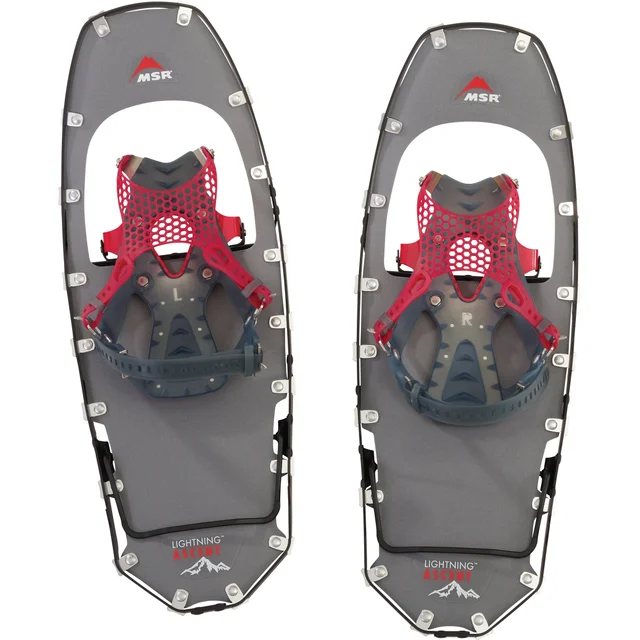
- MSR Lightning Ascent - Buy. The do-everything mountaineering snowshoe that grips steep, icy terrain most others slide on.
- Tubbs Flex TRK - Buy. A forgiving, easy-walking all-rounder that turns rolling winter trails into a relaxed day out.
- MSR Evo Trail - It depends. A tough, dead-simple budget unibody that quietly outperforms its price on flat and rolling ground.
- Atlas Range-MTN - Skip. A capable BOA-equipped mountain shoe that is genuinely good, but heavier and pricier than the class leader.
The verdict in 30 seconds
What mattered most
- Best terrain
- Traction on ice and sidehills
- Flotation in deep snow
- Binding
- Heel-lift bar for climbs
- Weight underfoot
Snowshoes look interchangeable until the trail tilts uphill or the snow gets deep, and then the differences show up fast. We synthesized independent testing and long-run owner reports to sort four current models by the terrain they actually suit. Two are easy recommendations, one is a smart budget pick with a real catch, and one is a good shoe that a better-value rival simply outperforms.
The do-everything mountaineering snowshoe that grips steep, icy terrain most others slide on.
Best for: Backcountry travelers, winter peak-baggers, and anyone regularly on steep or icy off-trail terrain
- 360-degree steel traction frame bites hard on sidehills and ice, not just straight ahead
- Updated Paragon binding is secure and easy to work with gloves on
- Steep heel-lift bar takes real strain off your calves on long climbs
- Modular flotation tails let you add float for deep powder
- Flagship price is a big step up from trail-focused shoes
- The aggressive frame is overkill, and a little clanky, on flat groomed paths
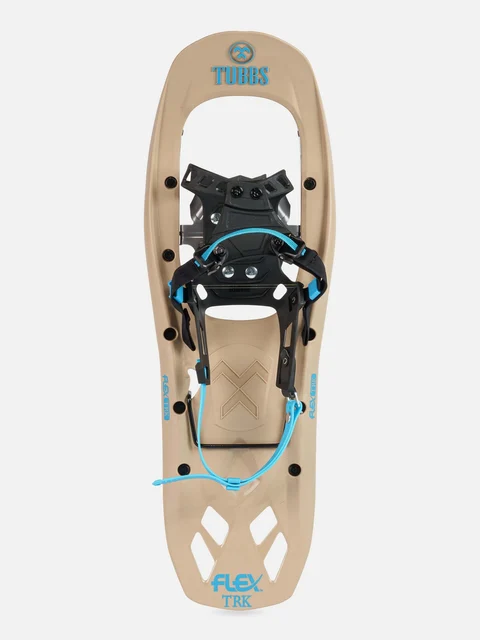
A forgiving, easy-walking all-rounder that turns rolling winter trails into a relaxed day out.
Best for: Beginner-to-intermediate day hikers on packed or rolling trails who want a comfortable, low-fuss ride
- Flex Tail deck absorbs shock and encourages a natural heel-to-toe roll
- Quick-Fit binding is fast to cinch and stays put, even in gloves
- Carries a high load rating for its deck size without add-on tails
- Genuinely friendly price for the build quality
- Traction is ample for rolling terrain but underpowered on steep ice
- Fixed length with no modular tails, so float is capped in deep snow
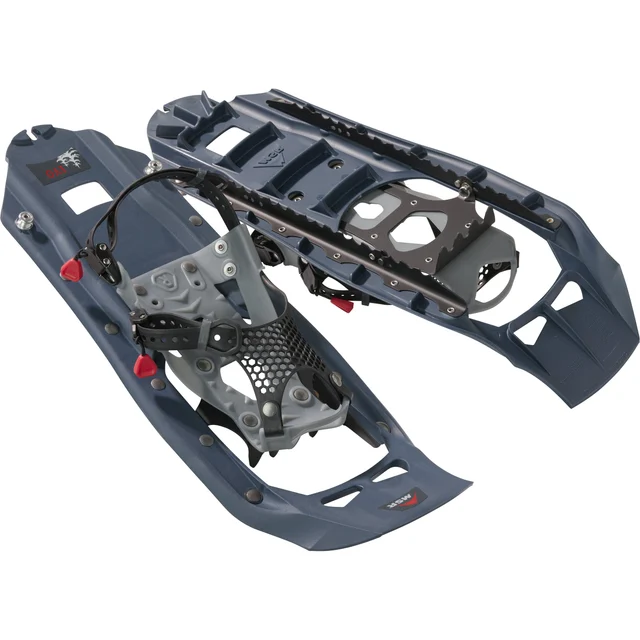
A tough, dead-simple budget unibody that quietly outperforms its price on flat and rolling ground.
Best for: Budget-minded beginners and casual outings on flat to gently rolling, packed terrain
- One-piece molded deck is close to indestructible and shrugs off abuse
- Steel traction rails and claws grip better than most budget shoes
- Among the easiest bindings to cinch of anything tested
- Optional add-on tails extend flotation when snow gets deep
- Sold in one size with a modest load limit before you add tails
- No heel-lift bar, so sustained steep climbs tire your calves
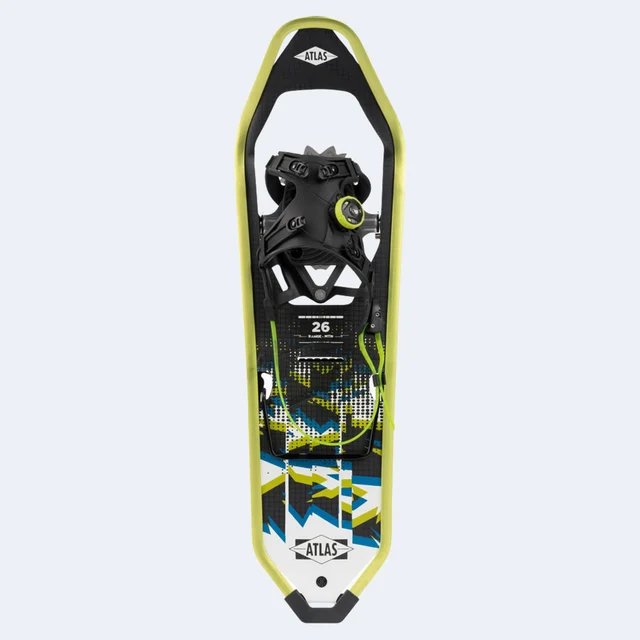
A capable BOA-equipped mountain shoe that is genuinely good, but heavier and pricier than the class leader.
Best for: Snowshoers who specifically prefer a cushioned, BOA-dial ride and do not mind the extra weight
- BOA dial binding gives quick, glove-friendly micro-adjustment
- Aggressive toe crampon bites confidently into hard pack
- Cushioned spring-loaded suspension smooths out the ride
- Heavier underfoot than rivals aimed at the same terrain
- The spring-loaded suspension can sling snow up your back on soft days
- Premium price for performance our top pick matches or beats
| Criteria | MSR Lightning Ascent Top pick | Tubbs Flex TRK | MSR Evo Trail | Atlas Range-MTN |
|---|---|---|---|---|
| Verdict | Buy it | Buy it | It depends | Skip it |
| Best for | Backcountry travelers, winter peak-baggers, and anyone regularly on steep or icy off-trail terrain | Beginner-to-intermediate day hikers on packed or rolling trails who want a comfortable, low-fuss ride | Budget-minded beginners and casual outings on flat to gently rolling, packed terrain | Snowshoers who specifically prefer a cushioned, BOA-dial ride and do not mind the extra weight |
| Price tier | $$$$ · flagship | $$ · mid-range | $ · budget | $$$ · premium |
| Best terrain | Steep, icy, off-trail | Rolling trails and packed snow | Flat to gently rolling | Mountain and mixed terrain |
| Traction on ice and sidehills | Excellent (full-frame) | Good for rolling terrain | Good for the price | Very good |
| Flotation in deep snow | Very good, expandable with tails | Good, fixed | Fair, expandable with tails | Good |
| Binding | Paragon strap, secure | Quick-Fit strap, fast | Simple strap, very easy | BOA dial, micro-adjust |
| Heel-lift bar for climbs | Yes | Yes | No | Yes |
| Weight underfoot | Light for a mountain shoe | Light | Moderate | Heavier than rivals |
| Durability | Excellent | Very good | Excellent (near bombproof) | Very good |
| Price tier | $$$$ · flagship | $$ · mid-range | $ · budget | $$$ · premium |
Which one is right for you?
- Backcountry travelers, winter peak-baggers, and anyone regularly on steep or icy off-trail terrain Buy it MSR Lightning Ascent
- Beginner-to-intermediate day hikers on packed or rolling trails who want a comfortable, low-fuss ride Buy it Tubbs Flex TRK
- Budget-minded beginners and casual outings on flat to gently rolling, packed terrain It depends MSR Evo Trail
- Snowshoers who specifically prefer a cushioned, BOA-dial ride and do not mind the extra weight Skip it Atlas Range-MTN
How we judged the field
We do not run our own snow lab. Instead we synthesized independent testing and a large pool of owner reports from full winters of use, then weighted the criteria that actually decide whether a day out is fun or miserable. Traction came first: how confidently a shoe holds a firm sidehill or an icy slope, not just flat ground. Flotation was next, because a shoe that sinks in deep powder cancels out every other virtue. From there we looked at binding ease with gloves on, the presence of a heel-lift bar for climbs, weight underfoot over a long day, and long-term durability. Finally we matched each shoe to the terrain it was built for, because the best snowshoe is the one that fits your steepest, deepest expected outing, not the most aggressive model on the shelf.
This is the shoe reviewers and owners reach for when the terrain gets serious. Its defining feature is a full-perimeter steel frame that acts as one long crampon, so it bites on sidehills and icy traverses where flat-decked trail shoes skate. The steep heel-lift bar meaningfully reduces calf fatigue on long climbs, and the updated Paragon binding fixed the fiddliness that owners flagged on older versions. It is light for how capable it is, and modular tails let you add flotation for deep days. The catch is cost and intent: it is a flagship price, and on flat groomed trails all that traction is overkill and feels slightly clanky. Buy it if your winters include steep, off-trail, or icy ground; it will handle everything below that with ease.
The Flex TRK is the shoe most people should actually look at first. Its Flex Tail deck flexes and rolls with your stride, absorbing shock and making long, rolling days feel easier on the joints, which owners with knee or ankle sensitivity single out for praise. The Quick-Fit binding is fast to cinch and stays secure with gloves on, and for its deck size it carries an unusually high load rating. Traction is well judged for rolling and packed terrain, though it is the one area where it gives ground to the Lightning Ascent: there is plenty of bite for intermediate trails, but steep ice asks for something more aggressive. At a mid-range price, it delivers most of the real-world enjoyment of shoes costing far more.
The Evo Trail is a deservedly popular budget shoe, and whether it is right for you hinges almost entirely on your terrain. The molded one-piece deck is close to indestructible, the steel traction rails grip better than most shoes at this price, and the binding is among the simplest and fastest to use of anything we looked at. Owners routinely keep them for years. The limits are real, though: it comes in a single size with a modest load rating until you buy add-on tails, and there is no heel-lift bar, so sustained steep climbs will work your calves. If your outings stay flat to gently rolling and packed, it is an easy, high-value buy; if you expect deep snow or real climbing, budget for the tails or step up a class.
The Range-MTN is not a bad snowshoe, which is exactly why it is a careful skip rather than an outright avoid. It has genuine strengths: a BOA dial binding that micro-adjusts quickly with gloves on, an aggressive toe crampon that bites hard pack, and a cushioned spring-loaded suspension some owners love. The problem is the competition it is priced against. It runs heavier underfoot than rivals built for the same mountain terrain, its spring-loaded suspension can sling snow up your back on softer days, and it asks a premium price for performance the Lightning Ascent matches or beats while weighing less. Unless you specifically prefer its cushioned, BOA-dial feel, your money goes further elsewhere.
MSR Lightning Ascent vs Tubbs Flex TRK: which should you buy?
These two frame the real decision, because most buyers are choosing between all-terrain capability and easygoing trail comfort. The Lightning Ascent is the more capable shoe by a clear margin: full-frame traction, a steep heel-lift, and expandable flotation mean it never runs out of terrain, from mellow paths to icy backcountry. The Tubbs Flex TRK is the more pleasant shoe on the ground most people actually cover: it flexes with your stride, is quick to strap on, and costs a fraction as much. The deciding question is not which is better but where you will walk. If steep, icy, or off-trail days are part of your winter, pay for the Lightning Ascent and enjoy that it handles everything below that too. If your snowshoeing is rolling trails, packed paths, and the occasional hill, the Flex TRK gives you most of the fun and keeps the difference in your pocket.
What to look for
- Match traction to terrain. Full-frame steel traction earns its keep on ice and sidehills; on flat, packed trails a trail-grade crampon is plenty.
- Size for flotation, not shoe size. Base the deck length on your loaded weight and the softness of the snow, and favor models that accept add-on tails.
- Check for a heel-lift bar if you plan to climb; it is a small feature that saves your calves on sustained ascents.
- Test the binding with gloves on. Pull-strap and BOA-dial systems that you can work without bare hands are worth a lot in real cold.
- Weigh weight against durability. A near-bombproof molded deck is great value; an ultralight mountain frame is worth it only if you cover the terrain that needs it.
- Consider poles. Adjustable poles with snow baskets add balance on climbs and traverses and take load off your legs.
Our final take
There is no single best snowshoe, only the best match for your steepest, deepest expected day. The MSR Lightning Ascent is our overall pick because it is the one shoe here that never runs out of terrain, and it justifies its flagship price for anyone heading into steep or icy country. But most people are not those people, and the Tubbs Flex TRK is the smarter buy for rolling trails, delivering comfort and speed of use for far less. The MSR Evo Trail is the value play when outings stay flat, provided you accept its single size and missing heel-lift. The Atlas Range-MTN is the one to pass on: a good shoe that a lighter, similarly priced rival simply outperforms. Buy the least aggressive model that still covers your hardest day, and you will have made the right call.
Questions, answered
How do I choose the right snowshoe size?
Size is mostly about flotation, which depends on your loaded body weight (you plus pack and winter layers) and the snow you expect. Heavier loads and deeper, softer powder need a longer deck or add-on tails; packed trails let you get away with a shorter, more maneuverable shoe. Manufacturers publish weight ranges per size, and several models here accept modular tails so you can add float only when you need it.
Do I really need aggressive traction, or is a trail shoe enough?
It comes down to terrain. On flat to rolling, packed trails, a trail-oriented shoe like the Tubbs Flex TRK or MSR Evo Trail has plenty of bite. Once you regularly cross steep sidehills or firm, icy slopes, the full-frame traction on the MSR Lightning Ascent is a noticeable safety upgrade. Buying more traction than your terrain demands mostly adds cost and a slightly clunkier feel on easy ground.
What is a heel-lift bar and does it matter?
A heel-lift bar (sometimes called a climbing bar or televator) is a small bar you flip up under your heel on sustained climbs. It props your heel higher so your calf and Achilles do not stretch and fatigue as much going uphill. On long or steep ascents it is a real comfort feature; on flat outings you will never touch it, which is part of why the flat-focused Evo Trail leaves it out.
Are snowshoe bindings hard to use in the cold?
Modern bindings are much easier than older ratchet-and-strap designs. Owner reports consistently praise the pull-strap systems on the Evo Trail and Tubbs Flex TRK for being quick with gloves on, while the Atlas Range-MTN uses a BOA dial you twist to tighten. The main thing to check is whether you can operate it without removing your gloves, since bare hands in deep cold are the real enemy.
Should I buy snowshoes with poles?
Poles are not required, but most snowshoers find adjustable poles with snow baskets add balance and take load off the legs, especially on climbs, descents, and traverses. Many models are sold as a kit with poles or let you add them separately. If you already own trekking poles, you usually just need to swap on winter snow baskets rather than buy a dedicated set.
Deciding between the top two? See our head-to-head: MSR Lightning Ascent vs Tubbs Flex TRK.
More Outdoors & Fitness reviews
 The Best Trail Cameras: 4 Compared (and One to Skip)
  The Best Two-Way Radios: 4 Compared (and One to Skip)
  The Best 2-Person Backpacking Tents: 4 Compared (and One to Skip)
  The Best Backpacking Water Filters: 4 Compared
  The Best Winter Beanies: 4 Compared (and One to Skip)
  The Best Bear Canisters: 4 Compared (and One to Skip)