Explained
Weekender Bags, Explained
After reading, you'll understand how to compare weekender bags on capacity, weight, organization and airline fit without trusting marketing photos.
In this guide
Weekender bags look alike in photos, which is why first-time buyers get caught out. A bag that looks roomy may hold 25 liters, and one that looks sleek may weigh twice as much as a rival. Makers also use carry-on and personal item loosely. Knowing a handful of specs lets you compare bags on what you will actually feel at the airport.
The 30-second version
- Liters tell you trip length, with roughly 40 to 50 liters suiting two to four nights and about 25 liters suiting one or two.
- Empty weight is a hidden cost, because every pound of bag is a pound of clothing you cannot pack under a weight limit.
- Depth decides carry-on fit, and many soft weekenders list a depth beyond common 9-inch airline limits.
- A trolley sleeve matters more than it sounds, since many people carry a weekender on top of a roller.
- Warranty terms vary widely, from a 45-day defect guarantee to a limited lifetime warranty.
The products this guide is about
Our verdict on each, with the full reasoning on the companion review.
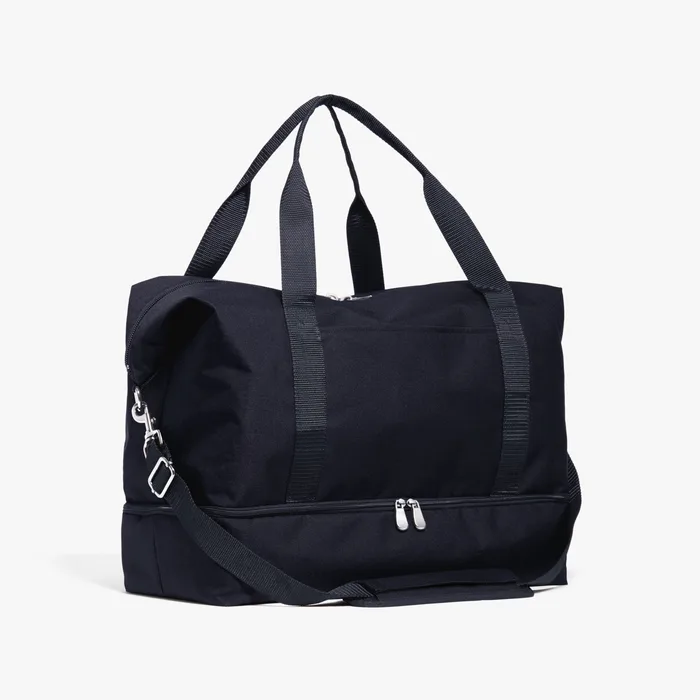
- Buy Lo & Sons Catalina Deluxe Large The original shoe-compartment weekender, still the best balance of stated capacity, low weight and smart details.
- Buy BEIS The Weekender A structured 42-liter weekender with a padded 16-inch laptop pocket and a bottom compartment that unzips into the main space.
- Buy Stubble & Co Kit Bag 40L A waterproof 40-liter duffel with backpack straps, a 16-inch padded laptop compartment and a separate shoe pocket.
- It depends CALPAK Luka Duffel A light, puffy 25-liter personal-item duffel with nine pockets and a shoe compartment, sized for under the seat.
- It depends Herschel Supply Co. Herschel Novel Duffle (43L) A simple, light 43-liter duffel with a shoe compartment and a lifetime warranty, but no laptop or trolley sleeve. Amazon
- Skip Monos Metro Weekender A well-finished weekender that weighs more and holds less than every other bag here, at the highest price.
What actually matters
- Capacity - Makers state volume in liters, and it is the best single guide to how many nights a bag covers. Compare liters rather than how big a bag looks in a lifestyle photo.
- Empty weight - A light bag leaves more of your airline allowance for clothes. Differences of two pounds or more are common between bags of similar size.
- Shoe compartment - A separate, lined compartment keeps dirty soles away from clean clothes. A removable insert makes it much easier to clean.
- Laptop sleeve - A padded sleeve with a stated laptop size protects a computer and saves carrying a second bag. If the page does not list one, assume there is none.
- Trolley sleeve - This strap or pass-through slides over a roller handle so the bag rides on your suitcase. Some double as a zip pocket when not in use.
- Carry options - Handles, a padded shoulder strap or backpack straps change how far you can comfortably walk. Backpack carry is the most comfortable over distance.
- Warranty - Stated coverage is the clearest signal of how long a maker expects the bag to last. Zippers and strap anchors are what usually fail.
The specs, in plain English
Green flags vs red flags
Green flags
- The maker states capacity in liters and empty weight in pounds or kilograms.
- Dimensions are listed for height, width and depth, not just a vague carry-on claim.
- The shoe compartment is lined or has a removable insert.
- A padded laptop sleeve is listed with a specific laptop size.
- A warranty term of a year or more is stated on the product page.
Red flags
- No stated weight, or only shipping weight.
- Depth well beyond 9 inches on a bag sold as carry-on size.
- Volume figures that conflict between different parts of the same page.
- Coverage limited to items that arrive broken or defective.
- Photos that show the bag only in lifestyle shots with no plain product view.
Who's who: the brands
- Lo & Sons - Known for the Catalina weekender line, which helped popularize the bottom shoe compartment.
- BEIS - Known for structured travel bags with laptop pockets and convertible compartments.
- CALPAK - Known for puffy, colorful duffels and luggage, including personal-item sized bags.
- Herschel Supply Co. - Known for simple duffels and backpacks backed by a limited lifetime warranty.
- Stubble & Co - A UK brand known for waterproof recycled-fabric bags that convert between carry styles.
How to read a listing without getting fooled
Start with the spec block, not the photos. Find capacity in liters, empty weight and all three dimensions, then compare depth against your airline's published carry-on limit. Read the feature list for exactly what is included: a laptop sleeve should come with a stated size, and a trolley sleeve should be named, not implied by a photo. Check whether the weight includes the shoulder strap or accessories. Finally, scroll to the warranty or guarantee section and note whether it covers defects for a year, several years or only on arrival.
How much should you spend?
Most good weekenders sit in the mid-range tier, where you get stated capacity, a shoe compartment, a trolley sleeve and often a laptop pocket. Budget bags can work for car trips but often skip stated specs, padding and warranty terms. Premium bags tend to add finishes, vegan leather trim and matching luggage looks, and as this comparison shows, paying more does not guarantee more capacity or less weight. Spend on the features you will use every trip, not on the badge.
Questions, answered
How many liters do I need for a weekend trip?
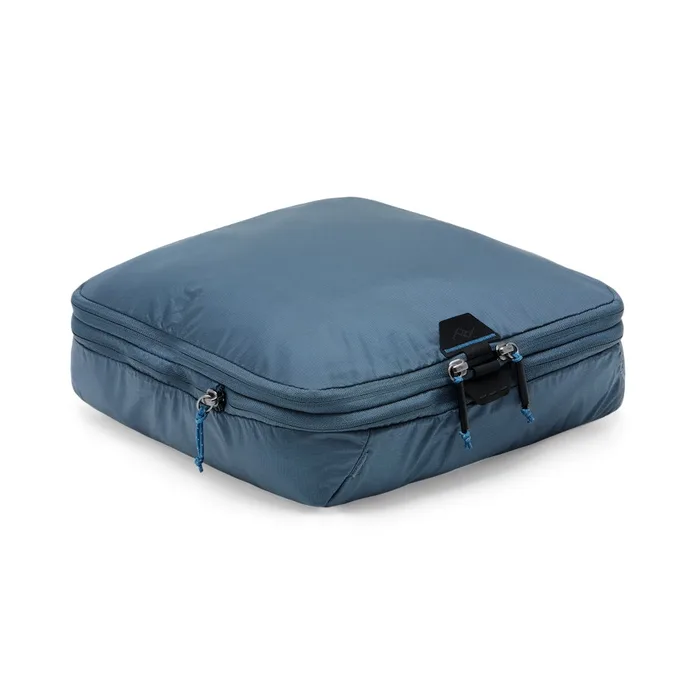
For two to four nights, around 40 to 50 liters suits most people. A one or two night trip fits in about 25 liters if you pack light. If you bring bulky shoes or cold-weather layers, size up. Packing cubes help you use whatever volume you buy.
Is a backpack-style weekender better than a tote?
It is better if you walk far, take trains or use stairs, because your back carries the weight evenly. A tote-style weekender is easier to pack and unpack and looks tidier. If you mostly roll a suitcase, a tote with a trolley sleeve is more convenient.
Can I wash a weekender bag?
It depends on the material and the maker's care instructions. Several bags in this comparison, including the BEIS Weekender, are listed as spot clean only. Machine washing a bag that is not meant for it can damage padding, coatings and zippers. Always follow the care label on your specific bag.
What does expandable mean on a weekender?
An expandable bag has an extra zipper that releases more fabric to increase depth, often by an inch or two. It adds room for the trip home. Expanding can push a bag past airline size limits, so zip it back for flights with strict rules.
Or jump to the head-to-head: Lo & Sons Catalina Deluxe Large vs BEIS The Weekender.