Explained
Soda Makers, Explained
After reading this, you will know which CO2 cylinder system you are committing to, how carbonation is actually controlled, and which machine features matter for the drinks you want to make.
In this guide
A soda maker turns cold tap water into sparkling water in seconds by pushing pressurized CO2 gas into a sealed bottle. The machine on the counter is the small half of the decision. The bigger half is the gas cylinder system it uses, because that is what you keep buying for as long as you own it, and switching later usually means buying a new machine.
The 30-second version
- The cylinder system is the real purchase, because the gas is a recurring cost and the connector type decides whether you can shop around for refills or stay inside one brand's program.
- Standard screw-in gives you options, proprietary gives you speed, so pick based on how easy refills are where you live rather than on which connector sounds more modern.
- Most machines carbonate plain water only, and you flavor it afterward. Only machines built with a pressure-release infuser are meant to fizz juice, tea, or cocktails, and those need more cleaning.
- Fizz level is set by you, not by a dial on most machines, since manual models carbonate in bursts you count yourself, while electric models offer preset levels at the touch of a button.
- Pods and syrups are a second recurring cost, so a machine that ties you to branded flavors can end up costing more over time than the gas it uses.
The products this guide is about
Our verdict on each, with the full reasoning on the companion review.
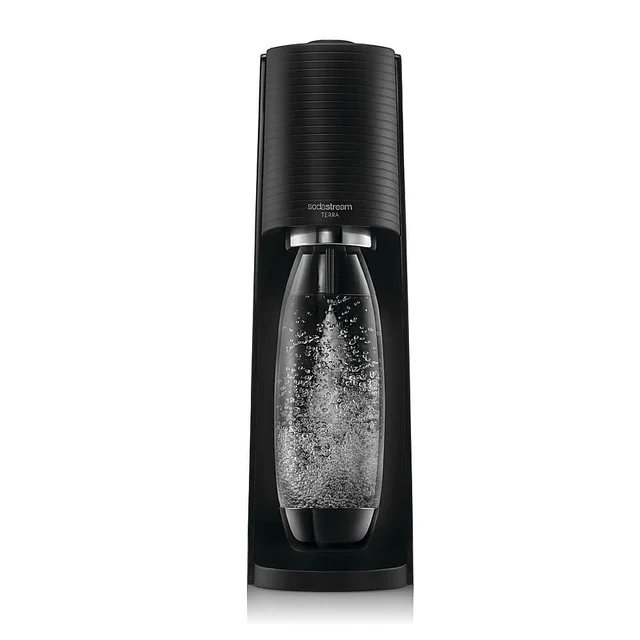
- Buy SodaStream Terra The no-drama default: fast Quick Connect cylinders, reliable fizz, and the easiest refills to find anywhere.
- Buy Aarke Carbonator 3 The design-forward, all-metal machine that also happens to use the flexible standard screw-in cylinders.
- It depends Drinkmate OmniFizz The only one here that carbonates anything - juice, tea, cocktails, even flat soda - if you accept the cleanup.
- Skip Ninja Thirsti Drink System A clever flavored-drink station, but it locks you into both proprietary pods and proprietary canisters.
What actually matters
- Cylinder connector type: machines take either a standard screw-in cylinder or a brand-specific quick-connect cylinder, and the two are not interchangeable. This single spec determines your refill freedom for the life of the machine.
- Refill availability near you: exchanging an empty cylinder is only convenient if a participating store, mail-in program, or refill shop is realistic for you. A cheaper machine on a system you cannot easily refill is a false saving.
- Carbonation strength and consistency: the point of the machine is bubbles that stay lively in the glass. Owner reports and independent testing consistently separate machines that hold their fizz from ones that go flat quickly.
- Manual or electric operation: manual machines need no outlet and let you feel the carbonation happen, while electric machines add preset fizz levels and repeatability at the cost of a plug and more parts.
- What it can carbonate: water-only machines are simpler and easier to clean. Carbonate-anything machines open up juice, iced tea, and cocktails, but every sugary or pulpy drink means disassembly and washing afterward.
- Bottle type and rules: plastic carbonating bottles are pressure-rated and carry an expiry date, many are hand-wash only, and glass carafes only work on machines designed for them. Check before you assume the dishwasher is an option.
- Flavor approach: a plain water carbonator lets you use any syrup, juice, or citrus you like. A pod system is tidier but locks your flavor spending to one brand alongside the gas.
The specs, in plain English
Green flags vs red flags
Green flags
- The listing states the exact cylinder type the machine takes, and that type is one you can refill or exchange conveniently where you live
- Standard screw-in compatibility if you want the widest choice of refills and third-party cylinders
- A spare cylinder included or available, which is the simplest cure for running out of gas mid-week
- Clear labeling on the bottles, including whether they are dishwasher-safe and whether a glass carafe option exists
- A simple mechanism with few consumables, so your only ongoing purchase is gas rather than gas plus branded flavor packs
- Consistent owner reports over months that the carbonation stays strong rather than fading after the novelty period
Red flags
- A proprietary cylinder with a single exchange channel and no third-party or refill alternative
- A machine that pairs a closed cylinder system with closed flavor pods, which locks both of your recurring costs to one brand
- Marketing that emphasizes flavor variety while staying vague about carbonation strength
- No mention of the cylinder type at all, which usually means you find out about the lock-in after the box is open
- Instructions or owner reports suggesting the bottle is hand-wash only when you expected to run it through the dishwasher
- Claims that a water-only machine can carbonate juice, which invites overflow, mess, and a machine that needs deep cleaning
Who's who: the brands
- SodaStream - The category's default name, with the broadest cylinder exchange and refill network and a lineup split between older screw-in machines and newer Quick Connect models.
- Aarke - Design-led Swedish brand known for stainless-steel manual carbonators that use standard screw-in cylinders, sold at a premium for materials and looks.
- Drinkmate - Built around a pressure-release infuser so its machines can carbonate juice, tea, wine, and cocktails, not just water, using standard screw-in cylinders.
- Ninja - Kitchen-appliance maker whose drink system is a pod-based flavored-drink station, using its own flavor pods and its own CO2 canister rather than a common standard.
How to read a listing without getting fooled
Find the cylinder line in the spec sheet before you look at anything else, and make sure it names either a standard screw-in cylinder or a specific quick-connect system, because a listing that only says "CO2 cylinder included" is hiding the decision that matters most. Read the liter rating as a best case rather than a promise, since stronger fizz and daily use shorten it considerably. Check what the machine is rated to carbonate: if the listing never claims anything beyond water, assume water only, no matter how appealing the photo of a fizzy cocktail looks. Next, read the bottle details carefully for the words dishwasher-safe, glass, and expiry, since all three are common surprises after purchase. Finally, separate the machine's sticker price from the shape of its running cost, and count how many different branded consumables it needs. One (gas) is normal. Two (gas plus pods) means every drink you make keeps a second meter running.
How much should you spend?
How much to spend depends far less on the machine than on what it commits you to afterward. Entry-level manual carbonators from established brands already deliver strong, consistent bubbles, which is why the cheapest reliable machine on a widely supported cylinder system is the right answer for most households, and why the payback against buying bottled sparkling water arrives quickly if you drink it regularly. The mid-range mostly buys capability rather than better fizz: electric presets, or the ability to carbonate drinks other than water. Pay that only if you will genuinely use it, because both add parts to clean. The premium tier buys materials and design, notably all-metal construction that looks and feels built to last a decade, and that is a legitimate reason to spend more if the machine lives on an open counter. What is rarely worth it is paying a mid-range price for a closed system that requires both brand-locked gas and brand-locked flavor pods, since the ongoing flavor spending can quietly outgrow everything else you spend on the hobby. Budget for a spare cylinder from the start, whatever tier you choose.
Questions, answered
Are CO2 cylinders interchangeable between soda maker brands?
Only within a connector type. Machines fall into two camps: those that take standard threaded screw-in cylinders, which accept a wide range of refills and third-party options, and those that take a proprietary quick-connect cylinder that fits only that brand's machines. A quick-connect cylinder will not physically attach to a screw-in machine or the reverse, so decide which camp you are joining before you buy, not after.
What is the difference between exchanging and refilling a cylinder?
Exchanging means handing over an empty cylinder and receiving a filled one, either at a participating store or through a mail-in program, and you pay for the gas rather than the metal. Refilling means having your own cylinder topped up, which gas and welding suppliers can often do for standard threaded cylinders. Exchange is faster and more widely available. Refill keeps your options open and tends to be the cheaper route if a supplier is convenient for you.
How do I control how fizzy the water is?
On a manual machine you carbonate in bursts and count them, so one or two short presses gives lightly sparkling water and more presses gives an aggressive fizz. You will hear a buzzing release sound when the bottle is saturated, which is your signal to stop. Electric machines replace the counting with preset fizz levels. Either way, start colder: cold water absorbs CO2 far better than room-temperature water, so chilling your water first is the easiest way to get stronger bubbles from the same amount of gas.
Can I put juice, tea, or cocktails in a soda maker?
Only in a machine designed for it. Standard water carbonators are built to fizz plain water, and pouring juice or another drink in can cause foaming, overflow, and a mess inside the machine. Machines with a pressure-release infuser are the exception and are meant to carbonate any cold liquid. The trade-off is cleanup: anything sugary or pulpy means taking the infuser and bottle apart and washing them properly after every use.
Can I put the bottles in the dishwasher, and why do they expire?
Only if the bottle is explicitly labeled dishwasher-safe, and even then it usually belongs on the lower rack away from the heating element. Many carbonating bottles are hand-wash only, since heat can deform the plastic. Plastic bottles carry a printed expiry date because repeated pressure cycles gradually weaken the plastic, and an expired bottle should be retired from carbonating even though it can still hold still drinks. Glass carafes, on machines that accept them, have no expiry date as long as they stay free of cracks and chips.
Do I have to buy the brand's flavor pods or syrups?
Not with a plain water carbonator. Once the water is fizzy you can flavor it with any syrup, a splash of juice, a squeeze of citrus, or nothing at all, which keeps your running cost to gas alone. Pod-based drink systems are different by design: the flavors are the product, so you are committing to buying them alongside the gas. If keeping long-term cost low and your choices open matters to you, favor a machine that just makes sparkling water well.
Or jump to the head-to-head: SodaStream Terra vs Aarke Carbonator 3.