Explained
Scalp Massagers, Explained
After reading this you'll know which type of scalp massager fits your routine and how to avoid paying extra for features that don't help.
In this guide
A scalp massager is a simple tool with two honest jobs: working shampoo into a lather and giving your scalp a relaxing rub without tugging hair. The category ranges from cheap silicone brushes to battery-powered LED gadgets to metal 'octopus' tinglers, and the marketing makes them sound far more different than they are. What trips buyers up is assuming pricier or more high-tech means better, when in this category the cheapest tools usually win.
The 30-second version
- A simple silicone brush is enough for most people. It lathers shampoo, feels relaxing, and works in the shower, which is where you actually want it.
- Water resistance is the single most important spec. If you'll use it while shampooing, choose a tool made for wet use, because many electric models can't get wet.
- Electric vibration is a nice-to-have, not a need. Motorized combs feel pleasant on a dry scalp but usually can't come in the shower and cost more.
- LED 'light therapy' claims are marketing. Red and blue lights on a scalp gadget are not a proven benefit, so don't pay a premium for them.
- The metal wire tingler is a novelty. It gives a brief shiver but doesn't massage muscle or clean the scalp.
The products this guide is about
Our verdict on each, with the full reasoning on the companion review.
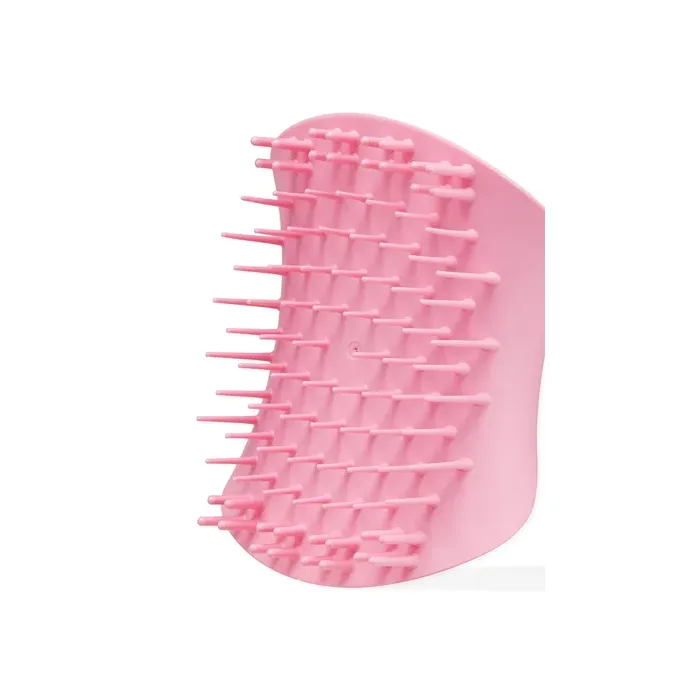
- Buy Tangle Teezer The Scalp Exfoliator & Massager A cheap dual-teeth palm brush that works in the shower or on dry hair and quietly does everything most people need. Amazon
- Buy Pete & Pedro Scalp Massager Shampoo Hair Brush A sturdier silicone shampoo brush with a firm knob handle that stays put when your hands are soapy. Amazon
- It depends Prospera Head and Scalp Massager A battery-powered vibrating LED comb that's pleasant for dry-chair relaxation but wrong for the shower.
- Skip LiBa Scalp Massager The metal 'octopus' wire tingler gives a brief shiver and does little else. Amazon
What actually matters
- Water resistance - decides whether you can use it while shampooing, the moment most people actually reach for a scalp massager. Silicone tools made for wet use live in the shower; many electric gadgets can't.
- Nub or bristle feel - softer nubs are gentler and still lather well; firmer nubs exfoliate and move product better but can be too intense for a sensitive scalp. Match it to your skin.
- Grip when wet - a handle, knob, or strap matters far more than it sounds once your hands are covered in suds and the tool wants to slip.
- Build and durability - one-piece silicone holds up well; thin metal wires bend out of shape and battery-powered gadgets add a failure point.
- Ease of cleaning - a tool you can rinse and air-dry won't trap product or grow mildew, which matters for something used wet and daily.
- Honest value - the price gap between tools in this category is not matched by a performance gap, so a higher price usually buys branding or a gadget, not results.
The specs, in plain English
Green flags vs red flags
Green flags
- Made for wet use so it can live in the shower and rinse clean quickly
- One-piece silicone (or silicone plus a solid back) that air-dries without trapping gunk
- A knob, handle, or strap that keeps a secure grip when your hands are soapy
- Rounded nubs that feel soothing rather than scratchy
- A modest price that matches what the tool actually does
Red flags
- Marketed mainly on LED 'therapy' lights or vague scalp-health claims
- An electric device that isn't rated for water but is pitched for shampooing
- Thin metal wires that bend easily and can tangle longer hair
- A premium price for what is essentially a generic silicone brush
- Hard-to-clean crevices or fabric parts that will trap product and moisture
Who's who: the brands
- Tangle Teezer - Detangling-brush maker whose Scalp Exfoliator & Massager is a cheap dual-teeth palm brush for wet or dry use.
- Pete & Pedro - Men's grooming brand; its scalp brush is a sturdier silicone tool with a grippy knob handle, though it's a unisex product.
- Prospera - Personal-care gadget maker; offers battery-powered vibrating LED combs aimed at dry-scalp relaxation rather than shower use.
- LiBa - Budget brand; sells the classic metal 'octopus' wire tingler as an inexpensive novelty.
How to read a listing without getting fooled
Start with the type, because it tells you almost everything: 'silicone shampoo brush' means cheap, shower-ready, and reliable, while 'electric', 'vibrating', or 'LED' means more money and usually dry-use only. Next, hunt for a clear water-resistance statement; if a listing avoids saying a tool is fully waterproof but shows it being used in a shower, assume it isn't. Read the nub description for firmness cues ('soft', 'gentle' versus 'firm', 'deep') and match that to your scalp's sensitivity. Treat feature words like 'light therapy', 'ionic', or 'scalp rejuvenation' as marketing rather than proof, and weigh owner reports about whether wires bend, batteries die, or the tool slips in wet hands over the glossy feature list.
How much should you spend?
This is a category where spending more rarely gets you more. The best-performing tools are among the cheapest, so a budget silicone brush is the sensible default and covers what most people need. Stepping up a little can be worth it for a genuinely sturdier build, firmer nubs, or a better wet-hand grip, but understand you're paying for feel and durability, not fundamentally better cleaning or massage. Be most skeptical at the top of the range: extra cost there usually goes to batteries, LED lights, and branding rather than results, so let a specific need, like wanting motorized vibration for dry relaxation, justify the premium, not the assumption that pricier is better.
Questions, answered
Do I need an electric scalp massager, or is a manual brush enough?
For the two things most people want, working shampoo into a lather and a relaxing scrub, a manual silicone brush is enough and often better. It's cheaper, made for wet use, and gives you direct control over pressure. Electric models add vibration and cost, but many can't be used in the shower, which is where most people actually reach for a scalp massager.
Can I use a scalp massager in the shower while shampooing?
Only if it's designed for it. Silicone shampoo brushes are made for wet, soapy use and rinse clean easily. Many electric and LED devices are dry-use only and should be kept away from water, and metal wire tinglers aren't practical when wet. If shower use matters to you, stick with a silicone brush made for wet use.
Will a scalp massager help with hair growth or dandruff?
This is general information, not medical advice, so for hair loss, persistent dandruff, or any scalp condition, consult a doctor or dermatologist. Massaging can help distribute shampoo and lift buildup, and many people find it relaxing, but claims that a brush or an LED light 'regrows hair' or 'treats' scalp conditions are not something we can substantiate.
Are firmer or softer nubs better?
It's personal. Firmer nubs give a deeper, more exfoliating feel and move product well, but can be too intense for a sensitive or irritated scalp. Softer nubs are gentler and still lather effectively. If you're unsure or your scalp is sensitive, start softer and see how it feels.
Why not just buy the cheap metal 'octopus' massager everyone gifts?
The wire tingler creates a pleasant, fleeting shiver, which is why it's a popular gift, but it doesn't actually massage muscle or clean the scalp, and the thin wires bend out of shape and can tangle longer hair. For real relaxation or shampooing, a silicone brush costs about the same and does far more.
How do I keep a scalp massager clean?
Rinse it under running water after each use to clear away shampoo and shed hair, then let it air-dry so it doesn't sit damp and grow mildew. One-piece silicone tools are easiest here; avoid designs with tight crevices or fabric parts, and remember electric models usually can't be submerged and should only be wiped down.
Or jump to the head-to-head: Tangle Teezer The Scalp Exfoliator & Massager vs Pete & Pedro Scalp Massager Shampoo Hair Brush.