Explained
Portable Bluetooth Speakers, Explained
After reading, you will know how to read a speaker's spec sheet and pick one that sounds good where you actually listen.
In this guide
Portable Bluetooth speakers all promise big sound, waterproofing, and all-day battery, and the spec sheets make them look nearly identical. The trap is that wattage numbers and codec logos say very little about how a speaker sounds at the volumes you use, or whether it survives a beach bag. This guide decodes the terms so you can match a speaker to where and how you listen.
The 30-second version
- Sound at real volume beats wattage. Many small speakers thin out or distort as they get loud, so how a model holds up near its maximum matters far more than the power number on the box.
- IP ratings are not all equal. A full IP67 seal resists dust and water immersion, while an IPX7 rating covers water only, which matters for sandy or dusty places.
- Battery claims assume polite listening. Rated hours are measured at moderate volume and drop noticeably when you push a speaker outdoors, so treat the number as a ceiling.
- Match size to the space. A pocketable clip-on is a personal companion, while a fuller-bodied speaker is what actually fills a room, patio, or campsite.
- Extras change daily use. Hi-res codecs, app EQ, and orientation-aware tuning are the features that separate similarly priced models, not the headline volume.
The products this guide is about
Our verdict on each, with the full reasoning on the companion review.
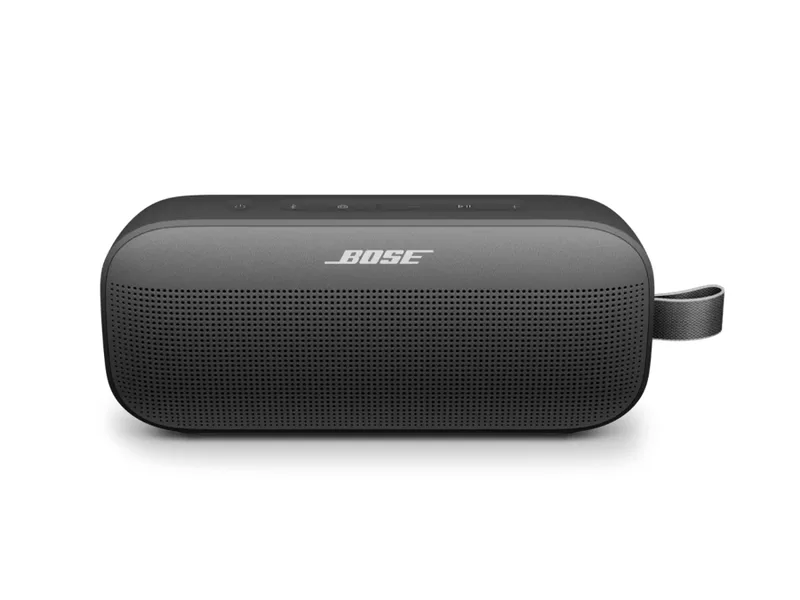
- Buy Bose SoundLink Flex (2nd Gen) The best sound-per-ounce of the group, and rugged enough that you won't baby it. Amazon
- Buy Anker Soundcore Motion 300 Shockingly good sound at a budget price, hi-res audio included.
- It depends Ultimate Ears Everboom A loud, floatable 360-degree party speaker, if you can stomach the price. Amazon
- Skip Bose SoundLink Micro (2nd Gen) Adorable, tough, and the one speaker here we'd tell you to pass on. Amazon
What actually matters
- Sound quality at usable volume - judge tone and clarity at the level you will actually play, since balance and distortion at three-quarter volume tell you more than a wattage rating.
- Water and dust protection (IP rating) - decide whether you need full dust-and-water sealing for beaches and trails or whether water-only protection is enough for clean indoor and outdoor use.
- Battery life under real conditions - expect rated hours only at moderate volume, and assume a meaningful drop when you turn it up outside.
- Size and portability - weigh how you carry it, since a strap, a floatable body, or a lighter frame each suit different trips.
- Output and dispersion - decide if you need room-filling, all-directions sound for groups or close-range personal listening.
- Codecs and app control - hi-res streaming support and an in-app equalizer matter if you value fidelity and the ability to shape the sound.
- Orientation-aware tuning - automatic adjustment for whether a speaker stands, lies flat, or hangs keeps it sounding balanced however you set it down.
The specs, in plain English
Green flags vs red flags
Green flags
- A full IP67 (or higher) rating if you take it near sand, dust, or water
- Consistent praise from independent testing and owner reports for sound at higher volumes, not just at low levels
- USB-C charging and multipoint pairing as baseline modern conveniences
- A companion app with real EQ control and reliable firmware updates
- Honest, moderate battery claims that match owner-reported real-world use
Red flags
- Marketing that leads with big wattage numbers instead of sound description
- Reports of distortion or a thin, harsh tone once the volume climbs
- An IPX-only rating on a speaker you plan to use at the beach or on trails
- A tiny clip-on being sold as a do-everything main speaker for a room
- A steep price gap over a near-identical model from the same brand with no meaningful difference
- A minimal update to an old model priced as if it were new technology
Who's who: the brands
- Bose - Premium audio brand known for natural, balanced tuning and rugged, well-built compact speakers, though it often skips app EQ.
- Anker (Soundcore) - Value-focused line that packs hi-res codec support, app EQ, and long battery into aggressively priced speakers.
- Ultimate Ears (UE) - Maker of loud, rugged, floatable 360-degree speakers built for outdoor and group use, with multi-speaker party pairing.
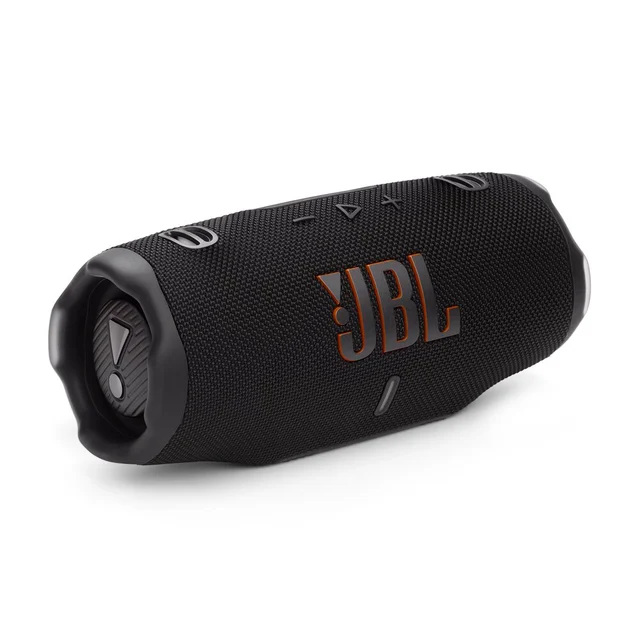
- JBL - Mainstream brand with a broad lineup, such as the Charge and Flip, that most buyers cross-shop for dependable all-around portables.
- Sonos - Home-audio brand whose portable models emphasize app ecosystem integration and multi-room streaming alongside sound quality.
How to read a listing without getting fooled
Start by ignoring the headline wattage and read for how the speaker sounds at volume, since a well-tuned lower-power speaker beats a loud, harsh one. Check the IP rating character by character: the first digit is dust, the second is water, and an X means that aspect was not rated, so IPX7 is water-only. Treat the battery figure as a best case measured at polite volume, and mentally shave hours off for outdoor use. Confirm the codec support only matters to you if your phone and library are hi-res; otherwise it is a nice-to-have, not a deciding factor. Finally, be skeptical of 360-degree and big-number claims, and look instead for consistent independent testing and owner feedback about real-world sound, connection stability, and durability.
How much should you spend?
Spend according to where you listen, not according to the biggest brand name. The value sweet spot sits with capable mid-priced models that deliver balanced sound, a solid IP rating, and a full set of modern features, and budget options now cover most of that ground surprisingly well, sometimes adding hi-res support the pricier names omit. Paying more is justified when you need genuinely superior tuning, tougher sealing, or higher outdoor volume for groups. It is not worth it when the premium buys mostly a logo, a marginal spec, or a barely changed refresh of an older model, so always compare a step-up model against the near-identical cheaper sibling before stretching your budget.
Questions, answered
Do more watts mean a better speaker?
No. Wattage is a rough, often inflated measure of loudness potential and says nothing about tuning, clarity, or how the speaker holds together at volume. A lower-power model with good tuning routinely sounds better than a louder, harsher one, so judge by how it actually sounds rather than the number on the box.
What is the difference between IP67 and IPX7?
Both protect against water immersion, but IP67 also seals against dust, while the X in IPX7 means dust was not rated. For beaches, trails, and sandy or dusty places, the full IP67 seal is the safer choice; for clean indoor and poolside use, IPX7 is usually enough.
Will the battery really last the rated hours?
Only at moderate volume. Manufacturers measure battery life at polite listening levels, and real use outdoors at higher volume can cut it noticeably. Treat the rated figure as a ceiling and expect fewer hours when you push the speaker.
Is a hi-res codec like LDAC worth paying for?
It helps only if both your phone and your source music support hi-res audio; otherwise the speaker falls back to a standard codec and you hear no difference. It is a welcome bonus when present, but it should not be the deciding factor for most listeners.
Can one small clip-on speaker cover a room or party?
Usually not. Pocketable clip-on speakers are personal companions for close-range listening, and their output cannot fill a room, patio, or campsite the way a fuller-bodied speaker can. If you want one speaker to anchor a space, choose a larger model.
Is a 360-degree speaker always better?
Not necessarily. All-directions sound is great for groups gathered around a table or outdoors, but it can trade away the focused stereo imaging of a front-firing design and often comes in a bigger, heavier body. Choose it for parties and open spaces, not for critical solo listening.
Or jump to the head-to-head: Bose SoundLink Flex (2nd Gen) vs Anker Soundcore Motion 300.