Explained
Metal Polishes, Explained
After reading, you'll be able to tell bare metal from a coated finish, and know which polish suits which metal.
In this guide
Metal polish is a very fine abrasive in a lubricating carrier. It works by cutting through the dull oxide layer that forms on exposed metal and leaving a smooth surface that reflects properly. That mechanism explains both what it is good at and the one situation where it does damage: if there is a clear coat, a plating or an anodised layer between you and the metal, the polish abrades that instead, and the result is a haze that cannot be polished out.
The 30-second version
- It only works on bare metal, and on a coated or anodised surface it hazes the finish instead of brightening it.
- The black residue test settles it, since oxidised metal comes off on the applicator and a coating gives you nothing.
- Polished metal re-oxidises fast, especially aluminium and especially with heat, which is why exhaust tips dull so quickly.
- Sealing after polishing is the real trick, and some polishes now leave a ceramic layer to do it in one pass.
- Ammonia and brighteners undo the work, attacking aluminium and brass and staining what you have just polished.
The products this guide is about
Our verdict on each, with the full reasoning on the companion review.
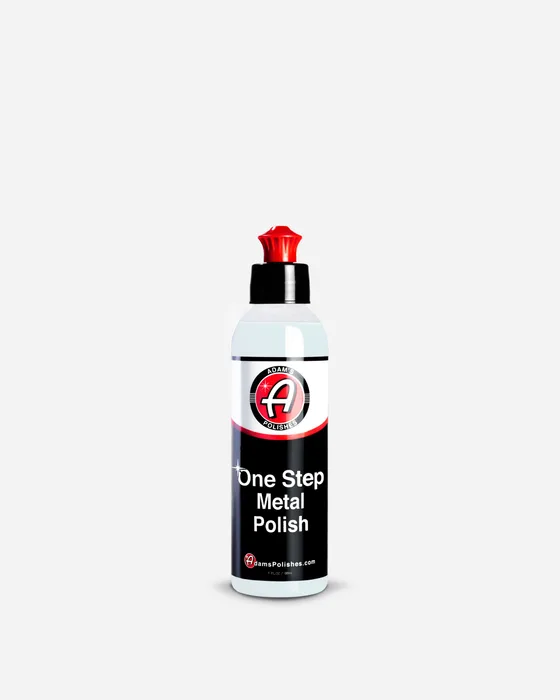
- Buy Adam's Polishes One Step Metal Polish The only page in the category that tells you how to check whether your metal is actually bare. Amazon
- Buy Meguiar's Metal Polish, 6 oz Says uncoated metals plainly, names the surfaces, and can be run with a drill attachment. Amazon
- It depends Turtle Wax Mister Cartoon All Metal Polish, 10 fl oz Polishes and leaves a ceramic layer, which is useful on exhaust tips and awkward if you plan to polish again.
- Skip Chemical Guys Heavy Metal Polish Cleans, seals and prevents degradation in one product, and gives no warning about coated surfaces. Amazon
What actually matters
- Bare versus coated - the decisive question. Most factory wheels and modern brightwork are coated or are plated plastic, and polish damages all of those. Older polished alloy, exhaust tips and true chrome are the usual bare surfaces.
- Metals named - aluminium is soft and marks easily, chrome is hard and tolerates more, stainless sits between them and brass is soft and tarnishes fast. A product that names its metals has thought about the differences.
- Abrasive grade - fine polishes refine an already decent surface, coarser ones cut through real oxidation. Using a fine product on heavy oxidation wastes an afternoon, and a coarse one on soft aluminium leaves its own marks.
- Protection left behind - some products seal as they polish. It slows the return of oxidation considerably and has to be removed before the next polishing session.
- Application route - by hand, with a foam drill attachment, or with a polisher. On large areas the machine route is the difference between doing the job and abandoning it.
- Cleanup chemistry - ammonia-based cleaners and acidic metal brighteners attack the metals this category polishes, and using them afterwards undoes the work.
- Coverage - metal polish is used in small quantities but bottles are small too, so check the size against how much brightwork the vehicle actually carries.
The specs, in plain English
Green flags vs red flags
Green flags
- A test or instruction for confirming the surface is bare metal.
- The word uncoated stated explicitly.
- Specific metals named rather than a generic all metals claim.
- Some description of the abrasive grade or fineness.
- Cleanup guidance, particularly about ammonia and brighteners.
Red flags
- No mention anywhere of coated or clear-coated surfaces.
- No metals named on an abrasive product.
- All-in-one claims with no description of what the product physically is.
- Before and after imagery with no indication of which metal was treated.
- No abrasive description on a product sold for both cleaning and polishing.
Who's who: the brands
- Adam's Polishes - Publishes a bare metal test and cleanup warnings alongside its polish, which is unusual disclosure for the category.
- Meguiar's - States uncoated metals plainly and offers a foam drill attachment route for large chrome and aluminium areas.
- Turtle Wax - Has marketed a ceramic metal polish, leaving protection behind as well as polishing.
- Chemical Guys - Sells all-in-one metal products described largely by outcome, with little guidance on coated finishes.
- Mothers - A long-established brand of mag and aluminium polish.
How to read a listing without getting fooled
Before anything else, look for what the page says about coatings. A product that tells you it is for uncoated metals, or better still gives you a way to test, is protecting you from the only serious mistake available in this category. Then check which metals are named, because aluminium and brass are soft and chrome is not, and a polish suited to one can mark another. Look for any description of the abrasive, since fine and heavy products solve different problems. Decide whether you want protection left behind, which suits exhaust tips and complicates future polishing. Finally check for a machine route if the area is large, and read any cleanup advice, because the wrong cleaner afterwards undoes the work.
How much should you spend?
Metal polish is cheap and used in tiny quantities, so the price of the bottle matters far less than choosing the right one for the metal. The budget tier includes genuinely good products, and in our comparison a budget bottle was clearer about excluding coated surfaces than a pricier one. What is worth paying attention to rather than paying for is disclosure: a page that names its metals and tells you how to test the surface saves you the cost of a hazed wheel, which is far more than any of these products cost. If the vehicle carries a lot of brightwork, buy the larger bottle and a foam drill attachment rather than a premium formula.
Questions, answered
Will metal polish work on chrome-look plastic trim?
No, and it will ruin it. A great deal of modern brightwork is vacuum-metallised or chrome-effect plastic with a clear film over the top, and polish abrades that film into a permanent haze. The black residue test catches it: plastic trim produces no black oxidation because there is no metal at the surface. If a trim piece is unexpectedly light for its size, treat it as plastic until proven otherwise.
How do I stop polished metal dulling again?
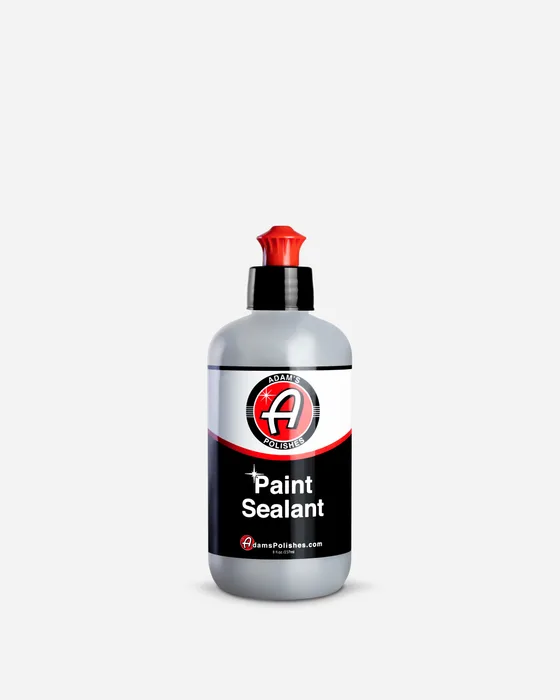
Seal it. Bare metal begins oxidising the moment you finish, so the polishing is only half the job. Either use a polish that leaves a ceramic or wax layer behind, or follow with a dedicated sealant suitable for metal. On exhaust tips, where heat drives the reaction, expect even a sealed finish to need attention a few times a year rather than once.
Can I use a machine to polish metal?
Yes, and on anything large you should. A foam drill attachment is the easiest route and one product in the comparison above names one specifically. A dual action polisher with a small foam pad also works well. What needs care is heat and pressure on thin plating or soft aluminium, so keep the machine moving, use light pressure, and check your progress frequently rather than working one spot.
What is the difference between metal polish and metal brightener?
Polish is abrasive and works mechanically, removing oxidation by cutting it away and leaving a smooth reflective surface. Brightener is acidic and works chemically, dissolving oxidation and road film, and it is designed for uncoated aluminium on trucks. Brightener is far more aggressive, will stain polished surfaces and etch anodising, and it is not a substitute for polish on anything you care about the appearance of.
Or jump to the head-to-head: Adam's Polishes One Step Metal Polish vs Meguiar's Metal Polish, 6 oz.