Explained
Interior Detailers, Explained
After reading, you'll know whether you want a cleaner or a protectant, and why a glossy dashboard is a design failure rather than a feature.
In this guide
Interior detailer is a category defined by a spray bottle and a microfibre towel rather than by what is inside. Some are pure cleaners that leave nothing behind. Some add ultraviolet protection, which is the only claim in the category with a real mechanism. Some add shine, which looks impressive in a photograph and reflects into the windscreen in real life. Sorting them out is mostly a matter of reading what finish each one promises.
The 30-second version
- Two products share one name, with cleaners leaving nothing behind and protectants leaving a layer with a sheen.
- Shine on a dashboard is glare, because the top of a dash reflects straight into the windscreen.
- UV protection is the real claim, since ultraviolet light is what fades, chalks and eventually cracks interior plastic.
- Never wipe a dusty dash dry, as dust is abrasive and dragging it is where most interior scratches come from.
- An APC is not a detailer, and using a concentrate at full strength on vinyl strips the plasticisers out of it.
The products this guide is about
Our verdict on each, with the full reasoning on the companion review.
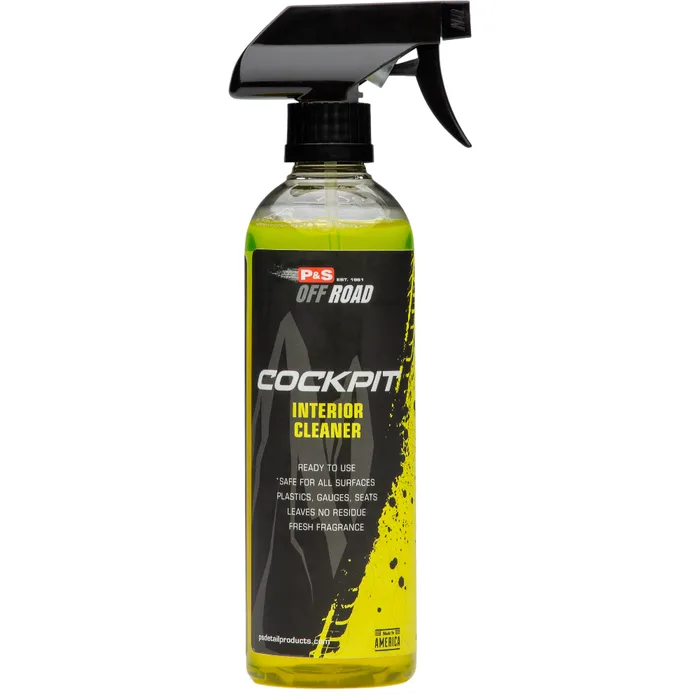
- Buy P&S Detail Products Cockpit Interior Cleaner A cleaner that leaves no residue at all, which is the finish a dashboard is supposed to have. Amazon
- Buy Chemical Guys Inner Clean Interior Quick Detailer & Protectant Cleans, restores a crisp OEM sheen and adds UV protection, which is the right combination for most interiors. Amazon
- It depends Turtle Wax Hybrid Solutions Streak-Free Mist Interior Detailer Covers glass, rubber, hard plastics, vinyl and even leather in one bottle, which is convenient and unspecialised.
- Skip Meguiar's New Car Scent Protectant, 16 oz Cleans, shines and adds fragrance, and shine on a dashboard is glare in the windscreen. Amazon
What actually matters
- Finish - no residue, a low OEM sheen, or a gloss. This is the visible difference between products and the one most likely to make you regret a purchase.
- Cleaner versus protectant - a cleaner removes soil and leaves nothing, so it needs a second product for protection. A protectant leaves a layer, which needs applying sparingly to avoid build-up.
- UV protection - the only claim in this category tied to a real degradation mechanism, and the one that matters on any car parked outside.
- Surface clearance - glass, coated leather, vinyl, rubber and hard plastic tolerate different chemistry. A product cleared for all of them is a compromise on each.
- Ready to use - interior detailers are pre-diluted. All purpose cleaners are not, and using one undiluted on interior surfaces is the most common way people damage trim.
- Screen safety - infotainment and cluster screens carry anti-glare and oleophobic coatings that solvents can strip. Products safe on hard plastic are not automatically safe on those.
- Fragrance - a preference rather than a function, and worth noticing when it leads the product name because it tells you what the formulation prioritised.
The specs, in plain English
Green flags vs red flags
Green flags
- The finish stated explicitly as no residue, matte or OEM sheen.
- A clear position as either a cleaner, a protectant, or both.
- A UV protection claim.
- A surface list that distinguishes between plastics, leather and glass.
- A stated role in a sequence, such as a pre-cleaner before a dressing.
Red flags
- Shine as a headline benefit on a product aimed at dashboards.
- Fragrance leading the product name.
- One product claimed for every interior surface with no distinctions drawn.
- No UV claim on a product sold as a protectant.
- Photography showing a wet-looking, high-gloss dashboard.
Who's who: the brands
- P&S Detail Products - Professional supply, with interior products positioned clearly as cleaners that leave no residue, and stated pre-cleaner roles.
- Chemical Guys - Combines cleaning with UV protection and targets an OEM sheen rather than gloss across its interior line.
- Turtle Wax - Mass-market multi-surface sprays covering glass through leather in a single bottle, aimed at convenience.
- Meguiar's - Long-running consumer interior line where shine and fragrance are explicit selling points alongside UV blockers.
- Gtechniq - Sells interior care products aimed at people who want the factory look preserved.
How to read a listing without getting fooled
Find the sentence that describes the finish, because that is the difference you will see every day. No residue means a factory look and no protection. OEM sheen means a light protective layer without gloss. Shine means exactly that, and on a dashboard it means reflection. Then work out whether the product is a cleaner or a protectant, since a cleaner needs a partner if you want UV protection and a protectant needs applying thinly to avoid build-up. Look for a UV claim, which is the only functional benefit in the category. Check the surface list and be sceptical of anything cleared for glass and leather in the same breath. And confirm it is ready to use rather than a concentrate.
How much should you spend?
This category is inexpensive across the board and the price tells you very little about suitability, since in our comparison the two cheapest products sat at opposite ends of the finish scale. What matters is matching the product to your routine: if you own a separate dressing, buy a pure cleaner and nothing more. If you want one bottle, pay slightly more for one that adds UV protection while targeting an OEM sheen. Gallon sizes from professional brands are dramatically cheaper per use and are worth it if this becomes the bottle you reach for weekly. Avoid paying a premium for fragrance, which is the one thing in the category with no functional value.
Questions, answered
Why does my dashboard look dusty again the next day?
Usually because a shine-adding product left a slightly tacky layer that attracts and holds dust. It is the most common complaint about glossy interior dressings, and the cause is over-application rather than the product itself. Mist onto a microfibre towel rather than onto the surface, work it in, then buff with a second dry towel. If the problem persists, switch to a cleaner that leaves no residue at all.
Is it safe on gloss black trim?
Chemically, usually yes. Mechanically is the risk. Gloss black piano trim scratches extremely easily, and the danger is the towel and the dust rather than the spray. Mist the towel, use a plush borderless microfibre, wipe in one direction with no pressure, and never go at it dry. Any grit on the surface will leave a mark you cannot remove without polishing.
Can I use an interior detailer on the headliner?
Sparingly and on a cloth, never sprayed directly. Headliners are fabric bonded to foam with an adhesive that fails when it gets wet, and a soaked headliner sags permanently. Dampen a microfibre lightly, blot rather than scrub, and work in small areas. For anything more than a light mark, a dedicated fabric cleaner used with the same restraint is the safer route.
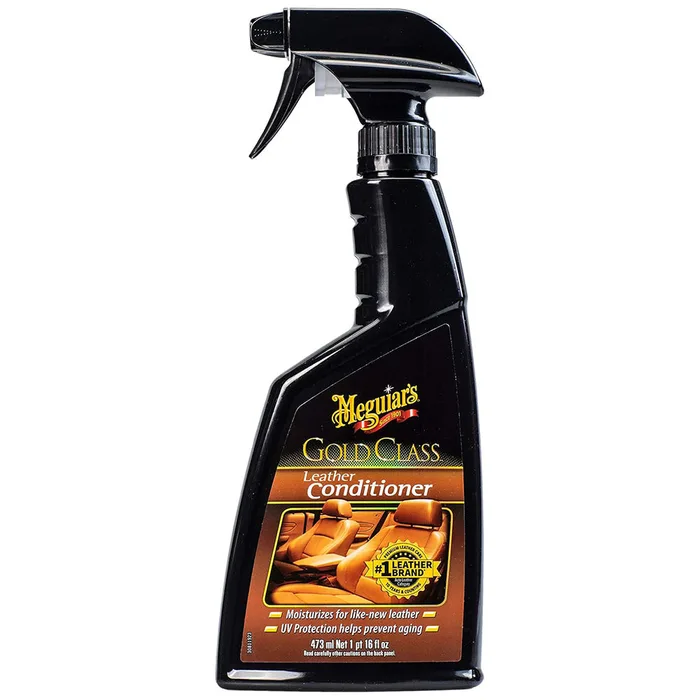
Do I need a separate product for leather?
If the interior is mostly leather, yes. Automotive leather is coated, and what it needs is a pH-appropriate cleaner and UV protection rather than the chemistry aimed at hard plastics. Several interior detailers list leather among their surfaces, which is fine for a light dust-off, and none of them will do what a dedicated leather product does on seats that get real use. Treat multi-surface clearance as convenience, not equivalence.
Or jump to the head-to-head: P&S Detail Products Cockpit Interior Cleaner vs Chemical Guys Inner Clean Interior Quick Detailer & Protectant.