

Explained
Garden Hoses, Explained
After reading, you'll understand what garden hose specs mean and how to pick one that won't kink, leak, or split on you.
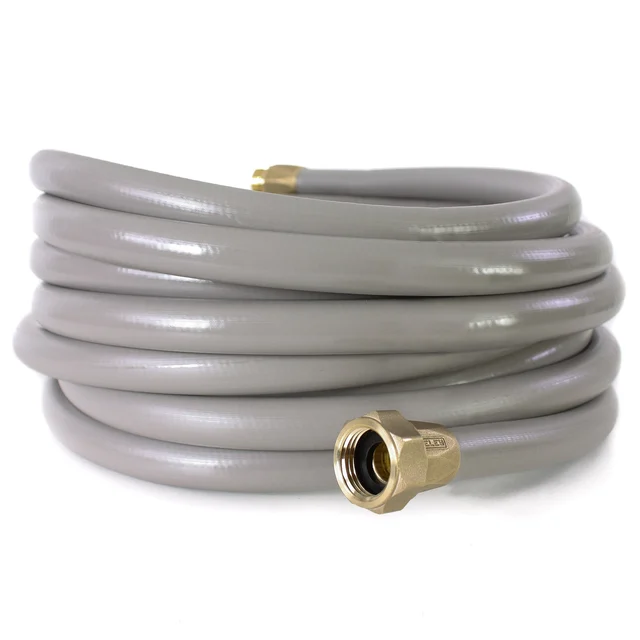
In this guide
A garden hose looks like the simplest thing in the yard, but the choices that decide whether it kinks, splits, or lasts a decade are hidden in the material, the diameter, and the fittings. This guide translates the jargon on the packaging into plain English so you can tell a buy-it-once hose from one you'll be replacing next summer. The thing that trips most people up is buying on length and color when material and fittings are what actually matter.
The 30-second version
- Material decides almost everything. Polyurethane and quality hybrid polymers give the best mix of kink resistance, flexibility, and light weight; thick multi-layer rubber lasts but is heavy; cheap single-wall vinyl and expandable cores fail the fastest.
- Diameter controls flow more than length does. A wider inside diameter carries more water; 5/8 inch is the sweet spot for most homes, while 1/2 inch trades flow for light weight and 3/4 inch is for long runs or high-volume watering.
- The fittings are where hoses fail first. Solid, crush-resistant brass ends keep their shape and seal when stepped on or run over; thin stamped metal and plastic ends deform, cross-thread, and start leaking at the spigot.
- Longer isn't better. Every extra foot of hose drops a little water pressure and adds weight to drag. Buy the shortest length that reaches where you actually water rather than the biggest coil on the shelf.
- Kink resistance comes from construction, not a label. A hose that flexes and springs back instead of folding shut is doing the work; no printed 'no-kink' promise substitutes for a good material and thick, well-built walls.
What actually matters
- Hose material — polyurethane and hybrid polymers stay supple, resist kinks, and weigh less; multi-layer rubber is tough but heavy; single-wall vinyl and expandable designs are the cheapest and shortest-lived.
- Inside diameter — the width of the water channel sets how much flow you get; 5/8 inch suits most homes, and going wider only helps if you move a lot of water over a long run.
- Length versus pressure drop — a hose long enough to reach without straining, but no longer, since extra length quietly saps pressure and adds weight you have to haul.
- Kink and knot resistance — whether the hose folds shut or springs back mid-task, which is the single most common complaint and depends on material and wall thickness.
- Fittings (couplings) — the metal or plastic ends that connect to the spigot and nozzle; crush-resistant brass seals and survives abuse, while cheap ends leak and strip.
- Burst pressure / durability — how much internal pressure the hose can take before failing, plus how it holds up to sun, abrasion, and being run over over years of use.
- Cold-weather flexibility and drinking-water safety — whether it stays bendable in the cold instead of stiffening, and whether it's lead-free and safe if a person or pet drinks from it.
The specs, in plain English
Green flags vs red flags
Green flags
- A clearly stated material like polyurethane, rubber, or hybrid polymer rather than just 'flexible' or 'heavy-duty'
- Solid, crush-resistant, lead-free brass fittings with a wrench-friendly collar
- A 5/8-inch diameter for general home use, with the inside diameter actually listed
- A published burst-pressure rating and a multi-year no-leak or no-break guarantee
- A note that it stays flexible in cold weather and is drinking-water safe if you need that
- Honest guidance about weight and best use, so you can match it to how you water
Red flags
- A vague 'no-kink' or 'heavy-duty' claim with no material or diameter specified
- Thin stamped-metal or plastic fittings, or ends that look flimsy where they meet the hose
- An expandable design sold on light weight and compact storage with no mention of lifespan
- No burst-pressure rating and no meaningful warranty
- Reviews or listings that mention leaks at the fittings, splitting, or failure within a season or two
- A hose priced far below everything else, which usually means single-wall vinyl and cheap ends
Who's who: the brands
- Eley - Known for premium US-made polyurethane hoses with brass fittings and long guarantees.
- Flexzilla - Popular hybrid-polymer hoses that lay flat and stay flexible in heat and cold.
- Gilmour - Long-standing maker of heavy-duty multi-layer rubber-style hoses built to take abuse.
- Continental / Craftsman - Widely sold rubber and vinyl hoses ranging from contractor-grade to everyday value.
- Dramm - Sells thick, colorful rubber hoses favored by gardeners for durability and flow.
- Zero-G / Teknor Apex - Lightweight woven-jacket and hybrid hoses aimed at easy handling and storage.
How to read a listing without getting fooled
Start with how you actually water, then decode the listing from the material outward. Find the material first: polyurethane and quality hybrid polymers are the flexible, long-lasting picks, multi-layer rubber is the rugged heavy option, and expandable or single-wall vinyl are the ones most likely to disappoint. Next confirm the inside diameter (5/8 inch is the safe default) and pick the shortest length that reaches, since every extra foot costs pressure and weight. Then look hard at the fittings: you want crush-resistant, lead-free brass, not thin stamped metal or plastic. Treat a burst-pressure number and a multi-year guarantee as signs the maker trusts the build, and don't let color, a big coil, or a 'no-kink' slogan distract you from those fundamentals.
How much should you spend?
The cheapest hoses are usually thin single-wall vinyl with flimsy fittings; they water fine at first but kink, leak, and split quickly, so they tend to cost more over time in replacements. The mid range is where most people are well served, covering flexible hybrid-polymer hoses and solid rubber ones with decent brass ends that handle everyday use for years. Premium hoses, typically polyurethane with crush-proof brass fittings and long guarantees, cost the most up front but often end the cycle of yearly replacements, so they can be the better value if you water regularly and want to buy once. Expandable hoses look inexpensive but frequently need replacing after a season or two, which makes their real cost higher than the sticker suggests. Spend based on how hard and how often you use the hose, not on length or looks.
Questions, answered
What diameter garden hose should I buy?
For most homes, 5/8 inch is the sweet spot: it carries plenty of water without being too heavy to drag around. A 1/2-inch hose is lighter and fine for light watering or tight spaces, but it flows less. Step up to 3/4 inch only if you're running long distances or need maximum volume, for example feeding sprinklers, and can handle the extra weight.
What actually makes a hose kink-resistant?
Material and wall construction, far more than any 'no-kink' label. Polyurethane and quality hybrid polymers flex and spring back instead of folding, and thicker multi-layer hoses resist crimping. Cheap single-wall vinyl kinks the most. How you store it helps too: a hose kept on a reel or wide hanger holds fewer memory kinks than one crammed into a bucket.
Do brass fittings really matter, or is plastic fine?
The fittings are where most hoses fail first, so they matter a lot. Solid, crush-resistant brass ends keep their shape when stepped on or run over and seal reliably. Thin stamped-metal or plastic ends deform, cross-thread, and start leaking at the spigot. If you want the connection to keep sealing for years, look for lead-free brass, and lead-free especially matters if anyone might drink from the hose.
Are expandable garden hoses worth it?
For light, occasional use where compact storage matters most, an expandable hose can be fine. But the design has built-in weak points: the stretchy inner core is prone to bursting, the fittings work loose and leak, the fabric jacket snags on rough ground, and many last only a season or two. If you water regularly or drag the hose across concrete and gravel, a polyurethane or rubber hose is a far better long-term buy.
How long should a good garden hose last?
A quality polyurethane or heavy rubber hose that's stored out of direct sun and drained before hard freezes can last many years, which is why premium hoses often carry multi-year no-leak guarantees. Cheap vinyl and expandable hoses frequently fail within a season or two. The single biggest thing you can do to extend any hose's life is to relieve the water pressure and store it out of the sun when you're done.
Will a hose stay flexible in cold weather?
It depends on the material. Polyurethane and hybrid polymers stay bendable and easy to handle even when it's cold, while thick rubber and cheap vinyl tend to stiffen up and hold coil memory. If you water in shoulder seasons or store the hose outdoors, choose one rated to stay flexible in the cold, and always drain it before a hard freeze so trapped water can't expand and split the walls.
Related guides
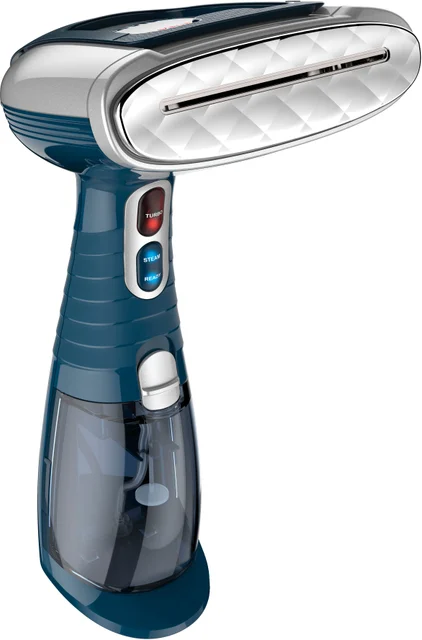 Garment Steamers After reading this, you'll know which steamer specs actually predict wrinkle-removal power - and which red flags in owner reports mean a model will spit hot water on your hands.
 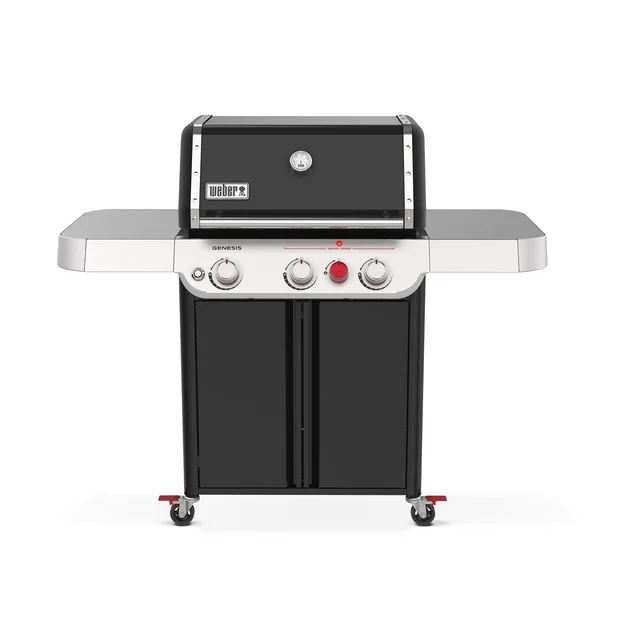 Gas Grills After reading this you'll know why even heat and build quality matter more than BTUs or burner counts, and how to read a grill listing without getting fooled.
 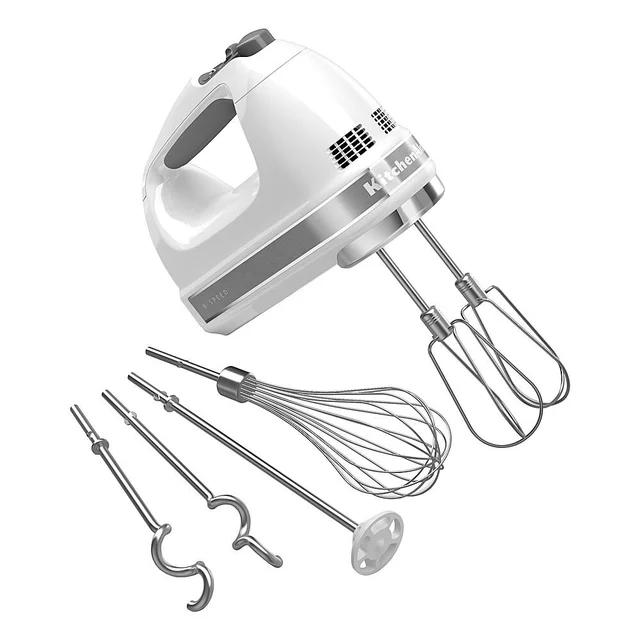 Hand Mixers After reading this you will understand what makes one hand mixer better than another and how to match one to the baking you actually do.
 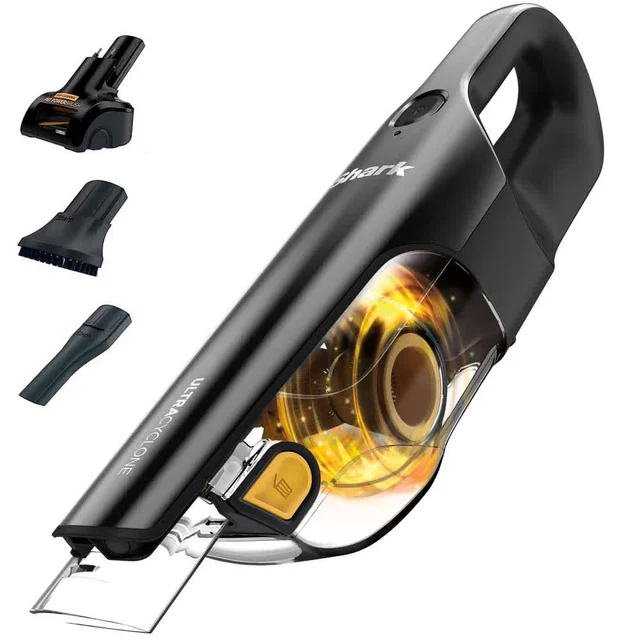 Handheld Vacuums After reading, you will know which handheld vacuum specs matter for your home and which ones are just marketing noise.
 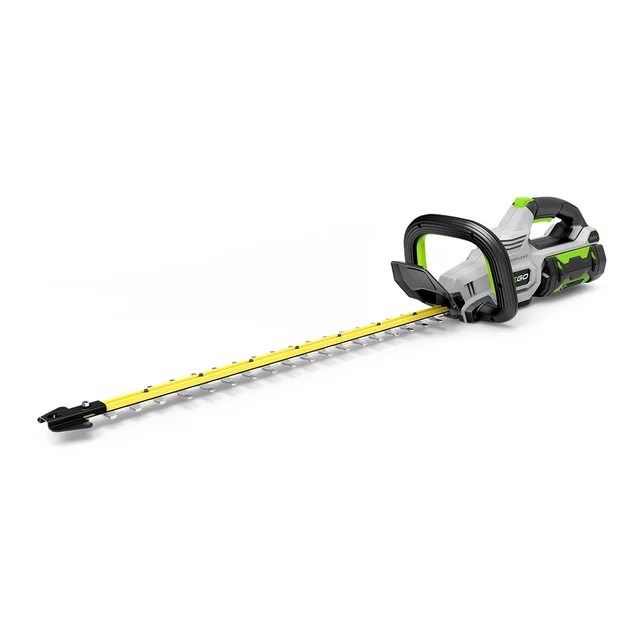 Hedge Trimmers After reading, you'll understand every spec on a hedge trimmer's box and know which ones actually decide whether it can handle the hedges you have.
 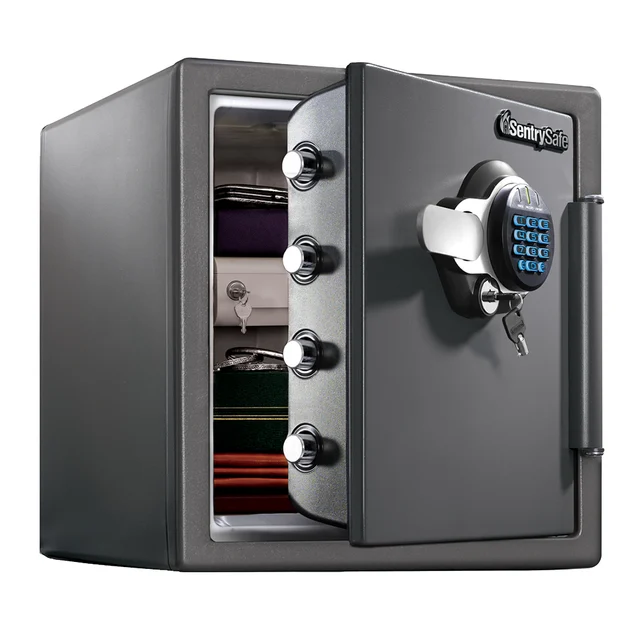 Home Safes After reading, you will know exactly what a home safe protects against, how to read its ratings, and why bolting it down matters more than the marketing.