

Explained
Gaming Chairs, Explained
After reading, you'll be able to open any gaming chair listing and know which specs decide whether you'll still be comfortable three hours in.
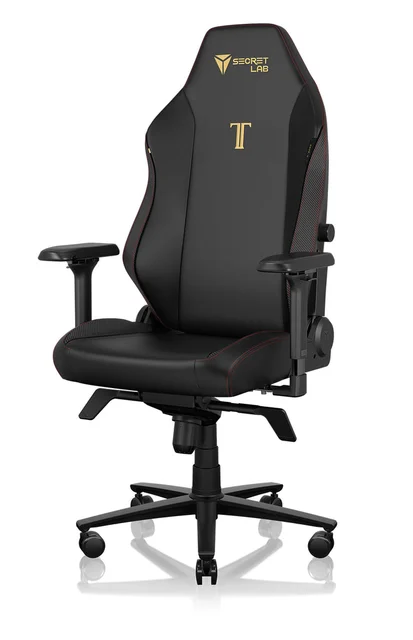
In this guide
A gaming chair is really an all-day task chair with racing-car styling, so the same things that matter in any good office chair, support, adjustability, and build quality, decide whether you'll actually like it long term. Most first-time buyers get pulled in by looks, color, and headline features, then discover months later that fit, foam type, and lumbar support were the parts that counted. This guide translates the jargon so you can judge a chair on what matters instead of what looks cool.
The 30-second version
- Fit beats brand. The single biggest driver of long-term comfort is getting a chair sized to your height and build, not picking the most hyped name.
- Lumbar and armrests are where money is well spent. Adjustable lumbar support and 4D armrests do more for all-day comfort than flashy stitching or RGB extras ever will.
- Foam and upholstery are a trade-off, not a ranking. Firm foam and cooler fabrics last and breathe; plush foam and PU leather feel nicer sooner but can wear or run warm.
- A chair is a multi-year purchase. Build reputation and warranty length matter more than the spec sheet's most exciting number, because you'll live with this chair for years.
- Read the listing skeptically. Marketing terms like 'ergonomic' and 'premium foam' mean nothing on their own; look for the concrete, adjustable specs underneath them.
What actually matters
- Sizing and fit — a chair that's too big or too small can't be adjusted into comfort, so matching the maker's height and weight range to your body comes before every other decision.
- Lumbar support — the lower-back support is what keeps you comfortable deep into a session; adjustable (height and depth or firmness) beats a fixed pillow or a permanent molded curve.
- Foam type and firmness — the padding determines whether the seat still feels good after hours and how long it holds its shape; firm-supportive and plush are preferences, not grades.
- Armrest adjustability — armrests you can move in multiple directions prevent shoulder and wrist strain; fixed or wobbly arms are one of the most common long-term complaints.
- Recline and tilt — being able to lean back and lock the angle lets you shift posture through the day, which reduces fatigue more than sitting bolt upright ever does.
- Upholstery and breathability — the surface material sets how warm you get, how the chair ages, and how easy it is to clean, so match it to your climate and habits.
- Build quality and warranty — the frame, gas lift, base, and casters decide whether the chair survives years of daily use, and the warranty tells you how much the maker trusts its own build.
The specs, in plain English
Green flags vs red flags
Green flags
- Multiple sizes or a clearly stated height and weight range you fit comfortably in the middle of
- Adjustable lumbar support (height plus depth or firmness), not just a loose pillow or a fixed curve
- 3D or 4D armrests described in specific detail rather than vaguely called 'adjustable'
- Cold-cure or high-density foam named explicitly, plus a clearly stated recline range with a lock
- A meaningful warranty (multi-year on the frame) and a track record of owners reporting the build holds up
- Honest material description that names the upholstery (fabric, PU leather, or mesh) instead of a vague 'premium' label
Red flags
- Only one size offered with no height or weight guidance, or a range that puts you at the very edge
- Fixed armrests, or armrests only described as 'adjustable' with no dimensions listed
- Lumbar and neck support that are pillows only, with no built-in adjustment mechanism
- Buzzwords like 'ergonomic' and 'premium foam' with no concrete, adjustable specs behind them
- A short warranty, or lots of owner reports about sinking seats, peeling upholstery, or wobbly arms
- A suspiciously low price paired with a very high weight rating, a common mismatch on flimsy frames
Who's who: the brands
- Secretlab - Best known for racing-style chairs offered in multiple sizes, with a reputation for dependable build and consistently praised support.
- AndaSeat - Positioned as flagship-style comfort and features for less, often bringing 4D armrests and adjustable lumbar down into mid-range chairs.
- Razer - A gaming brand whose chairs are known for standout adaptive lumbar systems, though seat comfort can be more divisive.
- Herman Miller - A premium ergonomic office-chair maker (including gaming collaborations) known for exceptional build and long warranties at a much higher price.
- Corsair / Vertagear and similar - A cluster of gaming-hardware and specialist brands offering racing-style chairs across budget and mid tiers; quality varies, so judge the specific model.
How to read a listing without getting fooled
Start by ignoring the adjectives and hunting for the concrete, adjustable specs. 'Ergonomic,' 'premium,' and 'immersive' tell you nothing; 'adjustable lumbar with height and firmness,' '4D armrests,' 'cold-cure foam,' and '155-degree recline with lock' tell you a lot. Find the height and weight range and check where you land in it, because a listing that hides those numbers is often hiding a one-size-fits-most compromise. When you see 'lumbar support' or 'neck support,' look closely at whether it's a built-in adjustable mechanism or just a loose pillow, they get described the same way but perform very differently. Note the upholstery by name so you know what you're getting into on heat and durability, and read the warranty as a confidence signal: a maker that stands behind the frame for years is telling you something a spec sheet can't.
How much should you spend?
Spending more on a gaming chair mostly buys you three things: better, more adjustable lumbar and armrests; denser foam and upholstery that ages well; and a longer, more trustworthy warranty. The value sweet spot sits in the mid-range, where you can usually get adjustable lumbar, 4D or near-4D armrests, and a solid build without paying flagship prices, and that's where most people should look first. Going cheaper is fine if you keep expectations realistic, but the bargain end is where you'll find fixed armrests, pillow-only support, and frames that sink or squeak within a year. At the very top, premium ergonomic chairs are genuinely excellent and built to last a decade, but the jump in real-world comfort rarely matches the jump in cost, so that tier makes sense mainly if you sit all day and specifically want a long-haul chair. Above all, don't overspend on looks and RGB while underspending on the adjustable support that actually decides comfort.
Questions, answered
Are gaming chairs actually good for your back?
A well-chosen, well-adjusted gaming chair with real adjustable lumbar support can be comfortable for long sessions, but the chair only helps if you set it up for your body, sit at the right height, and take regular breaks, since no seat replaces movement. This is general product information, not medical advice; if you have ongoing or serious back pain, please consult a qualified healthcare professional.
What's the difference between a gaming chair and an ergonomic office chair?
Mostly styling and philosophy. Gaming chairs use a padded racing-bucket shape with bolsters, pillows, and bold looks, while ergonomic office chairs tend toward mesh, neutral styling, and support that comes from the frame and mechanism rather than thick foam. Under the hood both are trying to do the same job, keep you comfortable and supported for hours, so judge either one on adjustability, lumbar, and build rather than category name.
Do I really need 4D armrests?
You don't strictly need them, but adjustable armrests are one of the highest-payoff features for long-term comfort, and 4D (up/down, forward/back, pivot, and slide) lets you line the arms up with your desk and shoulders precisely. If you're choosing between spending on flashy extras or on better armrests, put the money on the armrests. Fixed or wobbly arms are one of the most common regrets owners report.
How important is getting the right size?
It's the most important decision you'll make. A chair that's too tall, too wide, or too small can't be adjusted into comfort, and it will undermine even a great feature set. Check the maker's height and weight ranges before you look at anything else, aim to land in the middle of the range rather than the edge, and if you're taller or broader, look specifically for larger or XL versions rather than forcing the default size.
Is PU leather or fabric better?
Neither is simply better; it's a trade-off. PU (faux) leather looks premium and wipes clean fast, but it traps heat on long sessions and the coating can crack or peel over years. Fabric breathes better and often feels less sweaty, but it stains more easily and can feel cheaper if the weave is low quality. Pick based on your climate and how much you value easy cleaning versus staying cool.
How long should a gaming chair last, and does warranty matter?
A decently built chair should give you several years of daily use, with the gas lift, foam, and upholstery being the parts most likely to wear first. Warranty matters as both protection and a confidence signal: a maker offering a long, multi-year warranty on the frame is telling you it expects the chair to survive, whereas a very short warranty often hints at a build that won't.
Related guides
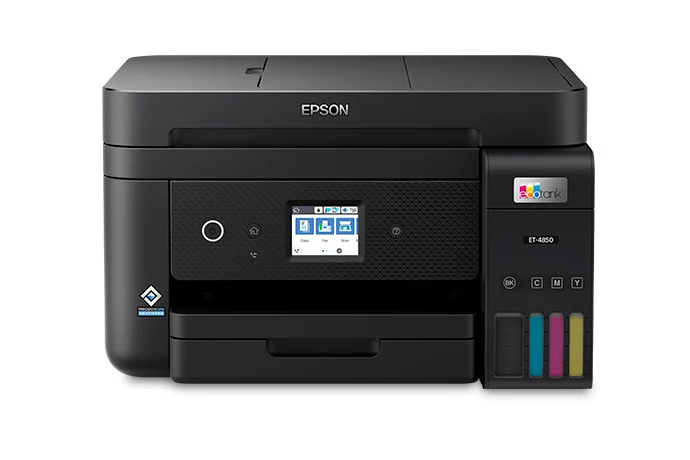 Home Printers After reading, you'll understand why cost per page matters more than sticker price, and how to decode an inkjet spec sheet without getting fooled.
 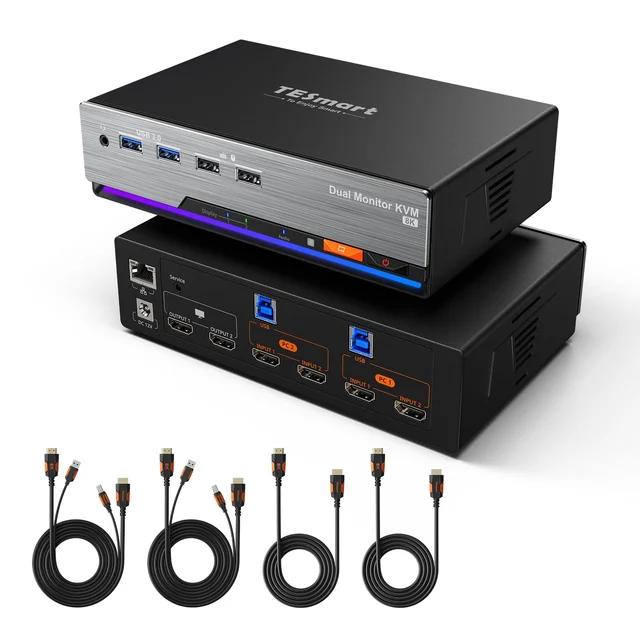 KVM Switches After reading this you'll understand what a KVM switch does, why cheap ones cause black screens, and exactly which specs to match to your monitors and computers.
  Laptop Backpacks After reading this, you will understand exactly which laptop backpack features matter for your commute and which are marketing noise.
 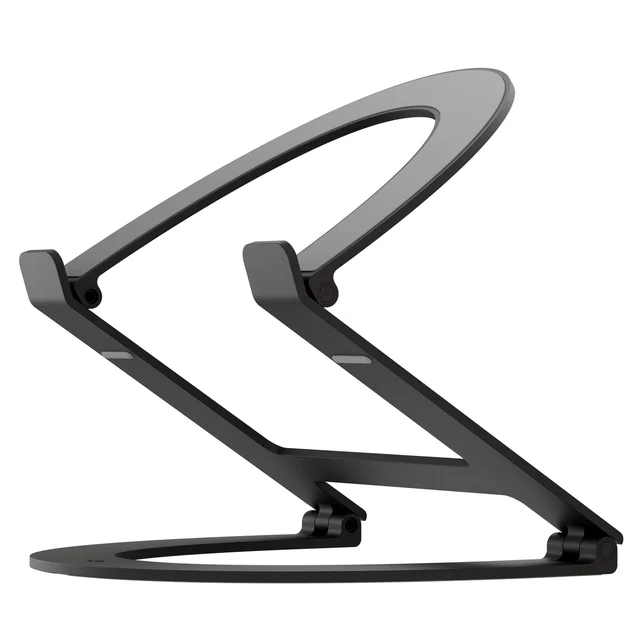 Laptop Stands After reading this you will know exactly what a laptop stand needs to do, which specs actually matter, and how to avoid buying one that lifts your screen too little.
  Laser Printers After reading this you'll know exactly which laser printer specs matter for how you actually print, and which marketing numbers to ignore.
  LED Desk Lamps After reading, you will know exactly which desk lamp specs matter for eye comfort and productivity, and which are marketing padding you can ignore.