Explained
Cold Plunge Tubs, Explained
After reading, you'll understand how cold plunge tubs actually get and stay cold, which specs matter, and how to buy safely instead of on hype.
In this guide
A cold plunge tub is a container built to hold water cold enough for brief immersion, either by adding ice yourself or by running a built-in chiller that holds a set temperature. The whole decision comes down to how the tub stays cold and how much effort you're willing to spend keeping it clean and running. Before any of that, though, cold-water immersion is a real physical stressor, so the safety questions matter more than the spec sheet.
The 30-second version
- Chiller versus ice is the core choice. A built-in chiller holds a set temperature automatically and usually filters the water; an ice tub is cheaper up front but means buying, hauling, and dumping ice for every cold session.
- Insulation decides how hard the chiller works. Thicker insulation keeps water cold longer, so the chiller runs less and costs less to operate. Thin-walled tubs struggle to hold low temperatures in warm rooms or summer heat.
- A weak chiller is worse than no chiller. An undersized cooling unit that can't pull the water down or hold it defeats the entire reason you paid for cooling. Chiller capacity, not just its presence, is what matters.
- Water hygiene is an ongoing job. Cold water is not self-sanitizing. Filtration plus ozone or UV keeps water clear far longer between changes; simpler tubs need frequent draining and cleaning.
- Safety comes before specs. Cold immersion raises blood pressure and heart rate and can trigger a gasp reflex. Treat any tub as recovery equipment, not a medical device, and read the safety guidance before buying.
The products this guide is about
Our verdict on each, with the full reasoning on the companion review.
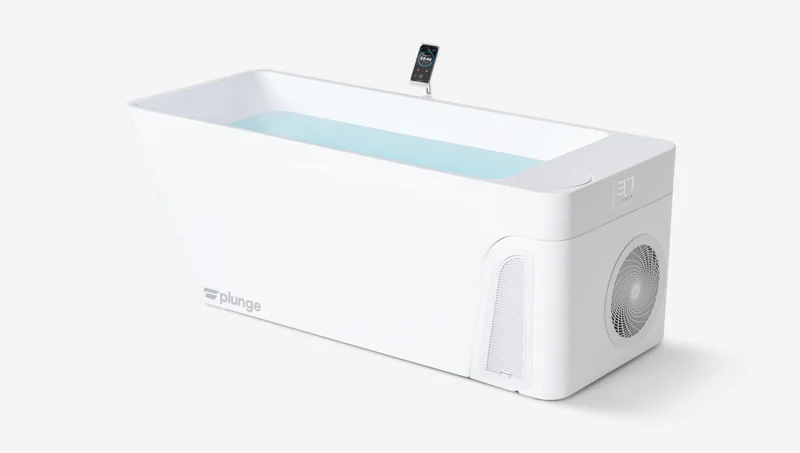
- Buy Plunge All-In (Gen 2) The most polished all-in-one: a built-in chiller Plunge calls whisper quiet, ozone filtration, and app control in a living-space-friendly shell.
- Buy Renu Therapy Cold Stoic 2.0 A handcrafted, heavily insulated tub with a built-in chiller that owners describe as built to last.
- It depends Ice Barrel 300 A compact, well-insulated upright barrel that's great value if you're happy adding your own ice. Amazon
- Skip Coldture Pro Plunge Lite A budget all-in-one whose chiller and build, per owner reports, struggle to deliver the daily experience the price implies.
What actually matters
- How the tub gets and stays cold - because a built-in chiller means set-and-forget daily use, while an ice tub means recurring effort and cost. This single choice shapes how often you'll actually use it.
- Chiller capacity relative to your climate - because an underpowered unit that can't hold low temps in a warm room or hot summer wastes the money you spent on cooling in the first place.
- Insulation and build quality - because thick insulation keeps the water cold with less chiller runtime, and a rugged, weatherproof shell is what lets a tub survive outdoors for years.
- Water hygiene features - because filtration plus ozone or UV sanitation keeps water clear far longer between changes, which is a genuine quality-of-life difference over a manual-clean tub.
- Shape, depth, and fit - because a horizontal tub lets you lie back and submerge while an upright barrel seats you, and neither is right if it doesn't fit your height and how you want to use it.
- Footprint, weight, and power - because a full tub is heavy and effectively semi-permanent, so you need a level, drainable spot with a nearby outlet before you order.
- Noise - because a chiller hums, and if the tub lives near living or sleeping space, a loud unit becomes something you resent running.
The specs, in plain English
Green flags vs red flags
Green flags
- A chiller whose capacity owners report holds low temps reliably, including through summer or in a warm room
- Thick, clearly described insulation and a rugged, weatherproof shell
- Filtration paired with ozone or UV sanitation, not just a basic mesh
- Interior dimensions that actually fit how you want to sit or lie
- A level, drainable installation spot with a nearby outlet that you've confirmed in advance
- Clear water-care instructions and reasonably priced replacement filters
Red flags
- A small or vaguely specified chiller on a tub sold on ice-free convenience
- Thin walls or little insulation detail, especially on an all-in-one priced like a premium unit
- No filtration or sanitation on a tub you plan to use several times a week
- A cramped or shallow interior that won't fit a comfortable session
- Owner reports of a noticeably loud chiller if the tub will sit near living space
- Marketing that leans on health cures or dramatic benefit claims instead of build and cooling specs
Who's who: the brands
- Plunge - Premium all-in-one tubs with a built-in chiller, onboard ozone sanitation and app control.
- Renu Therapy - Handcrafted, insulated tubs with included chillers, favored by owners for long-term durability.
- Ice Barrel - Compact, well-insulated upright barrels that are strong value for ice users, with chiller-ready options to upgrade later.
- Coldture - Budget-oriented all-in-ones; the value is real but check chiller capacity and insulation, which owners say can lag premium tubs.
How to read a listing without getting fooled
Start with how you'll actually use it, not the marketing. If you want set-and-forget cold most mornings, filter for tubs with a built-in chiller and read owner reports on whether that chiller holds low temperatures in a room like yours, especially in summer; the word 'chiller' on the box is not a guarantee it's powerful enough. If you're testing the waters, a well-insulated ice tub is a sensible, cheaper start, ideally one with chiller-ready ports. Then confirm the interior fits how you want to sit or lie, check filtration and sanitation if you'll use it often, and measure your space, doorways, and the weight the floor can hold before ordering. Whatever survives that pass is a short list you can trust.
How much should you spend?
Budget tubs are mostly ice-based or lightly built all-in-ones; a durable ice tub can be genuinely good value if you don't mind the ice routine, but a cheap chiller that can't hold the cold is money wasted. The mid tier is where insulation, chiller capacity, and filtration start to earn their keep, and it's where most daily users are happiest. Premium tubs can buy you quieter chillers, stronger filtration and sanitation, heavier insulation, and living-space-friendly design, though some of that spend goes to styling and app features rather than colder, cleaner water. Spend up for cooling capacity, insulation, and hygiene that match your climate and how often you'll plunge; be skeptical of paying mainly for looks or a chiller too small to do its job. And remember the ongoing costs, whether that's ice or filters and electricity.
Questions, answered
Is cold plunging safe, and who should avoid it?
Cold-water immersion is a physical stressor that raises blood pressure and heart rate and can trigger an involuntary gasp reflex, so it carries genuine cardiovascular risk. Talk to a doctor before you start, especially if you have any heart condition, high blood pressure, are pregnant, or have circulation or other medical concerns; some people should not cold plunge at all. Never plunge alone, ease in gradually rather than shocking your system, keep early sessions short, and get out if you feel unwell, dizzy, or numb. This guide is general product information to help you compare tubs, not medical advice, and it is not a recommendation to use cold therapy to treat any condition.
Do the health benefits people talk about actually hold up?
Users commonly report feeling more alert, less sore, and mentally refreshed after a plunge, and many find it a useful recovery ritual. But the science is still developing and results vary a lot from person to person, so it's fairer to frame cold plunging as something many people enjoy and find helpful than as a proven medical treatment. Set expectations accordingly, prioritize safety over chasing ever-colder temperatures, and don't buy a tub expecting it to cure anything.
Do I really need a chiller, or is ice fine?
A built-in chiller holds a set temperature automatically and usually filters the water, which is why it's so much easier to use daily. An ice tub costs less up front but means ongoing ice purchases, more effort, and less temperature consistency. If you'll plunge several times a week for the long haul, a chiller usually pays off in convenience; if you're just testing whether cold therapy is for you, a well-built ice tub is a sensible, lower-risk start.
How much space and what kind of spot do I need?
A filled tub is heavy and effectively semi-permanent, so plan a level, well-drained location that can support the weight, with a nearby outlet if it has a chiller, indoors or outside. Horizontal tubs need more floor area but let you lie back; upright barrels have a smaller footprint but a seated posture. Measure the space and your doorways before ordering, and don't count on moving it once it's full.
How do I keep the water clean?
Tubs with filtration plus ozone or UV sanitation keep water clear far longer between changes, but owners still shower before entering, run the filter, and follow the maker's water-care routine. Simpler tubs without filtration need more frequent draining and cleaning. Whatever you choose, cold water is not self-sanitizing, so regular maintenance matters for hygiene and is part of the real cost of ownership.
How cold should the water actually be?
There's no single 'right' temperature, and colder is not automatically better or safer. Many people start milder and only cool the water down over time as they learn how their body responds; shorter sessions at a moderate temperature are a more sensible starting point than chasing the lowest number the tub can reach. Because temperature tolerance is personal and interacts with health conditions, treat this as something to discuss with a doctor rather than a target to push.
Or jump to the head-to-head: Plunge All-In (Gen 2) vs Renu Therapy Cold Stoic 2.0.