Explained
Clipless Pedals, Explained
After reading, you'll understand the difference between road and two-bolt systems, what float and release tension do, and how to read a pedal spec sheet.
In this guide
The first surprise for most buyers is that clipless pedals are the ones you clip into; the name comes from replacing old toe clips. The second is that pedals, cleats and shoes have to match, so the pedal choice is really a system choice. Float, release angle and stack height sound technical but decide how comfortable and safe the pedal feels. This guide explains the terms so you can pick with confidence.
The 30-second version
- Pick the cleat system first, because it decides which shoes you can use and whether you can walk in them.
- Float protects your knees, so look for a stated figure or a choice of cleats.
- Start with light release tension, and only tighten it once unclipping is automatic.
- Multi-sided entry is easier, especially in stop-start traffic or on trails.
- Cleats are a consumable, so check replacement cleats are easy to buy.
The products this guide is about
Our verdict on each, with the full reasoning on the companion review.
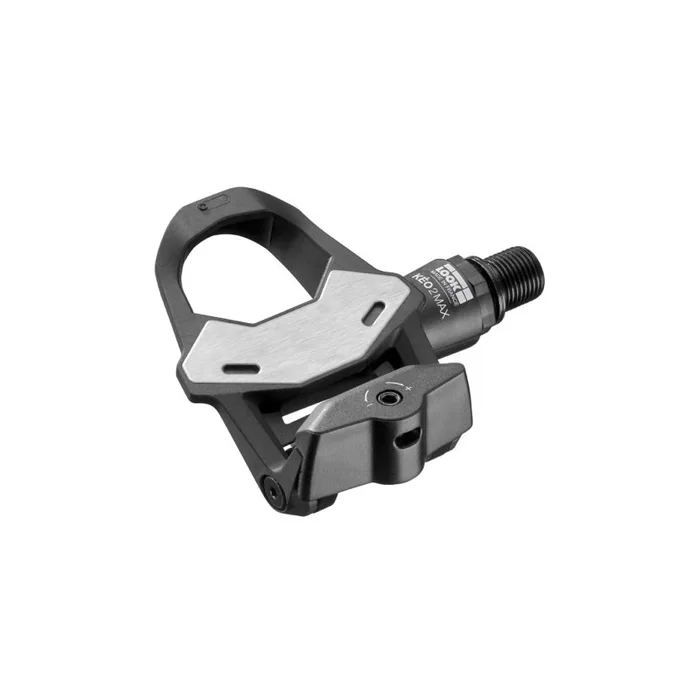
- Buy LOOK Keo 2 Max A light, wide-platform road pedal from the company that set the KEO cleat standard, with adjustable retention and three cleat float options.
- Buy Crankbrothers Candy 2 A four-sided two-bolt pedal with a small alloy platform, walkable recessed cleats and a five-year warranty.
- It depends Wahoo Speedplay Comp A dual-sided road pedal with 0 to 15 degrees of adjustable float, a low stack height and an unusually adjustable cleat.
- Skip ROCKBROS Self-Lock Road Bike Pedals A low-cost road pedal sold in Shimano SPD-SL or LOOK KEO compatible versions, with almost none of the specs that matter published.
What actually matters
- Cleat system - Road pedals use large three-bolt cleats; MTB and gravel pedals use small two-bolt cleats. Your shoes must match the system.
- Walkability - Two-bolt cleats sit recessed in a lugged sole so you can walk normally. Road cleats stick out and wear when you walk on them.
- Float - The degrees your heel can swing while clipped in. Some float lets knees track naturally; zero float locks the foot in place.
- Release tension and angle - How hard and how far you twist to unclip. Beginners benefit from a light, adjustable setting.
- Entry - Single-sided pedals must be flipped to clip in; dual and four-sided designs are faster to engage.
- Platform and stack height - A broad platform spreads pressure; a low stack puts your foot closer to the spindle. Both affect feel more than weight does.
- Bearings and warranty - Sealed cartridge or needle bearings and a multi-year warranty point to a pedal that will last.
The specs, in plain English
Green flags vs red flags
Green flags
- Published float, release angle and tension range
- Named bearing types, such as cartridge or needle bearings
- A multi-year warranty from the pedal maker
- Replacement cleats sold by the maker in several float or release options
- Clear shoe compatibility, such as three-hole or recessed two-hole
Red flags
- No float or release figures on the product page
- Cleats described only as compatible with another brand's system
- No warranty stated, or cleats excluded with no detail
- Plain bushings described as maintenance-free
- Safety warnings in place of clear setup guidance
Who's who: the brands
- LOOK - French maker behind the KEO road cleat standard, one of the most widely supported road systems.
- Crankbrothers - Known for open, multi-sided Eggbeater and Candy pedals with two-bolt cleats and long warranties.
- Wahoo Speedplay - Speedplay, now owned by Wahoo, is known for dual-sided road pedals with very adjustable float and a low stack.
- Shimano - Makes the SPD two-bolt and SPD-SL three-bolt systems that many shoes and bikes are built around.
- TIME - Road and MTB pedal maker, now part of SRAM, with its own ICLIC and ATAC cleat systems.
How to read a listing without getting fooled
Start with the cleat system and bolt pattern, and check that your shoes match it. Then find the float figure, either on the pedal page or on the cleat page, and the release angle or tension range. If those numbers are missing, treat that as a warning. Next, look at the platform or contact area and the stack height, which tell you more about feel than weight does. Finally, check the bearing type, the warranty length and whether replacement cleats in different float options are easy to buy from the maker.
How much should you spend?
Budget clipless pedals are often clones sold as compatible with the big systems, with few published specs. Mid-range pedals from established makers, which include all three of our named-brand picks, offer proper bearings, published float and tension figures and multi-year warranties, and they are the right place for most riders to start. Premium pedals add carbon bodies, titanium or hollow spindles and lower weight, which matter mainly to racers. Remember to budget for cleats, which wear out.
Questions, answered
Do I need special shoes for clipless pedals?
Yes. Clipless cleats bolt to shoes drilled for them: three-hole road shoes for road systems, or MTB and gravel shoes with a two-hole cleat box for two-bolt systems. Check the shoe's sole before choosing pedals. Some systems, like Speedplay, need an adaptor for four-hole shoes.
How often should I replace cleats?
Replace them when they look worn, feel loose or start releasing unexpectedly. Road cleats wear faster if you walk on them often. A memory positioner, like the one on LOOK KEO cleats, makes replacement easier.
Can I put clipless pedals on any bike?
Most adult bikes use a standard 9/16 inch pedal thread. Remember the left pedal has a reverse thread. Check your crank if you have a kids' bike or an unusual bike.
Should I change my saddle height after switching pedals?
Possibly. Pedal stack height varies, and moving from flat pedals to clipless, or between systems, can change your leg extension slightly. Recheck saddle height and cleat position after the switch, or book a bike fit.
Or jump to the head-to-head: LOOK Keo 2 Max vs Crankbrothers Candy 2.