

Cycling
The Best Clipless Pedals: 4 Compared (and One to Skip)
We compared four clipless pedals on cleat system, float, release tension, platform, weight, bearings and warranty, using each maker's published specs.
The short version
The LOOK Keo 2 Max is our top pick for road riders: a 500 mm² stainless steel contact area, adjustable retention from 8 to 12, a 130 g pedal and KEO cleats sold in 0, 4.5 and 9 degree float versions, with a two-year warranty that registration extends to three. The Crankbrothers Candy 2 is the value pick and the one to choose if you want to walk: four-sided entry, a recessed two-bolt cleat that fits MTB and gravel shoes, 6 degrees of float and a five-year warranty. The Wahoo Speedplay Comp depends on you: dual-sided entry and 0 to 15 degrees of adjustable float suit riders with fussy knees, but it has a one-year warranty, fits three-hole shoes only with an adaptor sold separately for four-hole soles, and needs more careful setup. Skip the ROCKBROS Self-Lock Road Bike Pedals, which publish no float, release angle or tension range on their product page and use plain DU bushings. Best for: riders moving from flat pedals to clipless, or replacing the pedals that came with a new bike.
Our picks at a glance
- LOOK Keo 2 Max - Buy. A light, wide-platform road pedal from the company that set the KEO cleat standard, with adjustable retention and three cleat float options.
- Crankbrothers Candy 2 - Buy. A four-sided two-bolt pedal with a small alloy platform, walkable recessed cleats and a five-year warranty.
- Wahoo Speedplay Comp - It depends. A dual-sided road pedal with 0 to 15 degrees of adjustable float, a low stack height and an unusually adjustable cleat.
- ROCKBROS Self-Lock Road Bike Pedals - Skip. A low-cost road pedal sold in Shimano SPD-SL or LOOK KEO compatible versions, with almost none of the specs that matter published.
The verdict in 30 seconds
What mattered most
- Cleat system
- Entry
- Float
- Release / tension
- Weight
- Stack height
Clipless pedals lock your shoe to the bike through a cleat, which makes pedaling smoother and keeps your feet in place over bumps, but the choice ties you to a cleat system and a shoe type. Road systems use a large three-bolt cleat for a broad, stable platform; mountain bike and gravel systems use a small two-bolt cleat recessed into a walkable sole. We compared a mainstream road pedal, a two-bolt gravel and trail pedal, a dual-sided road pedal with unusual adjustability, and a low-cost clone sold as compatible with the big road systems. If you are still choosing the bike, see our road bike and mountain bike guides.
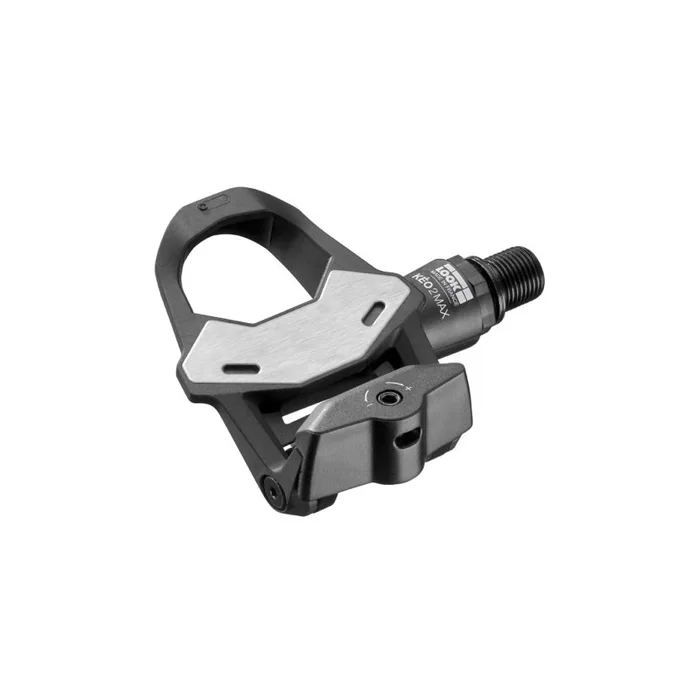
A light, wide-platform road pedal from the company that set the KEO cleat standard, with adjustable retention and three cleat float options.
Best for: Road and fitness riders who want a proven, widely supported three-bolt system with a stable platform.
- A 500 mm² stainless steel contact area and 60 mm platform width give a stable feel under a three-bolt road shoe.
- Retention adjusts from 8 to 12, and KEO cleats come in 0, 4.5 and 9 degree float versions, so you can tune both release effort and knee movement.
- 130 g per pedal and 328 g for the pair with cleats, with a two-year warranty that LOOK extends to three when you register.
- Single-sided entry, so you need to flip the pedal with your foot before clipping in.
- Road cleats protrude from the sole, which makes walking awkward and wears the cleat.
- Total stack height of 17.3 mm (pedal plus cleat) is taller than the Speedplay Comp's 11.5 mm.
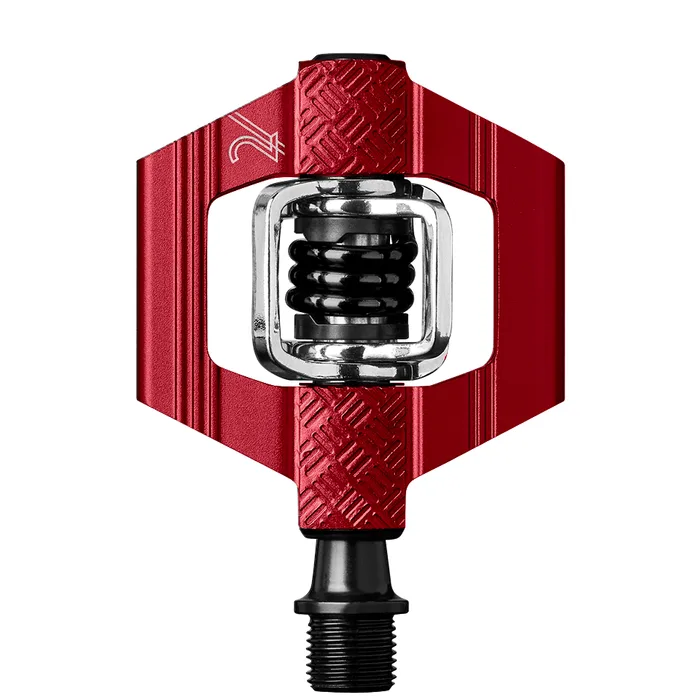
A four-sided two-bolt pedal with a small alloy platform, walkable recessed cleats and a five-year warranty.
Best for: Gravel riders, commuters and anyone new to clipless who wants easy entry and shoes they can walk in.
- Four-sided entry and an open design that Crankbrothers says sheds mud well, so you can clip in fast without looking.
- Works with any MTB or gravel shoe that has a recessed two-hole cleat box, so you can walk normally off the bike.
- A 6061-T6 aluminum body, forged chromoly spindle, Enduro cartridge outer bearing, no rider weight limit and a five-year warranty.
- At 355 g per pair it is the heaviest of the three named-brand pedals here.
- The included cleats have a 15 or 20 degree release; newer riders may want the Easy Release cleats with a 10 degree release, sold separately.
- Crankbrothers says third-party cleats are not approved and void the pedal warranty, so you are tied to its cleats.
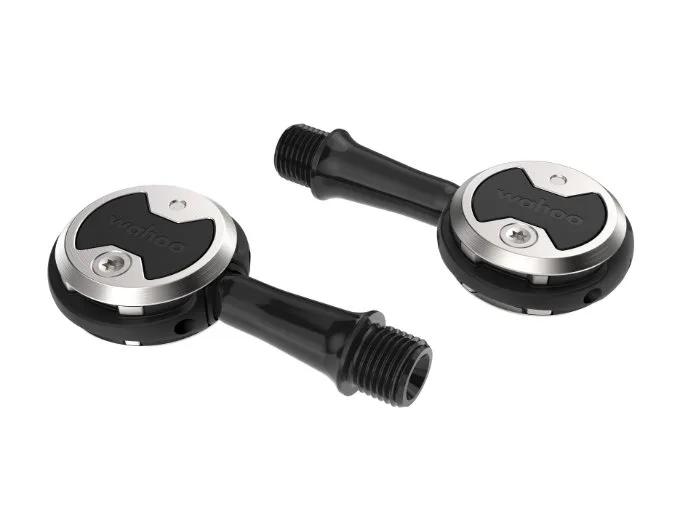
A dual-sided road pedal with 0 to 15 degrees of adjustable float, a low stack height and an unusually adjustable cleat.
Best for: Experienced road riders who want lots of float or a very low stack height, and are happy to spend time on cleat setup.
- Dual-sided entry means you can clip in without looking down or flipping the pedal.
- Float adjusts from 0 to 15 degrees and release angle from 0 to 7.5 degrees, with up to 13 mm fore-aft and 8 mm side-to-side cleat adjustment.
- 232 g per pair, an 11.5 mm stack height on three-hole shoes and 39 degrees of cornering clearance, with Easy Tension cleats and a walkable adaptor included.
- A one-year warranty, against two to three years for LOOK and five for Crankbrothers.
- Fits standard three-hole road shoes; four-hole soles need an adaptor plate sold separately.
- All that adjustability means more setup work to get the cleat position and float right.
- Standard Tension cleats, for a firmer hold, are sold separately from the included Easy Tension set.
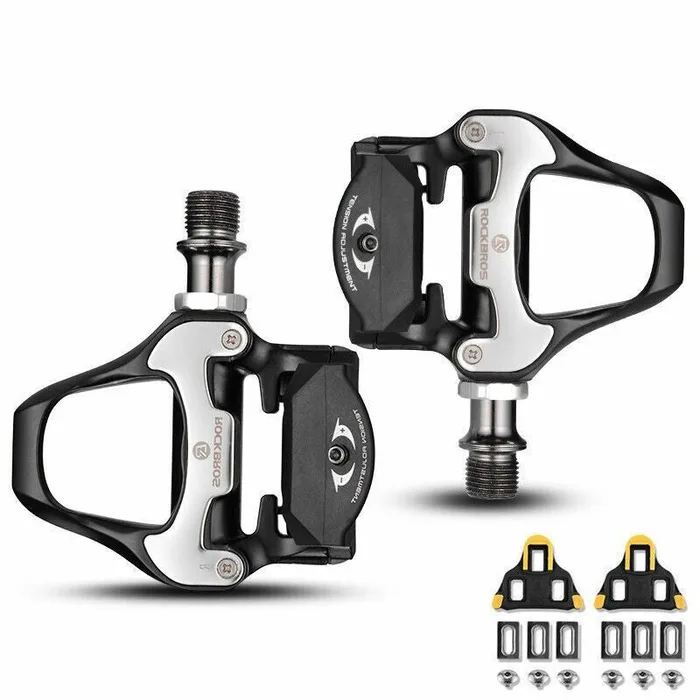
A low-cost road pedal sold in Shimano SPD-SL or LOOK KEO compatible versions, with almost none of the specs that matter published.
Best for: Not recommended; a first clipless pedal should come with published float, release and tension specs.
- Sold in two cleat-compatible versions, so it can match shoes already set up for either system.
- A chromoly spindle and a 297 g pair weight are reasonable on paper.
- Costs much less than the other three pedals here.
- The product page lists no float range, release angle, tension range or stack height, the numbers that decide how a pedal feels and how easily you get out.
- Uses DU bushings, which ROCKBROS describes as self-lubricating, rather than the cartridge bearings the other pedals list.
- The main listing names no warranty; ROCKBROS's separate SPD-SL listing for the same models offers one year and excludes cleats.
- ROCKBROS's own SPD-SL listing warns beginners to practice repeatedly to avoid being unable to release from the cleats.
| Criteria | LOOK Keo 2 Max Top pick | Crankbrothers Candy 2 | Wahoo Speedplay Comp | ROCKBROS Self-Lock Road Bike Pedals |
|---|---|---|---|---|
| Verdict | Buy it | Buy it | It depends | Skip it |
| Best for | Road and fitness riders who want a proven, widely supported three-bolt system with a stable platform. | Gravel riders, commuters and anyone new to clipless who wants easy entry and shoes they can walk in. | Experienced road riders who want lots of float or a very low stack height, and are happy to spend time on cleat setup. | Not recommended; a first clipless pedal should come with published float, release and tension specs. |
| Price tier | $$ · mid-range | $$ · mid-range | $$ · mid-range | $ · budget |
| Cleat system | LOOK KEO, 3-bolt | Crankbrothers, 2-bolt recessed | Speedplay, 3-hole (4-hole adaptor extra) | SPD-SL or KEO compatible |
| Entry | Single-sided | Four-sided | Dual-sided | Single-sided |
| Float | 0, 4.5 or 9° by cleat | 6° (included cleats) | Adjustable 0 to 15° | Not published |
| Release / tension | Retention 8 to 12 | 15° or 20° release; 10° Easy Release cleat extra | Release 0 to 7.5°, adjustable | Adjustable, range not published |
| Weight | 130 g per pedal; 328 g pair with cleats | 355 g per pair | 232 g per pair | 297 g per pair |
| Stack height | 17.3 mm pedal plus cleat | Not published | 11.5 mm (3-hole) | Not published |
| Bearings | Not published | Igus LL-glide inner, Enduro cartridge outer | Triple sealed cartridge and needle | DU bushing |
| Warranty | 2 years, 3 with registration | 5 years | 1 year | Not stated on main listing; 1 year on SPD-SL listing, cleats excluded |
Which one is right for you?
- Road and fitness riders who want a proven, widely supported three-bolt system with a stable platform. Buy it LOOK Keo 2 Max
- Gravel riders, commuters and anyone new to clipless who wants easy entry and shoes they can walk in. Buy it Crankbrothers Candy 2
- Experienced road riders who want lots of float or a very low stack height, and are happy to spend time on cleat setup. It depends Wahoo Speedplay Comp
- Not recommended; a first clipless pedal should come with published float, release and tension specs. Skip it ROCKBROS Self-Lock Road Bike Pedals
How we judged the field
Five things decide whether a clipless pedal works for you. The cleat system comes first, because it sets which shoes you can use and whether you can walk in them. Float is second: how much your heel can rotate while clipped in affects knee comfort. Third is release tension and angle, which decide how easily you get out when you need to put a foot down. Fourth is the platform and stack height, which affect stability and how close your foot sits to the spindle. Fifth is build quality and support, meaning bearings, weight and warranty.
The field splits into three-bolt road systems, two-bolt MTB and gravel systems, and a growing number of low-cost pedals sold as compatible with the big road standards. We picked LOOK’s mainstream road pedal, Crankbrothers’ two-bolt Candy 2 for riders who want to walk, the Speedplay Comp for its unusual adjustability, and a popular ROCKBROS clone that leaves the key specs off its product page.
The LOOK Keo 2 Max is a sensible default for road riders. KEO is LOOK’s own cleat standard, so cleats and compatible shoes are easy to find, and the cleats come in three float versions: 0, 4.5 and 9 degrees, color-coded black, grey and red. The pedal has a composite body with a 500 mm² stainless steel contact area and a 60 mm platform width, which LOOK pitches as stable through the pedal stroke. Retention adjusts from 8 to 12, a 53 mm Q factor is standard, and a pedal weighs 130 g, or 328 g for the pair with cleats. KEO cleats also have a memory positioner, so you can swap worn cleats without losing your setup. The trade-offs are the usual road ones: single-sided entry, a 17.3 mm total stack height that is taller than the Speedplay’s, and a protruding cleat that is awkward to walk on. Warranty is two years, three if you register. It suits road and fitness riders who want a proven system.
The Crankbrothers Candy 2 is the pick for riders who walk, ride gravel or are new to clipless. Its four-sided entry means there is almost always a side ready for your cleat, and the open design is built to shed mud. It works with any MTB or gravel shoe with a recessed two-hole cleat box, so you can walk into a cafe or up a steep trail without clacking on a road cleat. The build is solid: a 6061-T6 aluminum body measuring 67 x 74 mm, stamped steel wings, a forged chromoly spindle, an Igus LL-glide inner bearing with an Enduro cartridge outer bearing, and no rider weight limit. Included cleats give 6 degrees of float with a 15 or 20 degree release, and an Easy Release cleat with a 10 degree release is sold separately. At 355 g per pair it is the heaviest named-brand pedal here, and Crankbrothers says third-party cleats void the warranty. That warranty runs five years, the longest in this test.
The Wahoo Speedplay Comp is the most adjustable pedal here, and that is both its appeal and its catch. It is dual-sided, so you can clip in without looking. Float adjusts from 0 to 15 degrees, release angle from 0 to 7.5 degrees, and the cleat moves up to 13 mm fore-aft and 8 mm side to side. It weighs 232 g per pair, sits at an 11.5 mm stack height on three-hole shoes and offers 39 degrees of cornering clearance. Wahoo includes Easy Tension cleats with a walkable adaptor. The downsides are practical. The warranty is one year, the shortest of the named brands. It fits standard three-hole road shoes, and four-hole soles need an adaptor plate sold separately, as are Standard Tension cleats and cleat covers. All that adjustment also means more setup time to get right. It suits experienced road riders who need lots of float or want the lowest stack height and are happy to fine-tune.
The ROCKBROS Self-Lock Road Bike Pedals are a popular low-cost option sold in versions compatible with Shimano SPD-SL or LOOK KEO cleats. On paper some numbers look fine: a chromoly spindle and a 297 g pair weight. The problem is what the product page leaves out. It lists no float range, no release angle, no tension range and no stack height, which are exactly the specs that decide how a pedal feels and how reliably you get out of it in a hurry. The bearings are DU bushings, which ROCKBROS describes as self-lubricating, where every other pedal here lists cartridge bearings. The main listing names no warranty; a separate ROCKBROS SPD-SL listing covering the same model numbers offers one year with cleats excluded and warns beginners to practice repeatedly to avoid being unable to release. For a part your safety depends on, skip it and buy a pedal with published specs.
LOOK Keo 2 Max vs Crankbrothers Candy 2: which should you buy?
The LOOK Keo 2 Max and the Crankbrothers Candy 2 cost about the same but solve different problems. The Keo 2 Max is a road pedal: a broad stainless steel contact area, adjustable retention from 8 to 12, a choice of three float cleats and light weight at 130 g per pedal. The Candy 2 is a two-bolt pedal with four-sided entry, a recessed cleat you can walk on, 6 degrees of float and a five-year warranty.
Choose the Keo 2 Max if you ride mostly on the road in dedicated road shoes and want the stable feel and wide shoe support of a three-bolt system. Choose the Candy 2 if you ride gravel or trails, commute, stop often, or want to walk normally off the bike. If you are new to clipless and unsure, the Candy 2’s easier entry and walkable shoes make it the more forgiving starting point.
What to look for
- The right cleat system for your shoes: Three-bolt road cleats need road shoes; two-bolt cleats need MTB or gravel shoes with a recessed cleat box.
- Published float: Look for a stated float figure or cleat options, so you can match knee movement rather than guess.
- Adjustable release tension: A wide, published tension or release range lets beginners start light and tighten up later.
- Entry style: Single-sided road pedals need a flick to orient; dual or four-sided pedals are easier to clip into at junctions.
- Real bearings and a real warranty: Cartridge or needle bearings and a multi-year warranty signal a pedal built to last.
- Cleat cost and availability: Cleats wear out, so pick a system whose replacement cleats are easy to find.
Our final take
For most road riders, the LOOK Keo 2 Max is the pedal to buy: a stable 500 mm² platform, adjustable retention, three cleat float choices and a system that almost every road shoe supports. If you ride gravel, commute or want to walk normally, the Crankbrothers Candy 2 is the better buy, with four-sided entry, recessed cleats and a five-year warranty. The Wahoo Speedplay Comp suits experienced riders who want up to 15 degrees of float and will put in the setup time. Skip the ROCKBROS Self-Lock Road Bike Pedals; a pedal you have to get out of quickly should publish its float, release and tension specs.
Questions, answered
Should I choose road (three-bolt) or two-bolt clipless pedals?
Choose by how much you walk and where you ride. Three-bolt road systems like LOOK KEO use a large cleat and a broad platform that feels stable under hard efforts, but the cleat sticks out and makes walking awkward. Two-bolt systems like the Crankbrothers Candy 2 use a small cleat recessed into a lugged sole, so you can walk normally. Many commuters, gravel riders and beginners are happier on two-bolt pedals even on a road bike.
What is float, and how much do I need?
Float is how far your heel can swing side to side while you are clipped in before the pedal releases. Some float lets your knees track naturally, which is why many riders start with a few degrees. LOOK sells KEO cleats with 0, 4.5 or 9 degrees, Crankbrothers' included cleats give 6 degrees, and the Speedplay Comp adjusts from 0 to 15 degrees. If you have knee pain, a bike fit is worth more than guessing.
Are clipless pedals safe for beginners?
Yes, with practice and the right setup. Start with the release tension at its lightest, practice clipping in and out while holding a wall or on a trainer, and unclip early when you approach a stop. Multi-sided pedals like the Candy 2 and Speedplay Comp make clipping in easier. Most new riders tip over once at low speed, which is why practice before traffic matters.
Do clipless pedals come with cleats?
All four pedals here include cleats, but check which ones. Crankbrothers includes 15 or 20 degree release cleats and sells a 10 degree Easy Release set separately. Speedplay includes Easy Tension cleats and sells Standard Tension cleats separately. Cleats wear, especially road cleats used for walking, so budget for replacements.
Can I use third-party or compatible cleats?
Makers generally do not recommend it. Crankbrothers says third-party cleats are not approved and void its pedal warranty. Compatible-cleat pedals and cleats may engage and release differently from the originals, which matters most when you need to get a foot down quickly. Stick with the pedal maker's own cleats where you can.
Deciding between the top two? See our head-to-head: LOOK Keo 2 Max vs Crankbrothers Candy 2.
More Cycling reviews
 The Best CO2 Inflators: 4 Compared (and One to Skip)
  The Best Commuter Bike Helmets: Real Safety You'll Actually Wear (and One to Skip)
  The Best Cycling Gloves: 4 Compared (and One to Skip)
  The Best Electric Bikes: 4 Compared (and One to Skip)
  The Best Handlebar Bags: 4 Compared (and One to Skip)
  The Best Handlebar Tape: 4 Compared (and One to Skip)