

Cycling
The Best Electric Bikes: 4 Compared (and One to Skip)
We compared four current commuter e-bikes on ride feel, real-world range, how well they're equipped, and long-term support.
The short version
After weighing independent testing and owner reports, the Aventon Level 4 REC is the best all-around commuter: it comes fully equipped, offers switchable torque or cadence assist, and adds genuine anti-theft tech. The Lectric XP4 is the value champion and folds to fit a trunk, making it the smart budget buy. The Specialized Turbo Vado SL 2 4.0 EQ is built around low weight and a natural ride, but only makes sense if its flagship price fits your budget. We'd skip the Rad Power Radster Road: the bike itself is fine, but the brand's inconsistent support track record is a real risk on a big purchase. Best for: most commuters, the Aventon Level 4 REC; for tight budgets and small spaces, the Lectric XP4.
Our picks at a glance
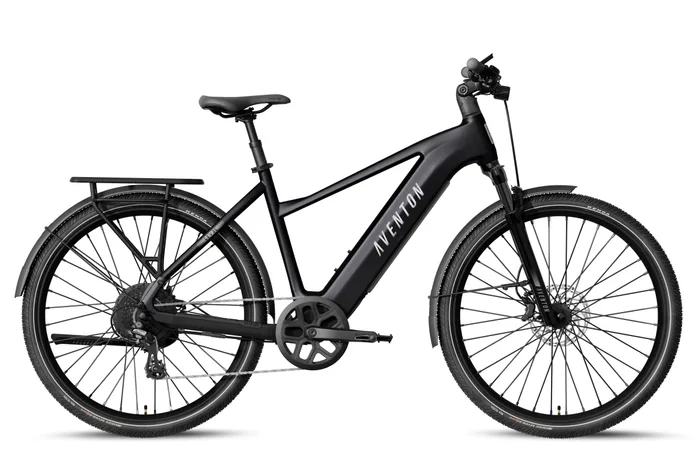
- Aventon Level 4 REC Ebike - Buy. A genuinely loaded commuter that switches between torque and cadence assist and ships ready to ride.
- Lectric XP4 - Buy. The value benchmark: a folding, fully-featured commuter that undercuts almost everything without feeling cheap.
- Specialized Turbo Vado SL 2 4.0 EQ - It depends. A light, quiet, naturally-riding e-bike that feels premium in every way except the price.
- Rad Power Bikes Rad Power Radster Road - Skip. A capable commuter on paper, but the brand's shaky support track record makes it a gamble.
The verdict in 30 seconds
What mattered most
- Class / top speed
- Assist feel
- Real-world range
- Weight & portability
- Commute-ready kit
- Support & reliability
Commuter e-bikes have split into clear lanes: featherweight naturals, loaded do-everything workhorses, fold-in-the-trunk value picks, and heavy hub-drive cruisers. We synthesized independent testing and owner reports across four 2026 models to find where each one actually earns its keep. Two are easy recommendations, one is worth it only for the right rider, and one we'd steer most people away from despite decent specs.
A genuinely loaded commuter that switches between torque and cadence assist and ships ready to ride.
Best for: Riders who want one bike that does everything and arrives commute-ready with nothing left to buy.
- Comes fully equipped with integrated lights, fenders, and a rear rack out of the box
- Switchable torque/cadence sensor lets you choose a natural pedal feel or a lazy cruise
- Front suspension fork plus suspension seatpost smooth out rough pavement
- 4G/GPS tracking, an integrated rear wheel lock, and unusual activity detection with an alarm add real theft deterrence
- Regenerative braking, which Aventon says adds about 10 miles of range
- 68.5 lb per Aventon, heavy enough that stairs and car racks are a chore
- Ships as a Class 2 ebike; Class 3 speeds need it converted
- A rear hub motor, not the mid-drive of the Specialized
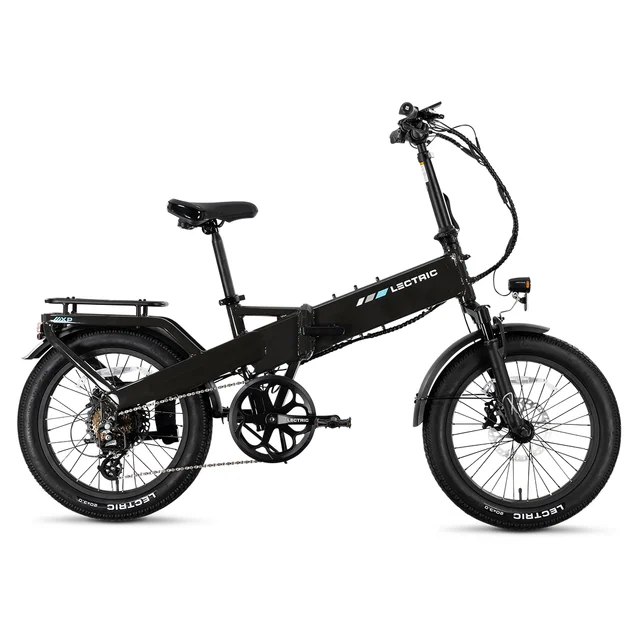
The value benchmark: a folding, fully-featured commuter that undercuts almost everything without feeling cheap.
Best for: Budget-minded commuters and apartment or small-space dwellers who need to fold and stash the bike.
- Torque-sensor assist and hydraulic brakes at a budget price point
- Folds down to fit a trunk, closet, or RV, so no bike rack required
- Long-range battery option covers big weekly mileage on a single charge
- Adjustable fit works for a wide range of rider heights
- Around 70 lb, so folding it is more of a lift than a carry
- Small fat tires and folding frame ride less efficiently than a full-size commuter
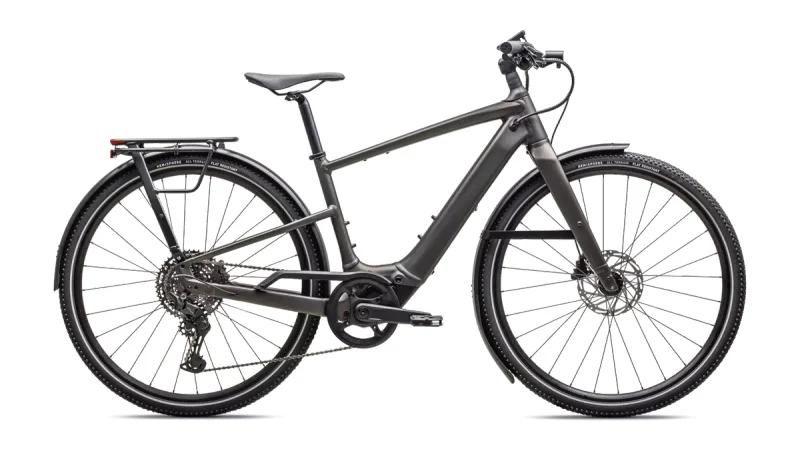
A light, quiet, naturally-riding e-bike that feels premium in every way except the price.
Best for: Riders with the budget who prioritize low weight, ride feel, and shop-backed service over raw range.
- Light for the category, so it's easy to carry up stairs and handles like a normal bike
- Quiet, low-drag motor gives a natural ride that many owners prefer
- Fully equipped with lights, fenders, and rack, plus a supportive dealer network
- Optional range extender battery adds miles for longer days
- Flagship pricing puts it well above the rest of this field
- Smaller, lighter motor and battery mean less brute range than a heavy hub-drive unless you add the extender
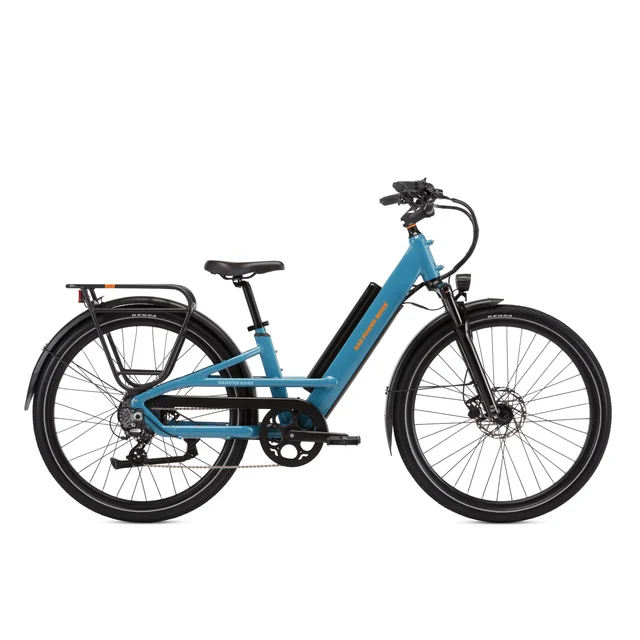
A capable commuter on paper, but the brand's shaky support track record makes it a gamble.
Best for: Confident home mechanics who want the spec and are willing to self-support the bike.
- Class switchable 1 to 3 (ships as Class 2, up to 28 mph in Class 3), with torque-sensor assist and hydraulic disc brakes
- Removable battery and a comfortable, upright, step-through-friendly riding position
- Ships equipped with integrated lights, fenders, and a rear rack
- Owner reports flag inconsistent customer service and warranty support
- Sold mainly direct, so service depends on Rad's own service locations and subscription rather than a broad dealer network
| Criteria | Aventon Level 4 REC Ebike Top pick Buy it Buy | Lectric XP4 Buy it Buy | Specialized Turbo Vado SL 2 4.0 EQ It depends Buy | Rad Power Radster Road Skip it Buy |
|---|---|---|---|---|
| Best for | Riders who want one bike that does everything and arrives commute-ready with nothing left to buy. | Budget-minded commuters and apartment or small-space dwellers who need to fold and stash the bike. | Riders with the budget who prioritize low weight, ride feel, and shop-backed service over raw range. | Confident home mechanics who want the spec and are willing to self-support the bike. |
| Price tier | $$$ · premium | $ · budget | $$$$ · flagship | $$ · mid-range |
| Class / top speed | Class 2, convertible to Class 3, per Aventon | Up to 28 mph | Not verified on maker page | Switchable Class 1 to 3, up to 28 mph |
| Assist feel | Switchable torque or cadence | Torque sensor | Torque sensor, natural feel | Torque sensor |
| Real-world range | Strong (733 Wh battery, up to 75 mi rated) | Strong with long-range pack | Moderate; extender optional | Moderate to strong |
| Weight & portability | Heavy | Heavy but folds | Light, easy to carry | Heavy |
| Commute-ready kit | Lights, fenders, rack | Lights, fenders, rack | Lights, fenders, rack | Lights, fenders, rack |
| Support & reliability | Direct and through 1,800+ bike shops | Direct support | Strong dealer network | Reports of inconsistent support |
| Price tier | $$$ · premium | $ · budget | $$$$ · flagship | $$ · mid-range |
Which one is right for you?
- Riders who want one bike that does everything and arrives commute-ready with nothing left to buy. Buy it Aventon Level 4 REC Ebike
- Budget-minded commuters and apartment or small-space dwellers who need to fold and stash the bike. Buy it Lectric XP4
- Riders with the budget who prioritize low weight, ride feel, and shop-backed service over raw range. It depends Specialized Turbo Vado SL 2 4.0 EQ
- Confident home mechanics who want the spec and are willing to self-support the bike. Skip it Rad Power Bikes Rad Power Radster Road
How we judged the field
We don’t run our own lab. Instead, we synthesize independent testing and aggregated owner reports, then weigh them against what actually matters on a daily commute. Four things rose to the top. First, ride feel and assist quality: a torque sensor that scales power to your effort beats a cadence sensor that flips power on and off. Second, real-world range, which owners consistently report is lower than headline numbers once you factor in hills, cold, and higher assist levels. Third, how commute-ready the bike is out of the box, meaning integrated lights, fenders, and a rack you don’t have to source yourself. And fourth, the least glamorous but most decisive factor over years of ownership: reliability and the odds you can actually get support when something breaks.
Every bike here is a commuter that arrives equipped for real errands. Where they diverge is weight, range, ride character, price, and how much you can trust the company behind them.
Aventon Level 4 REC Ebike
Buy itThe Level 4 REC is the closest thing to a do-everything commuter in this group, and Aventon’s successor to the Level 3, which it now lists as discontinued. Aventon lists it as a Class 2 ebike, convertible to Class 3, with a throttle, a 750W hub motor with 80Nm of torque, a removable 733 Wh battery rated for up to 75 miles, and a 68.5 lb weight. It rides on an 80 mm suspension fork and a suspension seatpost, stops with Tektro hydraulic disc brakes, and adds regenerative braking that Aventon says recovers about 10 extra miles on descents. Crucially, it ships with lights, fenders, and a rear rack, so there’s no second shopping trip. Its standout trick is a switchable sensor: pick torque assist when you want a natural, efficient ride, or cadence assist when you just want to spin and cruise. The connected security suite adds 4G/GPS tracking, an integrated rear wheel lock, unusual activity detection and an alarm, the most complete set here.
The trade-offs are honest ones. It’s a heavy bike at 68.5 lb, so hauling it up stairs or onto a car rack is a workout, and its rear hub motor lacks the natural feel of the Specialized’s mid-drive. For a rider who wants one bike that covers commuting, errands, and weekend miles, those are easy compromises.
Lectric XP4
Buy itThe XP4 is why the value conversation exists. It packs a torque sensor, hydraulic brakes, an 8-speed drivetrain, a color display, and a full kit of fenders and rack into a folding frame that costs a fraction of the premium options. The long-range battery version covers serious weekly mileage on one charge, and the fold-flat design means you can stash it in a trunk, a closet, or an RV rather than mounting a rack.
Compromises show up in the ride: at roughly 70 pounds it folds more than it truly carries, and the small fat tires plus folding frame feel less planted and efficient than a full-size commuter. But for the money, nothing else delivers this much usable capability, which makes it the default pick for budget-minded and space-constrained riders.
Specialized Turbo Vado SL 2 4.0 EQ
It dependsThe Vado SL 2 plays a different game. Where the others chase power and range, it chases feel. It is built to be light, so it’s easy to lift and handles like a normal bike, and its quiet, low-drag motor delivers assist so natural that many owners forget it’s electric until they need it. It comes fully equipped, it’s backed by a real dealer network for service, and an optional range extender battery adds miles when you need them.
The catch is right there on the price tag: this is flagship territory, well above everything else here. And because the motor and battery are smaller and lighter, brute-force range trails the heavy hub-drive bikes unless you buy the extender. If your budget stretches and you value low weight, ride quality, and shop-backed support more than raw watt-hours, it’s worth every bit. If you’re cross-shopping on range-per-dollar, it isn’t.
Rad Power Radster Road
Skip itOn paper the Radster Road belongs in the conversation. It’s a class-switchable commuter that reaches 28 mph in Class 3, with a 750W hub motor, torque-sensor assist, hydraulic disc brakes, a removable battery, and the usual lights-fenders-rack kit, wrapped in a comfortable, upright, step-through-friendly frame. If we were grading the hardware alone, it would be a fair mid-range pick.
We’re not grading the hardware alone. Owner reports repeatedly flag inconsistent customer service and warranty support, and because the bike is sold mainly direct, service depends on Rad’s own service locations rather than a broad dealer network. On a heavy, electronically complex machine you plan to keep for years, that support risk is the whole ballgame, and it’s why we’d point most buyers toward a better-backed alternative even at a similar price.
Aventon Level 4 REC vs Lectric XP4: which should you buy?
These are the two bikes we’d actually recommend to most people, and the choice comes down to budget and living situation. The Aventon Level 4 REC is the more refined, more capable machine: suspension at both ends, switchable assist, built-in security, and a planted full-size ride. It’s the one to buy if you want a single bike that does everything well and you have somewhere to park it.
The Lectric XP4 wins on price and practicality. It gives up some ride polish and adds folding-frame quirks, but it costs dramatically less and tucks away where a full-size bike can’t. If you’re on a budget, live in an apartment, or need to fold the bike into a car, the XP4 is the smart call. Spend up for the Level 4 REC when ride quality and features justify it; save with the XP4 when value and storage rule the decision.
What to look for
- Assist type: favor a torque sensor for a natural feel and better range; a switchable torque/cadence system is a bonus.
- Honest range: assume real mileage runs below the headline figure, and size the battery to your actual commute plus a margin for hills and cold.
- Commute-ready kit: integrated lights, fenders, and a rack save money and hassle versus bolting them on later.
- Weight: if you’ll carry the bike up stairs or onto a rack, lighter is worth a lot; heavy bikes are fine if they live at ground level.
- Class and local rules: Class 3 speed is great for open roads but restricted on some paths, so confirm what’s allowed where you ride.
- Support: buy from a brand with a dependable service reputation and available parts; it matters more than any single spec.
Our final take
For most commuters, the Aventon Level 4 REC is the bike to buy: it’s fast, fully equipped, comfortable, secure, and flexible enough to be your only bike. If budget or storage rules your decision, the Lectric XP4 delivers most of what matters and folds away, making it the value pick with no real regrets. Step up to the Specialized Turbo Vado SL 2 4.0 EQ only if you want the lightest, most natural ride here and the flagship price fits. And skip the Rad Power Radster Road: the bike is fine, but you deserve a company that will stand behind it, and the reports suggest this one may not.
Questions, answered
What's the difference between a Class 2 and Class 3 e-bike for commuting?
Class 2 bikes assist up to 20 mph and usually include a throttle, while Class 3 bikes assist up to 28 mph and are pedal-assist focused. Class 3 gets you through faster traffic and keeps up on open roads, but some bike paths and campuses restrict it, so check local rules before you buy.
How much range do I really need?
For most daily commutes, a round trip is well under what these batteries deliver, even accounting for the real-world figures owners report being lower than the marketing numbers. Hills, cold weather, higher assist levels, and rider weight all cut range, so if your commute is long or hilly, favor a bigger battery or a model that accepts a range extender.
Torque sensor or cadence sensor, and does it matter?
A torque sensor measures how hard you pedal and scales power to match, which feels natural and stretches range. A cadence sensor just detects that you're pedaling and delivers a set boost, which feels more like a switch. Most riders prefer torque assist; the Aventon Level 4 REC is notable for letting you switch between the two.
Are these bikes ready to ride, or do I need to buy accessories?
All four ship with integrated lights, fenders, and a rear rack, so you're covered for wet-weather, after-dark, and light cargo commuting without extra spending. Budget separately for a good lock, a helmet, and possibly a phone mount.
Why skip a bike that has good specs on paper?
Specs only matter if the bike keeps running and you can get help when something breaks. Direct-to-consumer brands with shaky service reputations can leave you troubleshooting a heavy, complex machine on your own, so long-term support and parts availability deserve as much weight as motor wattage and battery size. This is general product information to help you compare, not a substitute for a hands-on test ride.
Deciding between the top two? See our head-to-head: Aventon Level 4 REC Ebike vs Lectric XP4.
More in Cycling
Electric Bikes, Explained Plain-English guide → Aventon Level 4 REC Ebike vs Lectric XP4 Head-to-head →  The Best Handlebar Bags: 4 Compared (and One to Skip)
  The Best Handlebar Tape: 4 Compared (and One to Skip)
  The Best Hitch Bike Racks: 4 Compared (and One to Skip)
  The Best Mini Bike Pumps: 4 Compared (and One to Skip)