Explained
Breast Pumps, Explained
After reading, you will understand what breast pump specs actually mean and how to match a pump to how, where, and how often you plan to pump.
In this guide
Breast pumps split into two worlds that get compared as if they are the same thing: traditional double-electric pumps that sit on a table and prioritize output, and slim wearable pumps that tuck into a bra so your hands stay free. Most first-time buyers get tripped up by a single big suction number on the box, when the things that actually decide comfort and output are flange fit, how well the pump empties, and whether the style fits your day. This guide decodes the jargon so you can shop by what matters.
The 30-second version
- There is no single best pump - there is a best pump for how and where you pump, and the two main styles trade output for freedom in opposite directions.
- Suction strength is measured in mmHg, but a high number means little if the pump does not empty you comfortably and completely, so weight track record over the headline figure.
- Flange fit matters more than the brand, because the wrong size causes pain and quietly reduces how much milk you get out.
- Price mostly buys discretion and quietness, not raw power - a mid-priced traditional pump can out-suction a flagship wearable.
- Insurance changes the math here more than almost any category, so always price a pump after coverage, not off the sticker.
The products this guide is about
Our verdict on each, with the full reasoning on the companion review.
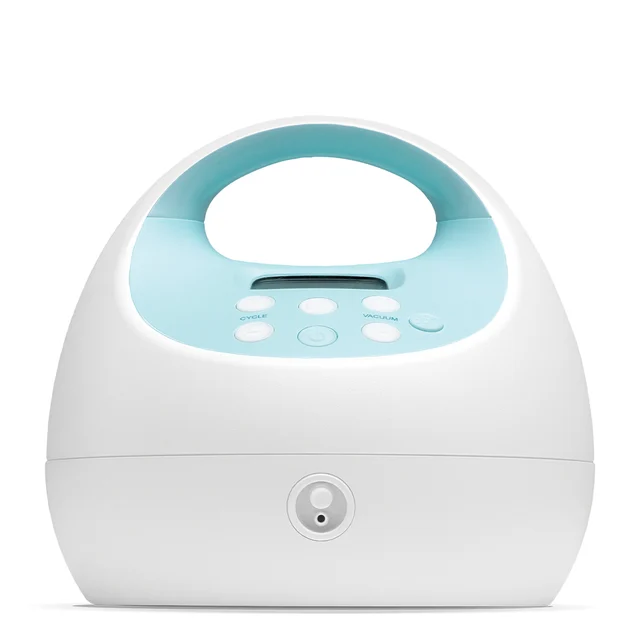
- Buy Spectra S1 Plus The reliable, strong-suction closed-system double-electric for home pumping. Amazon
- Buy Willow Go The wearable that finally makes hands-free pumping feel like a real pump, not a compromise. Amazon
- It depends Momcozy M5 Smart A remarkably cheap, comfortable wearable with one caveat worth taking seriously. Amazon
- Skip Elvie Pump The pioneering flagship wearable that newer, cheaper, stronger rivals have quietly overtaken. Amazon
What actually matters
- Suction strength and emptying: the pump has to draw milk out comfortably and completely, session after session; a strong advertised number is meaningless if the pump leaves milk behind or hurts.
- Style (wearable vs traditional): decide honestly whether you truly need hands-free, in-bra pumping or whether a seated session at home works, because this single choice drives almost everything else.
- Flange fit: the funnel that sits against you is the biggest driver of comfort and output; confirm which sizes are included and whether the size you need exists.
- Cleaning burden: count the parts and check whether it is a closed system, because a fussy multi-part pump becomes a real chore across several sessions a day.
- Noise and discretion: these matter most for pumping at work, in a car, or near a sleeping baby, and are the main thing premium wearables are actually selling.
- Total cost after insurance: a covered traditional pump plus a smaller upgrade fee for a wearable is often the smartest overall spend rather than paying flagship pricing outright.
The specs, in plain English
Green flags vs red flags
Green flags
- A closed system, which is easier to clean
- Strong suction backed by independent testing or a deep track record of owner reports, not just a box claim
- A range of flange sizes available, including sizes beyond the default
- Separate, adjustable letdown and expression controls
- Broad insurance coverage, which can make a strong traditional pump nearly free
- A short, simple parts list that is quick to wash and reassemble
Red flags
- A big suction number with no independent verification and thin owner feedback
- Only one flange size offered, with no larger or smaller options
- Many small parts or a fussy assembly where a misaligned valve or seal silently kills suction
- An open system when a closed one is available at a similar price
- Flagship pricing justified only by slimness while output lags cheaper rivals
- Reviews mentioning leaks unless you stay upright, if you need to pump reclined
Who's who: the brands
- Spectra - Traditional closed-system double-electric pumps known for reliable, strong suction and heavy insurance coverage; a common professional first recommendation.
- Willow - Premium wearable pumps aimed at people who need genuine hands-free pumping.
- Momcozy - Budget wearables that deliver most of the everyday convenience for a fraction of the price, with fewer parts to clean.
- Elvie - The pioneer of fully wearable, tube-free pumping; tube-free and quiet, with owners reporting weaker suction than traditional pumps and newer rivals competing on value.
- Medela - A long-established maker of traditional double-electric pumps and accessories, widely stocked and frequently insurance-eligible.
How to read a listing without getting fooled
Start by ignoring the single largest number on the box. A suction figure in mmHg tells you the ceiling, not how well the pump empties you or how it feels, so look for pumps backed by independent testing or a large body of owner reports before you trust the spec. Next, confirm the style matches your day - a tabletop double-electric and an in-bra wearable are solving different problems, and a listing will bury that distinction under shared buzzwords like 'hospital-grade.' Check whether it is a closed system, count the washable parts, and find the list of available flange sizes rather than assuming the included size fits. Finally, read the fine print on leaks and lean angle for wearables, and treat app features and 'smart' tracking as nice-to-haves, not reasons to pay more.
How much should you spend?
Spend based on how you will pump, not on the highest number you can afford. The value sweet spot for most people is a strong, closed-system traditional pump, which is where insurance coverage is most generous and can bring your real cost close to nothing - always price a pump after benefits, not off the sticker. Stepping up to a premium wearable is worth it when you genuinely need to pump hands-free through a workday or while caring for other children; you are paying for discretion, quietness, and a slim form factor rather than more power. Budget wearables are a smart backup or occasional-use buy, and a good choice once your supply is well established. Paying flagship prices is the hardest to justify, because a mid-priced traditional pump often out-performs a top-tier wearable on the thing that matters most, which is complete emptying.
Questions, answered
Are wearable pumps as good as traditional double-electric pumps?
The strongest wearables now come close, and some earn real praise for output. But independent testing and owner reports still give traditional pumps an edge in consistent, complete emptying, which matters most for exclusive pumping or building a supply. Many parents keep a traditional pump for home and a wearable for convenience on the move.
Is a more expensive pump always better?
No. A mid-priced traditional pump can out-suction a flagship wearable, and a budget wearable covers most everyday needs for far less. Price mostly buys discretion, quietness, and a slimmer in-bra form factor rather than raw pumping power, so match the spend to how you will pump.
Why does flange size matter so much?
The flange is the funnel that fits over the nipple, and the wrong size is the most common hidden cause of pain and low output. Many people need a size other than the one included in the box, so check which sizes a pump offers before you commit, and be prepared to buy a different size separately.
Will insurance help pay for a pump?
Often, yes. Traditional pumps are very commonly covered in full, while premium wearables are frequently offered as an upgrade fee on top of a covered base pump. Coverage varies by plan and may require an in-network supplier, so check your specific benefits before ordering.
Which pump is right for my body and my supply?
This guide offers general product information, not medical advice. Flange fit, suction tolerance, and supply are individual, and the wrong setup can cause pain or reduce output. Consult a lactation consultant (IBCLC) or your healthcare provider for guidance tailored to you, especially if you are exclusively pumping, notice a drop in supply, or experience discomfort.
Or jump to the head-to-head: Spectra S1 Plus vs Willow Go.