Explained
Convertible Car Seats, Explained
After reading this you will understand every spec on a convertible car seat listing and know which ones actually keep a child safer.
In this guide
A convertible car seat rides rear-facing for a baby and then flips to forward-facing as a child grows, which is why it is called convertible. First-time buyers usually fixate on features and fabric, but the thing that actually protects a child is a tight, correct install and staying rear-facing as long as the seat allows. This guide decodes the jargon so you can tell a genuinely safer seat from a well-marketed one.
The 30-second version
- Install feel beats feature count. The safest seat is the one you can install tightly and correctly every time, so lock-offs and tensioning systems matter more than a long spec list.
- Rear-facing longer is the goal. Higher rear-facing height and weight limits, plus an extension panel or deep recline, let a child stay in the safer rear-facing position well past their second birthday.
- Fit is three-way. A seat has to fit your vehicle, your child, and your patience; a spec-sheet winner that does not fit your back seat gets installed worse than a modest seat that does.
- LATCH is convenient, not unlimited. Lower-anchor LATCH has a combined weight ceiling, after which you must switch to a properly locked seat belt, so know your plan before you buy.
- Every seat sold meets the crash standard. Federal certification is a floor, not a ranking, so real differences come down to usability, rear-facing runway, and how easy the seat is to get tight.
The products this guide is about
Our verdict on each, with the full reasoning on the companion review.
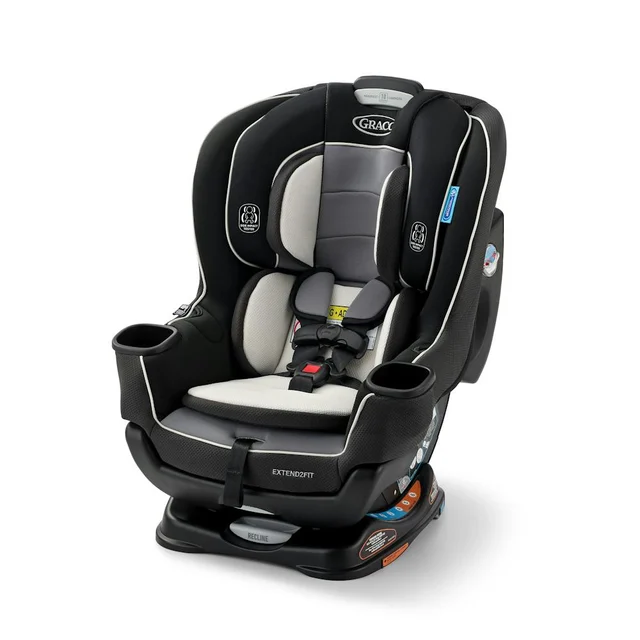
- Buy Graco Extend2Fit Convertible Car Seat The value benchmark for keeping a tall toddler rear-facing longer. Amazon
- Buy Britax Poplar S Convertible Car Seat The most misuse-resistant install in a slim 17-inch shell. Amazon
- It depends Chicco NextFit Max ClearTex Convertible Car Seat A precise, chemical-conscious seat that is happiest staying in one car.
- Skip Safety 1st Grow and Go All-in-One Convertible Car Seat Cheap and light, but the fussy, lock-off-free install undercuts the value. Amazon
What actually matters
- Ease of a tight install - a seat that should not move more than one inch at the belt path is only safe if you can actually achieve that fit; systems that hold tension for you remove the step most people get wrong.
- Rear-facing capacity - the height and weight at which a child must turn forward-facing; higher limits and legroom features keep a child rear-facing longer, which is markedly safer for the head, neck, and spine.
- Fit in your specific vehicle - shell depth and recline range decide whether the seat fits your back seat and still leaves room for the front passenger; measure and test-fit before committing.
- Width for three-across - if you need three seats in one row or drive a compact car, a slim shell is the single spec that makes it possible.
- Harness adjustment - a no-rethread harness raises the headrest and straps together so you are not un-threading webbing every growth spurt, which keeps the fit correct over time.
- Weight and portability - a heavy seat is fine if it lives in one car but becomes a real burden if you move it between vehicles often.
- Expiration and lifespan - seats carry a printed expiration date after which materials degrade; a longer usable window and multiple modes stretch the value.
The specs, in plain English
Green flags vs red flags
Green flags
- A lock-off or strong tensioning system that makes a tight, no-more-than-one-inch install easy to repeat
- High rear-facing weight and height limits, ideally with an extension panel or deep recline
- A clear recline level indicator so you can set the correct angle with confidence
- A no-rethread harness that grows with the child without re-routing webbing
- A slim shell if you need three-across or drive a compact car
Red flags
- No forward-facing lock-off and a fixed headrest that makes cinching the belt tight difficult
- A low rear-facing weight ceiling that ends rear-facing earlier than comparable seats
- Owner reports that repeatedly describe struggling to get a secure, non-moving install
- A shell so deep it crowds the front seats or so wide it will not fit your vehicle
- A seat sold new but already close to its printed expiration date, or a retired model still on shelves
Who's who: the brands
- Graco - Broad, value-focused lineup; known for extended rear-facing seats that offer long rear-facing runway at mid-range prices.
- Britax - Premium seats built around foolproof installation and steel-frame structure, with belt lock-off systems that make a tight fit repeatable.
- Chicco - Precise, well-engineered seats with strong tensioning and leveling systems; some lines emphasize flame-retardant-free materials.
- Safety 1st - Budget-friendly, lightweight seats that suit occasional or backup use more than a daily primary seat.
How to read a listing without getting fooled
Read a car seat listing from the safety side first, not the feature side. Start with the rear-facing weight and height limits, because those decide how long your child stays in the safest position; then look for how the seat gets tight, meaning a lock-off, a belt-tensioning mechanism, or a LATCH tightener, and a recline level indicator to set the angle. Note the shell width and depth against your actual back seat, not against a photo, and check whether the harness is no-rethread so the fit stays correct as your child grows. Treat air-quality certifications and fabric claims as tie-breakers, not deciding factors, and be skeptical of any listing that leads with comfort and styling while burying the install details. Finally, confirm the model is currently in production and check the expiration window, since retailers sometimes still stock seats manufacturers have retired.
How much should you spend?
Spend where it buys a safer, easier install and more rear-facing time, not where it buys features you will rarely use. Budget seats can be genuinely fine as a light backup or a grandparent's car, but the cheapest tier often omits lock-offs and tops out at a lower rear-facing weight, which are exactly the things that keep a child safer, so they make a poor daily primary seat. The mid-range is where most families find the sweet spot: a tight-install system, generous rear-facing limits, and a no-rethread harness without paying a premium. Stepping up to the flagship tier is worth it when a foolproof install, a slim three-across footprint, or specific materials genuinely matter to you; it is not worth it if you are paying mainly for styling. Because a seat lasts several years and often covers more than one child, a modest step up that you will use every day usually earns its keep.
Questions, answered
How long should my child ride rear-facing?
Keep your child rear-facing until they reach the seat's rear-facing height or weight limit, which is safest for the head, neck, and spine. On most convertible seats that means well past a child's second birthday, and a seat with higher limits or an extension panel buys you more of that safer time.
Should I install with LATCH or the seat belt?
Use one method, never both at once. LATCH is convenient but its lower anchors have a combined weight ceiling, usually reached before the harness limit; past that point you switch to a properly locked seat belt. Both are equally safe when the seat does not move more than an inch at the belt path.
Why does a tight installation matter so much?
A loose seat lets a child's body travel farther in a crash, which raises injury risk. The seat should not shift more than one inch side to side or front to back at the belt path. Lock-offs and tensioning systems make that tight fit far easier to achieve and to repeat.
Can one convertible seat cover the whole time?
Often, yes. A convertible seat spans rear-facing infancy through a forward-facing harness for several years, and some add a booster mode. Check the printed expiration date, since materials degrade over time and a seat past that date should be retired.
Is this guide enough to install my seat safely?
No. This is general information, not installation instructions. Every seat and vehicle is different, so always follow your car seat's manufacturer manual and your vehicle owner's manual, comply with local child-restraint laws and safety regulations, and when in doubt have the install checked by a certified child passenger safety technician.
Or jump to the head-to-head: Graco Extend2Fit Convertible Car Seat vs Britax Poplar S Convertible Car Seat.