Explained
Changing Tables, Explained
After reading this you will know which changing setup is safe, which specs matter, and why a dresser with a removable top usually beats a dedicated changing table.
In this guide
A changing table is furniture that solves a temporary problem. Diapers last roughly two and a half to three years, but the furniture you buy for them sits in your house for a decade. The category is full of overlapping form factors (changer dressers, universal toppers, standalone tables) and safety terms that sound interchangeable but are not, and the two things that actually keep a baby safe (a hand on the baby, and a wall anchor) rarely appear in the feature list.
The 30-second version
- A strap and rails do not replace your hand. Restraints and side barriers slow a roll, they do not stop one, so keep a hand on the baby for the entire change and never step away, not even for a second.
- Anchor it to the wall, every time. Tip-over is the serious risk with any dresser or changing furniture, and the anchor that comes in the box is part of the safety design rather than an optional accessory.
- The changing job is short, the storage job is long. A dresser with a contoured topper or a removable changing top keeps earning its space long after diapers end, which is why it usually beats a dedicated changing table.
- The pad is almost never included. Budget separately for a contoured pad with raised sides on all four edges and a working restraint strap, sized to what the manufacturer recommends.
- Measure before you buy a topper. Universal toppers typically need a dresser top around 17 by 46 inches, which rules out compact and three-drawer dressers before you even get to safety.
The products this guide is about
Our verdict on each, with the full reasoning on the companion review.
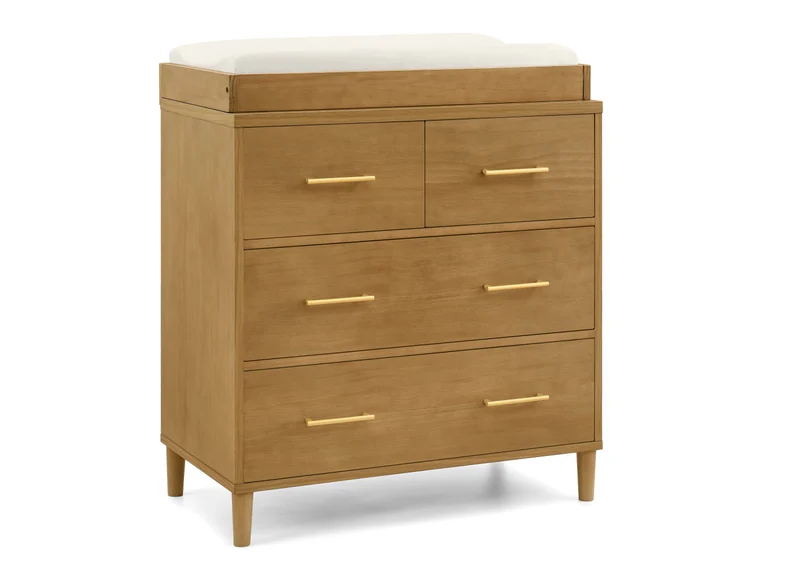
- Buy Delta Children Classic 4 Drawer Dresser with Changing Top and Interlocking Drawers Four real drawers, a changing top that lifts off, and an interlocking drawer system that treats tip-over as an engineering problem instead of a warning label.
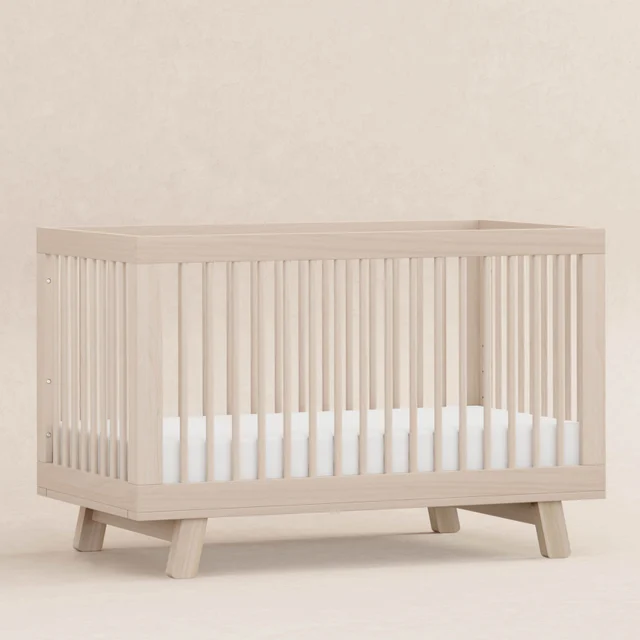
- Buy Babyletto Hudson 3-Drawer Compact Changer Dresser with Removable Changing Tray The premium take on the same idea, and the one to get if your nursery wall is short on depth rather than width. Amazon
- It depends Storkcraft Universal Changing Topper for 6 Drawer Dressers The cheapest sane answer in the category, provided you already own a wide dresser it actually fits and you anchor that dresser first. Amazon
- Skip Graco Storage Changing Table A tidy, inexpensive, dedicated changing table that converts into nothing the month your child stops needing it. Amazon
What actually matters
- Tip-over engineering. Dressers sold as clothing storage units in the US must meet ASTM F2057, the federal stability standard, and good ones ship with a wall anchor. Some add interlocking drawers so only one drawer opens at a time, which removes the staircase a toddler climbs. Standalone changing tables and toppers sit outside that dresser standard, so their stability is inherited from whatever they attach to.
- Wall anchoring, without exception. Heavy furniture feels stable to an adult and is not stable under a climbing toddler. Anchor before you load a single drawer, into a stud or with the hardware rated for your wall type, and re-check the anchor whenever you move the piece.
- The changing surface itself. You want barriers on all four sides, a restraint strap, and a contoured pad that cradles the baby so a sideways roll takes effort. Federal rules for baby changing products require barriers, a restraint, and a warning telling you never to leave a child unattended, which tells you how the injuries happen.
- Life after diapers. This is the criterion most buyers skip and most regret. A changer dresser becomes an ordinary bedroom dresser. A topper comes off and disappears. A standalone changing table becomes a narrow open shelf unit nobody wants, and you still have to buy a dresser.
- Working height. Roughly 36 to 38 inches suits most adults. Standard dressers often sit lower, which you will feel in your lower back after a few weeks of ten changes a day. If you and your partner differ a lot in height, split the difference rather than optimizing for one of you.
- Everything in arm's reach. Diapers, wipes, cream and a spare outfit have to be reachable without leaning away from the baby. Drawers and cubbies on the changing side of the piece matter more than total storage volume.
- Weight and assembly reality. The good pieces run well over a hundred pounds assembled and take two people and most of an evening to build. Heavy is a stability feature and a logistics problem, so plan to assemble in the room where the furniture will live.
The specs, in plain English
Green flags vs red flags
Green flags
- The listing names ASTM F2057 testing and includes a wall anchor in the box
- The changing top or tray lifts off, leaving usable bedroom furniture behind
- Interlocking drawers, or some stated mechanism that limits how many drawers open at once
- Clear interior dimensions for the changing area, so you can confirm a standard contour pad fits without overhang
- Drawers or cubbies positioned within arm's reach of the changing surface
- Assembly details stated up front: assembled weight, two-person build, and a full hardware list
Red flags
- No mention of a tip-over standard or an included anchor anywhere in the listing
- A changing surface with barriers on fewer than four sides, or no restraint provision at all
- A topper described as universal with no minimum dresser dimensions given
- Marketing that leans on the safety strap as if it lets you turn away
- A standalone changing table with no conversion path, sold as a long-term purchase
- Vague or missing dimensions, especially depth, which decides whether it fits your wall
- Very light weight for the size, which usually means thin panels and a piece that will not sit solidly
Who's who: the brands
- Delta Children - High-volume nursery furniture at mid-range money, with real attention to tip-over engineering including interlocking drawer systems on several changer dressers.
- Babyletto - The design-forward end of the category, known for shallow-depth changer dressers, hidden hardware and finishes that read as ordinary bedroom furniture later.
- Storkcraft - Budget and mid-range nursery pieces, and the brand most people meet through its universal changing topper for wide six-drawer dressers.
- Graco - Better known for gear than furniture. Its changing tables are inexpensive and tidy, but standalone by design, so they convert into nothing.
- DaVinci - Convertible cribs and matching dressers with a similar low-emission and anti-tip focus, often chosen when buyers want a whole nursery set to match.
- IKEA - Flat-pack dressers and changing tables at low prices, with anchoring hardware and instructions to use it. Fit and finish are basic, and the anchor is doing more of the safety work than usual.
How to read a listing without getting fooled
Start with the form factor, because it decides more than any feature. Ask what this object is in five years: a dresser, nothing at all, or a narrow shelf unit in your garage. Then look for the tip-over language. For a dresser you want ASTM F2057 and an included anchor stated plainly; if the listing only says sturdy construction, that is marketing, not testing. Next, find the changing area's interior dimensions, not the furniture's overall width, and compare them to the pad you plan to buy. Depth is the number most people forget and the one that decides whether the piece fits the wall you had in mind, so measure the wall before you shop. Assume the changing pad is not included unless the listing spells out that it is. Read the assembled weight as two pieces of information at once: heavy means stable, and heavy means two people and an evening. Finally, treat GREENGUARD Gold as an air-quality certification and nothing more, and treat photos as staging. Nobody photographs the wall anchor, but it is the part that matters.
How much should you spend?
Think in terms of total spend across the diaper years plus the decade after, not the sticker on one item. The cheapest real answer, if you already own a wide dresser, is a universal topper plus a good pad, because you add almost no furniture and nothing to get rid of later. If you are buying from scratch, a mid-range changer dresser is where the value sits: at that level you get tested tip-over engineering, an included anchor, a removable top, and drawers you will still use when your child is in school. Spending up buys shallower depth for a small room, nicer hardware and drawer action, and finishes that look intentional in a shared bedroom later, all of which are real but none of which make the piece safer. Spending down into a standalone changing table looks like a saving and usually is not, because you will still buy a dresser afterward and you have paid twice for one job. Whatever tier you land on, keep budget aside for a contoured pad with a working strap and a couple of washable covers, since those are the parts you touch every day.
Questions, answered
Do I actually need a changing table?
No. What you need is a safe surface at a comfortable height with supplies within arm's reach. A dresser with a contoured pad and a removable top does that and keeps working long after diapers end. Plenty of parents change babies on the floor, which removes the fall risk because there is nowhere to fall from. The furniture question is really a storage and back-comfort question.
Is the safety strap enough to let me turn away for a second?
No. A restraint strap and side rails slow a determined roll, they do not stop one, and babies get stronger and faster than parents expect, often overnight. Falls from changing surfaces are a known injury source, which is why the rules require barriers, a restraint, and a warning never to leave a child unattended. Keep a hand on the baby for the entire change, and lay out the diaper, wipes and cream before you start so you never have to reach.
Do I really have to anchor it to the wall?
Yes, every time, including when the piece feels too heavy to move. Furniture tips when a toddler opens drawers and climbs, and weight alone does not prevent that. Anchor into a stud where you can, use the hardware rated for your wall type where you cannot, install before you load the drawers, and check the anchor again after any move. Interlocking drawers are a useful second layer, not a substitute.
Can I just put a changing topper on the dresser I already own?
Often yes, with three conditions. The dresser has to be anchored to the wall first, it should meet the current ASTM F2057 tip-over standard, and the topper has to fit properly and screw down rather than sit loose. A topper raises the center of gravity, so bolting one onto an old or unanchored dresser makes the stability problem worse. Measure the dresser top before ordering, since universal toppers typically need around 17 by 46 inches.
How long will I actually use it for changing?
Roughly two and a half to three years at most, and often less. Many parents move to the floor earlier, once a toddler starts fighting the change and the raised surface becomes the harder option. Buy on the assumption that the changing function is short and the storage function is long, which is the whole argument for a dresser over a dedicated changing table.
What changing pad should I buy, and is one included?
Assume it is not included, because in this category it usually is not. Get a contoured pad with raised sides on all four edges and a working restraint strap, in the size the furniture maker recommends, since a pad that overhangs the surface is a hazard. A waterproof surface plus two or three washable covers matters more in daily use than any other pad feature.
Or jump to the head-to-head: Delta Children Classic 4 Drawer Dresser with Changing Top and Interlocking Drawers vs Babyletto Hudson 3-Drawer Compact Changer Dresser with Removable Changing Tray.