Explained
Bike Mirrors, Explained
After reading, you'll understand the main mirror types, what mirror size and curvature mean, and how to match a mirror to your bike.
In this guide
Bike mirrors look simple, but the wrong one either does not fit your handlebar or shows too little to be useful. Mirror type is decided mostly by your bars and where you ride. Size and curvature decide how much you see. A few terms make the choice quick.
The 30-second version
- Your handlebar decides the type, since flat bars and drop bars need different mirrors.
- Bigger mirrors show more, and convex glass widens the view further.
- A steady mount matters, because a shaking or drifting mirror is hard to use.
- Folding saves the mirror, especially in bike racks and tight parking.
- A mirror is not a shoulder check, so still look before you turn or change lanes.
The products this guide is about
Our verdict on each, with the full reasoning on the companion review.
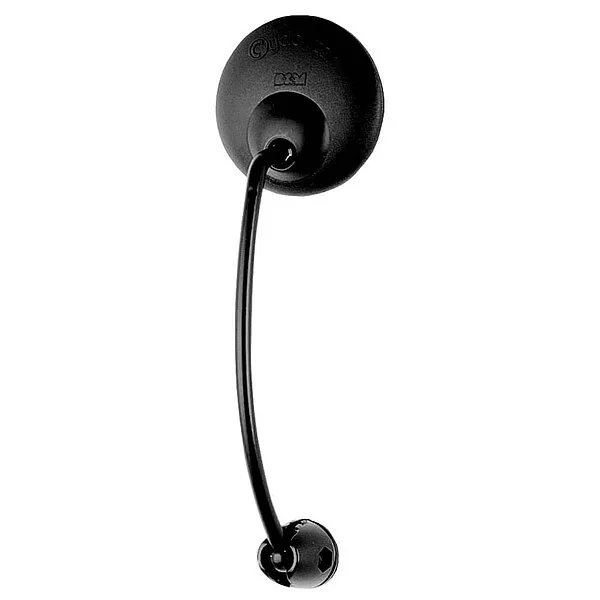
- Buy Busch+Müller Cycle Star 901 A bar-end mirror with strongly curved 60 mm glass and a stable mount inside the handlebar.
- Buy Zéfal Cyclop An affordable bar-end mirror with a 46 cm² mirror that folds under the handlebar.
- It depends Sprintech Racing Drop Bar Mirror A sleek 24 g mirror that continues the line of a drop handlebar, made for road bikes.
- Skip Zéfal Spy 15 A tiny strap-on mirror that fits almost anywhere but shows too little of the road for traffic riding.
What actually matters
- Mirror type - Bar-end, drop-bar, helmet and strap-on mirrors each suit different bikes. Choose the type before the model.
- Mirror size - A larger mirror shows more of the road. Mini mirrors trade view for easy fitting.
- Curvature - Convex mirrors widen the view but make objects look farther away. It takes a little practice.
- Mount - Internal bar-end and clamped mounts hold steady. Straps are easy to fit but can move.
- Handlebar fit - Bar-end mirrors need an open bar end of the right inner diameter. Drop bars need dedicated designs.
- Folding - Folding mirrors survive knocks and parking. Fixed mirrors are more exposed.
- Material - Glass is crisper; chrome-plated plastic is unbreakable.
The specs, in plain English
Green flags vs red flags
Green flags
- A stated mirror size or diameter
- A clear list of compatible handlebar types
- An internal or clamped mount
- A folding design
- Adjustment on more than one axis
Red flags
- No stated size on a very small mirror
- One mirror claimed to fit every bike and bar
- A strap-only mount for traffic riding
- Vague compatibility with no bar diameters
- Photos that hide how it mounts
Who's who: the brands
- Busch+Müller - German maker of bike lights and mirrors, including the Cycle Star bar-end series.
- Zéfal - French accessory maker with a wide range of bar-end, helmet and strap-on mirrors.
- Sprintech - Swiss maker of mirrors designed for drop and city handlebars.
- Mirrycle - Known for bar-end mirrors widely sold in bike shops.
How to read a listing without getting fooled
Start with the handlebar type the mirror is made for, then look for the mount style and the bar diameters it fits. Check the mirror size or diameter and whether it is convex. Look for folding and adjustment details, and note whether the mirror is glass or plastic. If a listing gives no size and shows only close-up photos, assume it is a small mirror.
How much should you spend?
Strap-on mini mirrors and basic bar-end mirrors sit in the budget tier. Better bar-end mirrors with glass and sturdy internal mounts, and dedicated drop-bar designs, are mid-range. Spending a little more usually buys a larger view and a steadier mount, which are the things that make a mirror useful in traffic.
Questions, answered
Which side should my mirror go on?
Mount it on the side closest to passing traffic. In countries that drive on the right, that is usually the left side. Many mirrors can be fitted to either side.
Can I fit a bar-end mirror with lock-on grips?
Often yes, if the grip leaves the bar end open. Some grips have closed or capped ends that must be removed or swapped. Check the mirror's required inner diameter too.
Are helmet mirrors hard to use?
They take some getting used to, because the view moves with your head. Many riders adapt within a few rides and like being able to scan by turning slightly. Others prefer a fixed bar mirror.
Do I still need to look over my shoulder?
Yes. A mirror helps you monitor traffic, but it has blind spots and convex mirrors distort distance. Always do a shoulder check before turning or changing position.
Or jump to the head-to-head: Busch+Müller Cycle Star 901 vs Zéfal Cyclop.