

Health & Wellness
The Best Smart Rings: 4 Compared (and One to Skip)
We compared four current smart rings on subscription model, battery life, sleep-tracking accuracy, and app quality to find the honest picks.
The short version
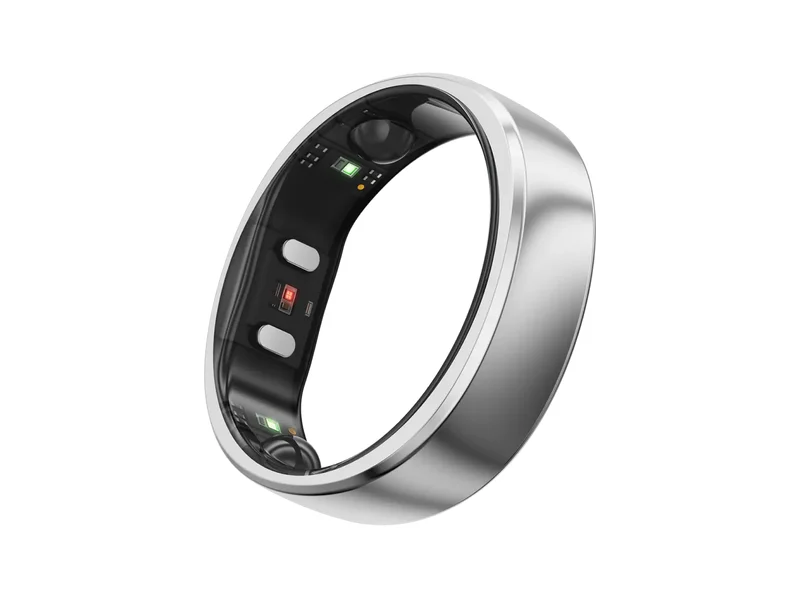
Smart rings are a discreet way to track sleep and activity, and the biggest decision is whether you will pay a subscription. The RingConn Gen 2 is our top pick: it bundles a long battery, sleep-apnea monitoring, and every feature with no recurring fee at a mid-range price. The Oura Ring 4 offers the most accurate data and the best app, but a paid membership makes it an ongoing cost. The Samsung Galaxy Ring is a fee-free option that really only shines for Samsung phone owners. The Ultrahuman Ring AIR is clever but dogged by battery-reliability reports, so we would skip it for now. Best for: most people who want honest sleep and activity insights without a subscription should start with the RingConn Gen 2.
Our picks at a glance
- RingConn Gen 2 - Buy. The subscription-free ring that undercuts everyone while adding sleep-apnea monitoring and a long battery.
- Oura Ring 4 - Buy. The most refined sleep tracking and app experience in the category, if you accept a permanent monthly membership.
- Samsung Galaxy Ring - It depends. A polished, subscription-free ring that only makes sense if you already live inside Samsung's ecosystem.
- Ultrahuman Ring AIR - Skip. Genuinely clever subscription-free tracking undercut by widespread reports of premature battery failure.
The verdict in 30 seconds
What mattered most
- Subscription model
- Battery (owner-reported)
- Sleep-tracking accuracy
- App and insights
- Platform support
- Standout durability note
Smart rings promise discreet, all-day sleep and activity tracking without a screen on your wrist, but the four leading models in 2026 diverge sharply on the one thing that shapes long-term cost: whether they charge a subscription. We weighed accuracy, battery, ecosystem, and durability across the field. Two rings earn a clear buy, one depends heavily on which phone you carry, and one we would skip until its reliability improves.
The subscription-free ring that undercuts everyone while adding sleep-apnea monitoring and a long battery.
Best for: Value-focused buyers on either iOS or Android who want full features and long battery without an ongoing fee.
- No subscription: every feature, including sleep-apnea monitoring, is unlocked permanently at purchase
- Long battery, with the maker rating about 10 to 12 days per charge (depending on ring size) plus an included case that extends total runtime dramatically
- Very light and thin titanium build that owners find comfortable for overnight wear
- Sleep-apnea monitoring is a wellness estimate, not a diagnosis, and extra sensing can shorten battery life
- The app and coaching layer feel less polished and less mature than the category leader's
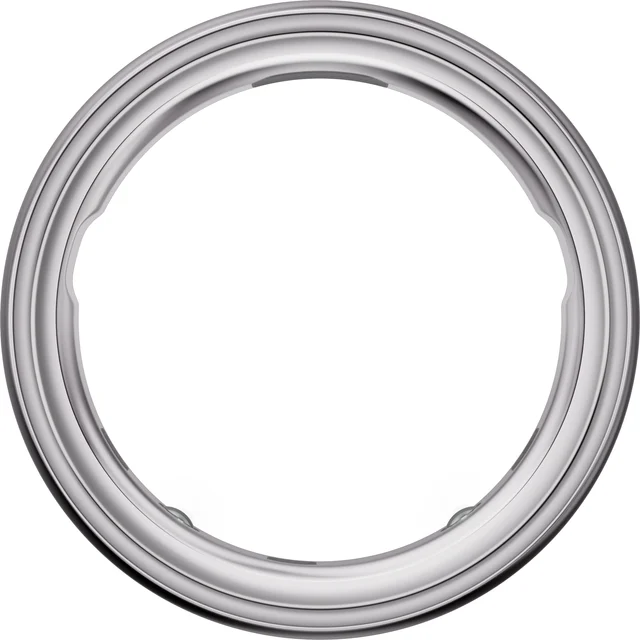
The most refined sleep tracking and app experience in the category, if you accept a permanent monthly membership.
Best for: People who prioritize the best sleep and recovery data and do not mind paying a recurring fee for it.
- Owners and reviewers rate its sleep-stage and resting-heart-rate trends among the most accurate of any ring
- The most mature app, with readiness, temperature-trend, and coaching insights built on years of algorithm refinement
- Works fully across both iOS and Android, with a multi-day battery
- A paid membership is needed for most insights, so the true cost keeps climbing after purchase
- Premium finishes push the hardware price into the top of the range
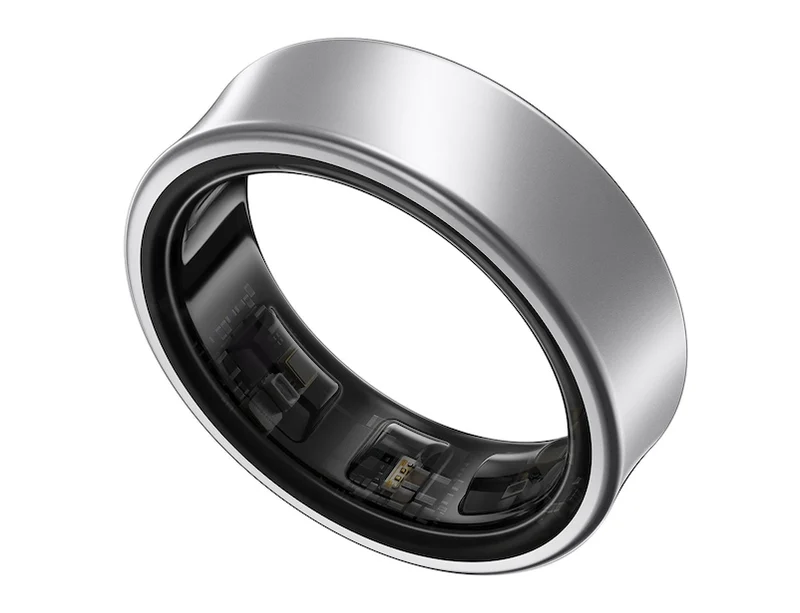
A polished, subscription-free ring that only makes sense if you already live inside Samsung's ecosystem.
Best for: Committed Samsung phone owners who want discreet, fee-free tracking inside a system they already use.
- No subscription for its health features
- Clean titanium hardware and tight integration with the Samsung Health app and Galaxy phones
- Sleep and energy scores that owners find track well with how rested they actually feel
- Effectively Android-only and best on a Samsung phone, so iPhone owners should look elsewhere
- Long-term owners report noticeable battery degradation over months of use
- Sleep-stage and HRV modeling is newer and less independently validated than the category leader's
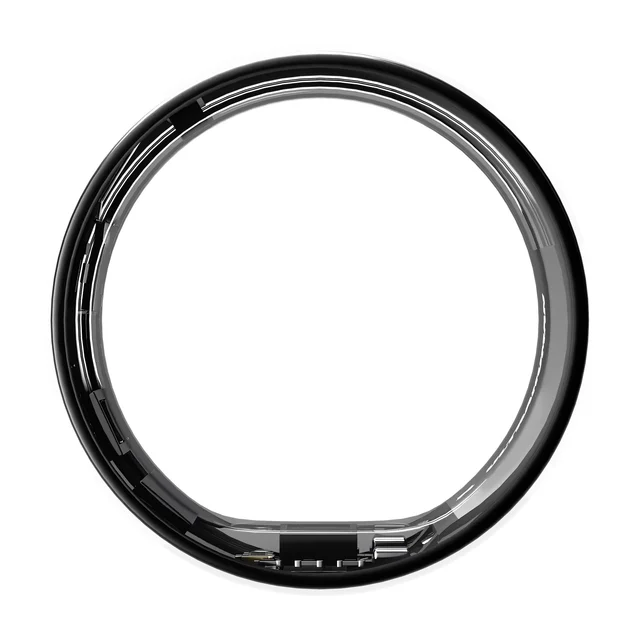
Genuinely clever subscription-free tracking undercut by widespread reports of premature battery failure.
Best for: Data enthusiasts drawn to its features who are willing to gamble on hardware reliability, though most buyers should wait.
- No subscription for core data and insights, with paid extras that stay genuinely optional
- Strong sleep tracking with fine-grained motion sensing that flags sleep fragmentation
- Light, low-profile design that travelers like
- Owner reports of battery failure and swelling within months are common enough to be a real durability concern
- Real-world battery can fall short of the advertised figure for some owners
| Criteria | RingConn Gen 2 Top pick | Oura Ring 4 | Samsung Galaxy Ring | Ultrahuman Ring AIR |
|---|---|---|---|---|
| Verdict | Buy it | Buy it | It depends | Skip it |
| Best for | Value-focused buyers on either iOS or Android who want full features and long battery without an ongoing fee. | People who prioritize the best sleep and recovery data and do not mind paying a recurring fee for it. | Committed Samsung phone owners who want discreet, fee-free tracking inside a system they already use. | Data enthusiasts drawn to its features who are willing to gamble on hardware reliability, though most buyers should wait. |
| Price tier | $$ · mid-range | $$$ · premium | $$$ · premium | $$$ · premium |
| Subscription model | None; all features unlocked at purchase | Mandatory monthly membership for most insights | None for health features | None for core; optional paid extras |
| Battery (owner-reported) | ~10-12 days (maker rating) plus charging case | Several days | Several days, degrades over time | Up to ~6 days (maker rating), reliability concerns |
| Sleep-tracking accuracy | Strong; adds apnea screening | Widely rated most accurate | Good but less independently validated | Strong, with fine motion detection |
| App and insights | Functional, still maturing | Most refined and mature | Polished within Samsung Health | Feature-rich, subscription-free |
| Platform support | iOS and Android | iOS and Android | Effectively Samsung/Android only | iOS and Android |
| Standout durability note | Thin, light titanium; solid reports | Well-built; premium finishes cost more | Battery degradation reported over months | Battery failure and swelling reported |
| Price tier | $$ · mid-range | $$$ · premium | $$$ · premium | $$$ · premium |
Which one is right for you?
- Value-focused buyers on either iOS or Android who want full features and long battery without an ongoing fee. Buy it RingConn Gen 2
- People who prioritize the best sleep and recovery data and do not mind paying a recurring fee for it. Buy it Oura Ring 4
- Committed Samsung phone owners who want discreet, fee-free tracking inside a system they already use. It depends Samsung Galaxy Ring
- Data enthusiasts drawn to its features who are willing to gamble on hardware reliability, though most buyers should wait. Skip it Ultrahuman Ring AIR
How we judged the field
We do not run a sleep lab. Instead, we synthesize independent testing, published expert reviews, and aggregated owner reports to see where consensus lands and where a product’s marketing outruns real-world experience. For smart rings, four criteria mattered most. First is the subscription model, because a recurring fee can quietly double the true cost of ownership over a few years. Second is battery life, judged on what owners actually report rather than the headline figure. Third is sleep-tracking accuracy, framed through independent testing and how closely owners feel the scores match their rest. Fourth is the app and insight layer, since the hardware is only as good as the guidance it surfaces. We also weighed platform support and durability, where owner reports are especially revealing.
RingConn Gen 2
Buy itThe RingConn Gen 2 is the easiest ring to recommend to the most people. It carries no subscription, and every capability, including its sleep-apnea screening, is unlocked permanently when you buy it. The maker rates battery at about 10 to 12 days per charge depending on ring size, and the included charging case stretches total runtime well beyond a single charge. The titanium build is thin and light enough that owners forget they are wearing it overnight. The trade-offs are honest: apnea monitoring is a wellness estimate rather than a diagnosis, and the app is functional but still maturing, without the depth of coaching the category leader offers. For value and endurance, nothing else here matches it.
Oura Ring 4
Buy itThe Oura Ring 4 is the accuracy and polish benchmark. Owners and reviewers place its sleep-stage and resting-heart-rate trends among the most reliable of any ring, and its app is the most mature in the category, built on years of algorithm refinement across readiness, temperature trends, and recovery. Battery lasts several days between charges, and it works fully on both iOS and Android. The catch is structural rather than technical: a paid membership gates most insights, so the cost keeps accruing long after purchase, and premium finishes raise the hardware price further. If the best data matters more to you than avoiding a recurring fee, this is the ring to buy.
Samsung Galaxy Ring
It dependsThe Samsung Galaxy Ring is well made, subscription-free for its health features, and tightly integrated with Samsung Health, and owners find its sleep and energy scores align well with how rested they feel. Whether it makes sense for you hinges almost entirely on your phone. It is effectively Android-only and clearly best on a Samsung handset, which rules it out for iPhone owners. Long-term owners also report meaningful battery degradation over months, and its sleep and HRV modeling is newer and less independently validated than the leader’s. For a committed Samsung user it is a genuinely good, fee-free choice; for anyone else it is hard to justify over the alternatives.
Ultrahuman Ring AIR
Skip itThe Ultrahuman Ring AIR has a lot going for it on paper: no subscription for core data, strong sleep tracking with fine-grained motion sensing that flags fragmented rest, and a light, travel-friendly design. What holds it back is reliability. Owner reports of premature battery failure and swelling within months of purchase are common enough to be a real concern, and real-world battery can fall short of the advertised figure. When two subscription-free rivals deliver comparable insight without that risk, the sensible move for most buyers is to wait for the hardware reliability to improve rather than gamble on it now.
RingConn Gen 2 vs Oura Ring 4: which should you buy?
These are the two strongest rings here, and they represent opposite philosophies. The RingConn Gen 2 gives you everything up front, no fee, with a long battery and a sleep-apnea monitoring feature, all at a mid-range price. The Oura Ring 4 gives you the most accurate sleep data and the most refined app, but locks the insights behind a permanent membership at a premium price. If your priority is honest tracking with the lowest total cost and the least fuss, choose the RingConn Gen 2. If you want the sharpest sleep and recovery analysis and will pay monthly for it, the Oura Ring 4 is worth the money. Most people are better served by the RingConn, which is why it is our overall pick.
What to look for
- Subscription model: confirm whether insights are unlocked at purchase or gated behind a recurring fee, and factor that fee into the true multi-year cost.
- Battery and charging: weigh owner-reported runtime over the headline number, and note whether a charging case is included.
- Platform fit: verify full support for your phone, since one leading ring is effectively Android-only.
- Accuracy track record: favor rings whose sleep and heart-rate trends are backed by independent testing rather than marketing claims.
- App depth: decide whether you want rich coaching or just clean data, and match the ring accordingly.
- Durability signals: scan owner reports for patterns of battery failure or swelling before committing.
- Sizing: order a sizing kit first, because comfort and sensor contact depend on a proper fit.
Our final take
Smart rings have matured into a genuinely useful, discreet way to follow your sleep and activity, and the field now offers a clear answer for most people. The RingConn Gen 2 is our top pick because it combines a long battery, the fullest feature set, and no subscription at a mid-range price. The Oura Ring 4 is the runner-up and the accuracy leader, ideal if you will pay monthly for the best data and app. The Samsung Galaxy Ring is a strong, fee-free option strictly for Samsung phone owners, and the Ultrahuman Ring AIR is best skipped until its battery reliability is proven. Treat any of these as a wellness companion rather than a medical device, and let the trend lines, not any single night, guide you.
Questions, answered
Do smart rings require a subscription?
It depends on the brand. The RingConn Gen 2, Samsung Galaxy Ring, and Ultrahuman Ring AIR unlock their core features with no recurring fee, while the Oura Ring 4 relies on a paid membership for most insights. If you dislike ongoing costs, the RingConn Gen 2 is the most complete no-fee option.
How accurate is smart-ring sleep tracking?
Independent testing reports that the better rings track sleep trends and resting heart rate closely, with the Oura Ring 4 generally rated the most accurate for sleep staging. Owners note the data is most useful as a trend over time rather than a precise per-night readout. This is general product information for wellness tracking, not medical advice; consult a qualified professional for any health concern, including suspected sleep apnea.
How long does a smart-ring battery last?
Battery life varies by model and usage. RingConn rates the Gen 2 at about 10 to 12 days and Ultrahuman rates the Ring AIR at up to 6 days, while the Oura Ring 4 and Samsung Galaxy Ring give several days in owner reports. Power-hungry features such as apnea monitoring can shorten runtime.
Do smart rings work with both iPhone and Android?
The RingConn Gen 2, Oura Ring 4, and Ultrahuman Ring AIR all support both iOS and Android. The Samsung Galaxy Ring is effectively Android-only and works best paired with a Samsung phone, so iPhone owners should choose one of the other three.
Can a smart ring detect sleep apnea?
The RingConn Gen 2 offers built-in sleep-apnea monitoring, which we did not confirm on the other rings here. Any such screening is a wellness indicator, not a diagnosis; consult a healthcare professional for evaluation if you have concerns about your breathing during sleep.
Deciding between the top two? See our head-to-head: RingConn Gen 2 vs Oura Ring 4.
More Health & Wellness reviews
 Best Smart Bathroom Scales for 2026
  The Best Sunrise Alarm Clocks (Wake-Up Lights) for 2026
  The Best TENS Units for At-Home Pain Relief: 4 Compared (and One to Skip)
  The Best Tourniquets: 4 Compared (and One to Skip)
  The Best Under-Desk Walking Treadmills: 4 Compared (and One to Skip)
  The Best Weighted Blankets: An Honest Comparison