

Smart Home
The Best Smart Blind & Shade Motors: 4 Compared (and One to Skip)
We compared four ways to motorize the blinds and shades you already own on fit, noise, smart-home support, install effort and reliability.
The short version
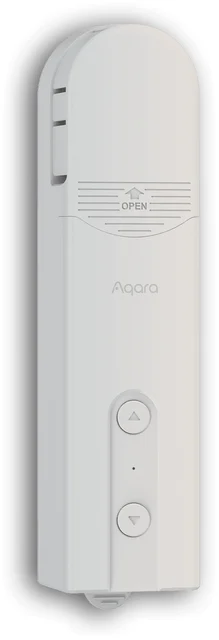
The fastest, cheapest way to smarten your windows is to motorize the blinds you already own. For beaded-chain roller shades, the Aqara Roller Shade Driver E1 is our pick: rechargeable and compatible with HomeKit, Alexa and Google through an Aqara hub. If you have horizontal venetian blinds, the SwitchBot Blind Tilt is a bargain that tilts slats on a schedule (though it can't raise them). The SOMA Smart Shades 3 is worth it only for Home Assistant and privacy diehards who value its local, open API and will pay more. Skip the bare MOES tubular motor unless you genuinely enjoy rebuilding a shade from parts. Best for: motorizing existing shades without paying for pricey custom-made smart blinds.
Our picks at a glance
- Aqara Roller Shade Driver E1 - Buy. The rechargeable bead-chain motor that works with HomeKit, Alexa and Google through an Aqara hub.
- SwitchBot Blind Tilt - Buy. A low-cost, solar-topped way to make horizontal venetian blinds open and close on a schedule.
- SOMA Smart Shades 3 - It depends. A chain motor with a local HTTP API that suits privacy tinkerers, and costs more than the mainstream options.
- MOES Matter-over-Thread Smart Roller Blind Motor (38mm) - Skip. A bare tubular motor that is cheap on paper but effectively asks you to rebuild your shade from scratch.
The verdict in 30 seconds
What mattered most
- What it fits
- Smart-home & Matter
- Power
- Motion type
- Install effort
- Noise (maker figures)
Buying pre-motorized custom shades costs a small fortune, so most people are better off adding a retrofit motor to the blinds and shades they already have. We looked at the four retrofit approaches that matter in 2026: a bead-chain driver for roller shades, a wand motor for horizontal venetian blinds, a local-control chain motor for tinkerers, and a bare tubular motor for DIY rebuilders. Two are easy wins, one is a maybe, and one is a genuine skip for most homes.
The rechargeable bead-chain motor that works with HomeKit, Alexa and Google through an Aqara hub.
Best for: Anyone with beaded-chain roller shades who wants a motor that works with HomeKit, Alexa and Google through an Aqara hub.
- Fits existing beaded-chain roller shades with a three-step wall mount and no rewiring (Aqara supports plastic or metal beads only)
- Owners commonly describe it as a quiet driver, though Aqara publishes no noise figure
- With a compatible Aqara hub it works with Apple HomeKit, Alexa, Google and IFTTT
- USB-C rechargeable battery that Aqara rates at up to 2 months per charge, or power it constantly over USB-C
- Needs an Aqara hub for full voice control and automations, which adds to the real cost
- Only works with beaded-chain roller shades (plastic or metal beads), not wand-tilt venetian blinds
Amazon had no buyable listing for this when we last checked. The link still works if it returns.
Find it on Amazon Read our detailed assessmentOwn the Aqara Roller Shade Driver E1? Tell us how it held up.
Thanks. Counted, and shown once enough owners have weighed in.
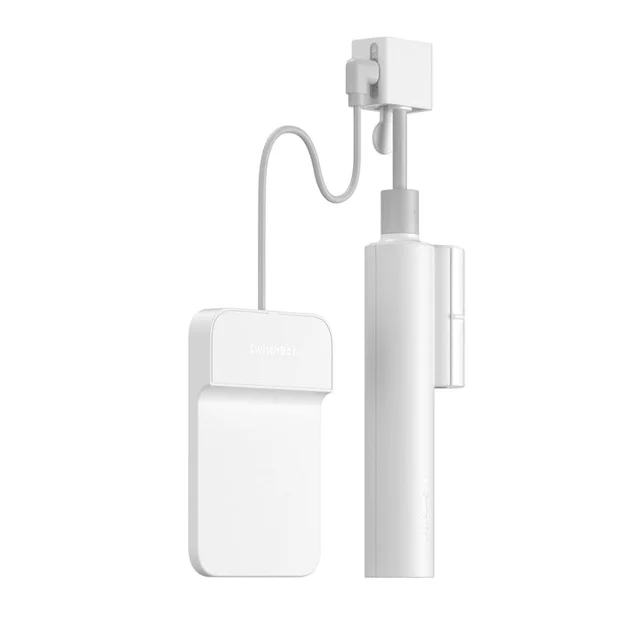
A low-cost, solar-topped way to make horizontal venetian blinds open and close on a schedule.
Best for: Renters and anyone with horizontal venetian blinds who wants light control and privacy scheduling on a tight budget.
- Purpose-built for wand-style horizontal venetian blinds, which many retrofit motors do not cover
- Includes a solar panel, and SwitchBot says the 2000mAh battery can last about 10 months under its test conditions
- Among the less expensive smart-blind upgrades, with a simple installation per SwitchBot
- Works with Alexa, Google Home, SmartThings and Siri Shortcuts through a SwitchBot Hub; Matter and Apple HomeKit need the Hub 2
- Tilts the slats open and closed but cannot raise or lower the blind
- Needs the SwitchBot Hub for voice and away-from-home control, sold separately
Own the SwitchBot Blind Tilt? Tell us how it held up.
Thanks. Counted, and shown once enough owners have weighed in.
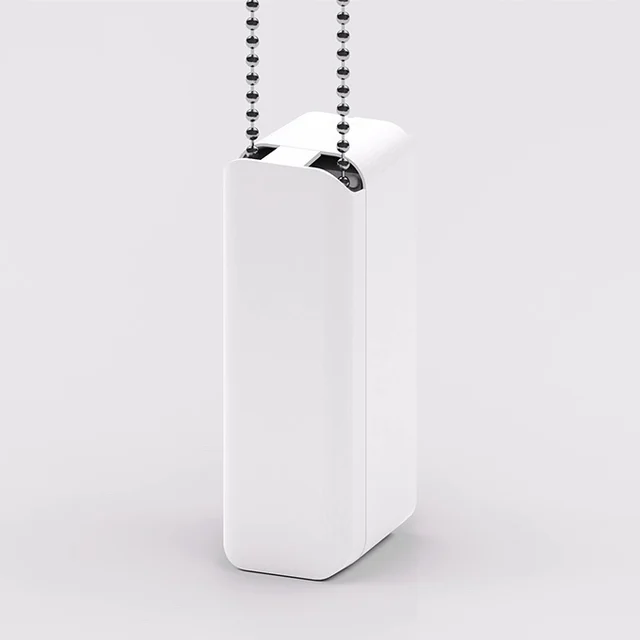
A chain motor with a local HTTP API that suits privacy tinkerers, and costs more than the mainstream options.
Best for: Home Assistant users and privacy-focused owners who want local control and an open API and will pay a premium for it.
- Solar-panel option, plus a local HTTP API and Home Assistant support through the SOMA Connect bridge, suit privacy-minded setups
- Reaches Siri, Google Assistant and Alexa through the SOMA Connect bridge, which also adds Home Assistant automations
- SOMA lists up to 3x the speed of the previous model and a battery that lasts 4 to 12 months at one cycle per day
- Costs more than the SwitchBot, and the SOMA Connect bridge is a further add-on for voice assistants
- SOMA measures 52 dB at its fastest speed against a 39.5 dB background; slower speeds are quieter
- Smaller ecosystem and community than the mainstream brands
Own the SOMA Smart Shades 3? Tell us how it held up.
Thanks. Counted, and shown once enough owners have weighed in.
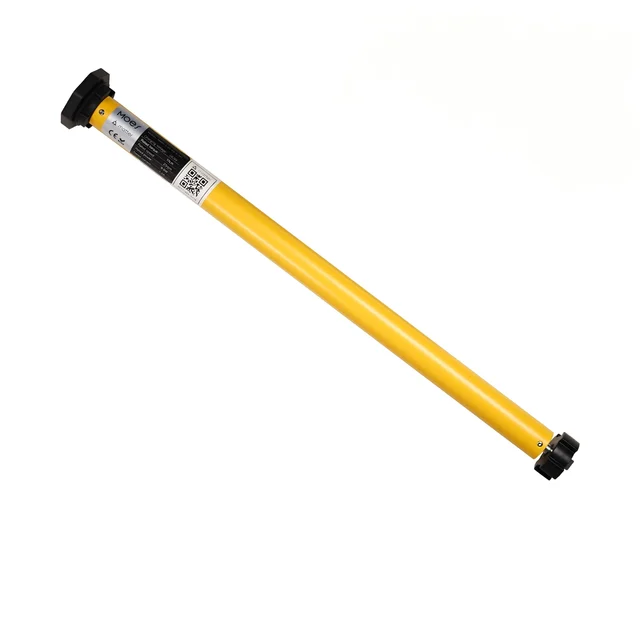
A bare tubular motor that is cheap on paper but effectively asks you to rebuild your shade from scratch.
Best for: Confident DIY makers building a custom roller shade from parts who want a cheap Matter motor and enjoy the tinkering.
- Native Matter-over-Thread means no proprietary hub, though you still need a Matter controller and Thread border router
- Low sticker price for the motor itself
- Rechargeable battery version avoids running mains wiring
- This is an in-tube tubular motor: you have to dismantle the shade, size a 38mm tube and fit brackets, which is a real project, not a clip-on
- Generic Tuya-based build, controlled through the Tuya Smart app
- No dedicated first-party app experience, and setup is a DIY job
Own the MOES Matter-over-Thread Smart Roller Blind Motor (38mm)? Tell us how it held up.
Thanks. Counted, and shown once enough owners have weighed in.
| Criteria | Aqara Roller Shade Driver E1 Top pick Buy it | SwitchBot Blind Tilt Buy it Buy | SOMA Smart Shades 3 It depends Buy | MOES Matter-over-Thread Smart Roller Blind Motor (38mm) Skip it Buy |
|---|---|---|---|---|
| Best for | Anyone with beaded-chain roller shades who wants a motor that works with HomeKit, Alexa and Google through an Aqara hub. | Renters and anyone with horizontal venetian blinds who wants light control and privacy scheduling on a tight budget. | Home Assistant users and privacy-focused owners who want local control and an open API and will pay a premium for it. | Confident DIY makers building a custom roller shade from parts who want a cheap Matter motor and enjoy the tinkering. |
| Price tier | $$ · mid-range | $ · budget | $$$ · premium | $ · budget |
| What it fits | Beaded-chain roller shades | Horizontal venetian (wand) blinds | Any shade with a beaded chain or cord loop | Any roller shade you rebuild around a 38mm tube |
| Smart-home & Matter | HomeKit, Alexa, Google, IFTTT via compatible Aqara hub | Alexa, Google, SmartThings via SwitchBot Hub; Matter and HomeKit via Hub 2 | Siri, Google, Alexa, SmartThings via SOMA Connect bridge | Native Matter over Thread, no proprietary hub |
| Power | USB-C rechargeable, up to 2 months per charge | Rechargeable, solar panel included | Rechargeable, 4 to 12 months per SOMA, solar panel add-on | Rechargeable, 3 to 6 months per MOES |
| Motion type | Full raise & lower | Tilt slats only (no raise/lower) | Full raise & lower | Full raise & lower |
| Install effort | Easy wall mount, three steps | Simple install per SwitchBot | Easy chain mount, about 3 minutes per SOMA | Advanced: rebuild the shade tube |
| Noise (maker figures) | Not published | Not published | 52 dB at top speed, quieter slower | Not published |
| Battery life (maker figures) | Up to 2 months | About 10 months, test conditions | 4 to 12 months | 3 to 6 months |
| Price tier | $$ · mid-range | $ · budget | $$$ · premium | $ · budget |
Which one is right for you?
- Anyone with beaded-chain roller shades who wants a motor that works with HomeKit, Alexa and Google through an Aqara hub. Buy it Aqara Roller Shade Driver E1
- Renters and anyone with horizontal venetian blinds who wants light control and privacy scheduling on a tight budget. Buy it SwitchBot Blind Tilt
- Home Assistant users and privacy-focused owners who want local control and an open API and will pay a premium for it. It depends SOMA Smart Shades 3
- Confident DIY makers building a custom roller shade from parts who want a cheap Matter motor and enjoy the tinkering. Skip it MOES Matter-over-Thread Smart Roller Blind Motor (38mm)
How we judged the field
We don’t run our own lab. We work from the makers’ published specifications and owner reports to work out which retrofit motors fit real homes. This category is unusual because the “right” pick depends heavily on what is already hanging in your windows, so we weighted a few things above raw specs.
First, fit: does the motor match your window covering type at all? Bead-chain shades, tubular roller shades and wand-operated venetian blinds all need different mechanisms. Second, smart-home reach: which of Apple Home, Alexa, Google and SmartThings it supports, whether it speaks Matter, and how much extra hardware that requires. Third, the boring stuff that decides whether you keep using it, namely noise, install effort, battery or solar power, and what owners say about reliability months later. Finally, honest total cost, including the hubs and bridges that quietly get added at checkout.
Aqara Roller Shade Driver E1
Buy itFor chain-operated roller shades, the Aqara Roller Shade Driver E1 is the one we’d hand a friend. You screw it to the wall, attach an adapter, feed the existing bead chain through and let it set the open and closed positions. Owners commonly describe it as quiet, though Aqara publishes no noise figure. It charges over USB-C, and Aqara rates the battery at up to 2 months per charge.
The catch is the ecosystem tax: to get voice control, scheduling and away-from-home access into Apple HomeKit, Alexa or Google, you pair it through a compatible Aqara hub. If you already own Aqara gear that is a non-issue; if you don’t, factor the hub into your budget. It also only fits beaded-chain roller shades, not wand-tilt venetian blinds. Within its lane, though, it is the most trustworthy pick here.
SwitchBot Blind Tilt
Buy itHorizontal venetian blinds are the orphan of the smart-blind world, and the SwitchBot Blind Tilt exists to adopt them. It mounts to the tilt wand and rotates the slats open and closed, which is exactly the control most people actually want from venetian blinds: privacy at night, light in the morning, all on a schedule. It is a low-cost way into smart window control, SwitchBot describes the installation as simple, and the included solar panel keeps the battery topped up.
Be clear about the limitation: it tilts, it does not lift. If you need the blind to physically rise and fall, this isn’t your motor. And like the Aqara, remote and voice control lean on a separate SwitchBot Hub. For renters and anyone who just wants their venetian blinds to behave automatically without spending much, it is an easy recommendation.
SOMA Smart Shades 3
It dependsThe SOMA Smart Shades 3 is a chain motor aimed at a specific, opinionated buyer. Its appeal is local control: through the SOMA Connect bridge it offers a local HTTP API, Home Assistant automations and Siri, Google and Alexa voice commands. Privacy-minded tinkerers favor that setup, and the SOMA Solar Panel accessory can keep it powered on a sunny window.
For everyone else it is a harder sell. It costs more than the SwitchBot, the SOMA Connect bridge is a further add-on if you want voice assistants, and SOMA measures 52 dB at its fastest speed, with slower speeds quieter. The community and accessory ecosystem are smaller than the mainstream brands. If local control and an open API are the whole point of your smart home, it earns its place; if not, you can spend less and get more.
MOES Matter-over-Thread Smart Roller Blind Motor
Skip itOn paper the MOES motor looks like a bargain, and its native Matter-over-Thread support means no proprietary hub. But read what it actually is: an in-tube tubular motor. To use it you dismantle the shade, source or size a 38mm tube, fit the motor and brackets, and effectively rebuild the shade around it. That is a weekend project, not the minutes-long clip-on the others offer.
On top of the labor, it is a generic Tuya-based device controlled through the Tuya Smart app, without a dedicated first-party app experience like the other brands provide. For a confident DIY maker assembling a custom shade from parts, it can be a fun, cheap Matter motor. For the average person who just wants their existing shade to move by itself, it is the wrong tool, and the one to skip.
Sources
Specs in this review come from these pages.
Aqara Roller Shade Driver E1 vs SwitchBot Blind Tilt: which should you buy?
This isn’t really a fight, because the two winners serve different windows, and that is the whole decision. Look at what is hanging in your window. If it is a roller shade with a beaded chain, the Aqara Roller Shade Driver E1 is the answer: it fully raises and lowers the shade and reaches HomeKit, Alexa and Google through an Aqara hub. If it is a horizontal venetian blind with a tilt wand, the Aqara simply won’t fit, and the SwitchBot Blind Tilt becomes the obvious, cheaper pick, keeping in mind it tilts slats rather than lifting them.
On cost, the SwitchBot is the budget champion, especially with its included solar panel. The Aqara sits a step up and asks for a hub, but rewards you with fuller motion and broader compatibility. Pick by covering type first, budget second, and you’ll land on the right one.
What to look for
- Match the mechanism first. Bead-chain shades, cellular shades and wand-tilt venetian blinds each need a different motor. Buying the wrong type is the most common and most expensive mistake.
- Add up the real cost. Many drivers need a hub or bridge for voice control and remote access. Include that in the price before you compare.
- Decide tilt versus lift. Some motors only tilt slats; others fully raise and lower. Know which you need.
- Prioritize quiet for bedrooms. If a shade will move on a morning schedule, motor noise matters more than any spec sheet.
- Plan your power. Rechargeable is fine for most; a solar panel on a bright window means near-zero maintenance; wired is best only if you can hide the cable.
- Check Matter and platform support for your exact model. Support varies by hardware revision and firmware, so confirm before buying rather than after.
Our final take
The smartest money in this category isn’t spent on expensive custom motorized shades; it’s spent motorizing the blinds you already own. For beaded-chain roller shades, the Aqara Roller Shade Driver E1 is the confident default, compatible with HomeKit, Alexa and Google through a hub. If your windows wear horizontal venetian blinds, the SwitchBot Blind Tilt does the job for less. The SOMA Smart Shades 3 is a worthy splurge only for Home Assistant and privacy enthusiasts who prize local control and an open API. And unless you actively enjoy rebuilding a shade from parts, leave the bare MOES tubular motor on the shelf. Buy for the window you actually have, and any of the top three should fit into your daily routine.
Questions, answered
Do these retrofit motors need a hub?
Most do for their best experience. The Aqara driver needs an Aqara hub for voice control and automations, the SwitchBot Blind Tilt needs a SwitchBot Hub for remote and voice control, and SOMA needs its SOMA Connect bridge for Apple Home and voice assistants. The MOES tubular motor is the exception: it speaks Matter over Thread, so it can join a Thread network through any Matter controller you already own without a brand-specific hub.
Will they work with Apple Home, Alexa and Google?
Yes, with caveats. The Aqara and SwitchBot options reach Apple Home, Alexa and Google once paired with their respective hubs, and SwitchBot adds Matter through its Hub 2. SOMA reaches Siri, Alexa and Google through its bridge, and says Matter and Thread support is pending certification. The MOES motor uses Matter directly, so it appears in whichever Matter platform you set up. Always confirm the specific hub and firmware combination before buying, since Matter support can vary by model.
Can a retrofit motor fully raise and lower my shades, or only tilt them?
It depends on the type. The Aqara, SOMA and MOES options fully raise and lower shades. The SwitchBot Blind Tilt is different: it is designed for horizontal venetian blinds and only tilts the slats open and closed, so it controls light and privacy but does not lift the blind up or down.
Are these motors loud?
Only SOMA publishes noise figures, 52 dB at its fastest speed and quieter at slower speeds. Aqara, SwitchBot and MOES publish no figure, so check recent owner comments for the model you pick. If you plan to run a bedroom shade on a morning schedule, quieter is worth prioritizing.
Battery, solar or wired: what should I choose?
For most people a rechargeable battery is plenty, since makers quote months between charges (Aqara up to 2, SOMA 4 to 12, MOES 3 to 6, SwitchBot about 10 under its test conditions). If a window gets steady daylight, the solar panels included with the SwitchBot and offered for the SOMA unit can mean you rarely recharge. Choose a wired version only if you can hide a cable and want to never think about power again. Charging frequency depends on how often the shade moves each day and how much light the panel sees.
Deciding between the top two? See our head-to-head: Aqara Roller Shade Driver E1 vs SwitchBot Blind Tilt.
More in Smart Home
Smart Blind Motors, Explained Plain-English guide → Aqara Roller Shade Driver E1 vs SwitchBot Blind Tilt Head-to-head →  The Best Smart Displays: 4 Compared (and One to Skip)
  The Best Smart Garage Door Openers: 4 Compared (and One to Skip)
  The Best Smart Home Hubs: 4 Compared (and One to Skip)
  The Best Smart Light Bulbs: 4 Compared (and One to Skip)