

Smart Home
The Best Smart Garage Door Openers: 4 Compared (and One to Skip)
We compared four retrofit smart garage controllers on ecosystem support, cloud dependence, sensor reliability, and setup to find who each one is really for.
The short version
Retrofitting a smart controller onto your existing opener is the smart move, and the Meross MSG100 is the one to get: it is inexpensive, subscription-free, uses a wired sensor, and supports Apple Home, Alexa, Google and SmartThings without a hub. If you run Home Assistant or Hubitat and want a local integration, the Konnected GDOv2 is excellent. The Tailwind iQ3 2.0 is the most capable and compatible of the group but is premium-tier and is fiddlier to install, so it earns a conditional recommendation. We tell people to skip the famous Chamberlain myQ: the hardware is fine, but it is cloud-locked and now paywalls the voice and smart-home integrations that used to be free. Best for: buy the Meross MSG100 unless you specifically want a local, Home Assistant-native setup, in which case buy the Konnected GDOv2.
Our picks at a glance
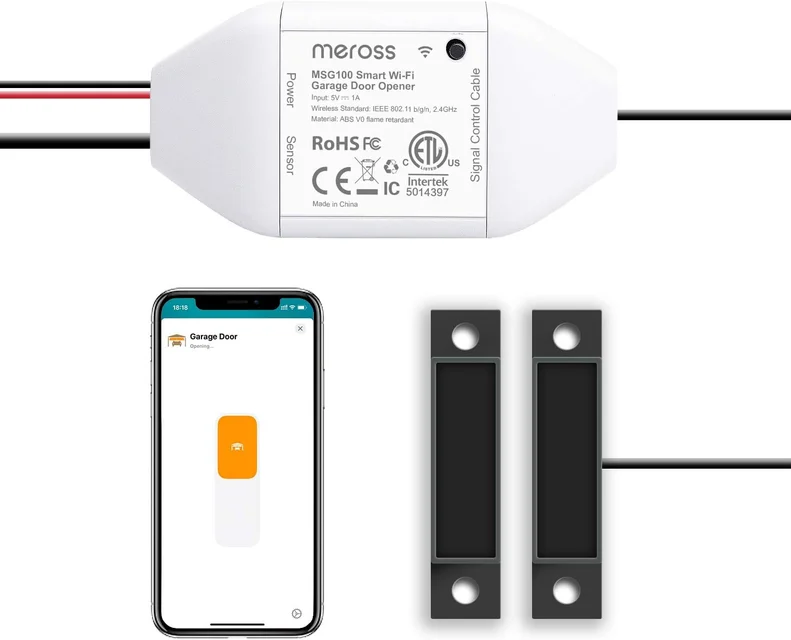
- Meross Smart Wi-Fi Garage Door Opener (MSG100) - Buy. The cheap, no-subscription retrofit that works with the major smart-home platforms, including Apple Home.
- Konnected Smart Garage Door Opener (GDOv2) - Buy. A local-first, subscription-free controller that talks straight to Home Assistant over your own network.
- Tailwind iQ3 2.0 Smart Garage Door Controller - It depends. The integrator's favorite: works with most opener brands and nearly every platform, if you can handle the install.
- Chamberlain myQ Smart Garage Control (MYQ-G0401) - Skip. Cheap, easy hardware trapped inside a locked-down ecosystem.
The verdict in 30 seconds
What mattered most
- Apple Home / HomeKit
- Works without the cloud
- Subscription for full features
- Door sensor type
- Setup difficulty
- Best suited to
Almost nobody replaces a working garage door opener to make it smart. Instead you bolt a small controller onto the wall-button wires, add a door sensor, and control the whole thing from your phone. The four devices here take very different paths: two are easy, honest buys, one is a superb pick only for the right person, and the category's most famous name has quietly become the one we tell people to walk away from.
The cheap, no-subscription retrofit that works with the major smart-home platforms, including Apple Home.
Best for: Most people, and especially anyone in the Apple Home ecosystem who wants smart control for the price of a nice dinner.
- Apple Home, Alexa, Google and SmartThings support with no separate hub and no monthly fee
- Uses a hardwired magnetic sensor, so there is no sensor battery to swap
- Compatibility varies with opener age and model, so check Meross's compatibility list first
- Remote and cloud-linked features route through Meross servers, so it's not a fully local device the way an enthusiast setup is
Own the Meross Smart Wi-Fi Garage Door Opener (MSG100)? Tell us how it held up.
Thanks. Counted, and shown once enough owners have weighed in.
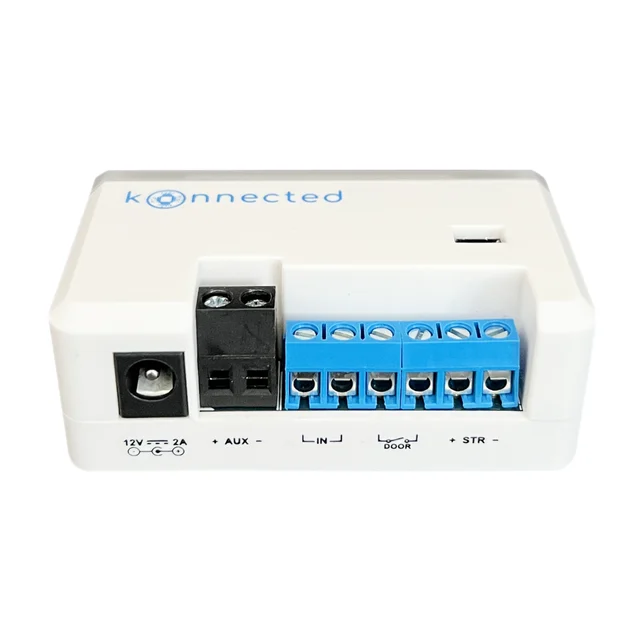
A local-first, subscription-free controller that talks straight to Home Assistant over your own network.
Best for: Home Assistant users and tinkerers who want a garage door they own outright, with no company able to change the rules later.
- Runs ESPHome firmware with a 100% local integration for Home Assistant and Hubitat and no recurring fees (Alexa and SmartThings use Konnected's free cloud service)
- Full local REST API and ESPHome native API, plus a built-in optical laser door sensor with an optional wired sensor
- Works with openers triggered by a push button or dry-contact closure, which Konnected says covers most openers except Chamberlain and LiftMaster models with a yellow circular, red, orange, blue, purple or brown learn button
- Best suited to Home Assistant or Hubitat users, since Apple Home needs a bridge
- Chamberlain and LiftMaster openers with a yellow circular or other colored learn button need Konnected's separate GDO blaQ instead; Konnected lists only older Chamberlain and LiftMaster models with green, gray, white or yellow square learn buttons as supported
Own the Konnected Smart Garage Door Opener (GDOv2)? Tell us how it held up.
Thanks. Counted, and shown once enough owners have weighed in.
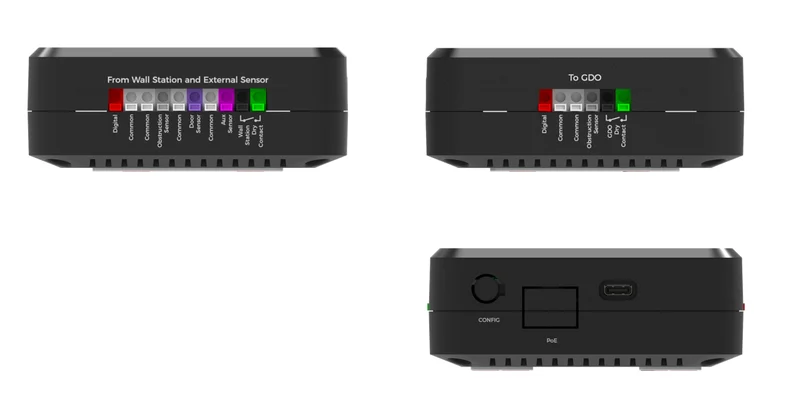
The integrator's favorite: works with most opener brands and nearly every platform, if you can handle the install.
Best for: Power users, multi-platform households, and pro installers who want maximum compatibility and don't mind a more involved setup.
- Works with all known opener brands per Tailwind, except Chamberlain and LiftMaster Security+ 3.0 (white learn button) units, plus HomeKit, Google, Alexa, SmartThings, Hubitat, Control4 and Crestron
- Offers patented auto-open on arrival (iPhone users need an optional vehicle sensor) and a local control API
- Uses commercial-grade sealed aluminum door sensors, per Tailwind
- Its door sensor is wired (J-track or universal mount), which makes installation more involved than a stick-on wireless one
- Premium-tier option, and its feature depth is overkill for someone who just wants open/close from a phone
Own the Tailwind iQ3 2.0 Smart Garage Door Controller? Tell us how it held up.
Thanks. Counted, and shown once enough owners have weighed in.
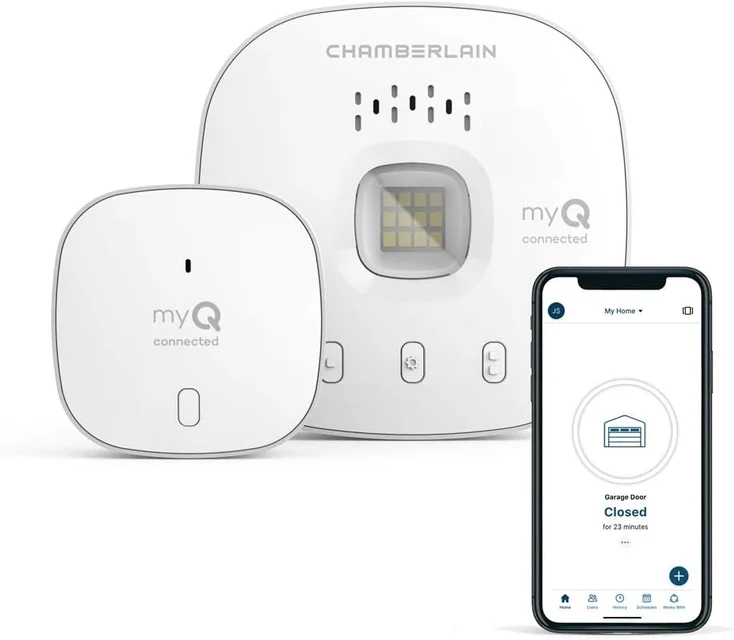
Cheap, easy hardware trapped inside a locked-down ecosystem.
Best for: Only someone who lives entirely in the myQ app, never wants voice or smart-home integration, and won't mind the paywalls.
- Inexpensive and quick to set up over Bluetooth
- Broad opener compatibility and tight integration with Amazon Key in-garage delivery
- Everything runs through Chamberlain's cloud, and free Alexa and Google Assistant control was cut off in 2023 unless you pay for a Works with myQ license
- Third-party access such as Home Assistant was blocked
Own the Chamberlain myQ Smart Garage Control (MYQ-G0401)? Tell us how it held up.
Thanks. Counted, and shown once enough owners have weighed in.
| Criteria | Meross Smart Wi-Fi Garage Door Opener (MSG100) Top pick Buy it Buy | Konnected Smart Garage Door Opener (GDOv2) Buy it Buy | Tailwind iQ3 2.0 Smart Garage Door Controller It depends Buy | Chamberlain myQ Smart Garage Control (MYQ-G0401) Skip it Buy |
|---|---|---|---|---|
| Best for | Most people, and especially anyone in the Apple Home ecosystem who wants smart control for the price of a nice dinner. | Home Assistant users and tinkerers who want a garage door they own outright, with no company able to change the rules later. | Power users, multi-platform households, and pro installers who want maximum compatibility and don't mind a more involved setup. | Only someone who lives entirely in the myQ app, never wants voice or smart-home integration, and won't mind the paywalls. |
| Price tier | $ · budget | $$ · mid-range | $$$ · premium | $ · budget |
| Apple Home / HomeKit | Yes, native | Via Home Assistant bridge | Yes, native | No |
| Works without the cloud | Cloud-linked for remote use | Local for Home Assistant and Hubitat; Alexa and SmartThings via free Konnected Cloud | Local API available | No, cloud-only |
| Subscription for full features | None | None | None | Paid license for voice control |
| Door sensor type | Wired reed sensor | Built-in laser sensor, wired optional | Wired sensor | Battery tilt sensor |
| Setup difficulty | Easy | Moderate | Moderate to involved | Very easy |
| Best suited to | Most people / Apple homes | Home Assistant users | Power users & installers | myQ-app-only users |
| Price tier | $ · budget | $$ · mid-range | $$$ · premium | $ · budget |
Which one is right for you?
- Most people, and especially anyone in the Apple Home ecosystem who wants smart control for the price of a nice dinner. Buy it Meross Smart Wi-Fi Garage Door Opener (MSG100)
- Home Assistant users and tinkerers who want a garage door they own outright, with no company able to change the rules later. Buy it Konnected Smart Garage Door Opener (GDOv2)
- Power users, multi-platform households, and pro installers who want maximum compatibility and don't mind a more involved setup. It depends Tailwind iQ3 2.0 Smart Garage Door Controller
- Only someone who lives entirely in the myQ app, never wants voice or smart-home integration, and won't mind the paywalls. Skip it Chamberlain myQ Smart Garage Control (MYQ-G0401)
How we judged the field
We don’t run our own garage-door lab. We work from the makers’ published specifications and the broad pattern of owner reports. For this category, a handful of things separate a good controller from a frustrating one, so we weighted our reading around them.
First, ecosystem and cloud dependence: does the device work with the smart-home platform you already use, and does it keep working if the manufacturer’s servers or business decisions change? Second, sensor reliability: a hardwired reed or contact sensor usually beats a battery-powered tilt sensor for accuracy and maintenance. Third, subscription and lock-in: whether the features you’re paying for stay free. Finally, install effort and everyday reliability, because a controller that drops offline or takes an afternoon to wire is a controller you’ll resent. The four picks below land in very different places on those axes.
Meross Smart Wi-Fi Garage Door Opener (MSG100)
Buy itThis is the one we’d hand to almost anyone. It’s the cheapest device here, it carries no subscription, and it plugs into a wide set of platforms: Apple Home, Alexa, Google Home and SmartThings, all without a separate hub. Its hardwired magnetic sensor avoids the batteries that tilt sensors on some rivals need. The honest caveats are small: compatibility varies with opener age and model, so check Meross’s list, and remote and cloud-linked automations still touch Meross servers. For the money, none of that dents the recommendation.
Konnected Smart Garage Door Opener (GDOv2)
Buy itKonnected’s controller is the enthusiast’s answer to everything wrong with closed ecosystems. It runs ESPHome firmware and talks to Home Assistant and Hubitat through a 100% local integration, with no recurring fees; Alexa and SmartThings go through Konnected’s free cloud service. A built-in optical laser sensor reads door position, with an optional wired sensor for tall ceilings. It works with openers triggered by a push button or dry-contact closure, while Chamberlain and LiftMaster openers with a yellow circular, red, orange, blue, purple or brown learn button need Konnected’s separate GDO blaQ, while older Chamberlain and LiftMaster models with green, gray, white or yellow square learn buttons are on Konnected’s supported list. The reasons it isn’t a universal pick are equally clear: it really shines only if you already live in Home Assistant or Hubitat. Match it to the right owner, though, and you, not a vendor, are in control.
Tailwind iQ3 2.0 Smart Garage Door Controller
It dependsTailwind says the iQ3 works with all known opener brands except Chamberlain and LiftMaster Security+ 3.0 units, and it integrates with nearly everything worth naming: HomeKit, Google, Alexa, SmartThings, Hubitat, Control4 and Crestron, plus a local control API and patented auto-open on arrival. Note that Tailwind lists the iQ3 2.0 as sold out while a 2.1 model is up for pre-order, so check which is available. So why only a conditional recommendation? Two reasons. Its door sensor is wired, which makes installation more involved than a stick-on wireless one, and it sits in the premium tier. If you want deep automation and maximum compatibility, it’s worth every bit of the effort and cost. If you just want open, close and a status check, you’re paying for capability you’ll never touch.
Chamberlain myQ Smart Garage Control (MYQ-G0401)
Skip itThis is the awkward one, because the hardware is fine. It’s cheap and sets up over Bluetooth. The problem is everything around the hardware. myQ runs entirely through Chamberlain’s cloud, and in 2023 the company cut off the free Alexa and Google Assistant integrations that many buyers relied on, gating them behind a paid Works with myQ license. Third-party access such as Home Assistant was blocked the same year, . You are not just buying a controller; you are buying into a walled garden whose owner has already shown it will move the walls. With more open alternatives available, that makes myQ our dis-buy.
Sources
Specs in this review come from these pages.
Meross MSG100 vs Konnected GDOv2: which should you buy?
These two are our top pick and runner-up, and the choice between them is really a choice about how much control you want. The Meross MSG100 wins on ease and breadth: it’s cheaper, sets up fast, supports Apple Home, and needs no extra infrastructure. For the overwhelming majority of homes, that’s the right answer.
The Konnected GDOv2 wins on independence. Its Home Assistant and Hubitat integration is fully local, and the open firmware means no company can easily revoke a feature later, which is exactly what the myQ story teaches you to worry about. The trade is that it assumes you run Home Assistant or Hubitat and are comfortable with a more technical setup. Put simply: buy the Meross for the smoothest path, buy the Konnected if the phrase “fully local” makes you nod.
What to look for
- No required subscription for core features like remote control and voice integration. Free today should mean free tomorrow.
- A hardwired door sensor rather than a battery tilt sensor, for better accuracy and no battery swaps.
- Open ecosystem support for the platform you actually use (Apple Home, Google, Alexa, SmartThings or Home Assistant), ideally without a proprietary hub.
- Local or offline control, so the door still responds when the internet or a vendor’s servers are down.
- Verified opener compatibility: check your opener’s brand, model and age against the maker’s list, paying special attention to very new high-security openers.
Our final take
Making a garage smart is one of the easiest, cheapest home upgrades there is, and you don’t need to overthink it. Get the Meross MSG100 and you’ll have subscription-free, multi-platform control for very little money. If you’re a Home Assistant household that wants nothing touching the cloud, the Konnected GDOv2 is the better fit, provided your opener is not a Chamberlain or LiftMaster model with a yellow circular or other colored learn button. Spring for the Tailwind iQ3 2.0 only if you want maximum compatibility and automation and don’t mind the install. And whatever you do, think twice before defaulting to the familiar myQ: the hardware isn’t the issue, but the locked-down, increasingly paywalled ecosystem is a poor foundation to build a smart home on.
Questions, answered
Do I need to replace my whole garage door opener to make it smart?
No. Every product here is a controller that wires into your existing opener's wall-button terminals and adds a door-position sensor. As long as your opener is a standard residential unit, you keep it and just add the smart controller, which is far cheaper and easier than a full replacement.
Why do you recommend skipping the Chamberlain myQ when it is so popular?
The hardware is genuinely reliable and cheap, but the ecosystem is the problem. myQ runs entirely through Chamberlain's cloud, free Alexa and Google Assistant control was removed in 2023 unless you pay for a Works with myQ license, and third-party tools like Home Assistant were blocked. You are buying into a closed system that can change the rules, which is why it lands as our dis-buy.
Which one works with Apple Home / HomeKit?
Meross lists Apple Home support for the MSG100 and Tailwind lists HomeKit for the iQ3 2.0, both with no extra bridge. The Konnected GDOv2 can appear in Apple Home if you route it through Home Assistant. The Chamberlain myQ does not work with Apple Home at all.
Do any of these charge a monthly subscription?
The Meross, Konnected, and Tailwind controllers have no required subscription for their core smart features. The Chamberlain myQ is the outlier: basic control in its own app is free, but restoring third-party voice-assistant control requires a paid Works with myQ license.
Will these controllers work with my specific opener?
This is general product information rather than a guarantee for your exact setup, so always check the maker's compatibility list against your opener's brand, model and age before buying. The Tailwind unit covers the widest range of residential openers, while the Konnected GDOv2 works with openers triggered by a push button or dry contact, Chamberlain and LiftMaster models with a yellow circular or other colored learn button need Konnected's GDO blaQ, and Konnected lists older Chamberlain and LiftMaster models with green, gray, white or yellow square learn buttons as supported. Tailwind excludes Chamberlain and LiftMaster Security+ 3.0 units.
Deciding between the top two? See our head-to-head: Meross Smart Wi-Fi Garage Door Opener (MSG100) vs Konnected Smart Garage Door Opener (GDOv2).
More in Smart Home
Smart Garage Door Openers, Explained Plain-English guide → Meross Smart Wi-Fi Garage Door Opener (MSG100) vs Konnected Smart Garage Door Opener (GDOv2) Head-to-head →  The Best Smart Home Hubs: 4 Compared (and One to Skip)
  The Best Smart Light Bulbs: 4 Compared (and One to Skip)
  Which Smart Light Switch Actually Fits Your Wiring?
  The Best Smart Locks: 4 Compared (and One to Skip)