

Tech & Gadgets
The Best ND Filters: 4 Compared (and One to Skip)
We compared four neutral density filters on published glass type, coating layer count, reflectance, colour neutrality, frame material, stop range and warranty.
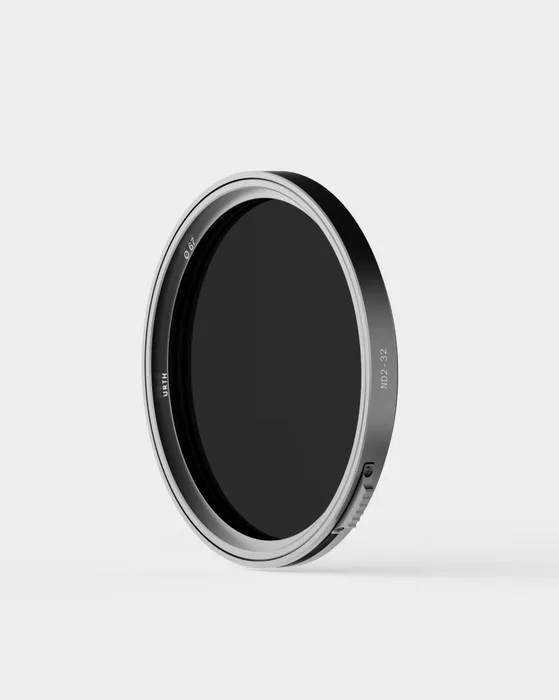
The short version
The Urth Variable ND2-32 Pro is the one to buy: SCHOTT B270 optical glass, a CoraNano Max 34-layer dual-side nano coating, a published reflectance figure of 1.5 percent or less, 1 to 5 stops of adjustment, a warp-resistant aerospace-grade aluminium frame and a lifetime warranty, which is the only lifetime warranty in this comparison. The Freewell Hard Stop Variable ND is the value pick, with 18-layer multicoating, a hard stop design that removes any chance of cross-polarisation, zero vignetting above 16mm, and a coating on both faces that resists water, dust, oil and scratches, in 2-5 stop and 6-9 stop versions. The Breakthrough X4 Neutral Density is the fixed-ND specialist, built on SCHOTT Superwhite B270 with MRC16 coating applied eight layers per side, a brass CNC traction frame and weather sealing against salt water and dust, sold in 3, 6, 10 and 15 stop strengths. The PolarPro PMVND Edition II is the one to skip: at the highest price here it names no glass type, no coating layer count, no reflectance figure, no frame material and no warranty term. Best for: video shooters trying to hold a shutter angle in daylight, and landscape photographers after long exposures.
Our picks at a glance
- Urth Variable ND2-32 Filter Pro - Buy. The only filter here that publishes its reflectance, and the only one with a lifetime warranty.
- Freewell Hard Stop Variable ND - Buy. Hard stops, two ranges, and a coating designed for being carried around outdoors.
- Breakthrough Photography X4 Neutral Density - It depends. The best-documented optics here, in a fixed filter you buy one strength at a time.
- PolarPro PMVND Edition II - Skip. The highest price in this comparison and the least published about what is in it.
The verdict in 30 seconds
What mattered most
- Type
- Stop range
- Glass
- Coating layers
- Reflectance published
- Frame material
A neutral density filter is a piece of grey glass whose entire job is to be boring: cut light evenly across the spectrum and change nothing else. Every filter fails at that to some degree, which is why colour cast, reflectance and transmission curves are the real specifications, and why the good makers publish them. The other decision is structural. A variable ND rotates through a range of stops using two polarising layers, which is convenient and introduces its own failure modes. A fixed ND is one strength of glass with none of those problems and none of that convenience. We took three variables and one fixed, and the most expensive filter here publishes the least about itself.
The only filter here that publishes its reflectance, and the only one with a lifetime warranty.
Best for: General video and photo work where you want one filter and the best published optics.
- SCHOTT B270 optical glass with a CoraNano Max 34-layer dual-side nano coating, the highest published layer count in this comparison.
- Reflectance published at 1.5 percent or less, which is the figure that determines ghosting and flare and which no other maker here states.
- A warp-resistant aerospace-grade aluminium frame, an ergonomic rim for smooth rotation, 1 to 5 stop adjustment, and a lifetime warranty.
- A 1 to 5 stop range only, where two competitors also offer a 6 to 9 stop version for bright light and long exposures.
- Aluminium frame against brass on the Breakthrough, which is softer and more prone to cross-threading.
- Urth does not publish the widest focal length at which it avoids vignetting.
- Like every variable ND, it cannot be stacked with a separate polariser.
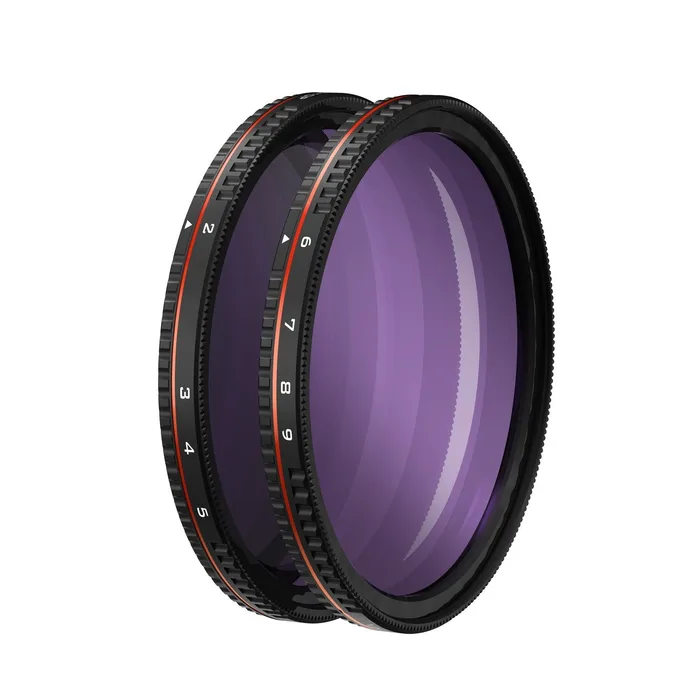
Hard stops, two ranges, and a coating designed for being carried around outdoors.
Best for: Run-and-gun video outdoors, and anyone who needs both a light and a heavy ND range.
- A hard stop threaded design that Freewell says eliminates any chance of cross-polarisation, with zero vignetting at 16mm and wider.
- High definition optical glass with 18-layer multicoating, and each face additionally coated to resist water, dust, oil and scratches.
- Two ranges rather than one: 2-5 stop, equivalent to ND4 to ND32 for cloudy through normal sun, and 6-9 stop, equivalent to ND64 to ND512 for bright days and long exposures.
- The glass is described as high definition optical glass with no brand or type named, where two competitors name SCHOTT.
- No reflectance figure and no transmission data are published.
- No frame material is stated.
- No warranty terms appear on the product page.
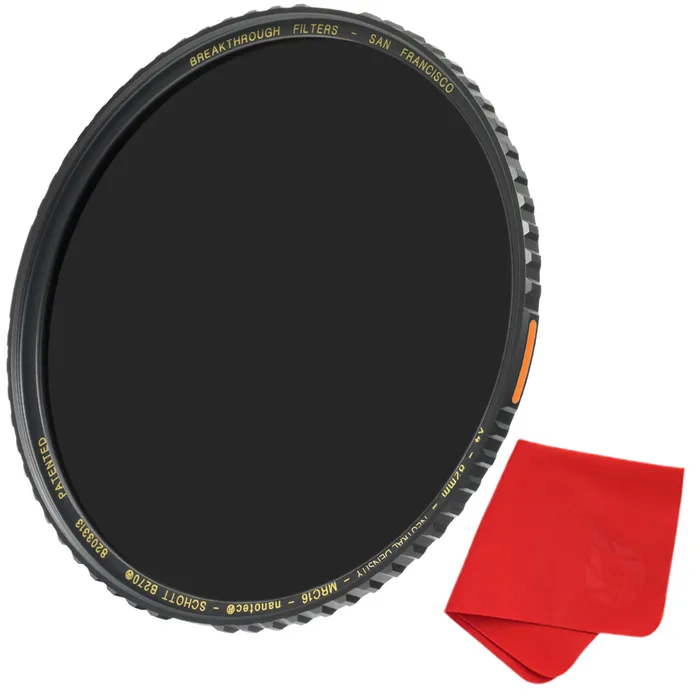
The best-documented optics here, in a fixed filter you buy one strength at a time.
Best for: Landscape and long exposure work, where one strength is chosen deliberately and image quality decides everything.
- SCHOTT Superwhite B270 ultra-clear crown glass with MRC16 coating, applied as eight layers per side, plus a nanotec coating, and Breakthrough publishes the reasoning including why it stops at 16 layers.
- Breakthrough publishes a spectrometer transmission curve and states the filter maintains neutrality into the infrared, where conventionally manufactured NDs transmit strongly from 700nm.
- A brass CNC machined traction frame that is easier to fit and remove with gloves, weather-sealed against wind, salt water and dust, in 3, 6, 10 and 15 stop strengths.
- Fixed strength, so covering a range means buying three or four filters and swapping them mid-shoot.
- No warranty term is published; Breakthrough requires warranty activation and does not state the length on the product page.
- It is the most expensive way to buy a given stop value in this group.
- Not suitable for video where light changes constantly, because you cannot dial it.
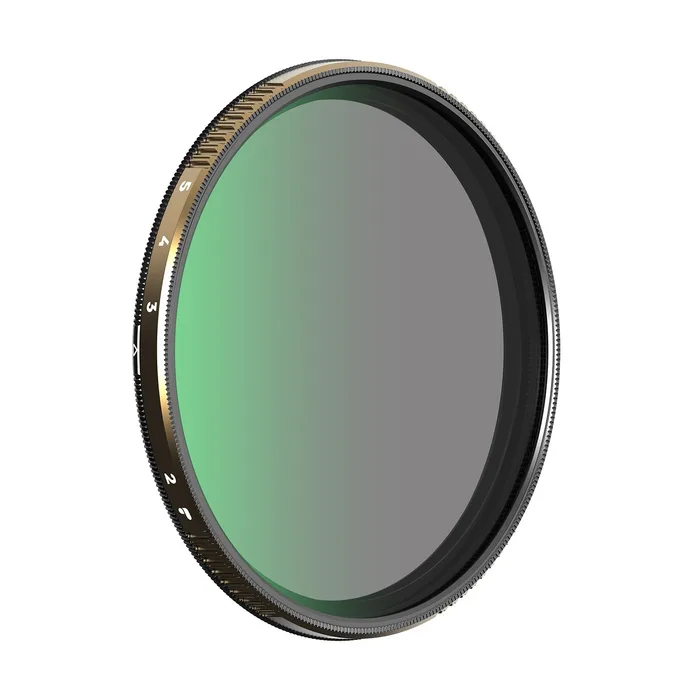
The highest price in this comparison and the least published about what is in it.
Best for: Someone already invested in the PolarPro ecosystem who wants the haptic stops and the case.
- Preset hard stops that PolarPro says eliminate any chance of cross-polarisation, with a custom frame design giving zero vignetting down to 16mm.
- A haptic feedback mechanism at each stop, so you can feel the setting change rather than looking at the ring.
- Signature and Mist editions in both 2-5 and 6-9 stop ranges, with a Defender360 case and front and rear cover included.
- The glass is named only as Cinema Series Glass resolving up to 8K, with no glass type, no manufacturer and no substrate published.
- No coating layer count and no reflectance or transmission figures are given, where three cheaper filters publish one or both.
- No frame material and no warranty terms are stated for this model.
- PolarPro's own page notes that threaded VNDs cannot be stacked and that VNDs should not be used with a separate polariser, which applies to all of these but is worth knowing before paying flagship money.
| Criteria | Variable ND2-32 Filter Pro Top pick | Hard Stop Variable ND | X4 Neutral Density | PMVND Edition II |
|---|---|---|---|---|
| Verdict | Buy it | Buy it | It depends | Skip it |
| Best for | General video and photo work where you want one filter and the best published optics. | Run-and-gun video outdoors, and anyone who needs both a light and a heavy ND range. | Landscape and long exposure work, where one strength is chosen deliberately and image quality decides everything. | Someone already invested in the PolarPro ecosystem who wants the haptic stops and the case. |
| Price tier | $$$ · premium | $$ · mid-range | $$$ · premium | $$$$ · flagship |
| Type | Variable | Variable, hard stop | Fixed | Variable, hard stop |
| Stop range | 1 to 5 | 2-5 or 6-9 | 3, 6, 10 or 15 | 2-5 or 6-9 |
| Glass | SCHOTT B270 | High definition optical, type not named | SCHOTT Superwhite B270 | Cinema Series Glass, type not named |
| Coating layers | 34, dual-side nano | 18, multicoated | MRC16, eight per side, plus nanotec | Not published |
| Reflectance published | 1.5 percent or less | No | Transmission curve published | No |
| Frame material | Aerospace-grade aluminium | Not published | CNC machined brass | Not published |
| Vignetting | Not published | None at 16mm and wider | Not applicable, fixed | None down to 16mm |
| Weather sealing | Not published | Water, dust, oil and scratch resistant coating | Weather-sealed against salt water and dust | Not published |
| Warranty | Lifetime | Not published | Activation required, term not published | Not published |
Which one is right for you?
- General video and photo work where you want one filter and the best published optics. Buy it Urth Variable ND2-32 Filter Pro
- Run-and-gun video outdoors, and anyone who needs both a light and a heavy ND range. Buy it Freewell Hard Stop Variable ND
- Landscape and long exposure work, where one strength is chosen deliberately and image quality decides everything. It depends Breakthrough Photography X4 Neutral Density
- Someone already invested in the PolarPro ecosystem who wants the haptic stops and the case. Skip it PolarPro PMVND Edition II
How we judged the field
Neutral density is a claim, not a fact, so we started with whatever evidence each maker offers that its filter is actually neutral. That means a named glass substrate, a coating layer count, a reflectance percentage, or best of all a published transmission curve. Two of these four name SCHOTT glass, three give a coating layer count, one gives a reflectance figure, and one publishes a spectrometer curve. One gives none of it.
After optics we looked at the mechanism, because a variable ND has a failure mode a fixed one does not. Cross-polarisation produces an unfixable dark X across the frame when the two polarising layers are rotated too far, and the only real defence is a hard physical stop at each end of the range. Then vignetting, since the stacked construction of a variable ND makes it thicker than a fixed one and wide lenses show it. Then the frame, where brass resists cross-threading better than aluminium and weather sealing matters if the filter lives outdoors. Finally warranty, which in this category runs from lifetime to nothing published at all, and which correlates poorly with price.
The Urth Variable ND2-32 Pro publishes the numbers that actually decide whether a neutral density filter is neutral. The substrate is SCHOTT B270, a named optical glass rather than a marketing phrase. The coating is CoraNano Max, 34 layers applied to both sides, which is the highest published layer count in this comparison. Most usefully, Urth publishes a reflectance figure, 1.5 percent or less, which is the specification that governs ghosting and flare and which is absent from every other page here. The filter gives 1 to 5 stops of adjustment with what Urth calls True Color transmission, sits in a warp-resistant aerospace-grade aluminium frame, and has an ergonomic rim designed for smooth rotation. Behind it is a lifetime warranty, the only one in this group and by some distance the strongest commitment anyone makes. The compromises are real but narrow. The range stops at five stops, where Freewell and PolarPro both offer a 6-9 stop version for bright light and long exposures. The aluminium frame is softer than brass and easier to cross-thread. And Urth does not say how wide a lens it clears without vignetting.
The Freewell Hard Stop Variable ND is the practical answer and the best value here. The important design decision is in the name: hard stops at each end of the range, which Freewell says eliminate any chance of cross-polarisation, so you physically cannot rotate the filter into the zone where a dark X appears across the frame. It clears 16mm and wider without vignetting. The glass is high definition optical glass with 18-layer multicoating, and each face carries an additional coating that resists water, dust, oil and scratches, which matters more than it sounds on a filter that lives on the front of a lens outdoors. The range choice is the other advantage: 2-5 stop, equivalent to ND4 through ND32, for cloudy days through normal sun, and 6-9 stop, equivalent to ND64 through ND512, for bright sun and long exposures. Buying one of each still costs less than a single filter from the most expensive brand here. What Freewell will not tell you is what the glass actually is beyond high definition, what the frame is made of, what the reflectance is, or what the warranty covers.
The Breakthrough X4 Neutral Density is the most thoroughly explained optical product in this comparison, and the explanation is worth reading. The substrate is SCHOTT Superwhite B270, an ultra-clear crown glass made by continuous draw from high purity raw materials, chosen for transmission across ultraviolet, visible and infrared and for a surface quality that accepts coatings well. The coating is MRC16, eight layers of multi-resistant coating applied evenly to each side, and Breakthrough explains why it stops there: in its lab tests transmission peaks around 16 layers and falls off at 18 and above, which is a more useful statement than a bigger number would be. A nanotec coating goes on top. Breakthrough publishes a spectrometer transmission curve and states the filter holds neutrality into the infrared, where conventionally manufactured NDs transmit strongly from 700nm onward. The frame is CNC machined brass with a traction pattern that works with gloves, weather-sealed against wind, salt water and dust. It is fixed, sold in 3, 6, 10 and 15 stop strengths, so you buy the one you need and swap glass when conditions change, and there is no warranty term on the page.
The PolarPro PMVND Edition II is the most expensive filter in this comparison and the least described. What PolarPro publishes is all about handling: preset hard stops that remove any chance of cross-polarisation, a custom frame design giving zero vignetting down to 16mm, a haptic feedback mechanism so each stop can be felt rather than read, a Defender360 case with front and rear covers included, and a choice of Signature and Mist editions in 2-5 and 6-9 stop ranges. Those are good things and the hard stops and 16mm figure match the Freewell exactly. What is missing is everything about the optics. The glass is named only as Cinema Series Glass that resolves up to 8K, which describes a resolution claim rather than a material. There is no glass type, no manufacturer, no coating layer count, no reflectance figure and no transmission data. There is no frame material for this model and no warranty term. Three cheaper filters here each publish more than that, and one of them publishes a lifetime warranty. PolarPro deserves credit for one thing the others leave out: its page states plainly that threaded VNDs cannot be stacked and that variable NDs should not be combined with a separate polariser.
Urth Variable ND2-32 Filter Pro vs Freewell Hard Stop Variable ND: which should you buy?
Urth against Freewell is the practical choice in this group, and it splits between optics and range. Urth wins on everything measurable: SCHOTT B270 glass named to a type, a 34-layer dual-side nano coating, a published reflectance of 1.5 percent or less, and a lifetime warranty that no other maker here comes near. If you shoot one filter on one lens and want the best-documented glass in front of it, that is the whole argument.
Freewell wins on coverage and cost. Two ranges means a 2-5 stop for normal light and a 6-9 stop for bright sun or long exposures, and buying both still costs less than one Urth. The hard stops are an explicit design feature rather than an assumption, 16mm vignetting performance is stated, and the additional water, dust, oil and scratch coating on both faces is the kind of thing that keeps a filter usable after a year of being wiped on a shirt. Buy the Urth if image quality and the warranty matter most and five stops is enough. Buy the Freewell if you need the heavy range too, or if the filter is going to live a hard life outdoors.
What to look for
- A named glass substrate: SCHOTT B270 or similar is a specification; cinema series glass is a description.
- Coating layer count, per side: eight per side and 34 dual-side are comparable numbers, and a maker explaining why it stopped where it did is a very good sign.
- A reflectance figure or a transmission curve: these are the only published evidence that a neutral density filter is actually neutral.
- Hard stops on any variable ND: without them the top of the range will eventually give you a dark X across the frame.
- A stated vignetting focal length: variable NDs are thick, and 16mm is the figure the better ones quote.
- Frame material and warranty: brass resists cross-threading better than aluminium, and warranty terms in this category range from lifetime to nothing at all.
Our final take
Neutral density filters are judged on what they fail to do, which makes published evidence unusually important and unusually rare. The Urth Variable ND2-32 Pro is the one to buy: named SCHOTT glass, the highest coating layer count here, the only published reflectance figure, and a lifetime warranty. The Freewell Hard Stop Variable ND is the better value and the more versatile purchase, with hard stops, a stated 16mm vignetting figure, a durable multi-resistant coating and two stop ranges to choose from. The Breakthrough X4 is the best glass in this comparison and a fixed filter, which makes it the right tool for deliberate long exposures and the wrong one for changing light. And a flagship-priced variable ND that will not name its glass, count its coatings or state a warranty is asking you to buy the brand rather than the filter.
Questions, answered
Variable or fixed?
Variable if the light changes and you are shooting video, fixed if you are choosing an exposure deliberately. A variable ND lets you hold a 180 degree shutter angle as clouds come and go without stopping to swap glass, which is the whole reason video shooters own them. A fixed ND is one piece of grey glass with no polarisers in it, so it cannot cross-polarise, cannot produce an X across the frame and generally has a cleaner transmission curve. For long exposure landscape work where you compose, calculate and wait, fixed is the better tool.
What is cross-polarisation and why does it matter?
A variable ND is two polarising layers rotating against each other, and past a certain angle they start cancelling unevenly across the frame, producing a dark X or a banded cast that is impossible to fix afterwards. It happens when you push a variable ND beyond its designed range. The fix is a hard stop, a physical limit at each end of the range that will not let you rotate into the failure zone, which is why both Freewell and PolarPro build hard stops in and say so. If a variable ND has no hard stops, its top end is a trap.
What causes a colour cast, and can I fix it in editing?
The cast comes from the filter transmitting some wavelengths more than others, and it typically gets worse the stronger the filter. A ten stop ND with a blue or magenta cast will shift the whole image, and while white balance corrects a mild even cast, it cannot fix a cast that varies across the frame or one that sits in the infrared beyond your camera's white balance range. That is why Breakthrough publishes a transmission curve and talks about infrared performance from 700nm, and it is a good sign when a maker does.
How many stops do I actually need?
For video in daylight, two to five stops covers most situations and six to nine covers bright sun or shooting in log. For photography, three stops smooths moving water slightly, six gives obvious motion blur, ten turns a busy scene empty and stretches clouds, and fifteen is for full daylight long exposures. Most people are best served by a 2-5 stop variable for everyday work, and a fixed six or ten if long exposures interest them. Buying a single filter to cover everything is how you end up pushing a variable ND into cross-polarisation.
Can I stack filters?
Not a variable ND with a polariser, and generally not a threaded variable ND with anything. PolarPro states both on its own product page: threaded VNDs cannot have other filters stacked on top, and variable NDs in general should not be combined with a separate polariser, because you are then rotating three polarising layers against each other. Fixed NDs stack more happily, though every extra air-to-glass surface adds reflections, and stacking on a wide lens brings vignetting back.
Deciding between the top two? See our head-to-head: Urth Variable ND2-32 Filter Pro vs Freewell Hard Stop Variable ND.
More Tech & Gadgets reviews
 The Best Network Switches: 4 Compared (and One to Skip)
  The Best Non-Contact Voltage Testers: 4 Compared (and One to Skip)
  The Best Oscillating Multi-Tools: 4 Compared (and One to Skip)
  The Best Outdoor Security Cameras: Wide Coverage Without the Monthly Trap
  The Best Outlet Testers: 4 Compared (and One to Skip)
  The Best Ethernet Patch Panels: 4 Compared (and One to Skip)