

Tech & Gadgets
The Best Mirrorless Cameras for Beginners: 4 Compared (and One to Skip)
Four popular APS-C mirrorless cameras compared on autofocus, video, handling, and lens ecosystems - with one aging model to skip.
The short version
After synthesizing independent testing and owner reports across the entry APS-C mirrorless class, the Nikon Z50 II is the camera we'd tell most beginners and enthusiasts to buy: its flagship-derived autofocus, deep grip, bright viewfinder, and 10-bit video simply outclass the field at this tier. The Canon EOS R50 is a worthy runner-up - smaller, friendlier, and just as sharp for everyday photos - though its thin lens selection caps where you can take it. The Fujifilm X-M5 is a conditional recommendation: great color and video in a tiny body, but the missing viewfinder is a real limitation outdoors. The Sony a6400 is the one to skip in 2026 - still functional, but its dated screen, menus, ports, and 8-bit video no longer justify the price when newer rivals cost similar money. None of these cameras have in-body stabilization, so budget for a stabilized kit lens either way. Best for: beginners who want to outgrow their phone - get the Z50 II if you want room to grow, the R50 if you want maximum simplicity.
Our picks at a glance
- Nikon Z50 II - Buy. Pro-grade autofocus and handling trickled down into a beginner body - a lot of camera for the class.
- Canon EOS R50 - Buy. The friendliest small camera you can buy - superb autofocus and a guided interface in a body that disappears in a bag.
- Fujifilm X-M5 - It depends. A gorgeous, video-forward compact with Fujifilm's famous color - as long as you can live without a viewfinder.
- Sony a6400 - Skip. Still on shelves and still competent, but this is 2019 hardware at a 2026 price - the newer rivals outclass it.
The verdict in 30 seconds
What mattered most
- Sensor
- Autofocus
- Viewfinder
- Rear screen
- Video
- In-body stabilization
Stepping up from a phone to a real interchangeable-lens camera is one of the best upgrades a hobbyist can make, and the APS-C mirrorless class is where beginners and enthusiasts get the most camera for the money. We compared four of the most-recommended models on the market - from Nikon, Canon, Fujifilm, and Sony - by synthesizing independent testing and owner reports. Two earn a clear buy, one is a brilliant camera for a specific kind of shooter, and one long-running favorite has finally aged out of a recommendation.
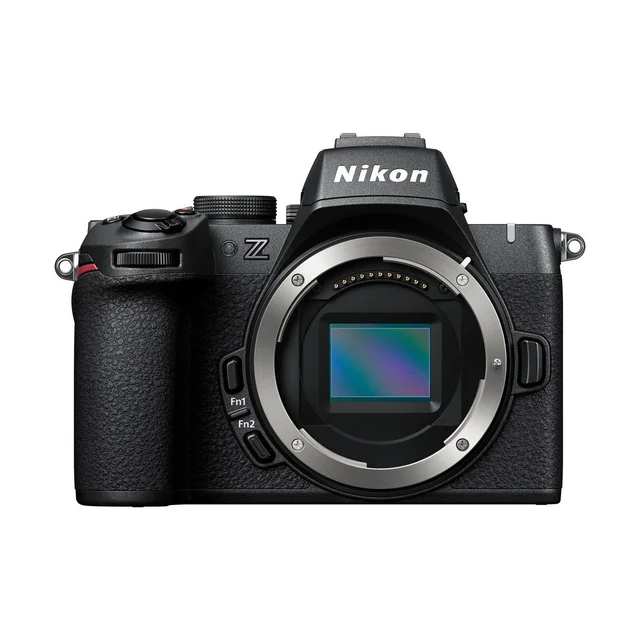
Pro-grade autofocus and handling trickled down into a beginner body - a lot of camera for the class.
Best for: Beginners and enthusiasts who want one camera that handles family, travel, pets, sports, and video without feeling outgrown in a year.
- Flagship-derived processor brings fast subject-detection autofocus for people, pets, birds, and vehicles
- Comfortable ergonomics: deep grip, bright high-brightness viewfinder, sensible controls that grow with you
- Strong video for the class: oversampled 4K, a fully articulating screen, and 10-bit N-Log capture
- Dedicated Picture Control button with downloadable color presets makes straight-out-of-camera shots fun
- No in-body stabilization, so you rely on stabilized (VR) lenses for handheld low-light work
- Nikon's native APS-C (DX) lens lineup is still thinner than Sony's or Fujifilm's
- Battery life is modest - a spare battery is a near-mandatory accessory
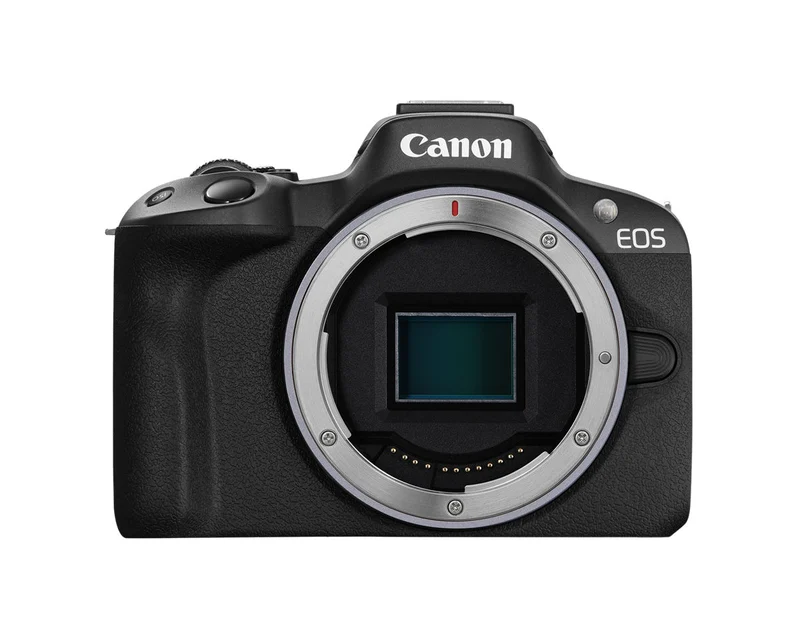
The friendliest small camera you can buy - superb autofocus and a guided interface in a body that disappears in a bag.
Best for: First-time camera buyers who value small size and simplicity, and who will mostly shoot with one or two kit-style lenses.
- Dual Pixel autofocus with subject detection is reliably sticky on faces and eyes - great for kids and pets
- Smallest and lightest camera here that still includes a proper eye-level viewfinder
- Guided menus and an excellent auto mode make the learning curve gentle for first-time buyers
- Sharp oversampled 4K and a fully articulating touchscreen suit casual video and vlogging
- Native RF-S lens selection is sparse, and Canon limits third-party autofocus lens options
- No in-body stabilization and no weather sealing
- Small battery and single control dial can feel limiting as your skills grow
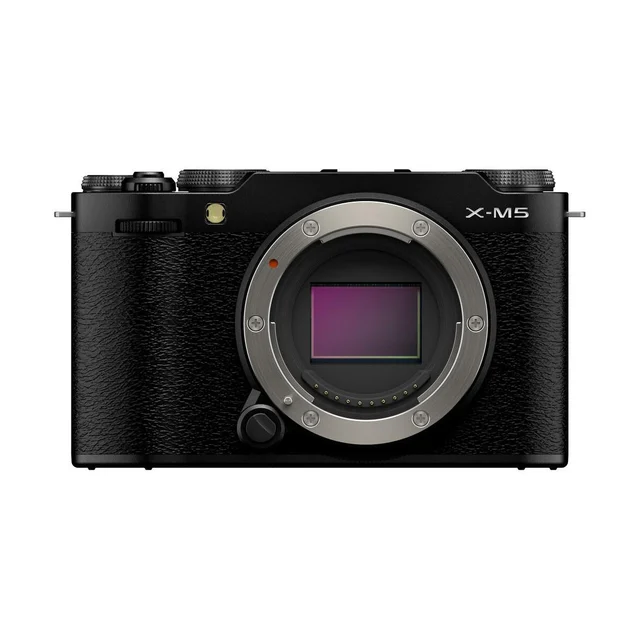
A gorgeous, video-forward compact with Fujifilm's famous color - as long as you can live without a viewfinder.
Best for: Content creators, street shooters, and style-conscious buyers who prioritize video and color over traditional handling.
- Film Simulation dial delivers Fujifilm's beloved color looks straight out of camera - minimal editing needed
- Standout video spec for the class: open-gate 6.2K and 4K at 60p, with strong creator-focused features
- Deep X-mount lens catalog designed specifically for APS-C, including lots of compact primes
- Truly pocketable-adjacent size that encourages you to actually carry it everywhere
- No viewfinder at all - composing on the rear screen is tough in bright sunlight
- No in-body stabilization, and availability has been inconsistent
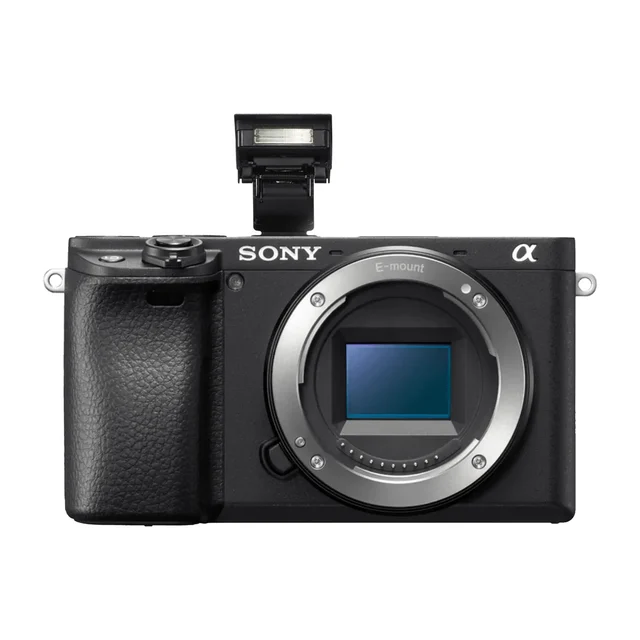
Still on shelves and still competent, but this is 2019 hardware at a 2026 price - the newer rivals outclass it.
Best for: Only buyers who find a genuinely deep discount or who are already invested in E-mount lenses.
- Huge E-mount lens ecosystem with wide third-party support
- Longer battery life than the other bodies here and proven hardware
- Fast, dependable autofocus that was the benchmark when it launched
- Aging platform: older menu system, low-resolution rear screen, micro-USB port, and 8-bit-only video
- Tilt-only screen and cramped ergonomics feel dated next to every other camera in this comparison
- Often priced close to the newer Nikon or Canon, which offer more
| Criteria | Nikon Z50 II Top pick Buy it Buy | Canon EOS R50 Buy it Buy | Fujifilm X-M5 It depends Buy | Sony a6400 Skip it Buy |
|---|---|---|---|---|
| Best for | Beginners and enthusiasts who want one camera that handles family, travel, pets, sports, and video without feeling outgrown in a year. | First-time camera buyers who value small size and simplicity, and who will mostly shoot with one or two kit-style lenses. | Content creators, street shooters, and style-conscious buyers who prioritize video and color over traditional handling. | Only buyers who find a genuinely deep discount or who are already invested in E-mount lenses. |
| Price tier | $$ · mid-range | $$ · mid-range | $$ · mid-range | $$ · mid-range |
| Sensor | 20.9MP APS-C | 24.2MP APS-C | 26.1MP APS-C X-Trans | 24.2MP APS-C |
| Autofocus | Flagship-derived subject detection (9 subject types) | Dual Pixel AF with people/animal/vehicle detection | Subject-detection AF, strong for the class | Fast but older-generation tracking |
| Viewfinder | Yes - bright, high-visibility EVF | Yes - compact EVF | None (rear screen only) | Yes - small EVF |
| Rear screen | Fully articulating touchscreen | Fully articulating touchscreen | Fully articulating touchscreen | Tilt-only, low-resolution touchscreen |
| Video | Oversampled 4K, 10-bit N-Log | Oversampled 4K30 | Open-gate 6.2K, 4K60 | 4K30, 8-bit only |
| In-body stabilization | No (lens VR only) | No (lens IS only) | No (lens OIS only) | No (lens OSS only) |
| Native lens ecosystem | Growing, still limited for APS-C | Sparse RF-S, third-party restricted | Deep APS-C-first X-mount catalog | Largest, wide third-party support |
| Price tier | $$ · mid-range | $$ · mid-range | $$ · mid-range | $$ · mid-range |
Which one is right for you?
- Beginners and enthusiasts who want one camera that handles family, travel, pets, sports, and video without feeling outgrown in a year. Buy it Nikon Z50 II
- First-time camera buyers who value small size and simplicity, and who will mostly shoot with one or two kit-style lenses. Buy it Canon EOS R50
- Content creators, street shooters, and style-conscious buyers who prioritize video and color over traditional handling. It depends Fujifilm X-M5
- Only buyers who find a genuinely deep discount or who are already invested in E-mount lenses. Skip it Sony a6400
How we judged the field
We don’t run a camera lab. Instead, we synthesized what independent testing consistently measures - autofocus reliability, image and video quality, screen and viewfinder usability, battery endurance - with large volumes of owner reports describing what these cameras are like to live with: how they handle, how confusing the menus are, what breaks, and what people wish they’d known before buying. For a beginner-to-enthusiast mirrorless camera we weighted five things most heavily: autofocus you can trust on moving subjects, handling that doesn’t fight you, a viewfinder and screen you can actually see outdoors, a lens ecosystem worth growing into, and honest value at the price tier. All four finalists use APS-C sensors, all four are current models sold new in 2026, and - worth knowing up front - none of them has in-body stabilization, so stabilized kit lenses matter across the board.
Nikon Z50 II
Buy itThe Z50 II is the rare entry-level camera that borrows its brain from the top of the lineup. Nikon fitted it with the same processor family as its flagship bodies, and its subject-detection autofocus covers people, pets, birds, and vehicles, which is a big strength for moving subjects. Owners rave about the handling: a deep, genuinely comfortable grip, a bright high-visibility viewfinder that stays readable in harsh sun, and enough direct controls that you won’t outgrow the body the way people historically outgrew entry-level cameras. The video side is quietly excellent too, with oversampled 4K, 10-bit N-Log for those who want to grade footage, and a fully articulating screen. The honest gripes: there’s no in-body stabilization, Nikon’s APS-C lens shelf is still shorter than Fujifilm’s or Sony’s (though full-frame Z lenses mount natively), and battery life is unremarkable - owners commonly recommend a spare. None of that changes the verdict. As an all-round package for someone who wants to learn photography properly, this is the strongest camera here.
Canon EOS R50
Buy itThe R50’s pitch is simplicity without sacrifice, and it mostly delivers. It’s the smallest and lightest camera in this group that still includes a real viewfinder, and Canon’s guided interface is repeatedly singled out by owners as the easiest on-ramp in the industry - the camera explains settings in plain language as you change them. Autofocus is a genuine strength: Canon’s Dual Pixel system with face, eye, animal, and vehicle detection is extremely sticky for stills of kids and pets, and its oversampled 4K suits casual video. So why is it the runner-up rather than the pick? Growth. The native RF-S lens selection remains thin, Canon has historically restricted third-party autofocus lenses, there’s a single control dial, and the small battery runs down quickly on trips. Owners who stay with one or two lenses report being delighted for years; owners who catch the lens-buying bug tend to hit the system’s walls. If your priority is the lightest, friendliest possible start - and especially if it will double as a travel and family camera - the R50 is an easy recommendation.
Fujifilm X-M5
It dependsThe X-M5 is the most charming camera in this comparison and, for a specific buyer, arguably the best one. Fujifilm’s Film Simulations - selectable on a dedicated dial - produce colors people genuinely don’t want to edit, and owner reports are full of people saying it made photography fun in a way specs can’t capture. The video spec is flat-out remarkable for the tier: open-gate 6.2K, 4K at 60p, and creator-oriented touches that explain why it became a social-media darling, sometimes to the point of stock shortages. It also plugs into the deepest APS-C-first lens catalog of any brand here. The dealbreaker for many, though, is right on the spec sheet: there is no viewfinder. Composing on the rear screen works fine indoors and for video, but in bright sunlight - exactly where beginners shoot on vacation - owners report real frustration. Add no in-body stabilization and inconsistent availability, and the verdict splits cleanly: if you’re a creator or street shooter who composes on screens anyway, buy it happily. If you picture yourself raising a camera to your eye, buy the Nikon or Canon instead.
Sony a6400
Skip itThis one gives us no pleasure. The a6400 was the default recommendation in this class for years, and its bones are still sound: dependable autofocus, the best battery life in this group, and access to E-mount - the largest lens ecosystem in mirrorless, with unmatched third-party support. But it launched in 2019, and in 2026 the platform’s age is impossible to talk around. Owners coming from phones are consistently surprised by the dim, low-resolution, tilt-only screen; the older menu system that even Sony has since replaced; micro-USB charging; 8-bit-only video; and cramped ergonomics. What seals the skip is price: it is typically priced close to the newer, better cameras above it in this comparison. Paying current prices for seven-year-old hardware isn’t a value play - it’s inertia. If you’re already invested in E-mount lenses or you find a genuine clearance deal, it remains a usable camera. Everyone else should spend the same money on the Z50 II or R50 and get a camera designed this decade.
Nikon Z50 II vs Canon EOS R50: which should you buy?
These two share a lot: excellent subject-detection autofocus, sharp oversampled 4K, fully articulating touchscreens, real viewfinders, and no in-body stabilization. The decision comes down to what kind of owner you’ll be. The Z50 II is the better camera - a deeper grip, a brighter viewfinder, more direct controls, 10-bit video, and autofocus aimed at erratic subjects like birds and kids’ sports. It’s the one you won’t outgrow. The R50 is the better first camera for people who fear complexity - noticeably smaller and lighter, with a guided interface that teaches as you shoot, and typically a bit cheaper. Ask yourself one question: do you see photography becoming a hobby, or do you want a phone upgrade for family moments and trips? Hobby, buy the Nikon. Phone upgrade, buy the Canon - and enjoy how little it asks of you.
What to look for
- Autofocus with subject detection. Modern AI-assisted tracking of eyes, animals, and vehicles is the single biggest practical upgrade over older cameras and phones - prioritize it.
- A viewfinder, unless you’re sure. Rear-screen-only cameras like the X-M5 are great for video but frustrating in bright sun. Be honest about how you’ll shoot.
- A stabilized kit lens. None of these bodies stabilize the sensor, so look for VR/IS/OIS/OSS in the lens name and buy the kit bundle - it’s far cheaper than adding the lens later.
- The lens ecosystem, not just the body. You’re buying into a mount. Check that the focal lengths you’ll want in two years exist at prices you’d pay.
- Fully articulating screens for video. If you’ll ever film yourself, a side-flipping screen beats a tilt-only one - a real differentiator against the a6400.
- Hardware generation over brand loyalty. A newer mid-tier model routinely beats an older upper-tier one at the same price; check the release year before you buy.
Our final take
The entry mirrorless class in 2026 has a clear hierarchy. The Nikon Z50 II is the best camera for most people reading this - flagship-derived autofocus, the best handling of the group, and genuine headroom to grow into, all at a mid-range price. The Canon EOS R50 is the runner-up and the right call when smallness and simplicity outrank system depth; it’s the camera most likely to actually leave the house every day. The Fujifilm X-M5 earns its conditional verdict: for creators who live on screens and love great color, it may honestly be the most enjoyable of the four - but the missing viewfinder makes it a wrong first camera for traditional shooters. And the Sony a6400’s run is over: a great camera in its day, still sold today, but current pricing on 2019 hardware is the worst value in the group. Buy the Nikon if you want to grow, the Canon if you want easy, the Fujifilm if you know exactly who you are - and let the a6400 retire with dignity.
Questions, answered
Is the Sony a6400 still worth buying in 2026?
Generally no. It remains a competent camera and E-mount has the deepest lens catalog, but the platform shows its age: an older menu system, a dim tilt-only screen, micro-USB charging, and 8-bit video. Unless you find it heavily discounted or already own Sony lenses, the Nikon Z50 II or Canon EOS R50 are better buys at similar money.
Do I need in-body stabilization (IBIS) as a beginner?
It's nice to have but not essential at this level - and notably, none of the four cameras here include it. Stabilized kit lenses (labeled VR, IS, OIS, or OSS depending on brand) cover most handheld situations, and fast shutter speeds handle the rest. If IBIS is a hard requirement, you'd need to step up a tier in each brand's lineup.
Should I buy body-only or with the kit lens?
For a first camera, buy the kit. The bundled zooms (like Nikon's 16-50mm or Canon's 18-45mm) are compact, stabilized, and usually cheaper in a bundle than bought separately. They're also the easiest way to learn what focal lengths you actually use before investing in better glass.
Which of these is best for video and vlogging?
The Fujifilm X-M5 has the strongest raw video spec here - open-gate 6.2K, 4K60, and creator-focused features - which is why it's a favorite among content creators despite lacking a viewfinder. The Nikon Z50 II is the better hybrid choice if you shoot photos and video equally, thanks to its 10-bit N-Log capture and fully articulating screen plus a proper EVF.
How important is the lens ecosystem when choosing a first camera?
More important than most beginners expect - the body is just your entry point into a lens system. Sony's E-mount is the largest with wide third-party support, and Fujifilm's X-mount has the deepest APS-C-specific catalog. Nikon's Z-mount is growing steadily and can borrow full-frame lenses, while Canon's RF-S selection is the most restricted, since Canon limits third-party autofocus lenses. If you expect to buy several lenses over the years, weigh this heavily.
Deciding between the top two? See our head-to-head: Nikon Z50 II vs Canon EOS R50.
More in Tech & Gadgets
Mirrorless Cameras, Explained Plain-English guide → Nikon Z50 II vs Canon EOS R50 Head-to-head →  The Best Model Rocket Kits: 4 Compared (and One to Skip)
  The Best Monitor Calibrators: 4 Compared (and One to Skip)
  The Best NAS Hard Drives: 4 Compared (and One to Skip)
  The Best ND Filters: 4 Compared (and One to Skip)