

Outdoors & Fitness
The Best Hiking Boots of 2026
We compared four hiking boots sold in 2026 on support, waterproofing, traction and durability to find which hold up on trail and which one to skip.
The short version
For carrying a heavy pack over rough terrain, the Salomon Quest 4 GTX is the pick: stiff, supportive and grippy, if heavy and overkill for easy trails. The Lowa Renegade EVO GTX Mid is the more comfortable all-rounder and comes in three widths. The Merrell Moab 3 Mid is a fine value boot for casual miles, though its soft outsole wears quickly. Skip the Columbia Newton Ridge Plus II: owners report leaks at the tongue seam and lugs that wear flat quickly.
Our picks at a glance
- Salomon Quest 4 GTX - Buy. A stiff, supportive backpacking boot that stays planted under a heavy load.
- Lowa Renegade EVO GTX Mid - Buy. The most comfortable all-rounder out of the box, with a choice of three widths.
- Merrell Moab 3 Mid Waterproof - It depends. A comfortable, widely stocked value boot that trades outright grip and support for easy miles.
- Columbia Newton Ridge Plus II Waterproof - Skip. Comfortable and cheap at first, but the waterproofing and outsole give out too soon.
The verdict in 30 seconds
What mattered most
- Best use
- Support & stiffness
- Waterproofing
- Outsole & traction
- Out-of-box comfort
- Weight
A hiking boot only earns its keep after the honeymoon ends: when the membrane meets a wet season, the lugs meet a muddy descent, and the ankle support meets a long day under a pack. We synthesized independent expert testing and long-run owner reports on boots you can buy new in 2026. Three are worth your money for different hikers, and one popular pick is worth walking past.
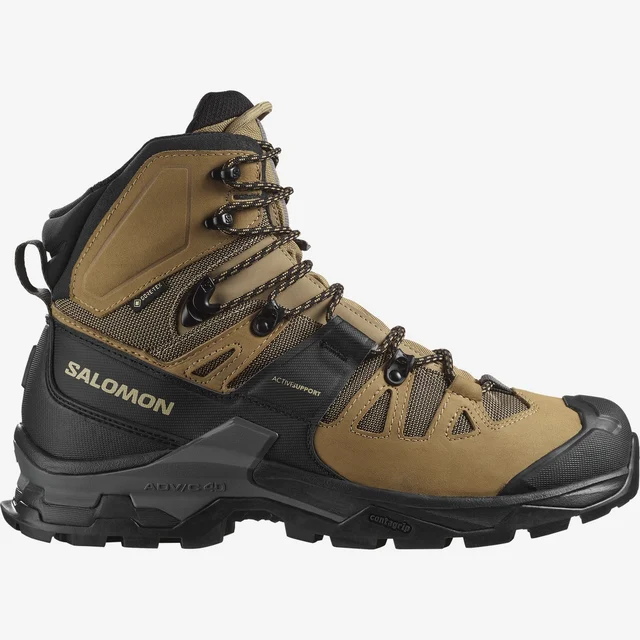
A stiff, supportive backpacking boot that stays planted under a heavy load.
Best for: Backpackers and rough-terrain hikers carrying real weight who want maximum support
- ADV-C 4D chassis braces the midfoot and heel, so it stays stable on uneven ground with a loaded pack
- Contagrip TA outsole and a GORE-TEX membrane deliver aggressive traction and reliable waterproofing across seasons
- Among the heaviest boots here, and the tall, rigid build is overkill for easy day hikes
- The stiff collar needs a short break-in before longer days feel comfortable
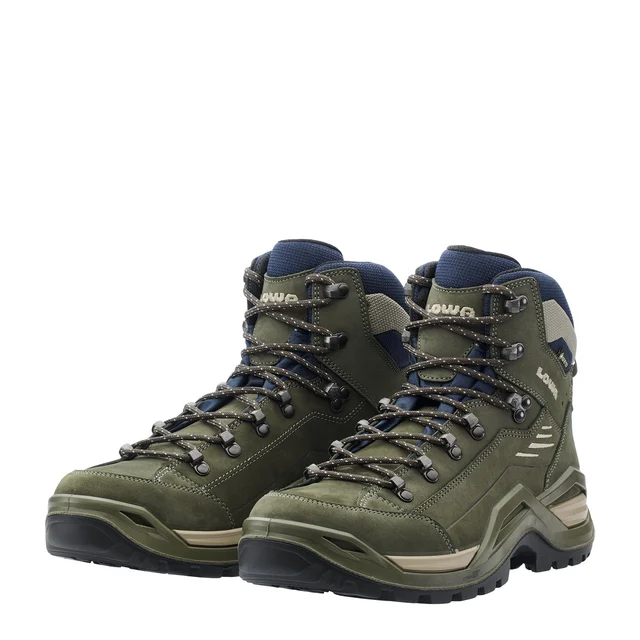
The most comfortable all-rounder out of the box, with a choice of three widths.
Best for: Day hikers and light backpackers who want an out-of-box-comfortable boot in their exact width
- Nubuck upper over a PU Monowrap frame and nylon shank gives steady, surefooted support without a long break-in
- Offered in narrow, medium and wide, and paired with a grippy Vibram Evo outsole and GORE-TEX lining
- Runs warmer and less breathable than lighter boots, so it is a lot of boot for hot-weather day hiking
- The PU midsole frame softens over years of heavy use and is not easily resoled
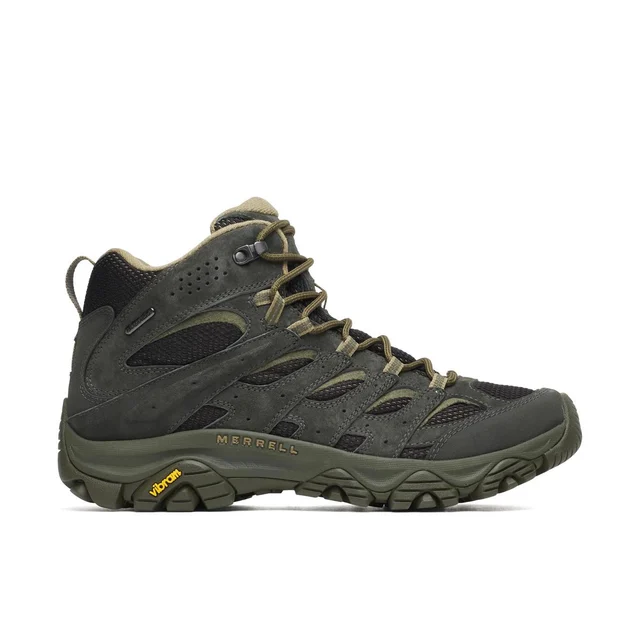
A comfortable, widely stocked value boot that trades outright grip and support for easy miles.
Best for: Casual and moderate day hikers who prioritize immediate comfort and value over technical performance
- Comfortable from the first wear, with a suede-and-mesh upper, air-cushion heel and debris-blocking bellows tongue
- The upper is genuinely durable and the boot is easy to find in many sizes and widths
- The soft Vibram TC5+ outsole has rounded lugs that clog in mud and wear faster than firmer compounds
- Moderate support and middling breathability make it a stretch for heavy loads or hot, technical terrain
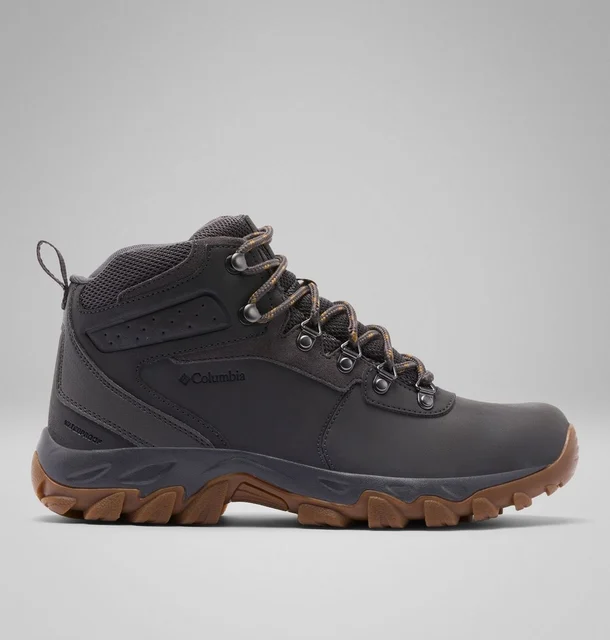
Comfortable and cheap at first, but the waterproofing and outsole give out too soon.
Best for: Short, dry, flat walks only, where longevity and true waterproofing do not matter
- Light, and comfortable straight out of the box thanks to a TechLite foam midsole
- A traditional leather-look hiker style at an accessible entry price
- The Omni-Tech waterproofing leaks at the tongue seam, so feet get wet in anything past shallow puddles
- Owners report the Omni-Grip outsole wearing flat quickly, and there is little real support underfoot
| Criteria | Salomon Quest 4 GTX Top pick | Lowa Renegade EVO GTX Mid | Merrell Moab 3 Mid Waterproof | Columbia Newton Ridge Plus II Waterproof |
|---|---|---|---|---|
| Verdict | Buy it | Buy it | It depends | Skip it |
| Best for | Backpackers and rough-terrain hikers carrying real weight who want maximum support | Day hikers and light backpackers who want an out-of-box-comfortable boot in their exact width | Casual and moderate day hikers who prioritize immediate comfort and value over technical performance | Short, dry, flat walks only, where longevity and true waterproofing do not matter |
| Price tier | $$$ · premium | $$$ · premium | $$ · mid-range | $ · budget |
| Best use | Heavy-pack backpacking, rough terrain | All-around hiking, light backpacking | Casual to moderate day hikes | Short, flat, dry walks |
| Support & stiffness | Very high (4D chassis) | High (Monowrap frame + shank) | Moderate | Low |
| Waterproofing | GORE-TEX, excellent | GORE-TEX, excellent | Membrane, reliable | Omni-Tech, leaks at seams |
| Outsole & traction | Contagrip TA, aggressive | Vibram Evo, aggressive | Vibram TC5+, soft, clogs | Omni-Grip, wears fast |
| Out-of-box comfort | Good, short break-in | Excellent | Excellent | Good early, fades |
| Weight | Heavy | Moderate | Moderate | Light |
Which one is right for you?
- Backpackers and rough-terrain hikers carrying real weight who want maximum support Buy it Salomon Quest 4 GTX
- Day hikers and light backpackers who want an out-of-box-comfortable boot in their exact width Buy it Lowa Renegade EVO GTX Mid
- Casual and moderate day hikers who prioritize immediate comfort and value over technical performance It depends Merrell Moab 3 Mid Waterproof
- Short, dry, flat walks only, where longevity and true waterproofing do not matter Skip it Columbia Newton Ridge Plus II Waterproof
How we judged the field
RBE does not run a lab or a treadmill. We read across independent expert testing and long-run owner reports, then weigh the points where those two groups agree and flag the ones where they don’t. For hiking boots that means watching how a boot behaves after the honeymoon ends: whether the waterproof membrane still holds at the tongue after a wet season, whether the lugs are still deep after a year of trail, and whether the ankle support that felt reassuring in the store turns into fatigue on a long descent.
We limited this comparison to models a hiker can actually buy new in 2026, and we deliberately kept one popular boot in the lineup that we think most people should walk past. Fit is personal, so we treated it as a range rather than a verdict; where a boot runs narrow, wide, or true, we said so. Everything else, from support and traction to waterproofing, breathability, and durability, is where a boot earns or loses its place.
Salomon Quest 4 GTX
Buy itThis is the most capable boot in the group, and it is built for one job: carrying weight over ground that fights back. The ADV-C 4D chassis braces the midfoot and heel so the boot stays planted on off-camber trail and loose rock, even with a full pack, while the Contagrip TA outsole bites into soft dirt, mud, and gravel. The GORE-TEX membrane earns consistent praise from long-term testers for staying dry through repeated soakings, and owners report the upper shrugging off weeks of hard use with little more than cosmetic scuffs.
What we liked more: the sense of stability under load is in a different class from the softer boots here. What we liked less: it is heavy, and the tall, stiff build is more boot than most day hikers need. Plan on a short break-in before the collar stops feeling rigid.
Lowa Renegade EVO GTX Mid
Buy itThe Renegade has been a bestseller for a reason, and the current EVO version keeps what works. A nubuck upper wraps over a PU Monowrap frame and a nylon shank, which together deliver steady, surefooted support without demanding a long break-in; many owners describe it as comfortable from the first walk. Traction comes from a Vibram Evo outsole with deep, sharply angled lugs, and the GORE-TEX lining handles wet ground well. Crucially, it is offered in narrow, medium, and wide, which makes it a genuine option for hard-to-fit feet.
What we liked more: out-of-box comfort paired with a real choice of widths. What we liked less: it runs warmer and less breathable than lighter boots, so it is a lot of boot for hot summer day hiking, and the PU frame softens over years of heavy use and is not easily resoled.
Merrell Moab 3 Mid Waterproof
It dependsThe Moab is the value benchmark, and for casual and moderate hikers it makes sense. It is comfortable from the first wear, with a suede-and-mesh upper, an air-cushion heel, and a bellows tongue that keeps grit out. Owners consistently praise how well the upper holds up, and it is easy to find in a wide range of sizes and widths. The catch is the outsole: the Vibram TC5+ compound is soft, with rounded lugs that clog in mud and wear down faster than the firmer rubber on the Salomon and Lowa.
What we liked more: immediate comfort, a durable upper, and easy availability at a fair price. What we liked less: the soft outsole limits grip on loose surfaces and shortens tread life, and moderate support plus middling breathability make it a stretch for heavy loads or technical ground. Buy it for what it is, a comfortable everyday trail boot, not a load hauler.
Columbia Newton Ridge Plus II Waterproof
Skip itThis is the boot we would steer people away from, and it is popular precisely because it hides its weaknesses at first. It is light, cheap, and comfortable straight out of the box thanks to a soft TechLite foam midsole, and the leather-look styling is appealing. The problems show up with use. Owners and testers repeatedly report the Omni-Tech waterproofing failing at the tongue seam, so feet get wet in anything deeper than a shallow puddle. Owners also report the Omni-Grip outsole wearing flat quickly, and there is little genuine structure underfoot for anything beyond gentle terrain.
What we liked more: early comfort and low weight. What we liked less: waterproofing that does not stay waterproof and an outsole that does not last. A boot that fails at its two core jobs is a poor value even at a low price.
Salomon Quest 4 GTX vs Lowa Renegade EVO GTX Mid: which should you buy?
Both are excellent, and the right answer depends on load and climate. The Salomon Quest 4 GTX is the specialist. Its 4D chassis and aggressive Contagrip outsole make it the boot to reach for when you are carrying a multi-day pack or picking through rough, rocky, off-trail ground. That capability comes with weight and stiffness that feel like too much on an easy afternoon loop.
The Lowa Renegade EVO GTX Mid is the generalist most people are actually shopping for. It matches the Salomon on waterproofing and comes closer than its price suggests on support, while being lighter, more comfortable sooner, and available in three widths. If your hikes are day trips and light overnights, the Renegade will feel better more often. If your pack is heavy and your terrain is unforgiving, the Quest is worth the extra bulk.
What to look for
Start with load and terrain, not brand. If you regularly carry a heavy pack over rocky or steep ground, prioritize support and a stiff, stabilizing chassis, which points to the Salomon. If you mostly do day hikes and easier trails, a lighter, more flexible boot like the Lowa or Merrell will be more comfortable and less tiring.
Next, weigh waterproofing against breathability honestly. A membrane is a clear win in cool and wet conditions but a liability in summer heat, when it traps warmth. Then get the fit right: try boots on late in the day with hiking socks, leave a thumb’s width of room past your longest toe, and confirm your heel does not lift on a climb. Width matters as much as length, so a boot offered in multiple widths is a real advantage. Finally, treat durability as part of the price. A firmer outsole and a membrane that stays sealed cost more up front but usually cost less per mile.
Our final take
For demanding hikes with a loaded pack, the Salomon Quest 4 GTX is the most capable boot here and our overall pick, as long as you accept its weight. For most hikers, the Lowa Renegade EVO GTX Mid is the smarter everyday choice, with strong waterproofing, quick comfort, and a rare range of widths. The Merrell Moab 3 Mid is a sensible value option for casual miles, provided you accept a soft outsole that wears quickly. Skip the Columbia Newton Ridge Plus II: it is comfortable at first, but its waterproofing leaks and its tread does not last, and that is exactly where a hiking boot cannot afford to fail.
Questions, answered
Are waterproof hiking boots worth it?
For cool, wet, or shoulder-season hiking, yes. A GORE-TEX-lined boot like the Salomon Quest 4 or Lowa Renegade keeps feet dry through puddles and mud. In hot weather, waterproof membranes trap heat, so breathable non-waterproof shoes are often the smarter choice.
Do I need stiff boots for day hiking?
Usually not. Stiff, supportive boots like the Salomon Quest 4 shine under a heavy pack on rough ground but feel like overkill on smooth day trails. For casual day hikes, a lighter, more flexible boot such as the Lowa Renegade or Merrell Moab 3 is more comfortable.
Why not just buy the cheapest hiking boot?
Because cheap boots often fail where it counts. The budget Columbia Newton Ridge feels fine at first, but owners report its waterproofing leaking at the tongue seam and its outsole lugs wearing flat quickly. A mid-priced boot that lasts several seasons usually costs less per mile.
How do I get the right hiking boot fit?
Try boots on late in the day with your hiking socks, leaving a thumb's width past your longest toe. Your heel should not lift on a climb. Width matters as much as length, which is why the Lowa Renegade's narrow, medium and wide options help hard-to-fit feet.
How long should hiking boots last?
A well-built boot should handle several seasons of regular use before the outsole or membrane fades. The firmer outsoles on the Lowa and Salomon tend to last longer than the softer TC5+ compound on the Merrell Moab 3, which wears faster.
Deciding between the top two? See our head-to-head: Salomon Quest 4 GTX vs Lowa Renegade EVO GTX Mid.
More Outdoors & Fitness reviews
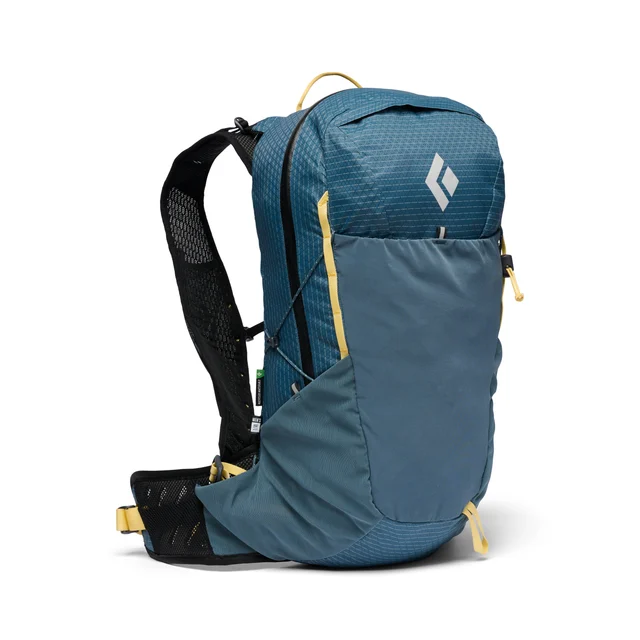 The Best Hiking Daypacks: 4 Compared (and One to Skip)
 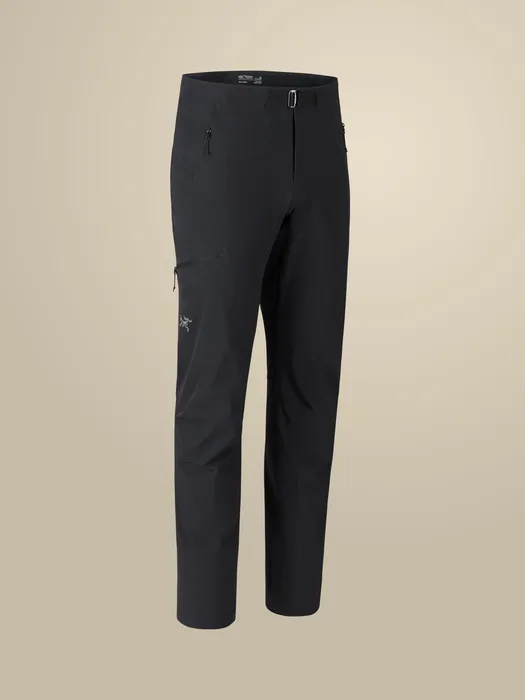 The Best Hiking Pants: 4 Compared (and One to Skip)
 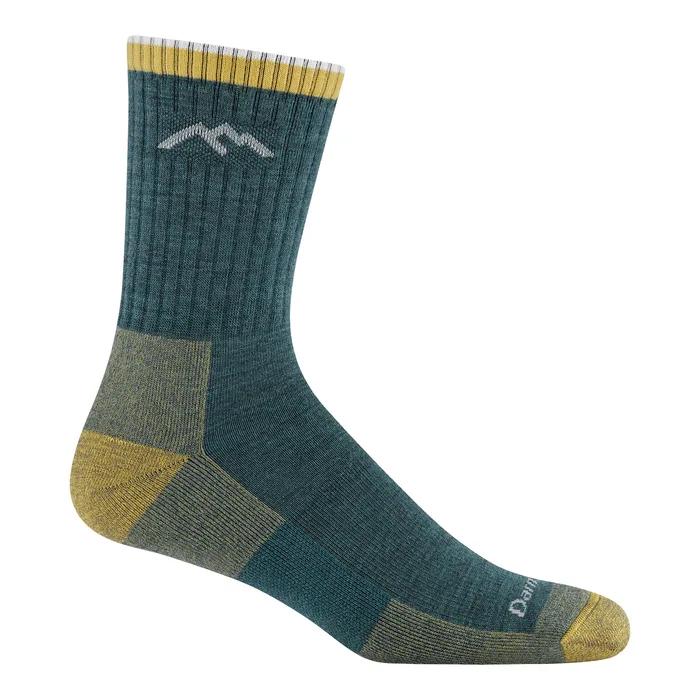 The Best Hiking Socks: 4 Compared (and One to Skip)
 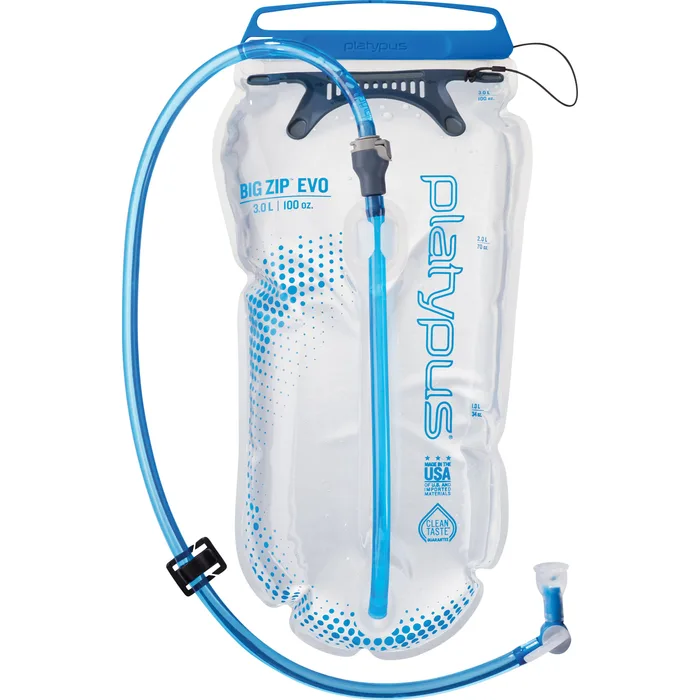 The Best Hydration Bladders: 4 Compared (and One to Skip)
  The Best Hydration Packs: 4 Compared (and One to Skip)
  The Best Ice Cleats: 4 Compared (and One to Skip)