

Tech & Gadgets
The Best Graphics Cards: 4 Compared (and One to Skip)
We compared four current GPUs across price tiers for 1080p, 1440p, and 4K gaming on real-world speed, VRAM, ray tracing, upscaling, and value.
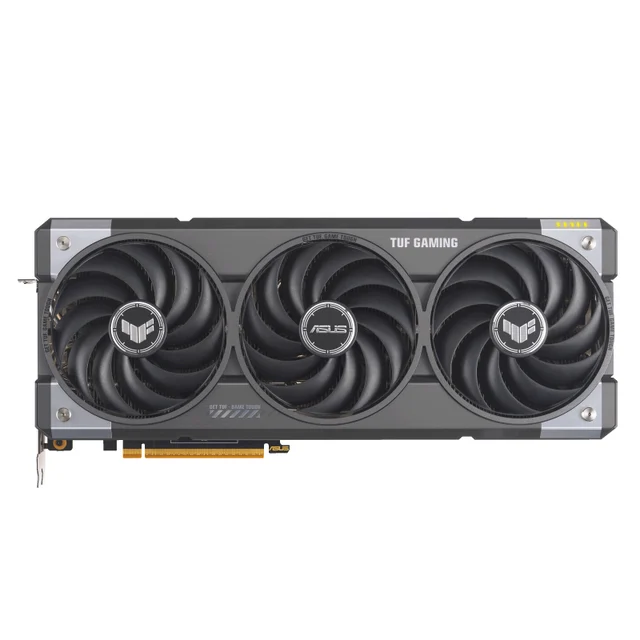
The short version
For most gamers in 2026 the AMD Radeon RX 9070 XT is the smart buy: it comes close to flagship raster performance, packs 16GB of VRAM for 1440p and 4K, and costs far less than the halo cards. Step down to the RX 9060 XT and you keep the 16GB and most of the 1080p/1440p experience for less money. The RTX 5090 is NVIDIA's most powerful card, but its flagship price and power draw only make sense for 4K enthusiasts and creators. The RTX 5060 is the one to skip - its 8GB of VRAM already struggles in new titles, and frame generation only papers over the problem. Best for: pick the 9070 XT for 1440p, the 9060 XT to save money, and the 5090 only if 4K and creator work justify the outlay.
Our picks at a glance
- AMD Radeon RX 9070 XT - Buy. The frames-per-dollar champion for 1440p high-refresh gaming and capable 4K.
- AMD Radeon RX 9060 XT (16GB) - Buy. A cool, efficient 1080p-to-1440p workhorse with rare 16GB of VRAM at its price.
- NVIDIA GeForce RTX 5090 - It depends. NVIDIA's most powerful GeForce GPU - and priced, sized, and powered like it (575W total graphics power).
- NVIDIA GeForce RTX 5060 (8GB) - Skip. Fine for 1080p today, but 8GB of VRAM makes it a short-lived buy in 2026.
The verdict in 30 seconds
What mattered most
- Best target resolution
- VRAM
- Ray / path tracing
- Upscaling & frame gen
- Power & efficiency
- Value (FPS per dollar)
Graphics cards in 2026 finally give gamers a clear ladder: budget cards that fly at 1080p, mid-range cards that own 1440p, and flagships built for 4K. We synthesized independent testing and owner reports across four current, buyable GPUs. Two are easy recommendations, one is a 'depends entirely on your budget and monitor' pick, and one is a genuine skip that too many people still buy on brand loyalty.
The frames-per-dollar champion for 1440p high-refresh gaming and capable 4K.
Best for: 1440p high-refresh gamers and value-minded 4K players who want the most performance per dollar
- Near flagship-tier raster performance for noticeably less money
- 16GB of VRAM comfortably handles 1440p and 4K texture loads
- Big ray tracing gains over the previous generation on RDNA 4
- AMD FSR Redstone upscaling closes much of the gap with the competition
- Heavy path-traced titles still favor NVIDIA's top cards
- Street pricing and supply can wobble depending on the retailer
Own the AMD Radeon RX 9070 XT? Tell us how it held up.
Thanks. Counted, and shown once enough owners have weighed in.
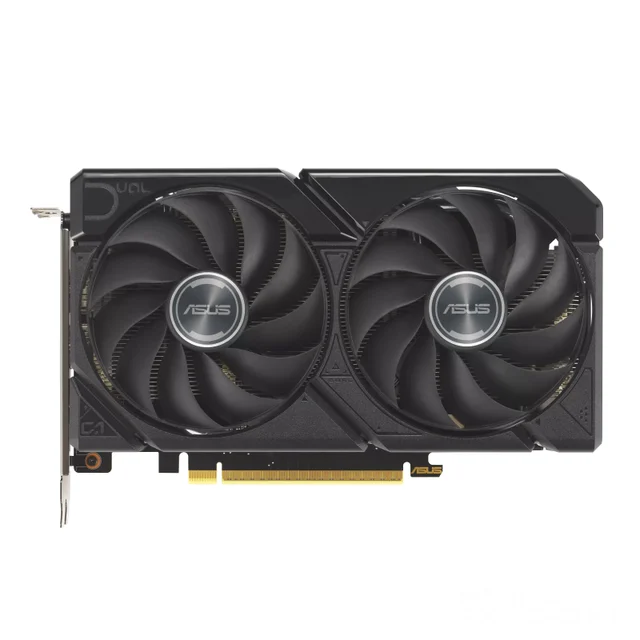
A cool, efficient 1080p-to-1440p workhorse with rare 16GB of VRAM at its price.
Best for: 1080p and entry 1440p gamers who want VRAM headroom without overpaying
- 16GB of VRAM at a mainstream price is unusually future-proof
- Excellent power efficiency and easy to cool and keep quiet
- Strong 1080p and entry 1440p raster performance
- AMD FSR Redstone support adds meaningful upscaled headroom
- Ray tracing and path tracing trail NVIDIA at the same tier
- Not built to drive 4K at high settings in demanding titles
Own the AMD Radeon RX 9060 XT (16GB)? Tell us how it held up.
Thanks. Counted, and shown once enough owners have weighed in.
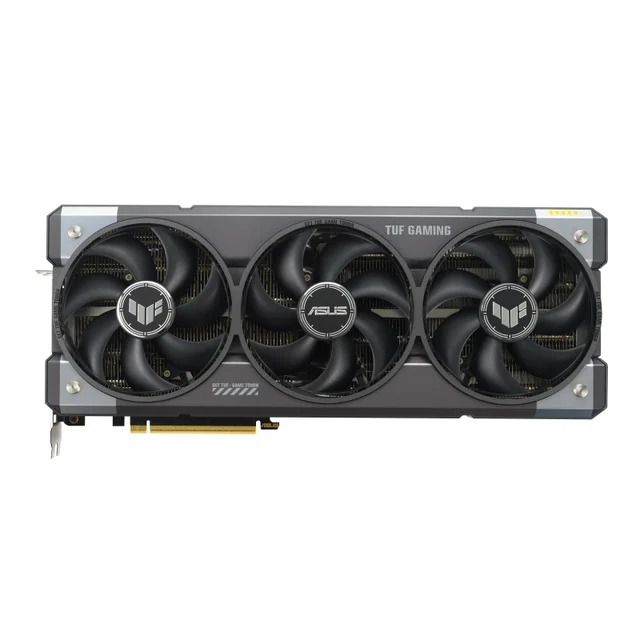
NVIDIA's most powerful GeForce GPU - and priced, sized, and powered like it (575W total graphics power).
Best for: 4K 120Hz-plus enthusiasts, content creators, and AI workloads with the budget to match
- Top-tier performance at 4K, including heavy ray tracing
- 32GB of GDDR7 doubles as a serious creator and AI card
- DLSS 4 with Multi Frame Generation pushes very high frame rates
- Built for maxed-out 4K gaming with DLSS 4
- Flagship pricing puts it out of reach for most gamers
- Very high power draw and a large, hot footprint
- Overkill for anything below 4K high-refresh gaming
Amazon had no buyable listing for this when we last checked. The link still works if it returns.
Find it on Amazon Read our detailed assessmentOwn the NVIDIA GeForce RTX 5090? Tell us how it held up.
Thanks. Counted, and shown once enough owners have weighed in.
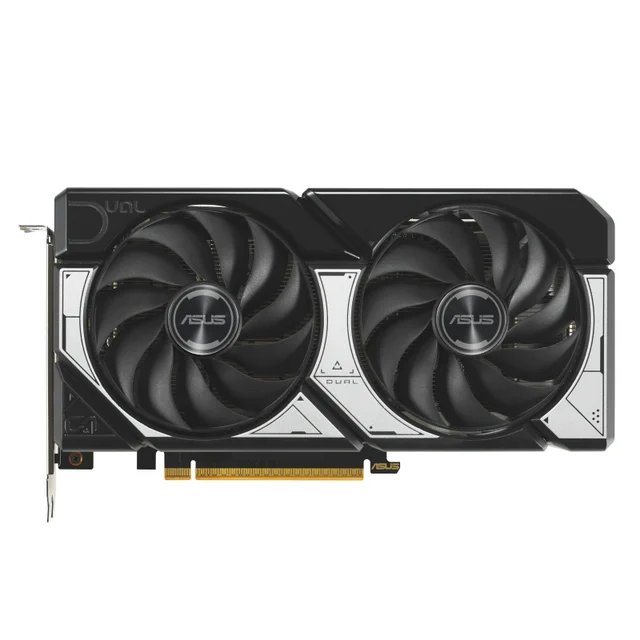
Fine for 1080p today, but 8GB of VRAM makes it a short-lived buy in 2026.
Best for: Strictly esports and 1080p players on the tightest budget who upgrade often
- Snappy 1080p frame rates in most current AAA games
- DLSS 4 and Multi Frame Generation help inflate on-screen FPS
- Runs cool, quiet, and sips power
- Only 8GB of VRAM already stutters in newer high-texture titles
- Narrow memory bus limits headroom at 1440p and beyond
- Frame generation masks modest underlying raster performance
- Weak longevity means you may upgrade again sooner than you'd like
Own the NVIDIA GeForce RTX 5060 (8GB)? Tell us how it held up.
Thanks. Counted, and shown once enough owners have weighed in.
| Criteria | AMD Radeon RX 9070 XT Top pick Buy it Buy | AMD Radeon RX 9060 XT (16GB) Buy it Buy | NVIDIA GeForce RTX 5090 It depends | NVIDIA GeForce RTX 5060 (8GB) Skip it Buy |
|---|---|---|---|---|
| Best for | 1440p high-refresh gamers and value-minded 4K players who want the most performance per dollar | 1080p and entry 1440p gamers who want VRAM headroom without overpaying | 4K 120Hz-plus enthusiasts, content creators, and AI workloads with the budget to match | Strictly esports and 1080p players on the tightest budget who upgrade often |
| Price tier | $$$ · premium | $$ · mid-range | $$$$ · flagship | $ · budget |
| Best target resolution | 1440p / entry 4K | 1080p / entry 1440p | 4K high-refresh | 1080p only |
| VRAM | 16GB | 16GB | 32GB | 8GB |
| Ray / path tracing | Strong | Modest | Class-leading | Modest |
| Upscaling & frame gen | FSR Redstone | FSR Redstone | DLSS 4 + MFG | DLSS 4 + MFG |
| Power & efficiency | High draw, good efficiency | Very efficient | Very high draw | Very efficient |
| Value (FPS per dollar) | Excellent | Excellent | Poor | Mediocre |
| Longevity outlook | Strong | Strong | Strong | Weak |
| Price tier | $$$ · premium | $$ · mid-range | $$$$ · flagship | $ · budget |
Which one is right for you?
- 1440p high-refresh gamers and value-minded 4K players who want the most performance per dollar Buy it AMD Radeon RX 9070 XT
- 1080p and entry 1440p gamers who want VRAM headroom without overpaying Buy it AMD Radeon RX 9060 XT (16GB)
- 4K 120Hz-plus enthusiasts, content creators, and AI workloads with the budget to match It depends NVIDIA GeForce RTX 5090
- Strictly esports and 1080p players on the tightest budget who upgrade often Skip it NVIDIA GeForce RTX 5060 (8GB)
How we judged the field
We don’t run our own lab. Instead we synthesize independent testing and aggregated owner and buyer reports, then weigh them against what actually matters when you’re staring at a checkout page. Five things drove these verdicts: real-world frame rates at 1080p, 1440p, and 4K; VRAM headroom, because a card can be fast today and choke on tomorrow’s textures; ray tracing and upscaling quality, where the two brands still diverge; power draw, heat, and noise; and, above everything, value at the price you truly pay rather than a launch MSRP. A card only earns a “buy” here if it makes sense for a clearly defined gamer - and one earns a “skip” precisely because it doesn’t.
AMD Radeon RX 9070 XT
Buy itThis is the card we’d hand most people building or upgrading in 2026. Its raster performance sits within striking distance of the tier above it, and its 16GB of VRAM means 1440p high-refresh gaming - and even a lot of 4K - runs without the memory ceiling that hobbles cheaper cards. RDNA 4 also closes much of the historical ray tracing gap, so switching on reflections no longer tanks your frame rate the way it once did. Owners tend to frame it as the value pick: you give up the last slice of path-traced performance to NVIDIA’s flagship, but you pay dramatically less to get there. Just watch street pricing, which can drift depending on supply.
AMD Radeon RX 9060 XT (16GB)
Buy itThe 9060 XT is the sensible-money hero. It won’t win 4K bragging rights, but for 1080p and entry-level 1440p it delivers smooth, high-refresh gameplay while sipping power and staying quiet. The headline is its 16GB of VRAM at a mainstream price - a genuinely unusual amount of memory this far down the stack, and the single biggest reason it should age gracefully. FSR Redstone adds upscaled headroom when you want to push settings. Reviewers note that path tracing is where it shows its price, but for the games most people play at the resolutions most people use, it’s hard to spend this little and get this much longevity.
NVIDIA GeForce RTX 5090
It dependsNVIDIA calls the 5090 its most powerful GeForce GPU ever made. With 32GB of GDDR7 it is built to max out 4K, handle heavy ray and path tracing, and doubles as a formidable content-creation and AI card. So why “it depends”? Because the price, the power draw, and the sheer physical size only make sense for a specific buyer. If you’re gaming at 4K above 120Hz, or you edit video, render 3D, or run local AI models, it’s spectacular. If you’re on a 1080p or 1440p monitor, you’d be paying flagship money for frames you’ll never see. Match the card to the display and the workload, and the verdict writes itself.
NVIDIA GeForce RTX 5060 (8GB)
Skip itThe RTX 5060 isn’t a bad chip - it’s a bad amount of memory. Eight gigabytes of VRAM was borderline a year ago and is now actively limiting, with owners reporting texture stutter and dropped frames in newer titles even at 1080p. NVIDIA’s DLSS 4 and Multi Frame Generation can inflate the FPS counter, but they don’t manufacture memory, and a card that runs out of VRAM will still hitch no matter how many frames it generates. It runs cool and quiet and is genuinely fine for esports, but as a card you’re meant to keep for a few years, it’s a short-lived buy. Spend a little more on a 16GB card and you’ll upgrade far later.
Sources
Specs in this review come from these pages.
AMD Radeon RX 9070 XT vs NVIDIA GeForce RTX 5090: which should you buy?
These are the two strongest cards here, but they answer different questions. The RTX 5090 is about having no ceiling: the fastest 4K, the best path tracing, the biggest VRAM buffer, and creator-grade horsepower - at a flagship price and power bill. The RX 9070 XT is about value with almost no compromise for the vast majority of gamers: it drives 1440p high-refresh beautifully, holds its own at 4K with upscaling, and carries enough VRAM to stay relevant, all for a fraction of the outlay. If money and your monitor are no object and you also create or run AI workloads, the 5090 is the halo card. For nearly everyone else, the 9070 XT delivers most of the real-world experience and leaves enough in your budget for the rest of the build.
What to look for
- Match the card to your monitor. Buy for 1080p, 1440p, or 4K specifically - overspending on a flagship for a 1080p screen wastes money, and underspending for 4K wastes the display.
- Treat VRAM as future-proofing. 8GB is the bare 1080p minimum, 12GB is a comfortable 1440p floor, and 16GB is the safe choice for longevity.
- Don’t let frame generation sell you a weak card. It boosts the FPS number but can’t fix a VRAM shortage or thin base performance.
- Weigh ray tracing honestly. If heavy path tracing matters to you, NVIDIA still leads; if raster value matters more, AMD wins.
- Check power and size. Confirm your power supply and case clearance, especially for flagship cards that run hot and large.
- Buy on real street price. Value flips quickly with discounts and supply, so judge the price you actually pay, not the launch MSRP.
Our final take
The 2026 GPU market is refreshingly easy to navigate once you match a card to your screen. The AMD Radeon RX 9070 XT is our overall pick because it gives the 1440p majority - and budget-minded 4K players - the best blend of speed, 16GB of VRAM, and price. Tighter budget? The RX 9060 XT keeps the generous VRAM and most of the experience at 1080p and 1440p for less. The RTX 5090 is the flagship, but it’s only the right call for 4K enthusiasts and creators who will use every watt. And the RTX 5060 is the one to walk past: 8GB of VRAM makes it a buy you’ll regret sooner than you’d like. Buy for the resolution you actually game at, prioritize VRAM, and let the price you truly pay be the tiebreaker.
Questions, answered
How much VRAM do I actually need in 2026?
For 1080p, 8GB is now the bare minimum and already causes stutter in some new titles with high-resolution textures. For 1440p, treat 12GB as the comfortable floor and 16GB as the safe, future-proof choice. Mostly 4K and creator or AI workloads benefit from 24GB or more.
Is the RX 9070 XT good enough for 4K, or do I need the RTX 5090?
The RX 9070 XT handles 4K well in most games, especially with upscaling turned on, and it's far cheaper. Reserve the RTX 5090 for 4K at very high refresh rates with heavy ray or path tracing, or if you also do 3D, video, or AI work that rewards its 32GB of memory.
Does frame generation make a weaker card a good buy?
Frame generation and Multi Frame Generation raise the number on your FPS counter, but they don't fix a shortage of VRAM or weak base performance. Reviewers and owners note that a card starved for memory can still stutter even with frame generation on, which is a big reason the 8GB RTX 5060 lands on our skip list.
AMD or NVIDIA for gaming right now?
For pure raster performance per dollar at 1080p and 1440p, AMD's RDNA 4 cards are hard to beat and now include much better ray tracing than before. NVIDIA still leads in the heaviest path-traced games and in creator and AI software support, which is where the RTX 5090 earns its price.
How do you decide these picks?
We synthesize independent lab-style testing and aggregated owner and buyer reports rather than running our own benchmarks. We weigh real-world frame rates at each resolution, VRAM headroom, ray tracing and upscaling, power and noise, and, above all, value at the price you actually pay.
Deciding between the top two? See our head-to-head: AMD Radeon RX 9070 XT vs AMD Radeon RX 9060 XT (16GB).
More in Tech & Gadgets
Graphics Cards, Explained Plain-English guide → AMD Radeon RX 9070 XT vs AMD Radeon RX 9060 XT (16GB) Head-to-head →  The Best Graphics Tablets: 4 Compared (and One to Skip)
  The Best HDMI Cables: 4 Compared (and One to Skip)
  The Best Home NAS Devices: 4 Compared (and One to Skip)
  The Best Home Theater Projectors: 4 Compared (and One to Skip)