

Pet Supplies
Best Dog GPS Trackers: Which One Actually Finds Your Dog
We compared four widely sold dog GPS trackers on live range, battery, health tracking, and subscription cost to find which actually brings a lost dog home.
The short version
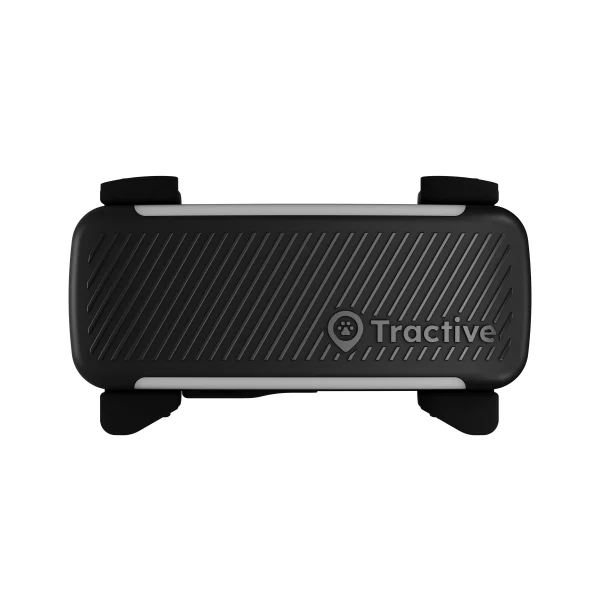
For everyday dogs, the Tractive DOG 6 is the smart default: unlimited cellular tracking, heart-rate and sleep data, and the lowest subscription here, offset by roughly two-week battery life. The Fi Series 3+ is the escape-artist pick, trading a mandatory membership and activation fee for the longest battery and toughest build. The Garmin Alpha 200i suits off-grid and hunting owners who want radio range with no monthly fee. Skip the Apple AirTag for dogs, since with no GPS or cellular it cannot track a moving pet.
Our picks at a glance
- Tractive DOG 6 - Buy. Unlimited cellular tracking and health data at the lowest ongoing cost, the sensible default for most dogs.
- Fi Series 3+ - Buy. The longest battery and toughest build here, aimed squarely at escape artists, if you accept the membership lock-in.
- Garmin Alpha 200i - It depends. Subscription-free radio tracking with serious range, built for hunting and off-grid, overkill for a backyard pet.
- Apple AirTag - Skip. A Bluetooth tag with no GPS, cheap and subscription-free, but it cannot track a moving dog.
The verdict in 30 seconds
What mattered most
- Location technology
- Live-tracking range
- Battery life
- Health & activity tracking
- Ongoing subscription
- Best environment
A dog GPS tracker is only worth buying if it can tell you where your dog is the moment it goes missing, not an hour later. We compared four widely sold 2026 options across live-tracking range, honest battery life, health features, and the subscription costs that quietly decide long-term value. Three are worth your money for different dogs; one is a popular device we think you should skip for pet recovery.
Unlimited cellular tracking and health data at the lowest ongoing cost, the sensible default for most dogs.
Best for: Everyday urban and suburban dogs whose owners want low running costs.
- Virtual Fence geofencing with escape alerts over worldwide LTE
- Activity, sleep, and heart-rate monitoring in one collar
- Lowest subscription tier of the cellular trackers here
- Around two-week battery life means frequent charging
- Inert without a paid plan, and bulky on a small dog's neck

The longest battery and toughest build here, aimed squarely at escape artists, if you accept the membership lock-in.
Best for: Escape-prone or hard-charging dogs, and owners who hate frequent charging.
- Longest battery life here, weeks to a couple of months per charge
- Chew-resistant module with Lost Dog Mode and community Search Party
- Membership is mandatory and adds a one-time activation fee
- Best pricing requires a multi-year commitment that locks you in
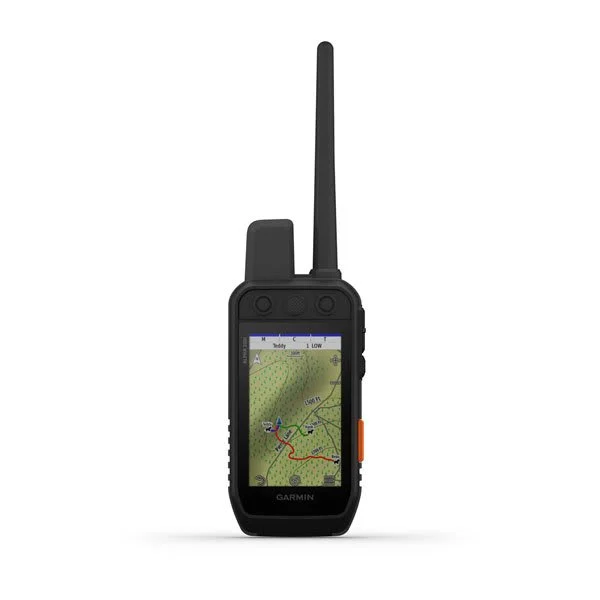
Subscription-free radio tracking with serious range, built for hunting and off-grid, overkill for a backyard pet.
Best for: Hunters and rural owners who roam beyond cell coverage.
- Radio (RF) tracking up to about nine miles with no cell coverage needed
- No subscription required to track dogs, and follows up to 20 at once
- Steep upfront cost, plus a separate dog collar unit to buy
- Overkill and a real learning curve for an ordinary household pet
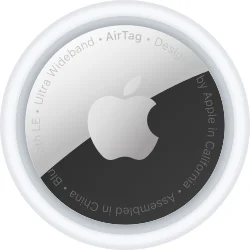
A Bluetooth tag with no GPS, cheap and subscription-free, but it cannot track a moving dog.
Best for: Bags and keys, not dependable dog recovery.
- Inexpensive, tiny, and carries no subscription
- Precise Find My direction-finding when you are already close
- No GPS or cellular, so it cannot track a dog that is actually running
- Blind wherever few Apple devices are, and iPhone-only
| Criteria | Tractive DOG 6 Top pick | Fi Series 3+ | Garmin Alpha 200i | Apple AirTag |
|---|---|---|---|---|
| Verdict | Buy it | Buy it | It depends | Skip it |
| Best for | Everyday urban and suburban dogs whose owners want low running costs. | Escape-prone or hard-charging dogs, and owners who hate frequent charging. | Hunters and rural owners who roam beyond cell coverage. | Bags and keys, not dependable dog recovery. |
| Price tier | $ · budget | $$$ · premium | $$$$ · flagship | $ · budget |
| Location technology | GPS + LTE cellular | GPS + LTE + Bluetooth | GPS + radio (RF), handheld | Bluetooth Find My, no GPS |
| Live-tracking range | Unlimited with cell signal | Unlimited with cell signal | About 9 miles line-of-sight | Only near other Apple devices |
| Battery life | About two weeks | Weeks to a couple of months | Days, rechargeable handheld | About a year, coin cell |
| Health & activity tracking | Activity, sleep, heart rate | Activity, sleep, behavior cues | None, tracking and training only | None |
| Ongoing subscription | Required, low monthly plan | Required, premium plan + activation | Not needed for tracking | None |
| Best environment | Everyday urban and suburban | Escape artists, active dogs | Rural, off-grid, hunting | Not suited to dog recovery |
Which one is right for you?
- Everyday urban and suburban dogs whose owners want low running costs. Buy it Tractive DOG 6
- Escape-prone or hard-charging dogs, and owners who hate frequent charging. Buy it Fi Series 3+
- Hunters and rural owners who roam beyond cell coverage. It depends Garmin Alpha 200i
- Bags and keys, not dependable dog recovery. Skip it Apple AirTag
How we judged the field
A dog GPS tracker has one job that matters more than any other: when your dog is gone, it has to tell you where the dog actually is, right now. Everything else, from step counts to sleep graphs to sync speed, is secondary to that. So we started there, then weighed the ongoing cost, because most of these devices only work while you keep paying.
We do not lab-test collars. Instead we synthesize independent expert testing and long-term owner reports, looking for the patterns that show up again and again: how quickly a device locks on, how it behaves at the edge of cell coverage, how honest the battery claims turn out to be, and whether the subscription math changes the value after a year or two. We deliberately included one popular device that we think most dog owners should not rely on, because the marketing around it is misleading.
We only considered products you can actually buy in 2026. That ruled out a few well-liked trackers that have been discontinued or folded into other brands, so if a collar you remember is missing, that is probably why.
Tractive DOG 6
Buy itThe Tractive DOG 6 is the tracker we would hand most dog owners. It uses GPS with an LTE cellular connection, so its live-tracking range is effectively unlimited: as long as the collar has a cell signal, you can watch your dog move on a map from anywhere. Two features carry it. The Virtual Fence lets you draw safe zones and get an alert the moment your dog leaves one, and the LED light and buzzer in Find mode help you close the last few yards on foot or in the dark.
What we liked more: the combination of worldwide cellular range with a subscription that sits at the affordable end of this category. What we liked less: standard battery life lands around two weeks, so it needs charging more often than the longest-lasting option here, and the module is chunky on a small dog. A subscription is mandatory, and without it the collar is inert, but as recurring costs go this is the gentlest one on the list.
Verdict: buy. The most sensible all-rounder for everyday urban and suburban dogs.
Fi Series 3+
Buy itThe Fi Series 3+ is built for the dog that treats fences as suggestions. Its main strength is endurance: depending on how often it tracks, the battery stretches from a few weeks to a couple of months, longer than anything else here, which means fewer nights it dies unnoticed. It pairs cellular tracking with a rugged, genuinely chew-resistant module that pops out and drops into third-party bands, and its Lost Dog Mode plus community Search Party are designed for fast recovery.
What we liked more: the battery you can mostly forget about, and hardware that survives hard-charging dogs. What we liked less: the membership is not optional, since the GPS does nothing without it, and there is a one-time activation fee on top, with the lowest rate reserved for a multi-year commitment that locks you in. Live tracking still leans on cellular and Bluetooth, so dead zones remain dead zones.
Verdict: buy. The pick for escape artists and owners who hate charging.
Garmin Alpha 200i
It dependsThe Garmin Alpha 200i plays a different game entirely. Instead of a phone app and a monthly plan, you carry a handheld that receives your dog’s position over radio at ranges up to roughly nine miles line-of-sight, with GPS underneath. It can follow up to twenty dogs at once and, with the matching dog device, doubles as a training remote. Crucially, tracking the dog needs no monthly subscription, and the optional satellite plan only adds SOS and off-grid messaging.
What we liked more: it works with no cell coverage at all and no recurring tracking fee, which is exactly what a rural or hunting owner needs. What we liked less: the upfront cost is steep, you also have to buy the separate collar unit, and the whole system is heavy going, and a learning curve, for someone who just wants to find a pet that slipped the yard.
Verdict: depends. The right tool for off-grid and field work, the wrong one for a suburban couch dog.
Apple AirTag
Skip itThe Apple AirTag turns up in countless dog-collar accessories, and that framing is the problem. An AirTag has no GPS and no cellular radio. It reports its location only when someone else’s Apple device happens to pass within Bluetooth range and relays it through the Find My network. In a dense city that can occasionally work; for a dog loose in a park at dusk, or anywhere rural, there may be no Apple devices nearby for hours, and you get nothing.
What we liked more: it is inexpensive, tiny, and carries no subscription. What we liked less: it cannot actively track a moving dog, it offers no true escape geofencing, it is iPhone-only, and its anti-stalking alerts can even tip off whoever finds your dog that a tracker is present. For recovering a lost dog, that is the wrong set of trade-offs.
Verdict: skip. Fine for keys, not a substitute for a real pet tracker.
Tractive DOG 6 vs Fi Series 3+: which should you buy?
These two are the real decision for most people. Both track over cellular with unlimited range, both do health and activity monitoring, and both require a subscription, so the choice comes down to your dog and your habits.
Pick the Tractive DOG 6 if you want the lower ongoing cost, heart-rate and sleep data, and a tracker that just works for a normal dog in a normal neighborhood. Pick the Fi Series 3+ if your dog is a runner or a chewer, if you want to charge as rarely as possible, and if you can stomach the activation fee and multi-year plan to get there. The Tractive asks for less money and more charging; the Fi asks for more commitment and gives back endurance and toughness.
What to look for
Start with coverage. If your dog roams or escapes where there is reliable cell service, a cellular tracker like the Tractive or Fi is the correct category, and the winner between them is decided by battery tolerance and budget. If your dog works or ranges where cell service disappears, radio-based gear like the Garmin is the only thing that will keep up, and you should budget for the higher upfront cost instead of a monthly fee.
Then read the subscription terms before you buy the hardware, not after. The device price is rarely the real cost; the plan is. And treat battery claims as best-case, assuming real-world life will be shorter once live tracking kicks in. Finally, be honest about the failure mode you are guarding against. If it is a dog that bolts and you need to see where it goes, a Bluetooth tag is not enough.
Our final take
For most dog owners, the Tractive DOG 6 is the tracker to get: unlimited cellular range, useful health data, and the mildest subscription of the group. Step up to the Fi Series 3+ if you have an escape artist or simply refuse to charge a collar every couple of weeks. Choose the Garmin Alpha 200i only if you genuinely operate off the grid. And whatever you do, do not trust an Apple AirTag to bring a lost dog home.
Questions, answered
Do dog GPS trackers require a monthly subscription?
Most cellular ones do. The Tractive DOG 6 and Fi Series 3+ need an active plan to track at all, because they use their own SIM. The Garmin Alpha 200i needs no subscription for dog tracking, and an AirTag has none but also no live GPS.
Can I use an Apple AirTag to find a lost dog?
Not reliably. An AirTag has no GPS or cellular link; it only updates when another Apple device passes nearby and relays its position. In quiet or rural areas that may be hours or never, so it cannot actively track a moving, escaping dog.
How long do dog GPS tracker batteries last?
It varies widely. The Tractive DOG 6 runs about two weeks per charge, while the Fi Series 3+ can last several weeks to a couple of months. Live, continuous tracking drains any of them much faster, so treat advertised figures as best-case, not typical.
What is the best dog GPS tracker for escape artists?
The Fi Series 3+. It offers the longest battery life here, a chew-resistant module, geofence and lost-dog alerts, and a community search feature. The trade-off is a mandatory membership plus activation fee, with the best rate tied to a multi-year commitment.
Does a dog GPS tracker work without cell service?
Cellular models like the Tractive and Fi need a mobile signal, so they falter in true dead zones. For off-grid areas, the Garmin Alpha 200i uses radio to track dogs up to about nine miles line-of-sight without any cell network.
Deciding between the top two? See our head-to-head: Tractive DOG 6 vs Fi Series 3+.
More Pet Supplies reviews
 The Best Dog Grooming Clippers: 4 Compared (and One to Skip)
  The Best Dog Harnesses: 4 Compared (and One to Skip)
  The Best Dog Leashes: 4 Compared (and One to Skip)
  The Best Dog Life Jackets: 4 Compared (and One to Skip)
  The Best Dog Muzzles: 4 Compared (and One to Skip)
  The Best Dog Nail Grinders: 4 Compared (and One to Skip)