

Tools & DIY
The Best Cordless Drills: 4 Compared (and One to Skip)
Four popular cordless drill/drivers for home use compared on power, size, battery ecosystem, and long-term value.
The short version
For most homes, the DeWalt ATOMIC DCD794 is the cordless drill to buy - owner reports agree it hits the sweet spot of compact size, real driving power, and comfort, with DeWalt's enormous 20V MAX battery range behind it. If you'd rather spend less, the RYOBI 18V ONE+ HP kit delivers strong brushless performance and arrives complete with battery and charger. The Milwaukee M18 Compact Brushless (3601) is arguably the nicest tool here, but its premium price only makes sense if you're building an M18 collection. Skip the BLACK+DECKER BCD702C1: a brushed, single-speed 600 RPM drill with a 3/8-inch chuck is a false economy that anyone past flat-pack furniture will outgrow. Best for: homeowners who want one drill that does it all - DeWalt for the long haul, RYOBI for the budget.
Our picks at a glance
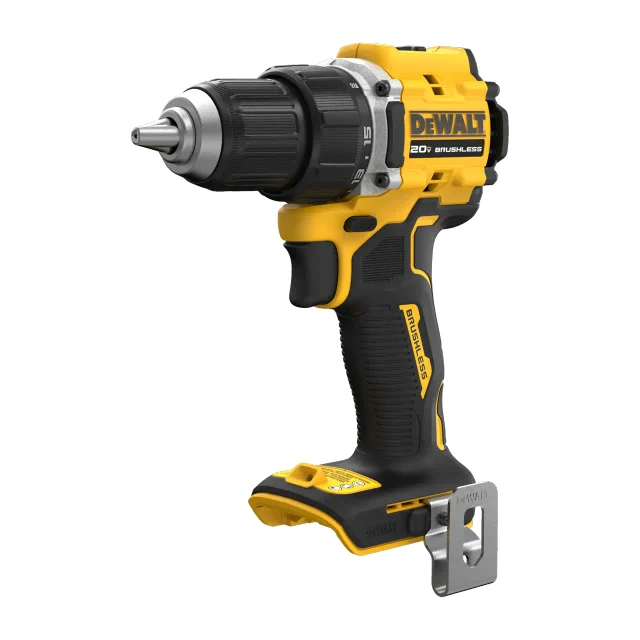
- DeWalt ATOMIC DCD794 20V MAX Brushless Compact Drill/Driver - Buy. The best balance of power, size, and comfort for home use - a pro-grade compact at a homeowner-friendly price.
- RYOBI 18V ONE+ HP Brushless Compact Drill/Driver Kit (PBLDD02K1) - Buy. Nearly top-tier driving performance in a complete ready-to-go kit, on one of the most affordable big battery platforms.
- Milwaukee M18 Compact Brushless Drill/Driver (3601) - It depends. A beautifully built compact with all-metal chuck and gear case - worth it if you're on the M18 platform, hard to justify if you're not.
- BLACK+DECKER 20V MAX POWERCONNECT Cordless Drill/Driver (BCD702C1) - Skip. The current entry-level BLACK+DECKER drill, and on paper it is a light-duty tool that falls behind everything else here.
The verdict in 30 seconds
What mattered most
- Motor
- Chuck
- Gearbox
- Power class
- Battery platform
- What's in the box
A cordless drill/driver is the one power tool almost every home needs, and in 2026 the mid-priced brushless compacts have gotten so good that pro-grade power fits in a shoebox. We compared four widely available models - two we'd happily recommend, one that only makes sense if you're already invested in its battery platform, and one bargain-bin staple that owners consistently outgrow within months.
The best balance of power, size, and comfort for home use - a pro-grade compact at a homeowner-friendly price.
Best for: Homeowners and serious DIYers who want one drill that handles everything from furniture assembly to deck screws
- Brushless motor drives long screws and bores large holes without bogging down
- Compact, well-balanced body fits between studs and in cabinet interiors
- Half-inch ratcheting chuck, 2-speed gearbox, and 15 clutch settings cover nearly any home task
- Huge 20V MAX battery ecosystem to grow into
- Bare-tool versions require buying a battery and charger separately
- No hammer mode for masonry - you'd need to step up to a hammer drill for concrete
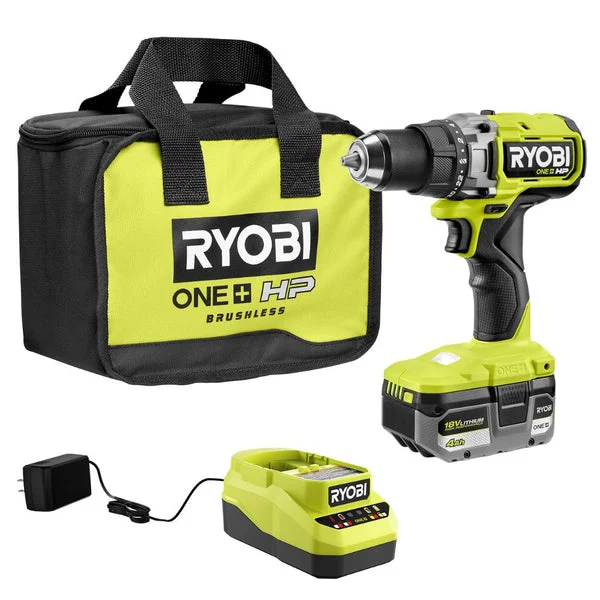
Nearly top-tier driving performance in a complete ready-to-go kit, on one of the most affordable big battery platforms.
Best for: First-time buyers and budget-minded DIYers who want a complete kit and a cheap path to more cordless tools
- Brushless motor with a 2-speed gearbox (0-700 / 0-2,150 RPM), up to 850 in-lbs of torque and a 24-position clutch
- Kit includes battery and charger - nothing else to buy on day one
- ONE+ platform batteries work across a vast range of affordable yard and home tools
- 1/2-inch ratcheting metal chuck and an on-board LED worklight
- Owners describe the build as plastic-heavy and less refined than DeWalt or Milwaukee
- Marketed as a drill/driver rather than a pure compact, so check the head length against your tight-space jobs
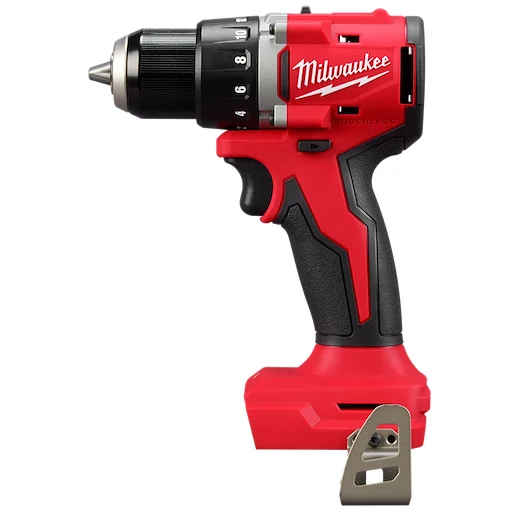
A beautifully built compact with all-metal chuck and gear case - worth it if you're on the M18 platform, hard to justify if you're not.
Best for: Buyers already invested in M18 batteries, or heavy DIYers who want pro durability and plan to add more Milwaukee tools
- 550 in-lbs of torque, with an all-metal gear case and metal half-inch chuck
- Only 5.7 inches long, shorter than the DeWalt's 5.88 inches - excellent in tight framing and cabinet work
- M18 batteries power one of the deepest pro tool lineups available
- Costs notably more than rivals that handle the same household jobs
- Some owners report the chuck can loosen its grip on smooth-shank bits
- Overkill for occasional picture-hanging and furniture assembly
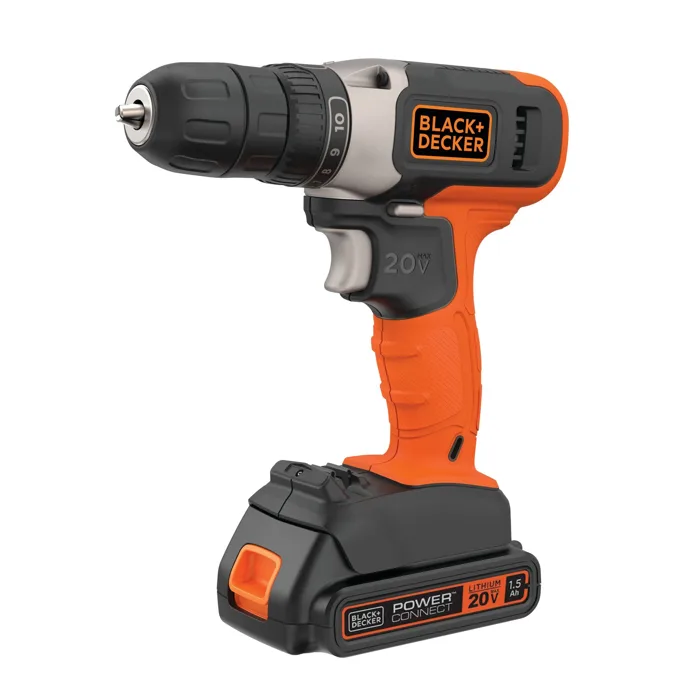
The current entry-level BLACK+DECKER drill, and on paper it is a light-duty tool that falls behind everything else here.
Best for: Almost no one in 2026 - spending slightly more on the RYOBI kit buys dramatically more capability
- Light at a stated 3.3 lb, with an 11-position clutch for small screws and flat-pack assembly
- Arrives complete with a 1.5Ah battery and charger, plus an LED light and onboard bit storage
- A brushed motor with a published maximum of 600 RPM, far below the 2-speed brushless drills here
- A 3/8" keyless chuck, smaller than the 1/2" chucks on the other three, which limits bit selection for bigger jobs
- BLACK+DECKER does not publish a torque figure, so its power cannot be compared with the others on the page
- The included 1.5Ah pack is small for hole saws or long screws
| Criteria | DeWalt ATOMIC DCD794 20V MAX Brushless Compact Drill/Driver Top pick Buy it Buy | RYOBI 18V ONE+ HP Brushless Compact Drill/Driver Kit (PBLDD02K1) Buy it Buy | Milwaukee M18 Compact Brushless Drill/Driver (3601) It depends Buy | BLACK+DECKER 20V MAX POWERCONNECT Cordless Drill/Driver (BCD702C1) Skip it Buy |
|---|---|---|---|---|
| Best for | Homeowners and serious DIYers who want one drill that handles everything from furniture assembly to deck screws | First-time buyers and budget-minded DIYers who want a complete kit and a cheap path to more cordless tools | Buyers already invested in M18 batteries, or heavy DIYers who want pro durability and plan to add more Milwaukee tools | Almost no one in 2026 - spending slightly more on the RYOBI kit buys dramatically more capability |
| Price tier | $$ · mid-range | $ · budget | $$$ · premium | $ · budget |
| Motor | Brushless | Brushless | Brushless | Brushed |
| Chuck | 1/2" ratcheting | 1/2" ratcheting metal | 1/2" all-metal | 3/8" |
| Gearbox | 2-speed | 2-speed | 2-speed | Single speed |
| Power class | Strong - handles long screws and large bores | Strong - 850 in-lbs of torque | Strong - 550 in-lbs of torque | Light-duty only |
| Battery platform | DeWalt 20V MAX (very deep) | RYOBI 18V ONE+ (wide, budget-friendly range) | Milwaukee M18 (deep pro range) | B+D 20V MAX (limited, homeowner-grade) |
| What's in the box | Bare tool or kit versions | Battery and charger kit, or tool only | Bare tool or kit versions | Battery and charger included |
| Build quality | Excellent | Good, plastic-heavy | Excellent, metal gear case | Basic |
| Price tier | $$ · mid-range | $ · budget | $$$ · premium | $ · budget |
Which one is right for you?
- Homeowners and serious DIYers who want one drill that handles everything from furniture assembly to deck screws Buy it DeWalt ATOMIC DCD794 20V MAX Brushless Compact Drill/Driver
- First-time buyers and budget-minded DIYers who want a complete kit and a cheap path to more cordless tools Buy it RYOBI 18V ONE+ HP Brushless Compact Drill/Driver Kit (PBLDD02K1)
- Buyers already invested in M18 batteries, or heavy DIYers who want pro durability and plan to add more Milwaukee tools It depends Milwaukee M18 Compact Brushless Drill/Driver (3601)
- Almost no one in 2026 - spending slightly more on the RYOBI kit buys dramatically more capability Skip it BLACK+DECKER 20V MAX POWERCONNECT Cordless Drill/Driver (BCD702C1)
How we judged the field
We don’t run our own lab. Instead, we synthesized maker specifications of current drill/drivers with large volumes of owner reports - the long-term feedback that shows up months after purchase, when chucks loosen, batteries fade, and honeymoon impressions wear off. For a home-use drill/driver we weighted five things: real driving and drilling power (long screws, spade bits, hole saws), size and comfort in awkward spots, what actually comes in the box, the depth and value of the battery platform behind the tool, and long-term reliability as owners describe it. All but one of the four picks are listed on the maker’s site today.
DeWalt ATOMIC DCD794 20V MAX Brushless Compact Drill/Driver
Buy itThe DCD794 is what happens when pro-tool engineering trickles down to a homeowner price point. Owners rate it highly for its balance of portability, comfort, and real-world drilling performance - it powers long wood screws and larger bores without drama, and many single out how well it balances in the hand. You get a half-inch ratcheting chuck, a 2-speed gearbox, 15 clutch settings, and an LED work light, all in a body 5.88 inches long (tool head length) that is short enough to work between studs. The caveats: the bare-tool version needs a battery and charger if you’re starting from zero, and there’s no hammer mode for masonry. Neither changes the verdict. For most homes, this is the last drill you’ll need to buy, and DeWalt’s 20V MAX ecosystem means the battery investment keeps paying off.
RYOBI 18V ONE+ HP Brushless Compact Drill/Driver Kit (PBLDD02K1)
Buy itRYOBI’s ONE+ HP compact is the value verdict of this comparison. Ryobi lists up to 850 in-lbs of torque, a 24-position clutch and a 2-speed gearbox reaching 0-700 / 0-2,150 RPM, with a ratcheting metal chuck. The kit format is the clincher for first-time buyers: battery and charger in one box, with nothing extra to research or buy. The trade-off: owners say the build leans on plastic and feels less dense than the DeWalt or Milwaukee. But the ONE+ platform is a very wide and budget-friendly battery ecosystem in home tools - the same packs run string trimmers, fans, inflators, and many other tools. If the budget is tight or this is your first cordless tool, buy this and don’t look back.
Milwaukee M18 Compact Brushless Drill/Driver (3601)
It dependsTool for tool, the M18 Compact Brushless is arguably the best-made drill here: 550 in-lbs of torque, an all-metal gear case, a metal half-inch chuck, and a 5.7-inch length that is shorter than the DeWalt. Owners praise how it disappears into tight cabinet and framing work, and Milwaukee’s M18 line is one of the deepest pro battery platforms you can buy into. So why isn’t it a straight buy? Price and fit. For hanging shelves and assembling furniture, it does nothing the DeWalt or RYOBI can’t, at a meaningfully higher cost - and a minority of owners report the chuck gradually loosening its grip on smooth-shank bits, an annoying flaw at a premium price. If you already own M18 batteries, the bare tool is an easy yes. If you’re starting from scratch on a homeowner budget, the DeWalt delivers the same outcomes for less.
BLACK+DECKER 20V MAX POWERCONNECT Cordless Drill/Driver (BCD702C1)
Skip itThe BCD702C1 is BLACK+DECKER’s current entry-level 20V MAX drill, the successor in spirit to the long-running LDX120C, and its spec sheet explains the verdict. BLACK+DECKER lists a brushed motor, a 3/8” keyless chuck, a maximum of 600 RPM and a 1.5Ah battery, and it does not publish a torque figure at all. Set that against three brushless 2-speed drills with 1/2” chucks and the gap is plain before anyone drives a screw: hole saws and long lag screws are where a drill like this runs out. What it does well is the light end of the job list. At a stated 3.3 lb with an 11-position clutch, an LED and onboard bit storage, it handles flat-pack furniture and picture hanging, and the battery and charger are in the box. It isn’t a scam, but the RYOBI kit is in a different league of capability and battery ecosystem. A false economy. Skip it.
DeWalt ATOMIC DCD794 vs RYOBI 18V ONE+ HP: which should you buy?
This comes down to budget and trajectory, not quality - both are genuine recommendations. The DeWalt is the more refined tool: tighter build and a bit more composure, in owner reports, when you’re driving lag screws or running big spade bits. It’s the pick if you see yourself doing real projects - decks, framing repairs, built-ins - or if you want a battery platform with pro-grade depth. The RYOBI counters with completeness and value: strong brushless performance for everyday tasks, everything included in one box, and a budget-friendly expansion path in cordless tools, from leaf blowers to shop fans on the same battery. First tool, tight budget, or casual use: RYOBI. Long-term workhorse with room to grow: DeWalt.
What to look for
- Brushless motor - the single biggest quality dividing line; more power, less heat, longer life.
- 2-speed gearbox - low gear for driving screws with control, high gear for drilling fast. Single-speed drills compromise both jobs.
- 1/2-inch chuck - accepts the full range of bits and hole saws; 3/8-inch limits your options later.
- Battery platform, not just the drill - your first tool locks in a battery family, so pick the ecosystem you’ll want in five years.
- Kit vs bare tool - kits make sense for first-timers; bare tools are the value play once you own batteries.
- Clutch settings and LED - a proper adjustable clutch prevents stripped screws; a bright LED matters more than it sounds inside cabinets.
Our final take
The cordless drill market in 2026 rewards buyers who spend just slightly above rock bottom. The DeWalt ATOMIC DCD794 is our pick - a compact, pro-grade drill/driver at a fair price on a battery platform with essentially unlimited headroom. The RYOBI 18V ONE+ HP kit is the runner-up and the best pure value, delivering strong brushless performance with everything included. The Milwaukee M18 Compact Brushless is a superb tool that only makes financial sense inside the M18 ecosystem or for the heaviest DIYers. And the BLACK+DECKER BCD702C1 - the kind of drill shoppers grab because it’s the cheapest name-brand option on the shelf - is the one to skip: BLACK+DECKER’s own brushless drills and the RYOBI kit make its compromises hard to justify.
Questions, answered
Do I need a hammer drill instead of a drill/driver?
Only if you regularly drill into concrete, brick, or stone. For wood, drywall, metal, and plastics - which covers nearly all household jobs - a standard drill/driver like the four here is lighter, cheaper, and easier to control. If masonry is in your future, DeWalt, RYOBI, and Milwaukee all sell hammer-drill versions on the same batteries.
Is a brushless motor really worth it?
Yes, and it's the clearest dividing line in this comparison. Brushless motors generally deliver more power from the same battery, run cooler, and last longer because there are no brushes to wear out. The three brushless models here all drive long screws with ease; the brushed BLACK+DECKER, with a published top speed of 600 RPM, is built for light duty.
Should I buy a bare tool or a kit?
If this is your first cordless tool, buy a kit so you get a battery and charger - the RYOBI kit is the standout value there. If you already own batteries from a brand, the bare-tool version of that brand's drill is usually the cheaper and smarter route, which is exactly the case where the Milwaukee makes sense.
How important is the battery platform when choosing a drill?
More important than the drill itself, because your first drill usually locks you into a battery family. RYOBI ONE+ has a very wide range of affordable home and yard tools; DeWalt 20V MAX and Milwaukee M18 both offer deep pro-grade lineups. BLACK+DECKER's platform is the most limited of the four, which is another reason the BCD702C1 is hard to recommend.
Is the BLACK+DECKER BCD702C1 ever a sensible buy?
Only for the lightest duty - assembling flat-pack furniture or hanging the occasional shelf. A brushed motor, a single 600 RPM top speed, a 3/8" chuck and a 1.5Ah battery mean anyone who tackles a real project will outgrow it quickly, which is why we call it the one to skip.
Deciding between the top two? See our head-to-head: DeWalt ATOMIC DCD794 20V MAX Brushless Compact Drill/Driver vs RYOBI 18V ONE+ HP Brushless Compact Drill/Driver Kit (PBLDD02K1).
More in Tools & DIY
Cordless Drills, Explained Plain-English guide → DeWalt ATOMIC DCD794 20V MAX Brushless Compact Drill/Driver vs RYOBI 18V ONE+ HP Brushless Compact Drill/Driver Kit (PBLDD02K1) Head-to-head →  The Best Cordless Ratchets: 4 Compared (and One to Skip)
  The Best Crimping Tools: 4 Compared (and One to Skip)
  The Best Cut-Resistant Gloves: 4 Compared (and One to Skip)
  The Best Digital Calipers: 4 Compared (and One to Skip)