

Office & WFH
The Best Anti-Fatigue Mats: 4 Compared (and One to Skip)
We compared four standing mats on the criterion that actually reduces fatigue — firmness — plus surface, durability, edges, and price.
The short version
The single criterion that separates a good anti-fatigue mat from a useless one is firmness: too soft and your legs work harder to stay stable, so you tire faster. Firm-but-cushioned polyurethane mats reduce fatigue and hold their shape; cheap plush foam feels great briefly, then packs into a permanent flat spot. Our top pick is the Ergodriven Topo, whose firm sculpted terrain nudges you to keep shifting your weight; the Imprint CumulusPRO Commercial is the runner-up and the best flat mat for the money. The WellnessMats Original is superb but flagship-priced, so it's a 'depends' on budget, and we'd skip the plush Gorilla Grip foam mat as a real anti-fatigue solution. Best for: a standing desk, buy the Topo; for a firm flat mat at a desk or kitchen, buy the CumulusPRO.
Our picks at a glance
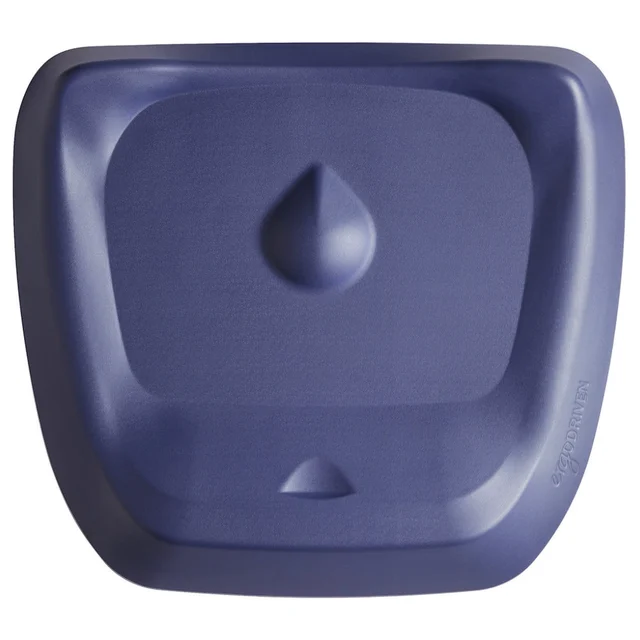
- Ergodriven Topo - Buy. A firm terrain mat whose bumps and ramps nudge you to keep shifting — the closest thing to a standing-desk cheat code.
- Imprint CumulusPRO Commercial - Buy. The firm-but-cushioned flat mat that hits the Goldilocks point and refuses to pack down.
- WellnessMats Original - It depends. A buy-it-for-life flat polyurethane mat that's superb — if you're willing to pay flagship money for a plain rectangle.
- Gorilla Grip Anti-Fatigue Mat - Skip. Comfy for the first five minutes, then it's a soft foam cushion that packs down and slides — not a real anti-fatigue mat.
The verdict in 30 seconds
What mattered most
- Firmness (the Goldilocks point)
- Surface type
- Material & durability
- Edges
- Thickness
- Cleaning & non-slip
Anti-fatigue mats sell on the promise of soft cushioning, but the counterintuitive truth from independent testing and owner reports is that the softest mats work the worst: sink too far and your legs fight to stay balanced, so you tire faster, not slower. The mats that genuinely help are firm-but-cushioned, and they hold that firmness for years instead of packing down into a dead flat spot. We compared four popular mats across that spectrum — a contoured terrain mat, two firm flat polyurethane mats, and a cheap plush-foam favorite — and the verdicts land honestly: two we'd buy, one that depends on your budget and taste, and one we'd skip.
A firm terrain mat whose bumps and ramps nudge you to keep shifting — the closest thing to a standing-desk cheat code.
Best for: Standing-desk users who want an active mat that keeps them subtly moving all day
- Firm, high-density polyurethane that stays supportive for hours instead of collapsing under sustained standing
- Sculpted mounds, ramps, and pockets give your feet places to move, and reviewers credit that movement (not cushioning) as the real fatigue-reducer
- Backed by a very long warranty, so it's built to outlast cheaper foam mats
- The terrain is polarizing — some people love fidgeting on it, others find the contours distracting or unpleasant barefoot
- Premium price, and the fixed 3D shape means less usable flat space than a plain rectangle
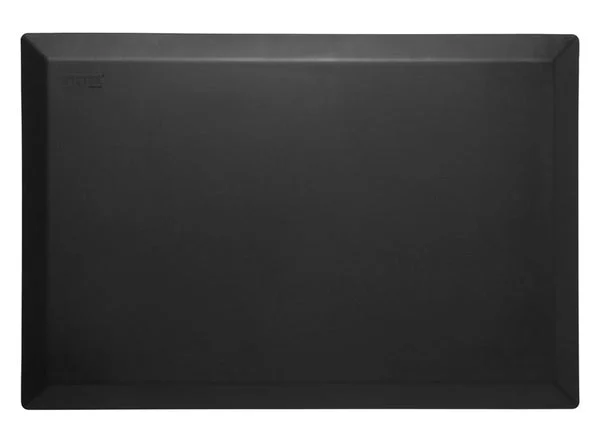
The firm-but-cushioned flat mat that hits the Goldilocks point and refuses to pack down.
Best for: Anyone who wants a firm, durable, no-drama flat mat for a desk or kitchen — and dislikes standing on contours
- One-piece high-density polyurethane with a firm core that independent testing says won't lose buoyancy or delaminate over time
- Contoured beveled edges lie flat and resist curling, and the non-slip backing keeps it planted on hard floors
- Wipes clean easily and is offered with a lifetime satisfaction guarantee
- Flat surface gives none of the movement cues a terrain mat provides
- Limited size and color choices compared with cheaper foam mats
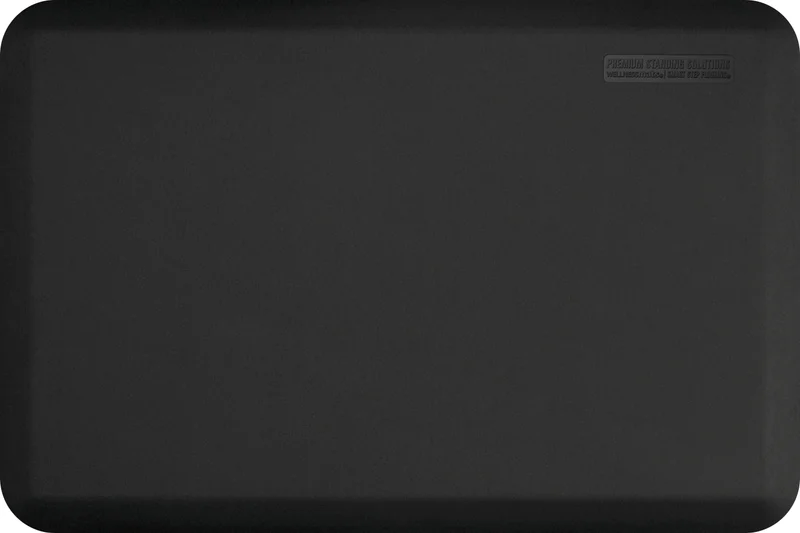
A buy-it-for-life flat polyurethane mat that's superb — if you're willing to pay flagship money for a plain rectangle.
Best for: People who stand all day, want a mat to last a decade-plus, and don't mind paying flagship prices for it
- Seamless one-piece polyurethane with a firm, supportive feel; owners routinely report years of use with no flat spot
- Tapered no-trip edges and a grippy backing, and it's backed by a decades-long warranty
- Non-toxic, easy to wipe down, and genuinely one of the most durable mats you can buy
- The most expensive mat here by a wide margin
- Flat and static — no terrain, so desk users chasing movement may get more from a contoured mat for less money
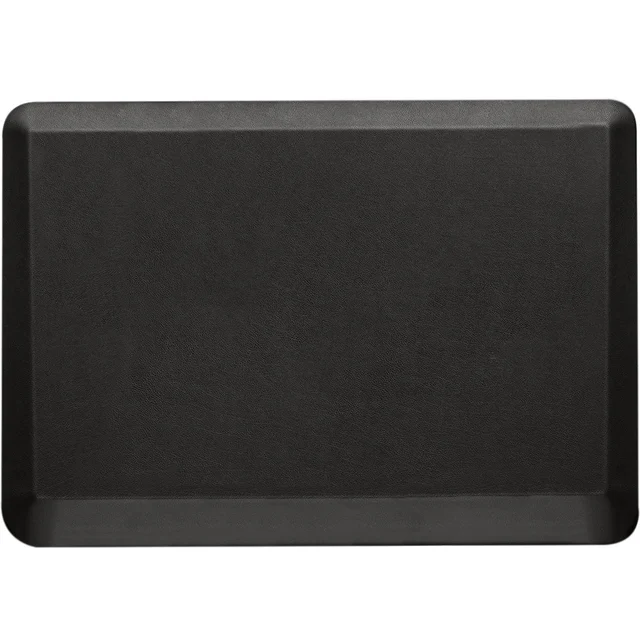
Comfy for the first five minutes, then it's a soft foam cushion that packs down and slides — not a real anti-fatigue mat.
Best for: Occasional, brief standing at a kitchen sink where cost matters more than durability — not a standing desk
- Cheap, and the initial plush feel is pleasant for short kitchen stints
- Comes in many colors and sizes and wipes clean
- Soft, squishy foam is exactly the wrong firmness — owners report it compresses into a flat spot and offers little lasting support for long standing
- Owner reports also note it can slide around on hard floors and that edges lift over time
- Short warranty compared with the polyurethane mats here
| Criteria | Topo Top pick | CumulusPRO Commercial | Original | Anti-Fatigue Mat |
|---|---|---|---|---|
| Verdict | Buy it | Buy it | It depends | Skip it |
| Best for | Standing-desk users who want an active mat that keeps them subtly moving all day | Anyone who wants a firm, durable, no-drama flat mat for a desk or kitchen — and dislikes standing on contours | People who stand all day, want a mat to last a decade-plus, and don't mind paying flagship prices for it | Occasional, brief standing at a kitchen sink where cost matters more than durability — not a standing desk |
| Price tier | $$$ · premium | $$ · mid-range | $$$$ · flagship | $ · budget |
| Firmness (the Goldilocks point) | Firm and buoyant — supportive, not squishy | Firm-but-cushioned — the sweet spot | Firm, supportive PU that never bottoms out | Soft and plush — too squishy for long standing |
| Surface type | Contoured 3D terrain (mounds, ramps, pockets) | Flat, smooth top | Flat, smooth top | Flat, lightly textured foam |
| Material & durability | High-density polyurethane; holds its shape | One-piece high-density PU; resists packing down | Seamless one-piece PU; owners report years without a flat spot | Cheap foam; owners report it compresses and goes flat |
| Edges | Beveled, ramped edges | Beveled contoured no-curl edges | Tapered no-trip edges | Beveled, but some owners report edges lifting |
| Thickness | ~0.75 in at the tallest terrain point | 3/4 in | 3/4 in | ~1/2–3/4 in, varies by size |
| Cleaning & non-slip | Wipes clean; grippy underside | Wipes clean; non-slip backing | Wipes clean; non-slip backing | Wipes clean; owners report some sliding |
| Warranty | Very long (16-year) | Lifetime satisfaction guarantee | Decades-long (20-year) | Short / limited |
| Price tier | $$$ · premium | $$ · mid-range | $$$$ · flagship | $ · budget |
Which one is right for you?
- Standing-desk users who want an active mat that keeps them subtly moving all day Buy it Ergodriven Topo
- Anyone who wants a firm, durable, no-drama flat mat for a desk or kitchen — and dislikes standing on contours Buy it Imprint CumulusPRO Commercial
- People who stand all day, want a mat to last a decade-plus, and don't mind paying flagship prices for it It depends WellnessMats Original
- Occasional, brief standing at a kitchen sink where cost matters more than durability — not a standing desk Skip it Gorilla Grip Anti-Fatigue Mat
How we judged the field
We don’t run a lab or stand on mats with a stopwatch. Instead we synthesize what independent testing and long-term owner reports consistently show, then translate it into buying advice. For anti-fatigue mats, one theme dominates every credible source: firmness matters more than plushness. A mat that feels luxuriously soft lets your foot sink and roll, and your legs quietly burn energy all day fighting to stay balanced — the opposite of what you bought the mat for. The mats that genuinely reduce fatigue are firm enough to feel stable, with a controlled amount of give.
From there we weighed the criteria buyers actually feel over months of use: whether the surface is flat or contoured (a real preference split), the material and how well it resists compression, the edges (a beveled, no-curl edge that won’t trip you or catch a chair caster), thickness, ease of cleaning, non-slip backing, warranty, and price. We deliberately included one cheap plush-foam favorite, because it represents the most common mistake in this category — and the clearest thing to skip.
The Topo is the mat most independent testers keep returning to for standing desks, and the reason isn’t cushioning — it’s movement. Its surface is a sculpted landscape of mounds, ramps, and pockets molded from firm, high-density polyurethane. Rather than letting you stand statue-still (which is fatiguing on any surface), the terrain gives your feet somewhere to go, so you naturally keep shifting your weight, stretching your calves, and repositioning. Reviewers point to that near-constant micro-movement as the actual driver of reduced fatigue.
Crucially, the Topo is firm. The polyurethane supports your weight without collapsing, so it feels buoyant hours into a standing session instead of squishing flat. It’s also built to last, with a warranty measured in many years. The catch is that the terrain is love-it-or-hate-it: plenty of people find it engaging, but some dislike the contours underfoot — especially barefoot — and the fixed 3D shape means less flat space than a plain mat. It’s a premium price, too. But for an active standing-desk setup, it’s our top pick.
If the Topo’s terrain isn’t for you, the CumulusPRO is the flat mat we’d buy. It nails the Goldilocks firmness point: a one-piece, high-density polyurethane construction that’s cushioned enough to relieve a hard floor yet firm enough that you don’t sink and wobble. Independent testing highlights that solid PU build as the durability story — it’s designed not to lose its buoyancy or delaminate, which is exactly the failure mode that kills cheap foam mats.
The practical details are right, too. The beveled, contoured edges lie flat and resist curling, so there’s no lip to trip over; the bottom grips hard floors; and the surface wipes clean, which matters in a kitchen. It’s offered with a lifetime satisfaction guarantee, a strong signal the maker expects it to hold up. You trade away the Topo’s movement cues and get fewer size and color options, but as a firm, durable, do-everything flat mat at a mid-range price, it’s excellent value.
The WellnessMats Original is, on the merits, one of the best mats you can buy — which is why the honest verdict is “it depends” rather than a flat no. It’s a seamless single piece of polyurethane with a firm, supportive feel and tapered no-trip edges, and its reputation rests on longevity: owners routinely report years of daily standing with no flat spot, backed by a decades-long warranty. If you want a mat you’ll never think about again, it delivers.
The hesitation is entirely about value. It’s the most expensive mat here by a wide margin, and it’s a flat rectangle — so a standing-desk user chasing the movement benefit can arguably get more for less from the contoured Topo, and someone who just wants firm flat support can get most of the way there with the cheaper CumulusPRO. Buy it if durability and a premium feel outweigh cost for you, and you stand enough to justify a buy-it-for-life mat. Otherwise, the two picks above are smarter money.
This is the popular budget mat we’d steer you away from — not because it’s a scam, but because it’s the wrong tool. It’s thick, plush foam, and that plushness is precisely the problem: it’s too soft to keep you stable, so it works against the fatigue relief you’re after during real standing sessions. Worse, owner reports repeatedly describe cheap foam like this compressing into a permanent dip where you stand most, at which point it stops cushioning at all. Some owners also note it slides on hard floors and that the edges can lift over time.
As an occasional, cheap cushion at a kitchen sink where you stand for a few minutes, it’s fine and it’s inexpensive. But as an anti-fatigue mat for a standing desk — a mat that needs to stay firm and supportive for years — it’s a false economy. Spend a little more on firm polyurethane and you’ll get a mat that actually does the job and outlasts several of these.
Topo vs CumulusPRO Commercial: which should you buy?
These are our two picks, and the choice comes down to one question: do you want to move, or do you want to stand still comfortably? The Ergodriven Topo’s whole design is about movement — its terrain keeps you shifting, which is the mechanism reviewers credit for its edge on a standing desk. If you tend to lock into one position and get achy, the Topo actively fixes that, and it’s worth the premium for a heavy desk user.
The Imprint CumulusPRO Commercial is the better pick if you’d rather not think about your feet at all. It’s a firm, flat, forgiving surface with no learning curve, it works equally well in a kitchen, and it costs less. You give up the movement cues, but you get a durable mat that resists packing down and lies dead flat at the edges. For most people, the honest split is simple: buy the Topo for a dedicated standing desk, and buy the CumulusPRO if you want one firm mat that just works anywhere.
What to look for
- Firmness first. Aim for firm-but-cushioned; if a mat feels marshmallow-soft in the store, it’ll tire you out and pack down.
- Material over thickness. A solid polyurethane (or gel) core resists compression; plain cheap foam takes a permanent flat spot within months of heavy use.
- Flat vs contoured is a preference. Terrain mats prompt movement (great for desks, divisive for some); flat mats are stable and versatile.
- Beveled, low-profile edges that lie flat — so you won’t trip or catch a chair caster, and they won’t curl.
- Non-slip backing for hard floors, and a wipe-clean top for kitchens.
- Warranty as a proxy. Long or lifetime-class coverage signals the maker expects the mat not to pack down.
Our final take
The best anti-fatigue mat is the one that stays firm and keeps you a little bit in motion — not the softest one on the shelf. The Ergodriven Topo does that best for a standing desk and is our overall pick; the Imprint CumulusPRO Commercial is the firm flat mat we’d buy for a desk or kitchen and the best value here. The WellnessMats Original is a genuinely excellent buy-it-for-life mat if you’ll pay flagship prices for it, which makes it an honest “it depends.” And the plush Gorilla Grip foam mat is the one to skip: it’s cheap and comfy at first, but too soft to actually reduce fatigue and prone to packing flat. Match the firmness and surface to how you stand, and you’ll feel the difference by the end of the day.
Questions, answered
Aren't softer, thicker mats more comfortable and therefore better?
Only for the first few minutes. Independent testing and owner reports agree that a mat you sink deeply into forces your feet and legs to keep micro-correcting for balance, which fatigues you faster over a long standing session. The mats that actually reduce fatigue are firm-but-cushioned — supportive enough that you feel stable, with just enough give to take the edge off a hard floor. Softness feels nice in the store and works against you at hour three.
Contoured (terrain) mat or flat mat — which should I get?
It's a genuine preference split. Contoured mats like the Ergodriven Topo add mounds and ramps that prompt you to keep shifting your stance, and many people find that constant small movement is what keeps them comfortable. Others find the terrain distracting, awkward in socks, or annoying when they want to plant both feet and focus. If you like to fidget and move, go contoured; if you want a stable, predictable surface, a firm flat mat like the CumulusPRO or WellnessMats is the safer bet.
Do anti-fatigue mats wear out or go flat?
Cheap foam mats commonly do. Owner reports describe budget foam packing down into a permanent depression — a dead flat spot where you stand most — within months of heavy use, at which point it stops cushioning. Solid polyurethane mats resist this: their high-density cores are designed not to lose support or delaminate, which is why the durable picks here carry very long or lifetime-class warranties. If a mat is inexpensive, thick, and very soft, treat quick compression as the likely outcome.
What thickness and features should I look for?
Roughly 3/4 inch of firm cushioning is the common sweet spot for standing work. Beyond thickness, prioritize beveled, low-profile edges that lie flat so you won't trip or catch a chair caster, a durable polyurethane (or gel) core rather than plain foam, a non-slip backing for hard floors, and a wipe-clean top. A meaningful warranty is a useful proxy for how confident the maker is that the mat won't pack down.
Can one mat work for both a standing desk and the kitchen?
Yes — a firm flat mat like the Imprint CumulusPRO Commercial or the WellnessMats Original works well in either spot, since both reward you for standing without sinking. The main difference is size and mess: kitchens benefit from an easy-to-wipe surface near spills, while a desk may want a footprint sized to your standing zone. If you specifically want the movement cues for long focused desk sessions, that's where the contoured Topo has an edge.
Deciding between the top two? See our head-to-head: Ergodriven Topo vs Imprint CumulusPRO Commercial.
More Office & WFH reviews
 The Best Big and Tall Office Chairs: 4 Compared (and One to Skip)
  The Best Desk Cable Management Kits: 4 Compared (and One to Skip)
  The Best Conference Speakerphones: 4 Compared (and One to Skip)
  The Best Copyholders: 4 Compared (and One to Skip)
  The Best Desk Fans: 4 Compared (and One to Skip)
  The Best Desk Mats: 4 Compared (and One to Skip)