

Tech & Gadgets
The Best OLED TVs: 4 Compared (and One to Skip)
We compared four current OLED TVs across WOLED and QD-OLED on brightness, gaming, burn-in reality, and honest value.
The short version
After synthesizing independent testing and owner reports across four current OLED TVs, the LG C5 is our top pick: WOLED evo contrast, genuinely useful brightness, four HDMI 2.1 ports at up to 144Hz, and strongly positive owner reports, all at a premium rather than flagship price. The Samsung S90F is the runner-up and the vivid-color choice, a QD-OLED with a very bright, saturated image, held back only by its lack of Dolby Vision. The Sony BRAVIA 8 II is the connoisseur's pick, with the most refined processing and superb off-angle consistency, but it costs flagship money and gives up gaming connectivity, so it only makes sense for dedicated cinephiles. The LG B5 is the one to skip: it is a fine entry OLED, but it is visibly dimmer than the others and sits too close in price to justify the downgrade. Best for: the LG C5 for most buyers, the Samsung S90F if you want maximum color and brightness.
Our picks at a glance
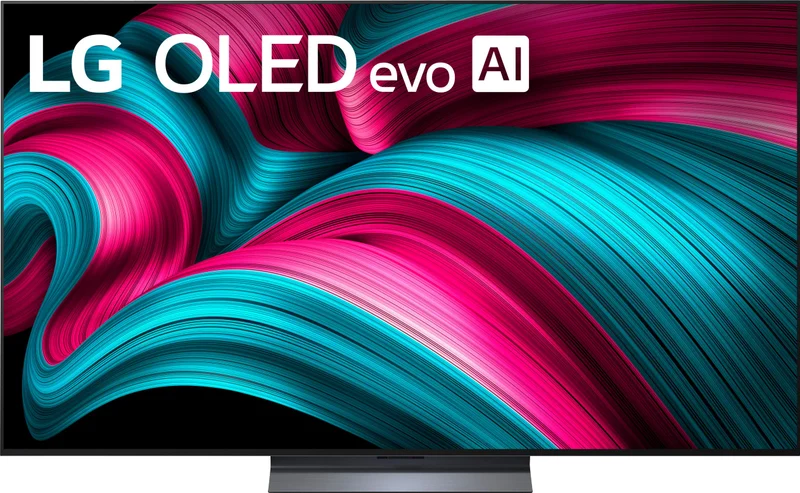
- LG C5 OLED (OLED65C5) - Buy. The safest great OLED you can buy: reference contrast, genuinely useful brightness, and strong gaming connectivity.
- Samsung S90F OLED (QN65S90F) - Buy. A QD-OLED that pairs the brightest, most saturated color here with a mid-tier attitude toward price.
- Sony BRAVIA 8 II QD-OLED (K65XR80M2) - It depends. Arguably the most refined and natural picture in OLED, sold at a genuine flagship premium with thinner gaming connectivity.
- LG B5 OLED (OLED65B5) - Skip. A competent entry OLED that sits too close to much brighter sets to make sense for most buyers.
The verdict in 30 seconds
What mattered most
- Panel technology
- Peak HDR brightness
- Color volume
- Gaming
- HDR format support
- Processing & upscaling
OLED still owns the two things that matter most for picture quality: perfect per-pixel blacks and effortless contrast. The real 2026 decision is which kind of OLED, because WOLED and QD-OLED now split along brightness, color, price, and gaming connectivity. We synthesized independent testing and a large volume of owner reports across four current 55 to 65 inch sets: a mainstream WOLED all-rounder, a value QD-OLED, a flagship QD-OLED, and an entry WOLED. Two earn a clear buy, one is a buy only for a specific viewer, and one is worth skipping in favor of a small step up.
The safest great OLED you can buy: reference contrast, genuinely useful brightness, and strong gaming connectivity.
Best for: Most people who want reference-grade OLED picture and the main gaming features, without paying flagship money.
- WOLED evo panel with perfect per-pixel blacks and improved highlight brightness
- Four full-bandwidth HDMI 2.1 ports, up to 144Hz, VRR, and very low input lag
- Excellent out-of-box accuracy in Filmmaker Mode and a fast webOS platform
- Owner reports are strongly positive
- The brightest QD-OLEDs still out-punch it on HDR highlights and bright-room color
- Supports Dolby Vision but not HDR10+
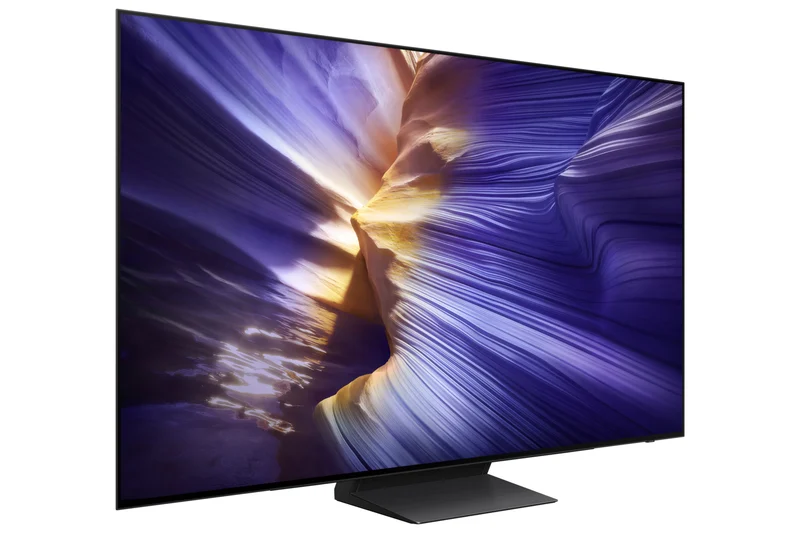
A QD-OLED that pairs the brightest, most saturated color here with a mid-tier attitude toward price.
Best for: Buyers who want the most vivid, punchy OLED image and a bit more bright-room brightness, especially for HDR movies and gaming.
- QD-OLED panel (at 55, 65, and 77 inches) delivers exceptional color volume and high peak brightness
- Very good bright-room performance for an OLED, with strong specular highlights
- Four HDMI 2.1 ports with up to 144Hz, VRR, and a well-built Gaming Hub
- Independent testing rates its color accuracy and HDR pop near the top of the class
- No Dolby Vision support (HDR10+ only), which matters for one major streaming catalog
- Only the 55, 65, and 77 inch sizes use QD-OLED; other sizes drop to a dimmer WOLED panel
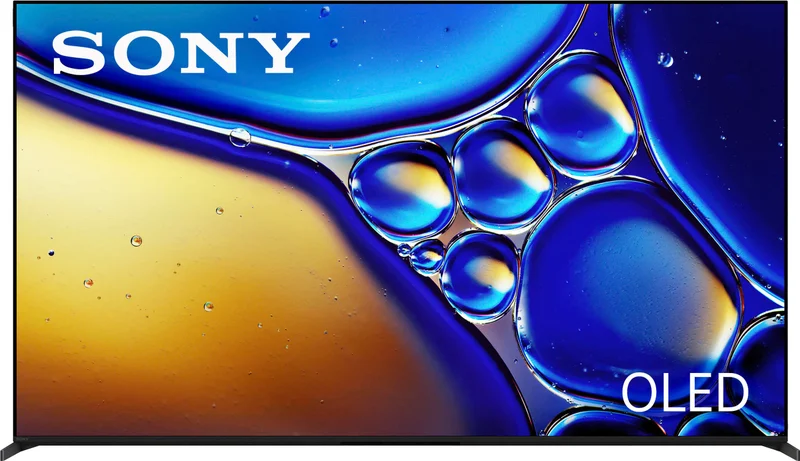
Arguably the most refined and natural picture in OLED, sold at a genuine flagship premium with thinner gaming connectivity.
Best for: Cinephiles with a dim room and a flagship budget who prize film-accurate processing over gaming ports and outright value.
- QD-OLED panel paired with Sony's class-leading upscaling and gradation handling
- Described by Sony as its brightest OLED, with rich, natural color and superb off-angle consistency
- Acoustic Surface Audio+ vibrates the screen so dialogue tracks the on-screen action
- Commands a steep flagship premium over the C5 and S90F for a subtly better picture
- Only two full-bandwidth HDMI 2.1 inputs, and one doubles as the eARC port
- Tops out at 120Hz rather than the 144Hz on the LG and Samsung
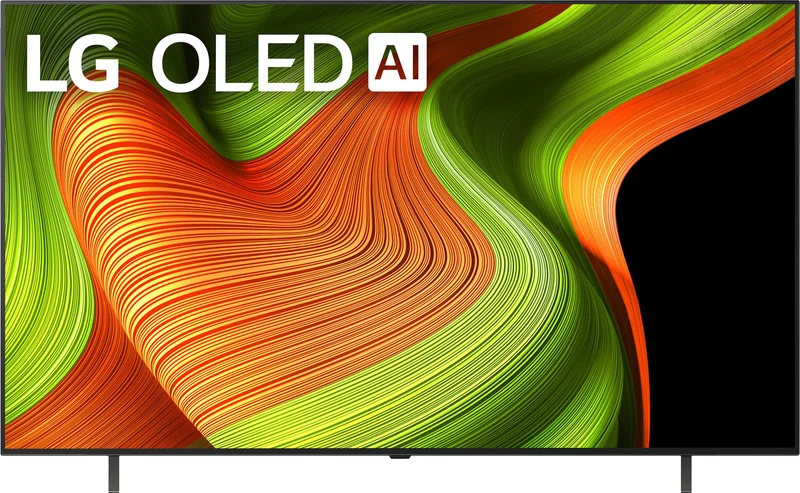
A competent entry OLED that sits too close to much brighter sets to make sense for most buyers.
Best for: A dark bedroom or second room on a tight budget where brightness barely matters, and only if you truly cannot stretch to the C5.
- Real OLED contrast with perfect blacks and wide viewing angles
- Still ships with four HDMI 2.1 ports, VRR, and Dolby Vision
- The cheapest way into a self-emissive OLED panel here
- Notably dimmer than the C5 and both QD-OLEDs, so HDR highlights look tame
- Step-down processor trails the C5 on upscaling and motion
- Small savings over a brighter set make the downgrade hard to justify
| Criteria | LG C5 OLED (OLED65C5) Top pick | Samsung S90F OLED (QN65S90F) | Sony BRAVIA 8 II QD-OLED (K65XR80M2) | LG B5 OLED (OLED65B5) |
|---|---|---|---|---|
| Verdict | Buy it | Buy it | It depends | Skip it |
| Best for | Most people who want reference-grade OLED picture and the main gaming features, without paying flagship money. | Buyers who want the most vivid, punchy OLED image and a bit more bright-room brightness, especially for HDR movies and gaming. | Cinephiles with a dim room and a flagship budget who prize film-accurate processing over gaming ports and outright value. | A dark bedroom or second room on a tight budget where brightness barely matters, and only if you truly cannot stretch to the C5. |
| Price tier | $$ · premium | $$ · premium | $$ · flagship | $ · mid-range |
| Panel technology | WOLED evo (self-emissive) | QD-OLED (55/65/77 in) | QD-OLED (self-emissive) | WOLED, entry tier |
| Peak HDR brightness | High | Very high | Very high | Moderate |
| Color volume | Very good | Excellent | Excellent | Good |
| Gaming | 4x HDMI 2.1, 144Hz, VRR | 4x HDMI 2.1, 144Hz, VRR | 2x HDMI 2.1, 120Hz, VRR | 4x HDMI 2.1, 120Hz, VRR |
| HDR format support | Dolby Vision, HDR10, HLG | HDR10+, HDR10, HLG (no Dolby Vision) | Dolby Vision, HDR10, HLG | Dolby Vision, HDR10, HLG |
| Processing & upscaling | Excellent | Very good | Class-leading | Good |
| Best room | Mixed light to dark | Bright to mixed | Dim to dark | Dark rooms |
| Price tier | $$ · premium | $$ · premium | $$ · flagship | $ · mid-range |
Which one is right for you?
- Most people who want reference-grade OLED picture and the main gaming features, without paying flagship money. Buy it LG C5 OLED (OLED65C5)
- Buyers who want the most vivid, punchy OLED image and a bit more bright-room brightness, especially for HDR movies and gaming. Buy it Samsung S90F OLED (QN65S90F)
- Cinephiles with a dim room and a flagship budget who prize film-accurate processing over gaming ports and outright value. It depends Sony BRAVIA 8 II QD-OLED (K65XR80M2)
- A dark bedroom or second room on a tight budget where brightness barely matters, and only if you truly cannot stretch to the C5. Skip it LG B5 OLED (OLED65B5)
How we judged the field
We do not run a lab. Instead, we synthesized the findings of independent testing (measured brightness, contrast, color volume, input lag, and off-angle behavior) with a large volume of owner reports covering how these TVs actually live in real rooms: highlight punch at noon, dark-scene integrity at midnight, and how the smart platform holds up months later. Because all four sets share OLED’s perfect blacks, four things separated them: real-world brightness and how it survives a lit room, color volume and format support, gaming readiness (HDMI 2.1 bandwidth, refresh rate, VRR, input lag), and honest value once you account for the small price gaps between tiers. Burn-in came up in nearly every owner thread, so we weighed it too, and the short version is that it is rare in normal mixed use across all current panels. These are current models as of this writing; check availability before buying.
The C5 is the OLED we would recommend to almost anyone who asks. Its WOLED evo panel lights each pixel individually, so blacks are genuinely black, and independent testing finds its highlight brightness high enough that the old “OLED is too dim” caveat no longer applies to most rooms. Color accuracy is excellent out of the box in Filmmaker Mode, viewing angles are wide, and webOS is quick. Gamers get the strongest connectivity here: four full-bandwidth HDMI 2.1 ports, refresh rates up to 144Hz, VRR in every flavor, and input lag low enough for competitive play. Owner reports are strongly positive. The fair caveats: the brightest QD-OLEDs still out-punch it on bright-room color, and LG supports Dolby Vision but not HDR10+. Neither changes the verdict. This is the best balance of picture, features, and price in OLED right now.
The S90F is the color-and-brightness answer to the C5. In the 55, 65, and 77 inch sizes it uses a QD-OLED panel, and quantum dots give it very saturated, high-volume color along with strong specular highlights. Independent testing puts its peak brightness and HDR pop at or near the top of the class, which makes it the more comfortable OLED for a room with some daylight. It carries four HDMI 2.1 ports with up to 144Hz and VRR, plus Samsung’s polished Gaming Hub, so it is a legitimately great gaming TV. Two things keep it from unseating the C5 for everyone. It does not support Dolby Vision, relying on HDR10+ instead, which matters for one major streaming service’s HDR catalog. And the QD-OLED panel only applies to the 55, 65, and 77 inch models; other sizes quietly switch to a dimmer WOLED panel, so buy the size that keeps the panel you came for. If you want the most vivid image and a touch more brightness, this is the smart-money buy.
On pure refinement, the BRAVIA 8 II may be the best picture in this comparison. Its QD-OLED panel pairs perfect blacks with rich, natural color, and Sony’s processing remains the benchmark: independent testing and expert reviewers single out its upscaling of lower-resolution sources, its clean handling of subtle gradations, and motion that looks filmic rather than processed. Reviewers also describe it as Sony’s brightest OLED yet, with strong off-angle consistency. The Acoustic Surface Audio+ system, which vibrates the screen itself, anchors dialogue to the action better than many conventional TV speakers. So why not a straight buy? Price and pragmatism. It commands a genuine flagship premium over the C5 for a difference most owners call subtle, it offers only two full-bandwidth HDMI 2.1 inputs (one doubling as eARC), and it tops out at 120Hz. If you are a cinephile with a dim room and the budget, it is glorious. For everyone else, the C5 delivers most of this experience for much less.
The B5 is the OLED people reach for to save a little, and it is a perfectly good television: real per-pixel blacks, wide viewing angles, four HDMI 2.1 ports, VRR, and Dolby Vision. The trouble is where it lands. Independent testing shows it is meaningfully dimmer than the C5 and both QD-OLEDs, so HDR highlights and bright-room content look tame by comparison, and its step-down processor trails the C5 on upscaling and motion. None of that would matter if it were dramatically cheaper, but in practice its street price usually sits close enough to the brighter C5 that the savings do not cover what you give up. In a dark bedroom on a strict budget it is fine. As a main living-room set, the modest premium for a C5 or an S90F buys a visibly better picture, so most buyers should skip it.
LG C5 OLED (OLED65C5) vs Samsung S90F OLED (QN65S90F): which should you buy?
This is the real decision for most OLED shoppers, and it comes down to taste and room. Both are superb, both carry four HDMI 2.1 ports at up to 144Hz, and both will satisfy demanding gamers and movie fans. The C5’s WOLED evo panel leans slightly toward neutral accuracy and all-around dependability, and it adds Dolby Vision, which the Samsung lacks. The S90F’s QD-OLED panel leans toward vivid, high-volume color and a little more brightness, which makes it the livelier choice in a room with daylight and the more eye-catching option for HDR and gaming. On value the two are close, so let content decide: if you watch a lot of Dolby Vision or want the safest all-rounder, take the C5; if you want maximum color pop and bright-room brightness and can live without Dolby Vision, take the S90F. Just confirm the S90F size you choose uses the QD-OLED panel.
What to look for
- Match the OLED type to your priority. QD-OLED favors color volume, brightness, and off-angle viewing; WOLED evo favors value and Dolby Vision support at each tier.
- Brightness follows the room. Dark rooms flatter any OLED; bright rooms reward the brighter panels like the S90F and C5.
- Check the HDMI fine print. Gamers want at least two full-bandwidth HDMI 2.1 ports, 120Hz or higher, and VRR, and should note when eARC steals one of them.
- Confirm the panel by size. Some lineups switch panel types at certain screen sizes, so verify the exact model you are buying gets the panel you want.
- Do not overpay for subtle polish. Flagship processing is real but small; most viewers are happier banking the difference on a premium-tier set.
- Static content is the only real burn-in risk. For normal mixed viewing it is rare; for all-day tickers or PC use, consider mini-LED instead.
Our final take
The OLED market in 2026 rewards buyers who choose on room and content rather than badge. The LG C5 is the pick, the most complete OLED here, combining reference contrast with real brightness, the best gaming connectivity, and a price that undercuts every flagship. The Samsung S90F is the vivid-color runner-up, a QD-OLED that trades Dolby Vision for a very bright, saturated image. The Sony BRAVIA 8 II is the connoisseur’s choice, the most refined picture of the four if you accept flagship pricing and thinner connectivity. And the LG B5 shows that a good panel can still be the wrong buy: it is a fine entry OLED that sits too close in price to sets that clearly outperform it. Two buys, one beautiful maybe, one to skip, in a category where even the runner-up is a genuinely great television.
Questions, answered
QD-OLED or WOLED: which OLED type should I choose?
Both start from the same OLED strength of perfect blacks. QD-OLED sets (like the Samsung S90F and Sony BRAVIA 8 II) use quantum dots for more saturated color and, on the brightest models, higher HDR punch, and they hold color better at steep off-angles. WOLED sets (like the LG C5 and B5) are typically a bit more affordable at each tier and, on LG's evo panels, are very bright in their own right. Independent testing shows the gap is now small for most viewers, so pick on price, room, and features rather than the panel acronym alone.
Is OLED burn-in still something to worry about?
For typical mixed viewing, meaning streaming, movies, sports, and games, reviewers and long-term owner reports indicate permanent burn-in is rare on current panels, which include automatic pixel-refresh and screen-care features. It remains a consideration only if the TV will show the same static element (a news ticker, a channel logo, a PC taskbar, a game HUD) for many hours every day. If that describes your use, a mini-LED LCD is the safer long-term choice.
Do I need the brightest OLED, or is a mid-tier model bright enough?
It depends on your room. In a dark or light-controlled room, even the entry LG B5 looks excellent because OLED contrast does the heavy lifting. In a bright room with windows, the extra output of the Samsung S90F or the LG C5 keeps HDR highlights and daytime content vivid where a dimmer panel starts to look flat. Owners in bright rooms often report being happier with a brighter set, so match brightness to your light, not to the spec sheet.
Why is the Sony BRAVIA 8 II only a 'depends' if the picture is so good?
Because value and connectivity temper it. Reviewers often praise its processing, upscaling, and off-angle consistency, and it is described as Sony's brightest OLED yet. But it commands a real flagship premium over the LG C5 for a difference most owners describe as subtle, and it offers only two full-bandwidth HDMI 2.1 ports, one of which doubles as eARC. Cinephiles with a dim room will love it. Gamers and value-minded buyers are usually better served by the C5 or S90F.
Is the LG B5 a bad TV, or just a bad buy?
It is a good TV that is often a poor buy. It delivers real OLED blacks, wide viewing angles, four HDMI 2.1 ports, and Dolby Vision. The problem is position: it is visibly dimmer than the C5 and both QD-OLEDs, its processor is a step down, and its street price usually sits close enough to the brighter C5 that the small savings do not justify the drop in brightness and polish. In a dark bedroom on a strict budget it is fine. For a main living-room TV, step up.
Deciding between the top two? See our head-to-head: LG C5 OLED (OLED65C5) vs Samsung S90F OLED (QN65S90F).
More Tech & Gadgets reviews
 The Best Powerline Adapters: 4 Compared (and One to Skip)
  The Best Projector Screens: 4 Compared (and One to Skip)
  The Best 2-in-1 Convertible Laptops: 4 Compared (and One to Skip)
  The Best 3D Printers: 4 Compared (and One to Skip)
  The Best 4K Gaming Monitors: 4 Compared (and One to Skip)
  The Best 4K Streaming Devices in 2026 (and the One to Skip)