Explained
Smart Bird Feeders, Explained
After reading, you'll understand how to compare smart bird feeders and work out the real cost including subscriptions.
In this guide
Smart bird feeders combine a seed hopper with a camera, a battery and an app that sends alerts and identifies species. They are easy to love and easy to overpay for, because the sticker price rarely includes the subscription that unlocks bird identification or longer storage. The specs that matter are few but worth checking carefully.
The 30-second version
- Subscriptions change the real price, since AI bird ID is often paid.
- Solar keeps it running, and included panels save a separate purchase.
- Local storage adds resilience, because clips survive a Wi-Fi dropout.
- Weather ratings matter outdoors, with IP67 tougher than IP65.
- Garden Wi-Fi is the weak link, so check the signal before you buy.
The products this guide is about
Our verdict on each, with the full reasoning on the companion review.
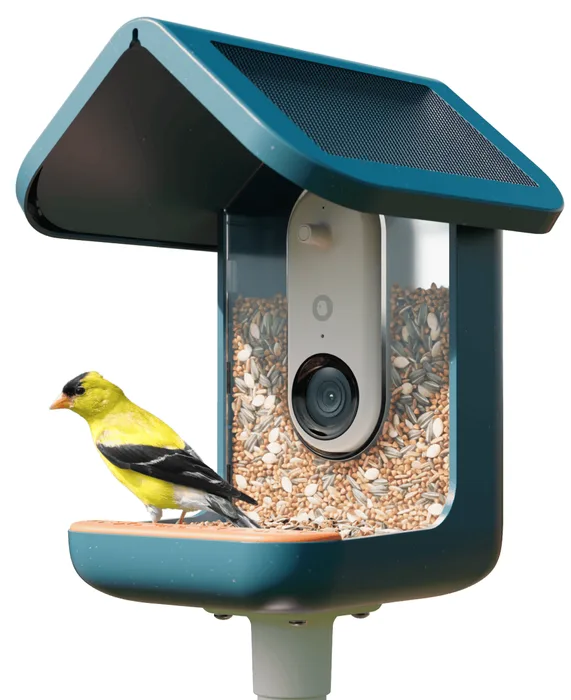
- Buy Bird Buddy Pro Solar Smart Bird Feeder The most polished smart feeder here, IP67 rated with a solar roof and extra alerts for sick birds and pets.
- Buy BirdSnap Smart Bird Feeder with Camera (P55n) A 5MP, 2.5K feeder with solar, local storage and a big hopper included, and a subscription for AI ID.
- It depends Wasserstein Bird Feeder Camera Case for Ring, Blink & Wyze Cams A feeder that turns the security camera you already own into a bird cam, with none of the bird-specific smarts.
- Skip Birdfy Feeder 2 Smart Bird Feeder A 1080p feeder where AI bird ID ends after a week and storage is cloud-only.
What actually matters
- Camera - resolution, sensor size, field of view and night vision decide image quality.
- Power - battery capacity and solar charging decide how often you take it down.
- Storage - local cards, free cloud history and paid plans differ widely.
- Bird identification - some include it, some charge monthly, some offer lifetime bundles.
- Weatherproofing - an IP rating tells you how well it resists rain and dust.
- Capacity - larger hoppers mean fewer refills.
- Cleaning - removable parts make it easier to keep the feeder hygienic for birds.
The specs, in plain English
Green flags vs red flags
Green flags
- Subscription costs and free features clearly listed.
- Solar power included.
- Local storage option.
- A published IP rating.
- Consistent specs between headline and spec table.
Red flags
- AI ID that ends after a short trial.
- Cloud-only storage.
- Resolution claims that differ on the same page.
- No weather rating.
- No seed capacity published.
Who's who: the brands
- Bird Buddy - Best known for polished smart feeders with app features beyond identification.
- BirdSnap - Value-focused feeders with solar and local storage included.
- Wasserstein - Makes accessories for Ring, Blink, Wyze and Google cameras, including a bird feeder case.
- Birdfy - Netvue's bird camera brand, with a wide range of feeders and subscription AI.
How to read a listing without getting fooled
Start with what is free and what is paid, and add the subscription to the price. Then check the camera specs in the spec table, the power source and whether solar is included, and where clips are stored. Look for a weather rating and the seed capacity. Finally check the Wi-Fi requirement and test the signal where you plan to mount it.
How much should you spend?
Budget options include camera cases for existing security cameras and entry-level feeders with basic cameras. The mid-range is where solar, local storage and good sensors appear, and it suits most people. Premium feeders buy polish, better weatherproofing and extra app features. At every tier, the subscription can matter as much as the purchase price over a few years.
Questions, answered
How often should I clean a bird feeder?
Regularly, because dirty feeders can spread disease among birds. Many bird organisations recommend cleaning every couple of weeks, and more often in wet weather or if you see sick birds. Empty old seed, wash with hot soapy water or a dilute bleach solution, rinse and dry before refilling.
Where should I place a smart feeder?
Somewhere with good light for the camera, a Wi-Fi signal, some sun for solar charging, and cover nearby for birds. Keep it away from windows where birds might strike glass, or place it very close to the window so they cannot build speed.
Will it identify every bird?
No. AI identification works best on common backyard species in good light. Rare birds, juveniles and blurry photos may be misidentified. Treat it as a guide and enjoy learning to identify birds yourself.
Can I watch hummingbirds too?
Some brands sell hummingbird feeders or add-ons that work with their cameras. BirdSnap includes a hummingbird feeder add-on, and Bird Buddy sells a separate smart hummingbird feeder.
Or jump to the head-to-head: Bird Buddy Pro Solar Smart Bird Feeder vs BirdSnap Smart Bird Feeder with Camera (P55n).