

Explained
Inversion Tables, Explained
After reading this you'll know how inversion tables work, which specs genuinely matter, and how to spot a secure, well-built table from a wobbly one.
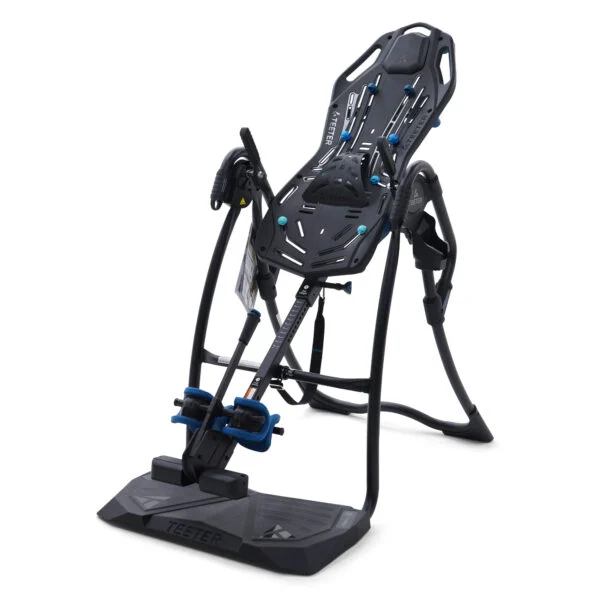
In this guide
An inversion table is a padded frame that lets you tilt back, and even hang fully upside down, to stretch and take pressure off your back. Almost every quality table looks identical on paper, so first-time buyers fixate on the wrong numbers. What actually separates a table you'll keep using from one that gathers dust is how secure your ankles feel and how steady the frame stays.
The 30-second version
- The ankle lock is everything. A secure, well-padded ankle hold that you can reach without bending awkwardly toward your feet is the single biggest driver of whether inverting feels safe and gets used.
- You don't need to go fully upside down. Most of the benefit and comfort comes from controlled partial inversion, so a table that lets you set and hold a shallow angle matters more than one that flips all the way over.
- Headline specs are nearly identical. Capacity, height range, and folding steel frames look the same across quality tables, so the real differences are the ankle system, frame steadiness, and bed comfort.
- Fit is a safety feature. Staying inside both the weight capacity and height range is what lets the balance and ankle hold work as designed, so check yourself against both before buying.
- Certification separates real from risky. Recognized safety certification and device registration signal the frame and locks were tested to a standard, which cheap unbranded tables often skip.
What actually matters
- Ankle-lock system — This is the #1 comfort and safety factor. A long-handle or ratcheting closure with padded, ergonomic cups holds your ankles securely without a deep, awkward reach, and a loose or hard clamp is the top reason people abandon a table.
- Weight capacity and height range — Confirm you fall inside both limits. The frame's balance point and the ankle hold are engineered around that window, so being outside it is both uncomfortable and unsafe.
- Rotation control — A way to set and hold a partial angle (a tether strap or preset pin) makes inversion controlled and far less intimidating than swinging freely and having to muscle yourself back up.
- Full vs partial inversion — You rarely need to go all the way over. The ability to ease into shallow, controlled angles matters more than a table's maximum flip, especially for beginners.
- Frame stability — A heavier-gauge steel frame flexes and wobbles less. Owner reports consistently tie thin, light frames to an unsettling amount of movement while inverted.
- Bed comfort and flex — A contoured or padded backrest is more comfortable for longer sessions; a flatter bed with stretch features is fine for shorter, controlled use. How the bed supports your back decides whether hanging feels good.
- Foldability and storage — Inversion tables are large. If space is tight, check the folded dimensions, not just the open footprint.
The specs, in plain English
Green flags vs red flags
Green flags
- A long-handle, ratcheting, or micro-adjusting ankle closure with padded, contoured cups you can secure without bending far toward your feet
- A clear way to set and hold a partial angle, such as a tether strap or preset angle pins
- A recognized safety certification and device registration listed plainly in the specs
- A heavy-gauge steel frame that owners describe as steady and wobble-free
- A stated weight capacity and height range that comfortably include you
- Folded dimensions listed, so you know it will actually store where you need it
Red flags
- A vague or hard-to-reach ankle clamp, or padding described only as thin foam with no ergonomic shaping
- No mention of safety certification or device registration on an otherwise cheap table
- A thin, lightweight frame or reviews that mention flex, wobble, or creaking
- Only free rotation with no way to lock or hold a partial angle, marketed at beginners
- Missing or fuzzy weight-capacity and height-range numbers
- A rock-bottom price paired with lots of accessories but little detail on the ankle system or frame
Who's who: the brands
- Teeter - The best-known specialist in this category, known for secure long-handle ankle systems, sturdy frames, and models that carry safety certification and device registration.
- Innova - A popular value-focused maker offering budget and mid-range tables, often with adjustable headrests and multiple preset angle pins.
- Health Gear - Sells accessibly priced inversion tables that emphasize padded, heat-and-massage backrests alongside standard tilt features.
- Ironman - Offers a range of tables spanning entry to heavier-duty frames, frequently highlighting higher weight capacities and memory-foam beds.
How to read a listing without getting fooled
Start by ignoring the numbers that look impressive but are the same everywhere: capacity, height range, and 'folds for storage' are near-universal on quality tables, so they rarely decide anything. Go straight to how the ankle lock is described. Words like long-handle, ratchet, micro-adjust, and contoured or ergonomic cups signal a secure hold you can reach comfortably; a bare mention of a spring-loaded pin or T-grip means you'll be bending toward your feet to lock in. Next, look for safety certification and device registration stated in plain text, not implied. Then check the frame: heavier-gauge steel and owner comments about steadiness matter more than a glossy photo. Treat long accessory lists (nodes, heat, massage) as nice-to-haves that don't offset a weak ankle system or a flimsy frame. Finally, match the height range and weight capacity to your own body before anything else, since a table outside your fit is unsafe no matter how good the rest looks.
How much should you spend?
Price mostly tracks the ankle system, frame quality, and bed comfort rather than any single headline feature. At the budget end you can get a certified, functional table, but you often trade down to a simpler pin-style ankle closure and a lighter frame that some owners find wobblier. The mid-range is where most people find the value sweet spot: a genuinely secure, easy-to-reach ankle lock and a steady frame, without paying for extras. Spending up to the premium tier buys a more contoured, comfortable bed and finer ankle-fit adjustment, which is worth it if you'll invert regularly or for longer sessions, and largely optional if you'll use it occasionally. Be wary of the very cheapest tables that skip certification and lean on accessory lists to look like a deal. Spending more is rarely worth it purely for a higher maximum angle, since most benefit comes from controlled partial inversion.
Questions, answered
Are inversion tables safe for everyone?
No. This is general product information, not medical advice, so please consult a clinician before using one. Inversion raises pressure in the head and eyes and increases blood pressure, so it isn't safe for everyone: people with high blood pressure, glaucoma or other eye conditions, heart conditions, or who are pregnant are commonly advised to avoid it. If you have any medical condition, get individual guidance from your doctor before starting.
Do I have to go fully upside down to get any benefit?
No. Most people get the stretch and relief they're after from controlled partial inversion at a shallow or moderate angle, and many never fully invert. Beginners in particular are usually advised to ease in gradually. A table that lets you set and hold a partial angle matters far more than one that can flip all the way over.
Why does the ankle lock matter so much?
It's the single most important comfort and confidence feature. A secure, well-padded hold is what makes inverting feel safe, while a loose or hard clamp is the top reason people stop using a table. Systems with a long handle or ratchet let you lock in firmly without a deep, awkward reach toward your feet, which is a meaningful upgrade over simple spring-loaded pin closures.
Preset angles or free rotation, which is better?
For most people, controlled partial inversion is safer and less intimidating. A tether strap or preset angle pin lets you set and hold a chosen angle rather than swinging freely, which makes it easy to ease into shallower angles and come back up smoothly. Free, uncontrolled rotation can feel alarming for beginners, though some experienced users prefer it.
Do certifications actually matter?
Yes. A recognized safety certification and device registration aren't a promise of results, but they signal the frame and locking mechanisms were tested to accepted safety standards. That's worth prioritizing over unbranded budget tables that often skip certification and rely on lighter frames and simpler ankle clamps that owner reports link to more wobble and looser holds.
How do I know a table will fit me?
Check yourself against both the weight capacity and the height range before buying. The frame's balance point and the ankle hold are designed around that window, so being outside either limit is uncomfortable and unsafe. Don't assume one size fits all; compare your own height and weight to the stated numbers.
Related guides
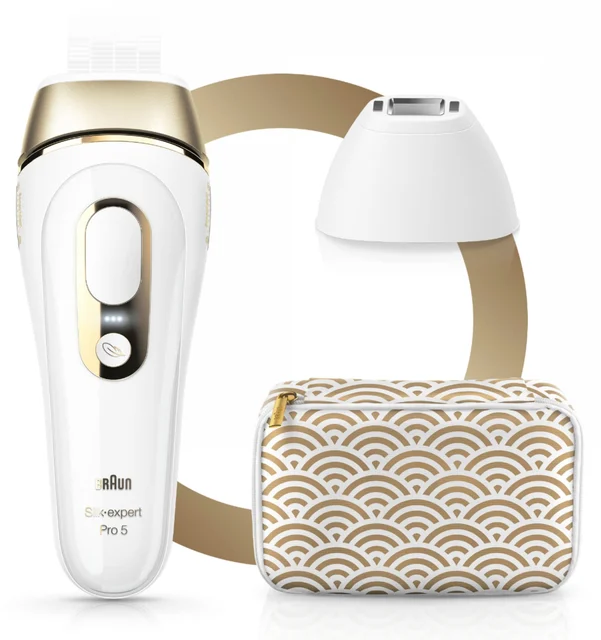 At-Home IPL Hair Removal After reading this you'll know whether IPL can work for your skin and hair, and how to tell a genuinely capable device from marketing gloss.
 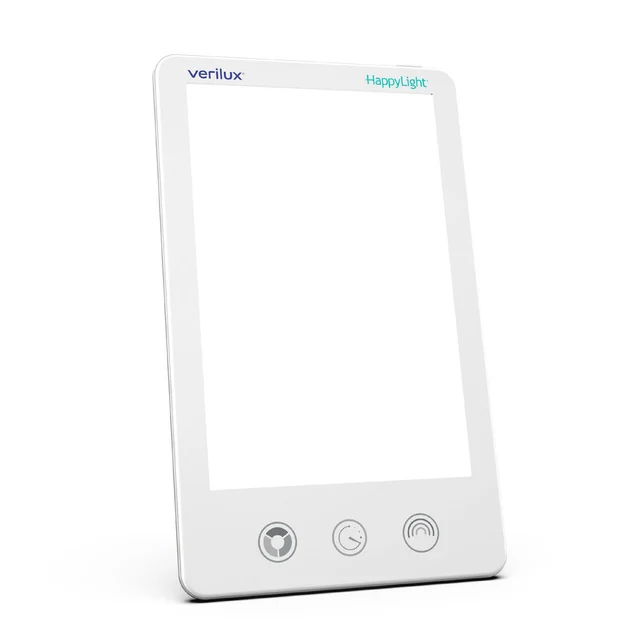 Light Therapy Lamps After reading, you will know why the headline lux number matters far less than the distance and panel size at which a lamp delivers it.
 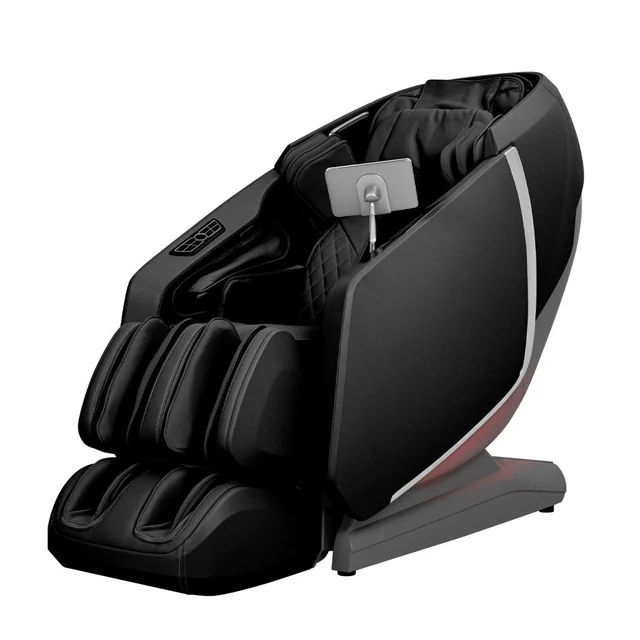 Massage Chairs After reading this, you'll be able to look at any massage chair listing and know whether it delivers real roller massage or an expensive airbag squeeze - and whether it will actually fit your body and your room.
  Massage Guns After reading, you will know which two numbers actually decide how a massage gun feels, and which spec-sheet claims to ignore.
  Mattress Toppers After reading, you'll know exactly which topper material, thickness, and firmness fits your body and bed - and how to see through marketing claims.
  Nebulizers After reading this you will understand how a nebulizer turns liquid medication into a breathable mist, what the specs mean, and how to pick the right type for your situation.