Explained
GPS Running Watches, Explained
After reading this you will understand what every spec on a GPS running watch listing means and which ones actually change how the watch feels on your wrist.
In this guide
A GPS running watch is a small computer you wear for years, and the spec sheets are dense with acronyms that hide what really matters. Most first-time buyers overpay for maps and metrics they never use, or underpay and end up with a screen they cannot read or a GPS track that wanders. This guide decodes the language so you can buy for the running you actually do.
The 30-second version
- Multiband GPS is the real dividing line. It is what keeps your track clean in cities and under trees, and it is now common on mid-range watches.
- Battery and screen trade against each other. A bright AMOLED display looks sharper but drains faster than the older, dimmer panels it replaced, so decide which you care about more.
- Coaching is software, not hardware. Some watches only measure and hand you numbers, while others interpret your training and tell you what to do next; that gap matters more than raw sensor specs.
- Most runners do not need maps on the wrist. Maps were long a flagship feature and are now reaching some mid-range watches, but road runners who follow familiar routes rarely miss them.
- Weight and comfort decide daily use. A watch you forget you are wearing gets worn on every run, so a few grams and a comfortable band matter as much as any feature.
The products this guide is about
Our verdict on each, with the full reasoning on the companion review.
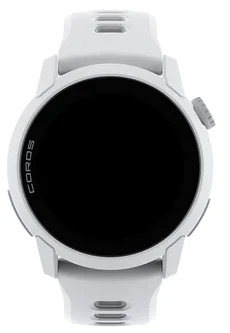
- Buy COROS Pace 4 Dual-frequency GPS and long battery in a light AMOLED watch that undercuts everything comparable. Amazon
- Buy Garmin Forerunner 265 The most complete guided-training watch here, with AMOLED, music, and contactless pay, but modest battery. Amazon
- It depends Garmin Forerunner 970 The flagship with on-watch maps, ECG, and the deepest metrics, at a premium most runners can skip. Amazon
- Skip Polar Pacer Respected Polar training software held back by a dim single-band, memory-in-pixel design. Amazon
What actually matters
- GPS accuracy decides whether your distance, pace, and map are trustworthy; multiband tracking is the single biggest factor here, especially around tall buildings and tree cover.
- Battery endurance determines how often you charge and whether the watch survives a long race on one charge; it matters most for marathoners and ultra runners.
- Display type and legibility affect whether you can read your pace at a glance indoors, at night, and in bright sun, which is easy to overlook until you own the watch.
- Guided training features separate watches that simply log data from those that coach you, suggesting workouts and telling you when to rest or push.
- Comfort and weight govern whether the watch is pleasant on long runs and overnight for sleep tracking, and a light frame with a good band is hard to overvalue.
- Ecosystem extras like offline music, contactless payments, and a mature companion app add convenience but also cost, so weigh whether you will really use them.
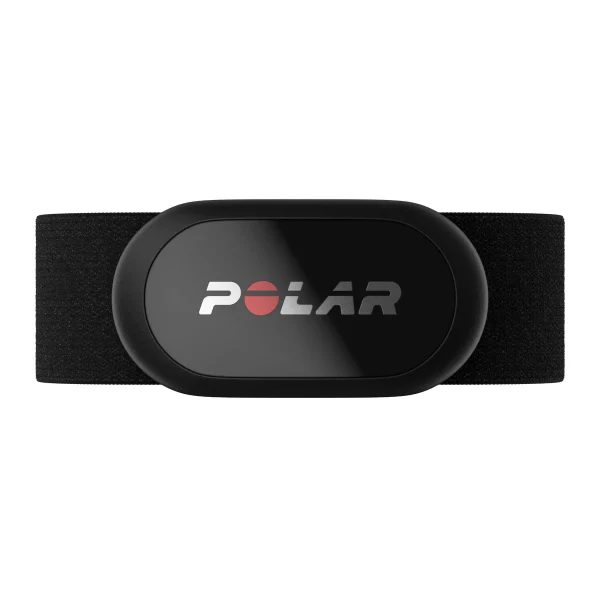
- Sensor suite covers heart rate, blood oxygen, and optional ECG; accuracy varies, and wrist heart rate is convenient but a chest strap remains more reliable for hard efforts.
The specs, in plain English
Green flags vs red flags
Green flags
- Multiband or dual-frequency GPS is listed, so the track will hold up in cities and under tree cover.
- Quoted battery life is given specifically for the most accurate GPS mode, not just an inflated smartwatch figure.
- The watch is light and comes with a comfortable band, which means you will actually wear it on every run.
- The companion app and software are actively updated and get consistent praise in owner reports for accuracy and stability.
- The feature set matches your running: coaching if you want guidance, long battery if you race far, maps only if you explore.
Red flags
- The listing advertises single-band GPS only or stays vague about the positioning technology.
- Battery claims are headline smartwatch numbers with no separate figure for full-accuracy GPS tracking.
- You are paying a flagship price mainly for on-watch maps or deep metrics you will not use.
- Owner reports repeatedly flag wrist heart rate that lags or reads wildly during intervals.
- The model is old stock being cleared out, missing the multiband GPS and brighter screens that are now common.
- The watch pushes a heavy feature stack but the core running data is an afterthought.
Who's who: the brands
- Garmin - The broadest lineup, known for deep guided-training software, mature app ecosystem, and features like offline music and contactless pay.
- COROS - Focused on accurate data, long battery, and light frames, usually undercutting rivals on price while keeping a leaner feature set.
- Polar - A long-standing name respected for recovery and training-load science, though some models pair that software with dated hardware.
- Suunto - Finnish maker with a following among trail and adventure runners for rugged builds and strong outdoor navigation.
- Apple - Its watches double as full smartwatches with strong fitness tracking, best suited to runners already inside the Apple ecosystem who want one device for everything.
How to read a listing without getting fooled
Read a running watch listing from the inside out. Start with the GPS line: if it says multiband or dual-frequency, the core job is covered; if it says single-band or stays silent, treat that as a warning. Next find the battery figure and check that it is quoted for full-accuracy GPS tracking, not the flattering all-day smartwatch number, because those can differ by many hours. Note the screen type, since AMOLED means bright but thirstier and memory-in-pixel means dimmer but longer-lasting. Then separate hardware from software: sensors and screens are physical, but coaching, readiness scores, and suggested workouts are software features that vary a lot between brands and are what you live with daily. Finally, ignore any spec that does not map to how you run; a wall of metrics is not the same as a watch that helps you.
How much should you spend?
You do not need to spend at the top of the range to get an excellent running watch. The value sweet spot sits in the mid tier, where multiband GPS, a bright AMOLED screen, a good heart rate sensor, and solid training software all come together without paying for extras. Spending more is worth it only for specific needs: the deepest map and routing features if you hike or race in unfamiliar terrain, the very longest battery for ultra distances, or a sapphire lens and extra sensors if durability and health features matter to you. Spending less usually means giving up multiband accuracy or accepting a dim, dated screen, which are exactly the compromises you feel most on every run. Match the tier to your running rather than the brochure, and the mid tier serves most people best.
Questions, answered
Do I really need multiband (dual-frequency) GPS?
For most runners, yes, especially if you run in a city or under tree cover. Multiband listens to two satellite frequencies at once, which reduces the wandering and corner-cutting that single-band watches show near tall buildings. On wide-open roads the difference shrinks, but multiband is now common on mid-range watches, so there is little reason to skip it.
Is an AMOLED screen worth it over the older memory-in-pixel type?
It depends on where you run. AMOLED is brighter and far easier to read indoors and at night, which is why most current watches use it. The older memory-in-pixel panels are built for direct sun and use less power, but look dim otherwise. If most of your running is early mornings, evenings, or treadmills, AMOLED is the better call.
How much battery life do I actually need?
For everyday training and races up to a marathon, most modern watches have plenty, since even the shorter-lasting ones cover many hours of GPS. Battery only becomes decisive for ultra runners or anyone who dislikes frequent charging; if that is you, prioritize a model that quotes long endurance in its full-accuracy GPS mode.
What is the difference between a watch that coaches and one that just measures?
A measuring watch records your pace, distance, and heart rate and leaves the interpretation to you. A coaching watch layers software on top, using recovery, sleep, and heart rate variability to suggest workouts, flag when you need rest, and predict race times. If you want to be told how hard to go tomorrow, look for training readiness and suggested-workout features.
Is wrist heart rate accurate enough, or do I need a chest strap?
Wrist heart rate has improved a lot and is fine for easy runs and general tracking. For hard intervals and precise training, a chest strap is still more reliable, because wrist sensors can lag or misread during rapid changes in effort. Most watches let you pair a strap when you want that extra accuracy.
Are the health features like ECG a substitute for seeing a doctor?
No. Features such as wrist ECG and blood-oxygen readings are wellness tools that can prompt you to seek care, but they are general information, not medical advice or a diagnosis. If you have any health concern, consult a qualified professional rather than relying on a watch.
Or jump to the head-to-head: COROS Pace 4 vs Garmin Forerunner 265.