Explained
Beginner Golf Club Sets, Explained
After reading this, you'll understand exactly what goes in a beginner's bag, what the spec-sheet jargon means, and how to pick a set you won't outgrow in a season.
In this guide
A complete box set is the sanest way to start golf: for one price you get a driver, woods, irons, a wedge, a putter and a bag that all match. The trap is that these sets range from genuine name-brand kit that lasts years to thin bundles you'll be replacing within months, and the marketing rarely makes the difference obvious. This guide decodes what actually matters so a total first-timer can shop with confidence.
The 30-second version
- Completeness beats club count. A set with a driver, one or two fairway woods, a hybrid, irons from about 6 through pitching wedge, a sand wedge and a putter covers the whole game - a bundle missing the hybrid or a fairway wood leaves gaps you'll feel fast.
- A real club maker is the single best signal. Sets from established manufacturers use genuinely forgiving heads, hold their resale value, and stay usable for years; generic no-name castings rarely do any of that.
- Flex has to fit your swing. Many box sets ship in one 'regular/firm' flex built for an average male swing, so slower or senior swingers should hunt for a softer or senior option before buying.
- Judge value, not sticker price. The cheapest set is a poor deal if you outgrow it in a season - spending a little more up front often means buying once instead of twice.
The products this guide is about
Our verdict on each, with the full reasoning on the companion review.
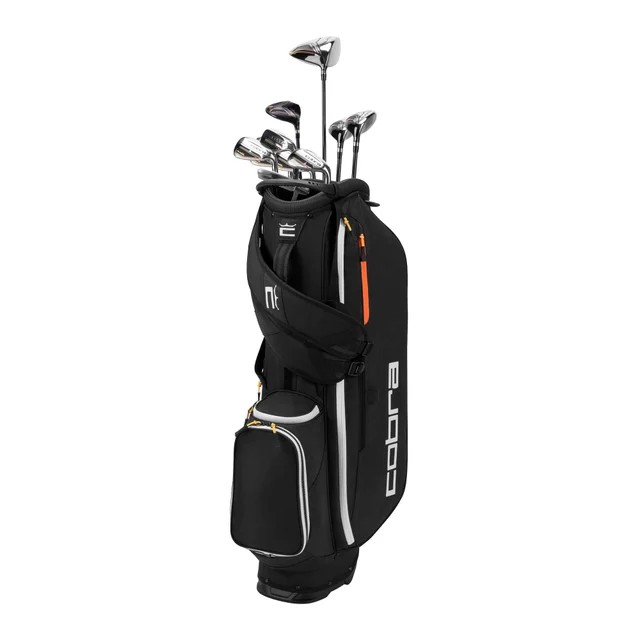
- Buy Cobra Fly-XL Complete Set A real OEM's beginner set - brand-name forgiveness tech and a proper bag that you won't need to replace next season. Amazon
- Buy Tour Edge TE-300 Complete Men's Set The value pick - a legitimate American club maker's 12-piece set that punches well above its price. Amazon
- It depends Founders Club Bomb Men's Complete Set Maximum clubs, bag and headcovers for the money - as long as the stock length fits you.
- Skip Lynx Boom Boom Ready to Play Set A tidy-looking starter bundle that's too thin to grow with - you'll be replacing it within a season.
What actually matters
- Set completeness - the mix of clubs decides whether you can actually play every shot; missing a hybrid or a second fairway wood leaves an awkward distance gap between your woods and your irons.
- Forgiveness - how kind the clubs are to off-center hits; for a beginner this matters more than raw distance because most of your shots won't be struck perfectly.
- Component quality - heads and shafts from a genuine manufacturer feel better, launch the ball more reliably, and last, where generic parts trail on both feel and durability.
- Shaft flex fit - a flex that's too stiff for your swing makes the ball hard to get airborne; getting this roughly right matters more than most beginners expect.
- Bag type - a stand bag suits walkers who carry, a cart bag suits riders; check the weight, because a heavy cart bag is miserable to lug around.
- Room to grow - a set whose woods and irons you'll be happy with for a couple of seasons saves you from piecemeal re-buying within months.
- Value over time - cost judged as durability plus resale, not just the price on the box.
The specs, in plain English
Green flags vs red flags
Green flags
- Made by a recognized club manufacturer rather than an unbranded importer
- A near-full complement of clubs including at least one fairway wood and one or two hybrids
- Offered in more than one flex, or with a senior/softer option for slower swings
- A bag that matches how you play - a stand bag if you walk, a lighter cart bag if you ride
- Owner reports of the set lasting multiple seasons and holding resale value
Red flags
- A no-name brand where the 'value' is really just a high club count for the money
- Only nine or so pieces, with one fairway wood and no hybrid, leaving a big distance gap
- Sold in a single fixed length and flex with no fitting options at all
- Marketing that leans on quantity of clubs and freebies rather than component quality
- A heavy cart bag pushed on someone who plans to walk and carry
Who's who: the brands
- Cobra - A major club maker whose Fly-XL beginner sets come in standard or +1 inch length with regular or lighter flex options.
- Tour Edge - An established American manufacturer whose TE-300 sets use variable face thickness in the driver, woods and hybrid.
- Founders Club - A direct-to-consumer brand that packs a lot of clubs, covers and bag into the box, in steel and graphite flexes including senior, at one stock length.
- Lynx - A budget-friendly brand offering light, tidy-looking starter bundles that tend to be thin on clubs and quick to outgrow.
- Wilson - A long-established maker with a broad line of approachable complete sets aimed at new and improving golfers.
How to read a listing without getting fooled
When you scan a set listing, ignore the headline club count first and look at the actual makeup: does it include a hybrid and at least one fairway wood, and where do the irons start? A set that starts at the 6-iron with a hybrid in the bag will be far easier to play than one padded out with hard-to-hit long irons. Next, find the flex - it's often buried, and 'men's standard' often means a single regular/firm option, which matters if you swing gently. Note who actually makes it: a familiar manufacturer's name is a strong sign of real forgiveness tech and resale value, while a brand you've never heard of that's competing purely on how many clubs and headcovers you get is usually trading feel and longevity for quantity. Finally, check the bag type against how you'll play, and read the fine print on length so you know whether the build fits your height.
How much should you spend?
Think of your budget in tiers rather than exact figures. At the very bottom, ultra-cheap bundles look like a steal but tend to use basic heads in one stock build and get outgrown within a season, so they're a false economy for anyone who'll keep playing. The mid tier is the sweet spot for most beginners: real club-maker quality, a complete set of clubs and a usable bag, without paying for a badge. The premium tier buys genuine name-brand head technology, a nicer bag and components that hold their resale value - worth stretching for if you're confident you'll stick with the game and want to buy once. Spend less if you're only trying golf out casually; spend up a tier if you know you're committed, and put whatever you save toward lessons and range time, which improve your scores faster than any single club upgrade.
Questions, answered
How many clubs should a beginner set include?
Aim for something close to a full complement: a driver, one or two fairway woods, at least one hybrid, irons from roughly 6 through pitching wedge, a sand wedge and a putter. A 12-piece set covers the whole game, whereas a nine-piece bundle with only one fairway wood and no hybrid leaves an awkward gap between your woods and irons that you'll notice quickly.
Do I really need to worry about shaft flex?
Somewhat, yes. Many box sets ship in a single regular or firm flex aimed at an average male swing. If you swing slowly or are a senior, that stiffness can make the ball hard to launch, so it's worth checking whether a softer or senior flex is available before buying. Average and stronger swingers are fine with the standard flex.
Is a complete box set good enough to learn on?
For your first year or two, a good box set is genuinely all you need - it gives you a matched, forgiving driver, woods, hybrid, irons, wedge and putter for far less than buying club by club. Independent testing and owner reports agree that at this stage, practice matters far more than the gap between a quality set and premium individual clubs. Buy pieces individually later, once your swing settles and you know your specs.
Are premium beginner sets worth the extra money?
Often yes, if you'll keep playing. The premium buys genuine manufacturer heads, a better bag and components that hold resale value, so you re-buy less often. The cheapest bundles can look like a bargain but tend to be outgrown within a season - which usually makes a mid-range or premium set the smarter long-term spend.
Can I use a men's set if I'm shorter or a slower swinger?
Standard men's sets are built around an average height and swing speed, so if you're notably shorter, taller, or swing gently, the stock length and flex may not fit perfectly. You can still start with one and adjust grips or have clubs shortened later, but if a proper fit matters to you from day one, favor a brand that offers length or flex options over a single stock build.
Or jump to the head-to-head: Cobra Fly-XL Complete Set vs Tour Edge TE-300 Complete Men's Set.