Explained
Filing Cabinets, Explained
You'll be able to read a filing cabinet's spec sheet and know exactly what size, drawer mechanism, and security level you actually need.
In this guide
Filing cabinets all look like variations on the same steel box, but the details decide whether one holds up to daily use or falls apart in a year. Most buyers get tripped up by the same few things: folder size, how the drawers are built, what a fire rating really promises, and which cabinet format actually fits their room.
The 30-second version
- Folder size is non-negotiable. a legal-only folder will never fit a letter-width drawer, so confirm the width before you buy, not after.
- Drawer mechanism predicts lifespan. full-suspension, ball-bearing slides outlast friction slides by years, especially once a drawer is packed with hanging folders.
- "Fireproof" is a spectrum, not a switch. a real rating names a time and a temperature; a label that just says "fire resistant" with no numbers is marketing, not protection.
- Format follows room, not looks. a mobile pedestal, a vertical file, and a lateral cabinet solve different space problems, so pick by footprint and workflow first.
- A lock is a deterrent, not a safe. keyed and keypad locks keep casual snooping out, but they do nothing against fire, water, or a determined thief.
The products this guide is about
Our verdict on each, with the full reasoning on the companion review.
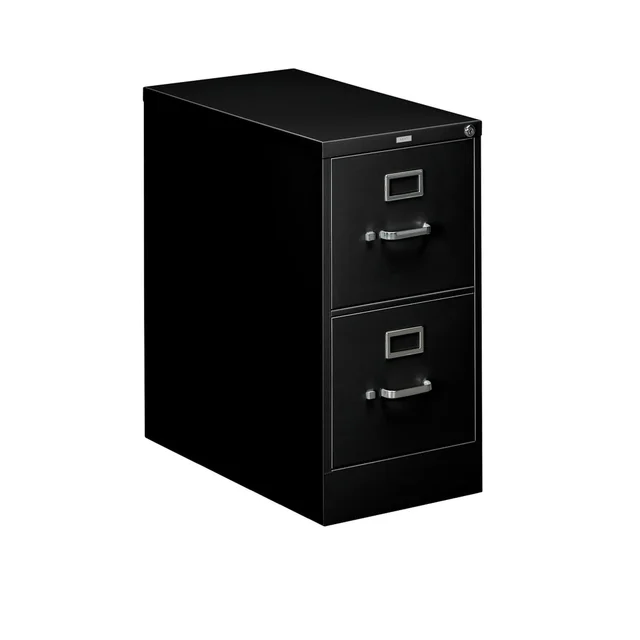
- Buy HON 310 Series 2-Drawer Vertical File The commercial-grade workhorse that outlasts everything else in this roundup.
- Buy DEVAISE 3-Drawer Mobile File Cabinet A pre-assembled rolling pedestal that tucks under almost any desk.
- It depends Bisley 2-Drawer Steel Home File Cabinet Style-forward welded steel that costs a lot for two letter-size drawers.
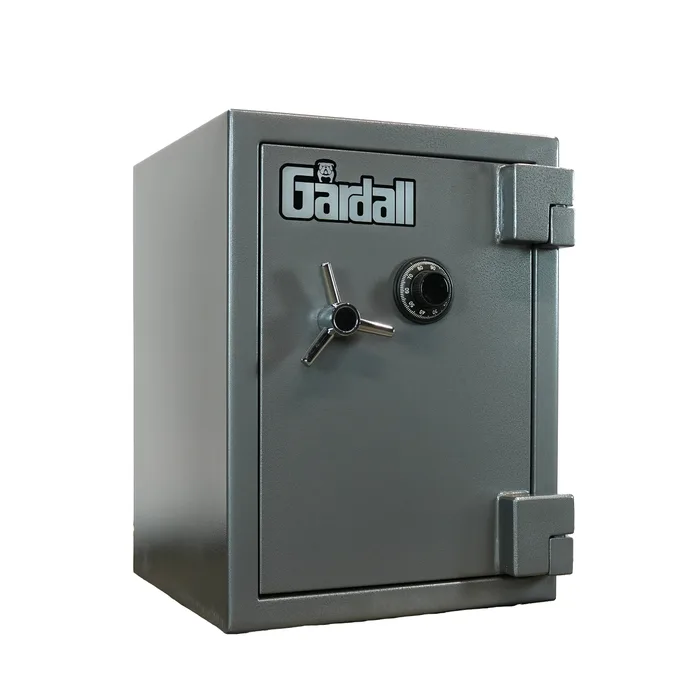
- Skip SentrySafe Fire/Water File (FHW40200) A fireproof chest marketed as a file cabinet, but it's neither convenient nor spacious.
What actually matters
- Letter vs legal width determines which folders physically fit; measure your actual paperwork before assuming.
- Drawer suspension (full-extension, ball-bearing rails vs basic friction slides) is the single biggest factor in how long a cabinet stays smooth under load.
- Load rating per drawer tells you how much packed paper the rails and cabinet frame can take before they sag or jam.
- Fire and water rating (a real UL time/temperature number vs a vague claim) decides whether a "fireproof" cabinet actually protects documents in a house fire.
- Cabinet format (mobile pedestal, vertical file, or lateral file) dictates how much floor space, wall width, and clearance you need.
- Steel gauge and construction (welded steel vs flat-pack panels) affects how much the cabinet flexes, rattles, or tips over time.
- Lock type and coverage (single-drawer lock vs one core locking every drawer) sets the real security level, separate from the fire rating.
The specs, in plain English
Green flags vs red flags
Green flags
- Drawers are specified as full-extension or full-suspension with ball bearings, not just "smooth-glide"
- A stated load rating per drawer, in pounds, rather than no weight spec at all
- A fire rating that lists both a time and a temperature, ideally from an independent lab
- Welded steel construction called out explicitly, not just "steel"
- A lock that covers every drawer from one core, with spare keys included
- Clear letter vs legal width listed in the product's actual dimensions, not just the category name
Red flags
- "Fireproof" with no time or temperature number anywhere in the listing
- No load rating or weight capacity mentioned for the drawers
- Product photos show only an empty cabinet, never one loaded with folders
- Dimensions listed only in inches with no mention of letter or legal compatibility
- "Heavy-duty steel" as the only construction detail, with no gauge or seam type given
- A single lock cylinder marketed as securing the whole unit when only one drawer is described as lockable
Who's who: the brands
- HON - A long-running commercial office furniture maker known for welded steel construction and cabinets built to outlast a career, often backed by long or lifetime warranties.
- DEVAISE - A budget-to-mid-range home office brand known for mobile pedestals and rolling cabinets that arrive mostly pre-assembled for quick setup.
- Bisley - A design-forward steel storage brand known for compact, welded cabinets in a wide range of colors, aimed at buyers who care how the piece looks in a room.
- SentrySafe - A safe and security-storage brand best known for fire- and water-rated document chests and safes rather than everyday filing cabinets.
How to read a listing without getting fooled
When you're scanning a listing, look past the headline words like "fireproof" or "heavy-duty" and hunt for the numbers underneath them: a load rating in pounds, a fire rating with a time and temperature, a stated letter or legal width, and a steel gauge or "welded" callout. If a spec sheet only offers adjectives and outer dimensions, treat that as a gap, not a reassurance. Photos help too: a listing that shows the cabinet fully loaded with hanging folders, drawer extended all the way, tells you more about real-world capacity than ten empty product shots ever will.
How much should you spend?
Price mostly tracks two things: how the drawers are built and how much steel went into the frame. Cabinets with full-suspension, ball-bearing drawers and welded steel bodies cost more up front but rarely need replacing, which makes them the better long-term value for anyone filing paper daily. Lighter, pre-assembled cabinets cost less and are a reasonable trade for occasional use or a mobile home-office setup, as long as you don't overload the drawers. Fire- and water-rated chests are priced for the protection they add to a small amount of critical paper, not for everyday storage capacity, so comparing their cost to a full-size cabinet on a per-drawer basis misses the point of what you're buying. Spending more only pays off if your actual filing volume and daily use justify the extra durability.
Questions, answered
What's the real difference between letter and legal size?
Letter folders measure 8.5 by 11 inches; legal folders are 8.5 by 14 inches, about three inches wider. A legal folder physically will not sit flat in a letter-only drawer, so always confirm the drawer's interior width, not just the cabinet's overall size, before you buy.
How do I know if a fire rating is real?
A genuine rating states a specific time, such as 30 or 60 minutes, and a maximum interior temperature reached during independent lab testing, often noted with a certification mark. If a listing just says "fireproof" or "fire resistant" with no numbers attached, treat it as unverified marketing language rather than a tested protection level.
Should I get a mobile pedestal, a vertical file, or a lateral file?
Choose based on your space and habits, not looks. A mobile pedestal suits a home desk where you want it to roll and disappear underneath. A vertical file suits a room with floor depth to spare and heavy daily filing. A lateral file suits a wider, shallower space where you want to scan folders side-to-side without pulling a drawer all the way out.
How much weight can a filing drawer actually hold?
It depends entirely on the rails and steel gauge, which is why a stated load rating matters more than the cabinet's overall size. A commercial-grade drawer on full-suspension rails can carry a fully packed load of hanging folders without sagging; a thin, friction-slide drawer can start to flex or stick well before it's full.
Does a locking filing cabinet protect documents from fire or theft?
A lock only deters casual access; it does nothing against fire, flooding, or a determined break-in. If you're storing something irreplaceable, a lock is a starting point, not a substitute for a genuinely fire- and water-rated safe or an off-site backup of the document.
Is a heavier cabinet always the better buy?
Not automatically, but weight is a reasonable proxy for steel gauge and welded construction, which do correlate with durability. Still, check the actual specs: a heavy cabinet with a vague warranty and no stated load rating isn't necessarily better built than a lighter one from a maker that publishes real numbers.
Or jump to the head-to-head: HON 310 Series 2-Drawer Vertical File vs DEVAISE 3-Drawer Mobile File Cabinet.