

Tools & DIY
The Best Wet/Dry Shop Vacuums for Garages: 4 Compared (and One to Skip)
We compared four current wet/dry shop vacuums on suction, filtration, capacity, noise and build for real garage and workshop cleanup.
The short version
For a garage or workshop, buy the RIDGID 14 Gallon NXT: it balances suction, fine-dust filtration, build quality and a strong warranty better than anything else here. The CRAFTSMAN 16-gallon is a close, cheaper runner-up if you want a bigger tank and don't mind extra noise. The DEWALT DCV580H is a fine grab-and-go 2-gallon, but only for people already invested in 20V MAX batteries, never as a primary vac. Skip the Shop-Vac 16-gallon; the name is iconic but the current unit is out-cleaned by both corded rivals at similar money. Best for: homeowners and DIYers who want one dependable corded shop vac that handles sawdust, drywall dust and wet spills for years.
Our picks at a glance
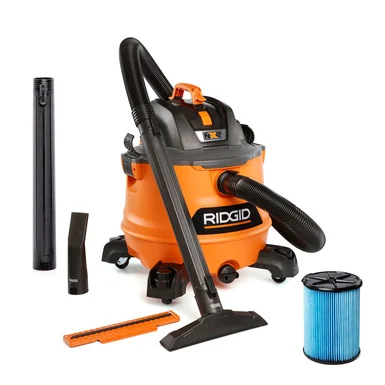
- RIDGID 14 Gallon 6.0 Peak HP NXT Wet/Dry Vac - Buy. The all-rounder that gets suction, filtration, durability and warranty right without overcharging.
- CRAFTSMAN 16 Gallon 6.5 Peak HP Corded Wet/Dry Shop Vac - Buy. A big, widely available tank that undercuts the top pick on capacity and price.
- DEWALT 2 Gallon 20V MAX Cordless Wet-Dry Vacuum (DCV580H) - It depends. A grab-and-go 2-gallon that shines only if you already live in the 20V MAX battery world.
- Shop-Vac 16 Gallon 6.5 Peak HP SVX2 Wet/Dry Vac - Skip. A famous name coasting on nostalgia while newer rivals out-clean it for similar money.
The verdict in 30 seconds
What mattered most
- Suction & airflow
- Tank capacity
- Fine-dust filtration
- Hose & accessories
- Build & durability
- Noise level
A garage shop vac has to swallow sawdust, drywall grit, nuts and bolts, and the occasional flooded floor without clogging or dying. We looked at four vacuums people actually buy in 2026: two corded workhorses worth the money, one small cordless-capable unit that only makes sense for the right owner, and one big-name tank we think most people should walk past. Peak-horsepower and gallon numbers on the box mostly reflect marketing, so we weighed sealed suction, airflow, filtration and how the machines hold up in daily use instead.
The all-rounder that gets suction, filtration, durability and warranty right without overcharging.
Best for: Anyone who wants one do-everything garage vac and plans to keep it for years.
- Strong, steady airflow that owners say holds up as the drum fills
- Wide 2-1/2 in. locking hose clears bolts, wood scraps and drywall chunks without jamming
- Fine-dust filter and optional upgrade filtration handle sanding dust better than most rivals
- Rugged drum, sturdy casters and a well-regarded lifetime service agreement with registration
- Not the biggest tank here, so heavy wet pickup means more trips to empty
- Onboard tool storage is only average
Own the RIDGID 14 Gallon 6.0 Peak HP NXT Wet/Dry Vac? Tell us how it held up.
Thanks. Counted, and shown once enough owners have weighed in.
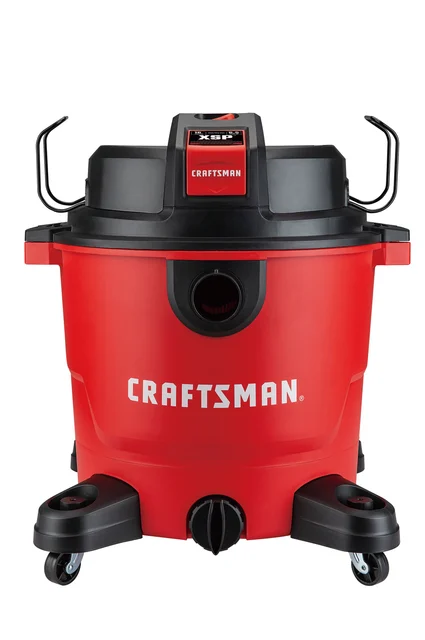
A big, widely available tank that undercuts the top pick on capacity and price.
Best for: Shoppers who want maximum capacity and easy parts availability at a fair price.
- Larger 16-gallon drum means fewer stops during big wet or dry jobs
- 2-1/2 in. hose and a full accessory kit included in the box
- Sold nearly everywhere, so filters and parts are easy to find
- Strong pickup that owners rate as competitive with pricier vacs
- Owners describe it as louder than the top pick under load
- Fine-dust control is best with a filter upgrade or dust bags
Own the CRAFTSMAN 16 Gallon 6.5 Peak HP Corded Wet/Dry Shop Vac? Tell us how it held up.
Thanks. Counted, and shown once enough owners have weighed in.
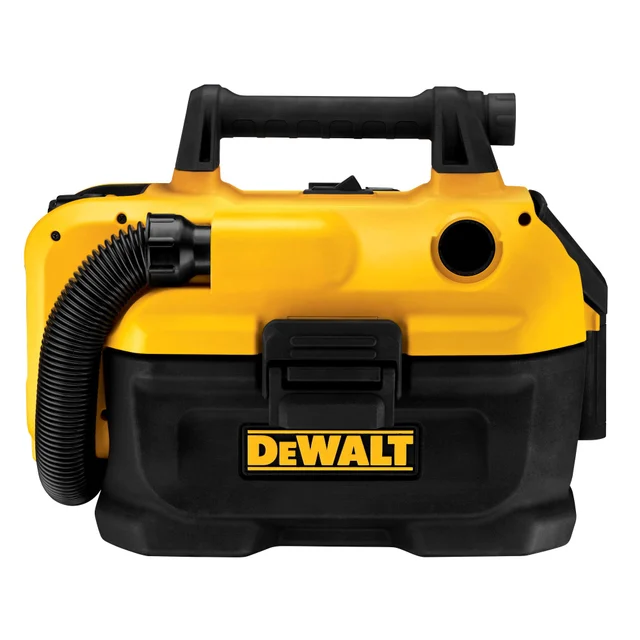
A grab-and-go 2-gallon that shines only if you already live in the 20V MAX battery world.
Best for: DEWALT battery owners who want a portable spill-and-tool vac, not a whole-garage cleaner.
- Runs off a 20V MAX battery (sold separately), so it goes wherever you do
- Compact and genuinely portable for a car, boat or jobsite
- Washable, reusable filter, which DEWALT lists as HEPA rated
- Handy for quick spills and cleaning up after a single tool
- Just 2 gallons, far too small as a primary garage vac
- Runtime depends on the battery you pair with it, and the price is steep for the capacity
- Value only works out if you already own DEWALT 20V batteries
Amazon had no buyable listing for this when we last checked. The link still works if it returns.
Find it on Amazon Read our detailed assessmentOwn the DEWALT 2 Gallon 20V MAX Cordless Wet-Dry Vacuum (DCV580H)? Tell us how it held up.
Thanks. Counted, and shown once enough owners have weighed in.
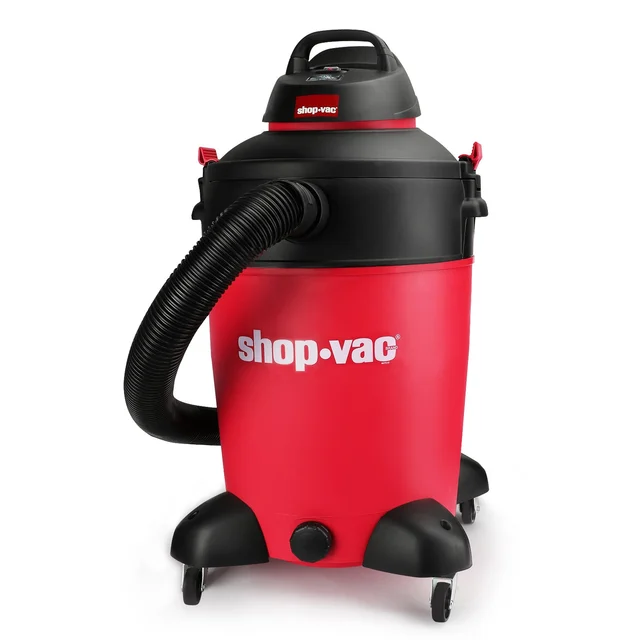
A famous name coasting on nostalgia while newer rivals out-clean it for similar money.
Best for: Almost no one at this price; the corded RIDGID or CRAFTSMAN is the smarter buy.
- Familiar brand with a low entry price
- Big 16-gallon tank on paper
- Owners report real-world suction that trails the horsepower claims
- Basic foam-and-cartridge filtration clogs and passes fine dust
- Owners describe it as louder and lighter-feeling than the RIDGID and CRAFTSMAN tanks
Own the Shop-Vac 16 Gallon 6.5 Peak HP SVX2 Wet/Dry Vac? Tell us how it held up.
Thanks. Counted, and shown once enough owners have weighed in.
| Criteria | RIDGID 14 Gallon 6.0 Peak HP NXT Wet/Dry Vac Top pick Buy it Buy | CRAFTSMAN 16 Gallon 6.5 Peak HP Corded Wet/Dry Shop Vac Buy it Buy | DEWALT 2 Gallon 20V MAX Cordless Wet-Dry Vacuum (DCV580H) It depends | Shop-Vac 16 Gallon 6.5 Peak HP SVX2 Wet/Dry Vac Skip it Buy |
|---|---|---|---|---|
| Best for | Anyone who wants one do-everything garage vac and plans to keep it for years. | Shoppers who want maximum capacity and easy parts availability at a fair price. | DEWALT battery owners who want a portable spill-and-tool vac, not a whole-garage cleaner. | Almost no one at this price; the corded RIDGID or CRAFTSMAN is the smarter buy. |
| Price tier | $$ · mid-range | $$ · mid-range | $$$ · premium | $ · budget |
| Suction & airflow | Strong and consistent | Strong | Moderate (good for its size) | Rated high, weaker in real use |
| Tank capacity | 14 gallons | 16 gallons | 2 gallons | 16 gallons |
| Fine-dust filtration | Very good; HEPA-grade upgrade available | Good; better with a filter upgrade | Washable HEPA rated filter | Basic; clogs and leaks fine dust |
| Hose & accessories | 2-1/2 in. locking hose, generous kit | 2-1/2 in. hose, full kit | 5 ft x 1-1/4 in. hose, crevice and wide nozzle tools | Standard hose, basic kit |
| Build & durability | Rugged drum and casters | Solid, everyday-tough | Compact, portable | Lighter, flexier feel |
| Noise level | Moderate | Loud under load | Low to moderate | Loud |
| Power & portability | Corded, rolling drum | Corded, rolling drum | Cordless 20V, battery sold separately | Corded, rolling drum |
| Price tier | $$ · mid-range | $$ · mid-range | $$$ · premium | $ · budget |
Which one is right for you?
- Anyone who wants one do-everything garage vac and plans to keep it for years. Buy it RIDGID 14 Gallon 6.0 Peak HP NXT Wet/Dry Vac
- Shoppers who want maximum capacity and easy parts availability at a fair price. Buy it CRAFTSMAN 16 Gallon 6.5 Peak HP Corded Wet/Dry Shop Vac
- DEWALT battery owners who want a portable spill-and-tool vac, not a whole-garage cleaner. It depends DEWALT 2 Gallon 20V MAX Cordless Wet-Dry Vacuum (DCV580H)
- Almost no one at this price; the corded RIDGID or CRAFTSMAN is the smarter buy. Skip it Shop-Vac 16 Gallon 6.5 Peak HP SVX2 Wet/Dry Vac
How we judged the field
We don’t run our own lab. Instead we synthesize independent testing, expert teardowns and a wide read of owner reports to judge how these vacuums actually behave in a garage, not on a spec sheet. The headline numbers manufacturers love, peak horsepower and total gallons, are close to meaningless: peak HP is a lab-condition maximum, and usable capacity is always less than the drum’s stated size. So we weighted the things that decide whether you’re happy a year in.
That means airflow and sealed suction (how hard the vac pulls, and whether it keeps pulling as the drum fills), filtration (especially for fine sanding and drywall dust, where cheap filters clog or leak), hose and inlet size (a wider 2-1/2 in. hose swallows bolts and wood scraps that jam a narrow one), build quality (drum, casters, latches and how tip-prone it is), noise, and how the vac is powered. Then we set that against price tier, because a garage vac only earns a recommendation if it’s worth what it costs.
RIDGID 14 Gallon 6.0 Peak HP NXT Wet/Dry Vac
Buy itThis is the vac we’d hand a friend setting up a garage. Reviewers and owners consistently describe strong, steady suction that doesn’t fall off a cliff as the drum fills, and the wide 2-1/2 in. locking hose clears the nuts, bolts and offcuts that clog narrower machines. Filtration is a real strength: the standard fine-dust filter holds back more sanding dust than most rivals, and there’s a genuine upgrade path for finer work. The drum and casters feel built to take abuse, and the brand’s lifetime service agreement (with registration) is the kind of backing few competitors match. It isn’t the biggest tank in this group, so heavy wet pickup means more trips to the drain, but as an everything vac it’s hard to fault.
CRAFTSMAN 16 Gallon 6.5 Peak HP Corded Wet/Dry Shop Vac
Buy itThe CRAFTSMAN is the value play. You get a bigger 16-gallon drum, a 2-1/2 in. hose and a full accessory kit in the box, usually for less than the RIDGID. Owner reports rate its pickup as competitive with pricier vacs, and because CRAFTSMAN is stocked almost everywhere, replacement filters and parts are easy to find, no small thing over years of ownership. The trade-offs are honest ones: it’s noticeably louder under load, and the stock filter lets finer dust through unless you upgrade it. If you care more about capacity and easy parts than about the last bit of refinement, this is a smart buy.
DEWALT 2 Gallon 20V MAX Cordless Wet-Dry Vacuum
It dependsThis one is easy to misjudge. As a 2-gallon that runs off a 20V MAX battery (sold separately), it’s genuinely useful, but only as a portable second vac. It’s compact and a good fit for a car, a boat, a quick spill or cleaning up after a single tool, and if you already own DEWALT batteries it drops into your kit with no fuss. But 2 gallons is far too little for whole-garage cleanup, runtime depends on your battery, and it’s expensive for the capacity. Owners who buy it expecting a primary shop vac are disappointed; owners who buy it as a grab-and-go complement to a big corded vac love it. Whether it’s a buy comes down entirely to which of those you are.
Shop-Vac 16 Gallon 6.5 Peak HP SVX2 Wet/Dry Vac
Skip itShop-Vac is the name that became the category, and that history is doing a lot of the selling here. On paper it’s a big 16-gallon tank at a low price. In practice, owner reports repeatedly note suction that trails the horsepower claims, basic foam-and-cartridge filtration that clogs and passes fine dust, and a louder, lighter-feeling machine than the RIDGID or CRAFTSMAN tanks. None of that would matter if it were dramatically cheaper, but at similar money the corded RIDGID and CRAFTSMAN simply clean better and feel more durable. For a garage or workshop, we’d pass.
Sources
Specs in this review come from these pages.
- RIDGID, 14 Gallon 6.0 Peak HP NXT Wet Dry Vac HD1400 product page (ridgid.com)
- CRAFTSMAN, 6.5 Peak HP Heavy-Duty Wet/Dry Vac 16 Gal (CMXEVBE17595) product page (craftsman.com)
- DEWALT, DCV580H 20V MAX Cordless Wet-Dry Vacuum product page (dewalt.com)
- Shop-Vac, 16 Gallon 6.5 Peak HP SVX2 Wet/Dry Vac product page (shopvac.com)
RIDGID 14 Gallon 6.0 Peak HP NXT vs CRAFTSMAN 16 Gallon 6.5 Peak HP: which should you buy?
These two are the real decision for most people, and you won’t be unhappy either way. The RIDGID wins on the things you notice every session: cleaner fine-dust filtration, slightly quieter operation, a drum and casters that feel a notch more solid, and a lifetime service agreement with registration. The CRAFTSMAN answers with two gallons more capacity, a lower price, and the reassurance that filters and parts are on the shelf at almost any store.
Choose the RIDGID if you do a lot of sanding or drywall work, want the quietest and most refined of the two, and plan to keep the vac for the long haul. Choose the CRAFTSMAN if raw capacity and a lower price matter more than a few decibels and the last bit of dust control. Our pick is the RIDGID, because filtration and durability are what separate a vac you tolerate from one you trust, but the CRAFTSMAN is a genuinely close second.
What to look for
- Airflow and sealed suction over ‘peak HP.’ The box numbers are marketing; how hard the vac pulls, and whether it keeps pulling as the drum fills, is what matters.
- A wide hose and inlet. A 2-1/2 in. hose swallows bolts, offcuts and shavings that jam a 1-1/4 in. hose.
- Real fine-dust filtration. If you sand or cut drywall, budget for a fine-dust or HEPA-grade filter and a collection bag, or the dust blows right back out.
- Capacity that matches your jobs. 12-16 gallons suits most garages; go smaller only for a portable second vac.
- Build and stability. Look at drum thickness, caster quality and how tip-prone the unit is when you drag the hose.
- Noise and power. Corded gives unlimited runtime and stronger suction; cordless is for portability, not whole-garage cleanup.
Our final take
Buy the RIDGID 14 Gallon NXT. It’s the most complete garage vac here, strong suction, better fine-dust control, a tough build and a warranty that has your back, at a fair mid-range price. If you’d rather have more capacity for less money and can live with extra noise, the CRAFTSMAN 16-gallon is a close, sensible runner-up. Reach for the DEWALT DCV580H only as a portable companion vac and only if you already own 20V MAX batteries. And despite the famous name, skip the Shop-Vac 16-gallon; both corded rivals out-clean it for similar money. Get the filtration right for your kind of dust and any of the two corded picks will serve a workshop for years.
Questions, answered
What size shop vac do I need for a garage?
For most garages and home workshops, a 12-to-16-gallon corded vac is the sweet spot: big enough to clean the whole floor or a flooded spill without emptying constantly, but still easy to roll and store. Smaller 2-to-6-gallon units are better as portable second vacs. If you rarely do big wet cleanup, even a 12-gallon is plenty.
Are the 'peak HP' and gallon numbers on the box reliable?
Not really. Peak horsepower is a lab-condition maximum figure, and usable gallon capacity is always less than the drum's total volume because you leave room for airflow and filters. Independent testing and owner reports consistently show these headline numbers don't predict real cleaning power. Airflow (CFM) and sealed suction (water lift) tell you far more, and how a vac performs as the drum fills matters most.
Can I vacuum water and fine sawdust with the same shop vac?
Yes, that is exactly what a wet/dry vac is for, but you swap setups. Use a cartridge or fine-dust filter for dry debris and remove or switch to a foam sleeve for wet pickup. For fine sanding or drywall dust, add a fine-dust or HEPA-grade filter and, ideally, a collection bag, or the dust blows straight back into the room. Always empty and dry the drum before switching between wet and dry.
Corded or cordless for a garage shop vac?
Corded is the right call for a primary garage vac: unlimited runtime and stronger, steadier suction for big jobs. Cordless units like the DEWALT are great as a portable second vac for cars, quick spills and cleaning up after one tool, especially if you already own the matching batteries, but their small tanks and limited runtime make them a poor only-vac.
How do I keep suction strong over time?
Clean or tap out the filter regularly, replace it when it stays gray after cleaning, and don't overfill the drum. Check the hose and inlet for clogs from wood scraps or shavings, and use a collection bag for fine dust so the filter lasts longer. A dedicated fine-dust or HEPA filter keeps airflow up when you're doing a lot of sanding.
Deciding between the top two? See our head-to-head: RIDGID 14 Gallon 6.0 Peak HP NXT Wet/Dry Vac vs CRAFTSMAN 16 Gallon 6.5 Peak HP Corded Wet/Dry Shop Vac.
More in Tools & DIY
Wet/Dry Shop Vacuums, Explained Plain-English guide → RIDGID 14 Gallon 6.0 Peak HP NXT Wet/Dry Vac vs CRAFTSMAN 16 Gallon 6.5 Peak HP Corded Wet/Dry Shop Vac Head-to-head →  The Best Wire Strippers: 4 Compared (and One to Skip)
  The Best Wood Chisel Sets: 4 Compared for Fine Joinery
  The Best Wood Routers: 4 Compared (and One to Skip)
  The Best Work Gloves: 4 Compared (and One to Skip)