

Automotive
The Best Tire Shine and Tire Dressings: 4 Compared (and One to Skip)
We compared four current tire dressings on finish, sling resistance, durability between washes, and how they treat sidewalls long term.
The short version
Water based versus solvent based is the real decision in this category, not brand. Water based dressings dry down, stay off your paint, and need refreshing every wash or two. Solvent gels deliver the wet gloss and last longer, but the thicker film has to be applied thin and given time to set. P&S Dressed Tire Finish wins on cleanliness and finish control, Chemical Guys VRP wins on value and versatility, and Meguiar's Endurance Tire Gel is the gloss pick if you apply it carefully and not every week. Armor All Tire Foam is the one to skip, because the no-wipe convenience it sells is the same thing that causes sling and overspray. Best for: anyone who wants dressed tires without spending Sunday afternoon cleaning flung product off the rear quarter panels.
Our picks at a glance
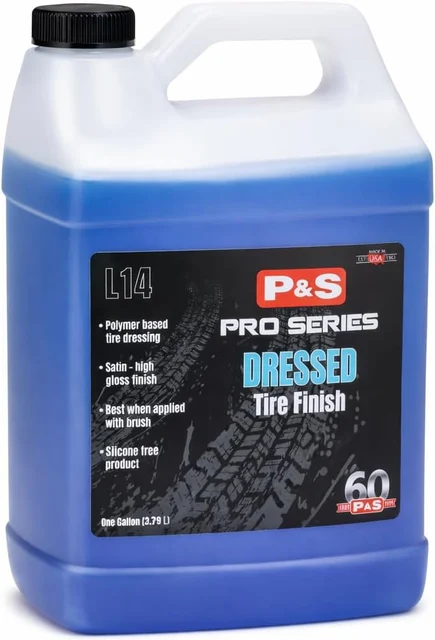
- P&S Professional Detail Products Dressed Tire Finish - Buy. A water based polymer dressing, made as an alternative to silicone dressings, that owners layer from satin toward gloss with very little sling.
- Chemical Guys VRP Vinyl, Rubber, Plastic Protectant - Buy. The sensible default: a dry-to-the-touch protectant that dresses tires, trim, and interior plastics from one bottle.
- Meguiar's Endurance Tire Gel - It depends. The gloss benchmark, and a thick gel that rewards a thin careful coat and punishes a generous one.
- Armor All Tire Foam Protectant - Skip. The touchless aerosol whose main selling point, no wiping, is exactly what causes the sling and overspray owners complain about.
The verdict in 30 seconds
What mattered most
- Carrier type
- Finish
- Sling risk
- Application
- Longevity between washes
- Also dresses trim and plastics
Tire dressing looks like a commodity aisle, but there is one decision underneath it: water based or solvent based. Water based products dry down, stay clean, and need refreshing more often. Solvent based products deliver the wet gloss and last longer, at the cost of a thicker film that has to be applied with care. We looked at four products you can buy right now, and the differences between them come down to carrier chemistry and how much control the applicator gives you.
A water based polymer dressing, made as an alternative to silicone dressings, that owners layer from satin toward gloss with very little sling.
Best for: Detail-minded owners who wash regularly and want to choose their own level of gloss rather than accept the one baked into a bottle.
- Owners report the finish builds from satin toward gloss with extra coats
- Water based polymer formula rather than silicone, so it does not build a greasy film on the sidewall
- Owners consistently describe it as a very low sling dressing
- Cost per application is low because it comes in gallon sizes
- Sold in gallon and 5 gallon sizes, so the initial buy-in is larger than a small retail bottle
- The maker calls for a brush or spray bottle, and it rewards brushing rather than a spray and walk approach
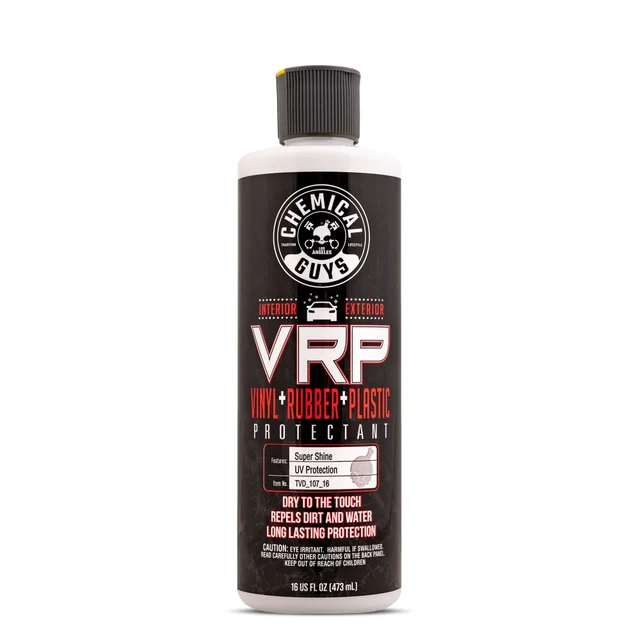
The sensible default: a dry-to-the-touch protectant that dresses tires, trim, and interior plastics from one bottle.
Best for: Weekly washers who want one bottle for tires and trim and would rather have a clean factory look than a glossy one.
- Dries to the touch, so sling is close to a non-issue
- Works on tires, bumpers, exterior trim, and interior plastics and vinyl
- Understated satin finish that builds toward gloss with extra passes
- Inexpensive and widely stocked
- Needs refreshing every wash or two, and rain shortens that further
- Too subtle if you want an obvious wet-look shine
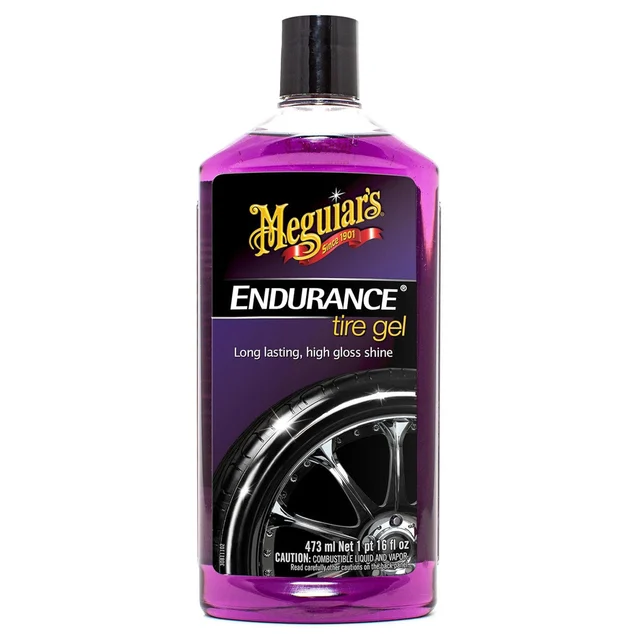
The gloss benchmark, and a thick gel that rewards a thin careful coat and punishes a generous one.
Best for: Owners who want maximum gloss for a show, a sale, or an occasional weekend detail rather than a weekly routine.
- Deepest wet black look of anything here
- Lasts noticeably longer between washes than the water based options
- Inexpensive and available almost everywhere
- Thick gel stays where you put it during application
- Thick body makes over-application easy, which is where sling comes from, even though the maker claims virtually no sling
- Owners often link repeated long term use of solvent gels to dried out or discoloured sidewalls
- Needs a foam applicator and dwell time before driving, so it is not a quick job
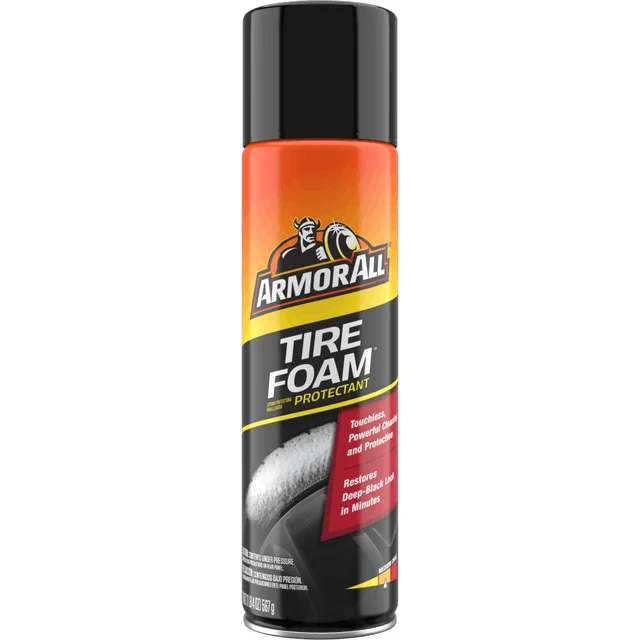
The touchless aerosol whose main selling point, no wiping, is exactly what causes the sling and overspray owners complain about.
Best for: A quick lift on a work truck or a rental return where nothing nearby needs protecting.
- Fast and requires no applicator
- Cheap and stocked in every parts store and supermarket
- Lifts light surface grime while it dresses
- No wipe step means nothing controls how much product stays on the sidewall
- Aerosol delivery oversprays onto wheel faces and brake components
- Owners regularly report sling on the first drive and a blotchy, uneven finish
- Short lived compared with the hand applied products here
| Criteria | P&S Professional Detail Products Dressed Tire Finish Top pick | Chemical Guys VRP Vinyl, Rubber, Plastic Protectant | Meguiar's Endurance Tire Gel | Armor All Tire Foam Protectant |
|---|---|---|---|---|
| Verdict | Buy it | Buy it | It depends | Skip it |
| Best for | Detail-minded owners who wash regularly and want to choose their own level of gloss rather than accept the one baked into a bottle. | Weekly washers who want one bottle for tires and trim and would rather have a clean factory look than a glossy one. | Owners who want maximum gloss for a show, a sale, or an occasional weekend detail rather than a weekly routine. | A quick lift on a work truck or a rental return where nothing nearby needs protecting. |
| Price tier | $ · mid-range | $ · budget | $ · budget | $ · budget |
| Carrier type | Water based polymer, not silicone | Creamy dry-to-touch formula | Thick gel | Aerosol foam |
| Finish | Satin to high gloss, adjustable | Low satin, builds with extra passes | Deep wet gloss | Glossy but uneven |
| Sling risk | Very low with brush application | Very low, dries to touch | Moderate, high if over-applied | High, no wipe step to control it |
| Application | Brush or spray bottle | Spray and wipe | Foam applicator by hand | Aerosol spray, no wipe |
| Longevity between washes | Moderate | Short, refresh every wash or two | Long, maker says weeks | Short |
| Also dresses trim and plastics | No, maker says tire dressing only | Yes, including interior plastics | Tires | Tires only |
| Overspray on wheels and brakes | None, applied directly | Minimal, controllable spray | None, applied directly | Common |
| Price tier | $ · mid-range | $ · budget | $ · budget | $ · budget |
Which one is right for you?
- Detail-minded owners who wash regularly and want to choose their own level of gloss rather than accept the one baked into a bottle. Buy it P&S Professional Detail Products Dressed Tire Finish
- Weekly washers who want one bottle for tires and trim and would rather have a clean factory look than a glossy one. Buy it Chemical Guys VRP Vinyl, Rubber, Plastic Protectant
- Owners who want maximum gloss for a show, a sale, or an occasional weekend detail rather than a weekly routine. It depends Meguiar's Endurance Tire Gel
- A quick lift on a work truck or a rental return where nothing nearby needs protecting. Skip it Armor All Tire Foam Protectant
How we judged the field
We do not run a tire lab. We synthesize independent testing, professional detailer walkthroughs, and the pattern that builds up across thousands of owner reports, then weight the things that decide whether a bottle stays in your cabinet: how the finish looks after a day rather than after a minute, how much product ends up on your paint, how many washes it survives, and how forgiving it is when you apply it in a hurry.
Four things did most of the sorting.
Carrier chemistry. Almost every dressing sits in one of two camps. Water based products suspend polymers or silicone emulsions in water, flash off to a dry touch, and settle into a satin or semi gloss look. Solvent based products carry silicone oils in a petroleum distillate that evaporates and leaves a thicker, wetter, glossier film. Solvent wins on immediate gloss and usually on wash durability. Water wins on cleanliness, on sling, and on what owners report about sidewalls after a couple of seasons of repeated use.
Sling. This is the complaint that dominates the category, and it is mostly a technique problem rather than a product problem. Sling happens when more dressing is sitting on the sidewall than the rubber can absorb, so centrifugal force throws the excess onto your rocker panels and rear quarters at highway speed. Thin coats, a levelling wipe, and ten minutes of dwell before you drive eliminate it on almost any product. Products that encourage heavy application (aerosols especially) make it far more likely.
Reapplication interval. Water based dressings typically need refreshing every wash or two. Solvent and coating type products stretch further. Neither is automatically better; it depends on whether you wash weekly or monthly.
Double duty. Some of these dress bumper trim, wheel well liners, and interior plastics as well as tires, which changes the value calculation considerably.
This is the product professional detailers reach for when they need a finish they can dial in, and it is the one we would buy first. It is a 100 percent water based polymer dressing that the maker positions as an alternative to silicone based dressings, and owners report the look can be built from a clean satin toward gloss with extra coats. That range matters more than it sounds: nobody agrees on how shiny a tire should be, and most products pick one look and force it on you.
Applied with a brush, as the maker suggests alongside a spray bottle, it lays down thin and even, and reviewers consistently describe it as one of the lowest sling options available. Being polymer based rather than silicone also means it does not build the greasy film that makes the next wash harder. The maker says it is used exclusively for tire dressing, so it will not double as a trim dressing. The tradeoff is packaging and process. It is sold in gallon and 5 gallon sizes, so the initial buy-in is bigger than grabbing a small retail bottle, and it rewards a brush rather than a lazy spray and walk. Owners who apply it like an aerosol and expect an aerosol result tend to be the ones who report streaks.
Buy it if you care about the result and are willing to spend three minutes per corner. Skip it if you want to spray and leave.
VRP is the sensible default and the best value here. It is a creamy protectant that dries to the touch, leaves a black sheen rather than a greasy wet look, and works on tires, bumpers, exterior trim, and interior plastics and vinyl from the same bottle. Owners who dislike the greasy look of traditional tire shine tend to land on this one and stay.
The finish is adjustable by how much you use: one thin pass gives a factory-fresh matte black, two or three build toward a soft gloss. Because it dries down to the touch, sling is close to a non-issue even when you are careless with it, which is exactly the point. It also lets you dress bumper trim and the tire in one pass without switching products.
The catch is durability. Reviewers and owners consistently report it needs refreshing every wash or two, and it will not survive a heavy rainstorm the way a solvent or coating type product will. If you wash weekly, that is a non-issue. If you dress your tires twice a year, this is the wrong product.
Endurance is the best known gloss gel in the category and it earns that on looks. It is a concentrated gel, applied by hand with a foam applicator, and it produces the deep wet black that people picture when they imagine tire shine. It also lasts noticeably longer between washes than the water based options here, and it is inexpensive.
The reasons it is a “depends” rather than a “buy” are both real. First, sling. It is thick, it is easy to over-apply, and many owner report threads about dressing flung across a rear quarter panel eventually mentions a gel like this one. Applied thin, levelled with the applicator, and given time to set before you drive, it behaves. Applied generously because more looks better in the driveway, it will decorate your paint.
Second, the long game. Petroleum solvent carriers are what owners and tire retailers most often blame for sidewalls that look dried out, grey, or browned after repeated seasons of use. The mechanism is debated and the brown film itself is usually antiozonant bloom migrating out of the rubber rather than damage from the dressing, but the pattern shows up often enough in owner reports that it is worth knowing before you commit to using a solvent gel every week for years.
Buy it if you want maximum gloss, you apply carefully, and you dress tires occasionally rather than constantly. Look elsewhere if you dress every wash or you park a light coloured car.
Tire Foam is the aerosol everyone recognizes, and it sells on a promise: spray it on, walk away, do not wipe. That promise is precisely the problem.
Because there is no wipe step, there is nothing controlling how much product sits on the sidewall, and the aerosol delivery guarantees overspray onto the wheel face, the brake components, and whatever is behind the tire. Owners often report sling on the first drive, a blotchy finish where the foam ran before it set, and a slick residue on wheels that then needs cleaning off. The finish itself is glossy but uneven, and it does not last long enough to justify the mess.
There is a narrower case for it: a filthy tire on a work truck where you want a quick lift and do not care about the paint two inches away. If that is you, fine. For anyone dressing a car they care about, every problem this product creates is solved by a bottle and an applicator pad that cost about the same.
P&S Dressed Tire Finish vs Chemical Guys VRP: which should you buy?
These are the two we would actually put money on, and they answer different questions.
Dressed Tire Finish is the better product for tires. It gives you control over the look, it lays down evenly, and the water based polymer formulation keeps the sidewall cleaner over time. It is what you buy if the tires are part of a result you are proud of, and if you accept that a brush is part of the process. The buy-in is larger because it comes in gallon sizes, though the per-application cost ends up low.
VRP is the better purchase for most people. It costs little, it dries down so sling barely enters the conversation, and it replaces two or three other bottles because it handles trim and interior plastics as well as rubber, which the P&S is not made for. The finish is deliberately understated, which some owners love and others find too flat. Its weakness is durability, and that only bites if your wash interval is long.
Short version: weekly washer who wants the tires to look intentional buys the P&S. Everyone else buys VRP and spends the difference on a decent applicator.
What to look for
- Decide on the look first. Satin and wet gloss are different products, not different amounts of the same product. Buying a gloss gel and then complaining it looks greasy is a specification error.
- Water based for frequent use, solvent or coating for long intervals. If you dress every wash, water based keeps the sidewall cleaner and the paint safer. If you dress monthly, a solvent gel or a spray coating earns its keep.
- Prefer anything with a wipe or levelling step. Products that make you wipe are products that control how much material stays on the tire. That single step is the difference between clean sidewalls and a striped rear quarter.
- Clean the tire first. Dressing over old dressing and brake dust is the most common cause of blotchy results. A dedicated tire cleaner and a stiff brush changes the outcome more than switching brands does.
- Watch for silicone if you plan to paint or coat nearby. Silicone free formulas are easier to live with if you also do bodywork or apply ceramic coatings.
- Ignore the applicator that comes taped to the bottle. A proper foam or hex grip applicator, or a dressing brush, is a small cost that fixes most application complaints.
- Let it set before driving. Five to ten minutes of dwell is the cheapest anti-sling measure there is.
Our final take
The real divide in this category is not brand, it is carrier. Water based dressings ask you to reapply more often and give you back a cleaner sidewall, no greasy film, and almost no risk to your paint. Solvent dressings buy you gloss and duration at the cost of a thicker film that has to be applied with discipline. Both are legitimate choices, and neither is what most complaints are actually about, because most complaints are about applying too much.
P&S Dressed Tire Finish is the pick because it gives you the water based benefits without forcing you into a flat look, and because owners can build the finish up with extra coats. Chemical Guys VRP is the value answer and the one to grab if you want a single bottle for tires and trim. Meguiar’s Endurance Tire Gel remains the gloss champion and a fine buy if you apply it thin and do not use it every single week. Armor All Tire Foam is the one to leave on the shelf, because the touchless convenience it sells you is the same thing causing the sling and overspray you will spend the next hour cleaning up.
Questions, answered
Why does tire shine sling onto my paint, and how do I stop it?
Sling happens when more dressing is sitting on the sidewall than the rubber can absorb, so the wheel throws the excess off at speed. It is almost always an application problem rather than a product fault. Apply a thin coat, wipe or level it with the applicator, and let the car sit for about ten minutes before driving. Aerosol products that tell you not to wipe are the hardest to control, which is why they generate the most sling complaints.
Water based or solvent based: which should I actually buy?
It depends on how often you wash. Water based dressings dry to the touch, leave a satin to semi gloss look, sling very little, and need refreshing every wash or two. Solvent based gels and sprays leave a thicker wet gloss film and last noticeably longer, but they demand careful thin application. Frequent washers are better served by water based. If you dress your tires once a month or less, a solvent gel makes more sense.
Does tire dressing damage tires or cause brown sidewalls?
The brown film that appears on sidewalls is usually antiozonant bloom, a protective additive migrating out of the rubber to the surface. It is a normal function of the tire rather than damage caused by a dressing. That said, owners and tire retailers frequently report that heavy repeated use of petroleum solvent dressings leaves sidewalls looking dried out or discoloured over several seasons. If you dress tires constantly, water based is the safer long term habit.
Do I need to clean the tire before dressing it?
Yes, and it matters more than which product you buy. Dressing applied over old dressing, brake dust, and road film goes on blotchy and lifts unevenly. A dedicated tire and rubber cleaner with a stiff brush, until the foam runs clear rather than brown, fixes most streaking complaints on its own.
How long should tire dressing last before I reapply?
Water based products typically look their best for one to two weeks or a wash or two, and rain shortens that. Solvent gels commonly stretch to several weeks, and dedicated spray coatings can run longer still. Any figure you see is a best case on a clean tire, so treat reapplication interval as a rough guide rather than a promise, and judge by how the sidewall actually looks.
Deciding between the top two? See our head-to-head: P&S Professional Detail Products Dressed Tire Finish vs Chemical Guys VRP Vinyl, Rubber, Plastic Protectant.
More Automotive reviews
 The Best Truck Bed Tonneau Covers: 4 Compared (and One to Skip)
  The Best Torque Wrenches: 4 Compared (and One to Skip)
  The Best Tow Straps and Recovery Gear: 4 Compared (and One to Skip)
  The Best Trailer Hitch Cargo Carriers: 4 Compared (and One to Skip)
  The Best Trim Restorers: 4 Compared (and One to Skip)
  The Best Wash Mitts: 4 Compared (and One to Skip)