

Outdoors & Fitness
The Best Tennis Rackets for Beginners and Intermediates: 4 Compared (and One to Skip)
Four popular beginner-to-intermediate tennis rackets compared on power, comfort, forgiveness, and room to grow - including one to avoid.
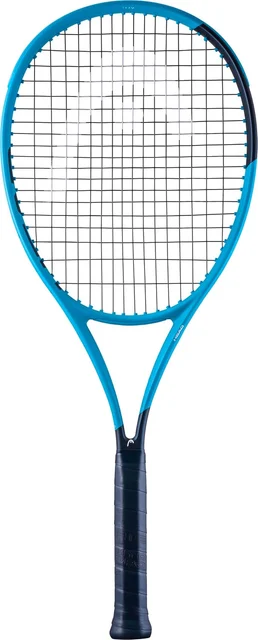
The short version
For most beginners and early intermediates, the Head Boom Team 2026 is the racket to buy: its 107 sq in head and 260 g unstrung weight make clean contact easy while leaving plenty of room to improve. The Wilson Clash 100 v3 is the close runner-up and the outright pick for anyone with a sensitive elbow or an established intermediate game - Wilson designs it around flex and comfort. The Babolat Evo Drive Lite Gen2 depends on your arm: at 255 g unstrung and sold strung it gives easy power, but Babolat lists a firm 70 RA stiffness without its handle tech. Skip the Wilson Tour Slam: at a stated 326 g strung it is the heaviest frame here, Wilson publishes no frame material, and owner reports describe a harsh, springy response. Spend a little more once and you won't buy twice. Best for: new and improving adult players who want a forgiving racket that supports real stroke development.
Our picks at a glance
- Head Boom Team 2026 - Buy. The easiest serious racket to start on - light, forgiving, and built to grow with you.
- Wilson Clash 100 v3 - Buy. A comfort-focused performance racket built around flex - a frame you are unlikely to outgrow soon.
- Babolat Evo Drive Lite Gen2 - It depends. A light, pre-strung power frame that suits players who want free pace, less so anyone with a sensitive arm.
- Wilson Tour Slam - Skip. The big-box staple that owner reports say will hold your game back.
The verdict in 30 seconds
What mattered most
- Head size
- Weight class (strung)
- Frame construction
- Power vs control
- Comfort / arm-friendliness
- Room to grow
A first (or second) tennis racket has one real job: make clean contact easier while you build strokes you won't have to unlearn. We compared four of the most-bought rackets in the beginner-to-intermediate lane - two modern frames that earn a buy, one old-school power racket that only suits a specific player, and one big-box staple that owner reports say to leave on the shelf.
The easiest serious racket to start on - light, forgiving, and built to grow with you.
Best for: Beginners and early intermediates who want one racket that will still be right two seasons from now
- A 107 sq in head, the largest in Head's Boom series, with a generous sweet spot that keeps mishits in play
- At a stated 260 g (9.2 oz) unstrung it is light enough for new players to swing fast without arm fatigue
- 16x19 string pattern and a 26 mm beam for easy spin and power
- Head sells it unstrung, so budget for strings and a string job
- Head-heavy balance (0.3 in HL per Head), which adds stability from the baseline but makes net play harder
- Costs real money for a first racket
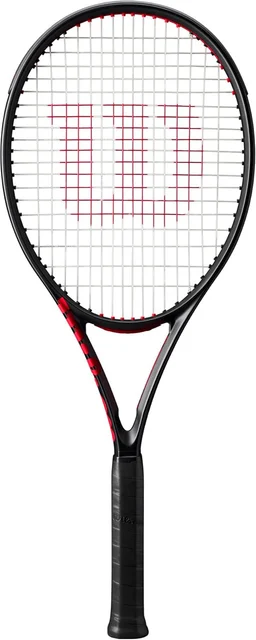
A comfort-focused performance racket built around flex - a frame you are unlikely to outgrow soon.
Best for: Committed beginners and intermediates, especially anyone with elbow or wrist sensitivity
- Wilson builds it around flexibility and comfort, with SI3D pairing a flexible hoop and a stiffer throat
- 16x19 string pattern and easy access to topspin help developing players learn modern strokes
- At a stated 310 g (about 11 oz) strung it stays stable against harder hitters, so it carries you deep into intermediate play
- Heavier and more expensive than typical starter rackets
- The soft, flexible response feels muted to players who like a crisp, direct feel
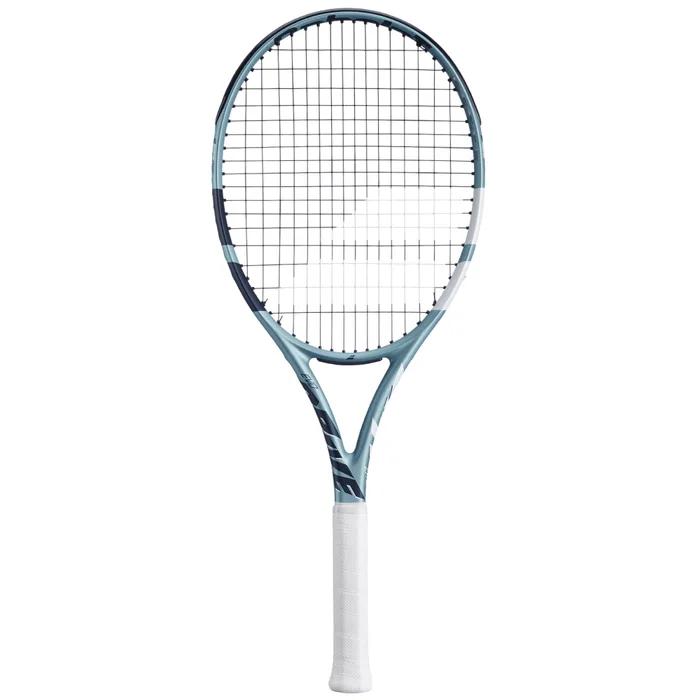
A light, pre-strung power frame that suits players who want free pace, less so anyone with a sensitive arm.
Best for: Players with compact swings, or juniors moving to an adult frame, who want easy power in a light, pre-strung racket
- Babolat states 255 g (9 oz) unstrung with a 104 sq in head, and it comes strung
- Graphite frame with an elliptical beam and an open 16x17 pattern that Babolat pitches for power
- Air Handle Touch in the grip, which Babolat says damps vibration
- Babolat lists stiffness at 70 RA without the handle tech (67 with it), firmer than a comfort frame like the Clash
- At 255 g it is the lightest frame here, and Babolat aims it at intermediate to advanced players and juniors moving up
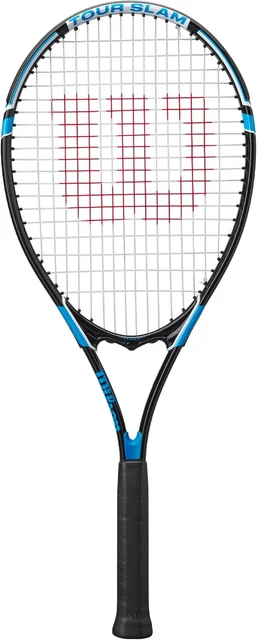
The big-box staple that owner reports say will hold your game back.
Best for: Almost no one - a once-a-summer vacation racket at best
- Very cheap and available everywhere
- Oversized 110 sq in head is forgiving on off-center hits
- Owner reports often flag harsh vibration despite Wilson's Stop Shock pads, and Wilson does not publish the frame material
- At a stated 326 g (about 11.5 oz) strung it is heavy for a beginner frame, and owners describe the factory strings as springy
- Players who stick with tennis tend to outgrow it quickly
| Criteria | Head Boom Team 2026 Top pick Buy it Buy | Wilson Clash 100 v3 Buy it Buy | Babolat Evo Drive Lite Gen2 It depends Buy | Wilson Tour Slam Skip it Buy |
|---|---|---|---|---|
| Best for | Beginners and early intermediates who want one racket that will still be right two seasons from now | Committed beginners and intermediates, especially anyone with elbow or wrist sensitivity | Players with compact swings, or juniors moving to an adult frame, who want easy power in a light, pre-strung racket | Almost no one - a once-a-summer vacation racket at best |
| Price tier | $$$ · premium | $$$ · premium | $$$ · premium | $ · budget |
| Head size | 107 sq in | 100 sq in | 104 sq in | 110 sq in |
| Weight class (strung) | Light (260 g, 9.2 oz unstrung) | Medium (310 g, ~11 oz) | Lightest (255 g, 9 oz unstrung) | Heavier (326 g, ~11.5 oz) |
| Frame construction | 26 mm thick beam, head-heavy, sold unstrung | Flexible hoop, stiffer throat (SI3D) | Graphite, elliptical beam, 16x17, sold strung | Material not published (Stop Shock pads, V-Matrix) |
| Power vs control | High power, decent control | Balanced, controllable | Power-oriented | High raw power, poor control |
| Comfort / arm-friendliness | Very comfortable | Comfort-focused design | 70 RA (67 with Air Handle Touch) | Harsh and jarring |
| Room to grow | Excellent | Excellent | Good for juniors moving up | None |
| Price tier | $$$ · premium | $$$ · premium | $$$ · premium | $ · budget |
Which one is right for you?
- Beginners and early intermediates who want one racket that will still be right two seasons from now Buy it Head Boom Team 2026
- Committed beginners and intermediates, especially anyone with elbow or wrist sensitivity Buy it Wilson Clash 100 v3
- Players with compact swings, or juniors moving to an adult frame, who want easy power in a light, pre-strung racket It depends Babolat Evo Drive Lite Gen2
- Almost no one - a once-a-summer vacation racket at best Skip it Wilson Tour Slam
How we judged the field
We don’t run a court-side lab. Instead we synthesized independent testing of current frames with large volumes of owner reports - what people actually experience over months of play, not a single demo session. For a beginner-to-intermediate racket, four things mattered most: forgiveness (how playable off-center hits are), comfort (stiffness and shock, because new players mishit constantly), swingability (can you accelerate it without strain), and room to grow (does the racket support the topspin-based strokes coaches teach today, or fight them). We also weighed long-term value: a racket you must replace in one season is not cheap, whatever it costs.
Head Boom Team 2026
Buy itThe Boom Team is the lightest, most forgiving member of Head’s Boom family: Head gives it a 107 sq in head, the largest in the series, a stated 260 g (9.2 oz) unstrung, a 16x19 pattern and a 26 mm beam. The big head soaks up off-center hits, and the light frame is easy to swing fast - which is exactly how beginners learn to generate their own pace and spin. Owner reports describe it as a starter-friendly racket that improving players don’t need to abandon, and it also suits doubles players who want a quick, powerful frame at net. The caveats: Head sells it unstrung, so add strings and a string job to the cost; its head-heavy balance helps from the baseline but makes it slower at net; it’s a premium purchase; and a player who develops a big, fast swing may eventually want something heavier with more control. But as one racket to carry a player from first lesson to league night, it’s the strongest package here.
Wilson Clash 100 v3
Buy itThe Clash line was built around a simple idea - a frame that flexes more than typical performance rackets - and the v3 uses Wilson’s SI3D design, pairing a flexible hoop with a stiffer throat. Wilson pitches it on flexibility, stability and comfort, and owners describe a forgiving sweet spot. For learners it has two quiet advantages: the 16x19 string pattern makes topspin easy to find, and at a stated 310 grams (about 11 ounces) strung it stays stable when a stronger opponent hits into it, so it remains viable deep into intermediate play. The trade-offs are real but minor: it costs premium money, it’s heavier than typical starter frames (genuinely small or less athletic players may prefer the lighter Clash 100L), and its soft, muted feel isn’t for everyone - players who love a crisp, direct response sometimes find it vague. If you have any history of tennis elbow, or you’re an intermediate buying your “real” first racket, this is the one.
Babolat Evo Drive Lite Gen2
It dependsThe Evo Drive Lite Gen2 is Babolat’s light, pre-strung take on its Pure Drive. Babolat states 255 g (9 oz) unstrung, a 104 sq in head, a graphite frame with an elliptical beam and an open 16x17 pattern, and it pitches the frame for power. Air Handle Touch in the grip is there to damp vibration, and Babolat suggests it for juniors moving up to an adult racket as well as for players who want a more maneuverable frame.
Whether it suits you depends on your arm and your swing. Babolat lists the stiffness at 70 RA without the handle tech and 67 with it, firmer than a comfort frame like the Clash 100 v3, so anyone with elbow or wrist history should look there first. And at 255 g it is the lightest racket in this group, which makes it easy to swing but gives a stronger opponent’s pace more to push around. Buy it if you want free pace in a light, ready-to-play frame. Choose the Boom Team or the Clash if comfort or room to grow comes first.
Wilson Tour Slam
Skip itThe Tour Slam is the racket most people grab at a big-box store, and it’s the clearest skip in this comparison. Wilson does not publish the frame material, only its Volcanic Frame Technology, V-Matrix throat and Stop Shock pads, and at a stated 326 grams strung it is the heaviest racket here, heavier even than the Clash 100 v3 at 310. Owner reports describe harsh vibration on contact and a jarring feel on off-center hits, despite the Stop Shock pads Wilson fits near the throat. The springy factory strings pile on, sending balls flying with little control. Reviewers concede the oversized head is forgiving and the price is undeniably tempting, and for a once-a-year vacation rally it will technically function. But as a racket to learn on, it works against you: the discomfort discourages practice, and the uncontrollable response hides whether your technique is improving. Many owners who stick with tennis replace it quickly - which makes the cheapest racket here the worst value in the group. Spend modestly more on a graphite frame and skip this stop entirely.
Head Boom Team 2026 vs Wilson Clash 100 v3: which should you buy?
Both are rackets you buy once and keep for years, so the choice comes down to your body and your ambitions. The Boom Team 2026 is lighter, bigger-headed, and more forgiving - the better pick for true beginners, players with modest athleticism, and anyone who wants maximum easy power with minimum effort. The Clash 100 v3 is heavier, more stable, and dramatically softer-feeling - the better pick for fitter beginners who will progress quickly, established intermediates, and anyone whose elbow or wrist complains after play. On court, the Boom feels quicker and more explosive; the Clash feels plusher and more controlled against pace. If you’re unsure, age and swing ambition are good tiebreakers: shorter, slower swing - Boom Team; full, athletic swing you plan to develop - Clash. Neither choice is wrong, which is why they’re the two buys in this field.
What to look for
- Head size: 100 to 110 sq in for most adults. Bigger equals more forgiving but less controllable as you improve.
- Weight: roughly 9.5 to 11 oz strung. Pick the heaviest frame you can swing comfortably for an hour.
- Balance: prefer even or head-light balance; head-heavy frames feel sluggish and stress the arm on fast swings.
- Material: prefer graphite or graphite composite, and be wary of budget frames that do not state their material.
- Stiffness: softer frames are kinder to elbows; if you have any arm history, prioritize flexible frames like the Clash.
- Grip size: most adults take a 4 1/4 or 4 3/8; you should fit a finger between your fingertips and palm when gripping.
- String pattern: an open 16x19 pattern makes topspin easier to learn.
Our final take
The beginner racket market splits cleanly into rackets that help you improve and rackets that merely let you play, and the gap between them is wider than the price difference. The Head Boom Team 2026 is the best all-around answer - forgiving, light, current, and good enough to keep for years - with the Wilson Clash 100 v3 right behind it as the comfort and longevity king. The Babolat Evo Drive Lite Gen2 is a good light power frame for compact swings and juniors moving up, but its firm 70 RA layup makes it the wrong pick for a sensitive arm. And the Wilson Tour Slam is the cautionary tale: the cheapest way in, and the most common reason people think tennis hurts. Buy once, buy well, and let the racket disappear so your game can show up.
Questions, answered
What head size should a beginner tennis racket have?
Between 100 and 110 square inches is the sweet spot for most adults. Bigger heads (like the Tour Slam's 110) add forgiveness and power but get harder to control as your swing speeds up, while 100 sq in frames like the Clash 100 v3 keep enough forgiveness while rewarding developing technique.
Is an expensive racket actually worth it for a beginner?
Usually yes, within reason. The jump from a stiff big-box racket to a modern graphite frame is dramatic - better comfort, a bigger effective sweet spot, and strokes that transfer as you improve. The jump from a premium frame to a flagship pro model, by contrast, mostly benefits advanced players.
How heavy should my first racket be?
Roughly 9.5 to 11 ounces strung for most adults. Lighter frames are easier to swing but get pushed around by faster balls; heavier frames are more stable but tiring. Balance matters as much as weight - head-light frames like the Clash feel quicker than their scale weight suggests, while head-heavy ones feel sluggish.
Do I need to restring a pre-strung racket before playing?
No - factory strings are fine to start. Once you play regularly, a fresh string job at moderate tension noticeably improves feel and control, and owners note it wakes up a frame. Some rackets, including the Boom Team, are sold unstrung, so check before you buy. A common rule of thumb: restring as many times per year as you play per week.
When should an intermediate player upgrade from a beginner racket?
When the racket, not your technique, is the limit: balls consistently flying long, a wobbly feel against harder hitters, or arm soreness after play. If you started on the Boom Team 2026 or Clash 100 v3, you may not need to upgrade at all - both carry players well into intermediate level.
Deciding between the top two? See our head-to-head: Head Boom Team 2026 vs Wilson Clash 100 v3.
More in Outdoors & Fitness
Tennis Rackets, Explained Plain-English guide → Head Boom Team 2026 vs Wilson Clash 100 v3 Head-to-head →  The Best Tent Footprints: 4 Compared (and One to Skip)
  The Best Tent Stakes: 4 Compared (and One to Skip)
  The Best Trail Running Shoes: 4 Compared (and One to Skip)
  The Best Trekking Poles: 4 Compared (and One to Skip)