

Outdoors & Fitness
The Best Trail Running Shoes: 4 Compared (and One to Skip)
We compared four current trail runners on grip, cushioning, stability, and fit across mud, rock, and hardpack to find the honest picks.
The short version
After synthesizing independent testing and owner reports, the HOKA Speedgoat 7 is our top all-around trail running shoe: versatile Vibram Megagrip traction and a new supercritical foam that reviewers say adds bounce, though it runs narrow. For steep, rocky, technical terrain the La Sportiva Bushido III is more stable and sure-footed, if firmer underfoot. The Brooks Cascadia 20 is a solid, cushioned do-everything shoe, but its new taller, firmer platform is a genuine it-depends that divides longtime fans. The Salomon Speedcross 6 grips mud very well yet feels clunky on rock and hardpack and runs narrow, so we'd skip it unless your trails stay muddy. Best for: most runners, the Speedgoat 7; for technical mountains, the Bushido III.
Our picks at a glance
- HOKA Speedgoat 7 - Buy. The do-everything ultra-and-technical shoe that most trail runners should buy first.
- La Sportiva Bushido III - Buy. The stable, sure-footed pick when the trail turns rocky, steep, and technical.
- Brooks Cascadia 20 - It depends. A well-cushioned, do-it-all trail shoe that just got taller and firmer, splitting longtime fans.
- Salomon Speedcross 6 - Skip. A brilliant mud specialist that most runners will find too narrow and too niche for everyday trails.
The verdict in 30 seconds
What mattered most
- Best terrain
- Cushioning
- Traction
- Stability
- Fit / width
- Versatility
Trail running shoes are a different animal from road daily-trainers: they trade smooth-pavement efficiency for aggressive lugs, rock protection, and a locked-down fit on uneven ground. We synthesized independent testing and owner reports on four of the most talked-about 2026 models. Two earn a clear buy, one is a it-depends pick that hinges on the terrain you actually run, and one is a specialist we'd steer most people away from.
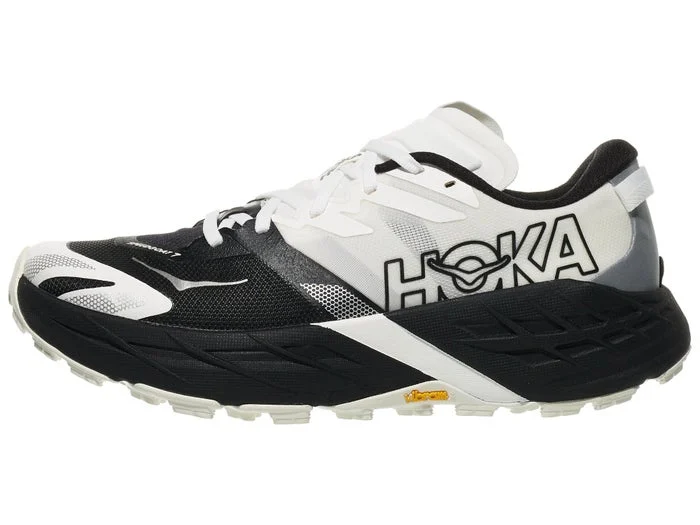
The do-everything ultra-and-technical shoe that most trail runners should buy first.
Best for: Runners who want one versatile shoe for long days, ultras, and mixed technical terrain.
- Reviewers report the new supercritical foam adds energy return over past versions, so it feels livelier late in a run
- Vibram Megagrip outsole with a re-oriented, more aggressive lug pattern grips confidently across dry rock, loose gravel, snow, and mud
- Plush, protective cushioning plus a redesigned heel collar and gaiter attachment make it comfortable from short outings to ultra distances
- The tall, soft stack can feel tippy for some runners on off-camber talus and technical scrambles
- Runs on the snug, narrow side out of the box, so wide feet often need to size around it
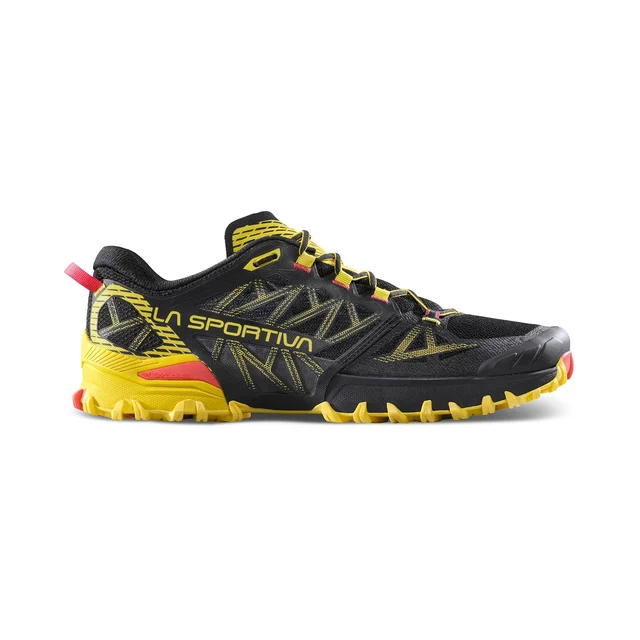
The stable, sure-footed pick when the trail turns rocky, steep, and technical.
Best for: Mountain and technical-terrain runners who prioritize grip and stability over softness.
- One of the most stable-feeling shoes reviewers tested, with a low, planted platform and a rock plate for protection on sharp terrain
- Directional lugs and sticky compound bite hard on wet or dry rock, loose scree, and steep braking descents
- Durable build with a dialed-in, secure heel lock
- The stiff sole and rugged tread are overkill on smooth hardpack, where it feels firm and unyielding
- Lower stack and firmer ride offer less plush comfort than max-cushion shoes on long road-to-trail miles
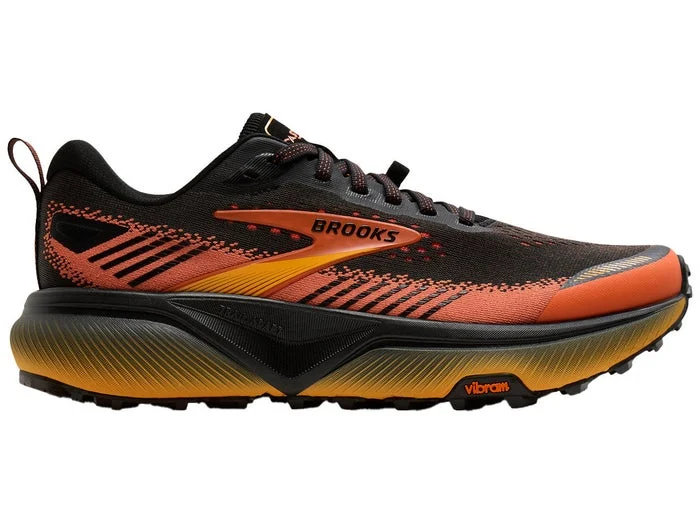
A well-cushioned, do-it-all trail shoe that just got taller and firmer, splitting longtime fans.
Best for: Everyday trail runners and backpackers who want stable cushioning for mixed, non-extreme terrain.
- Vibram Megagrip outsole gives confident traction on wet and dry surfaces
- TrailAdapt platform provides a wide, stable base and adaptive lugs that make it forgiving on rough, uneven ground
- A more responsive midsole than before makes it easy to pick up the pace on road-to-trail runs
- The added stack height raises it above its old low-slung feel, which owners either love or miss
- Firmer, taller ride divides opinion and can feel less grounded than the outgoing version on technical terrain
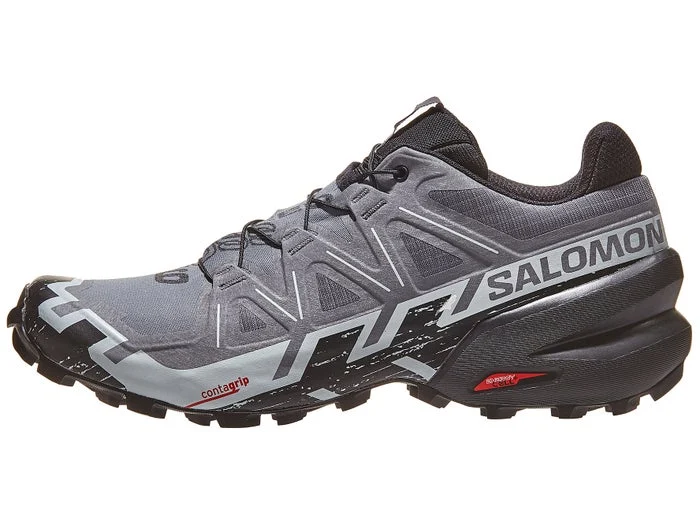
A brilliant mud specialist that most runners will find too narrow and too niche for everyday trails.
Best for: Runners whose home trails are consistently muddy, boggy, or soft underfoot.
- Deep chevron lugs and an updated mud-shedding outsole deliver strong grip in mud, wet grass, snow, and loose soil
- Snug Sensifit lockdown gives a precise, secure hold for soft-ground running
- Iconic, proven design that excels at exactly the conditions it was built for
- Aggressive lugs feel like cleats on hardpack and rock, and the mud compound is less secure on smooth wet stone
- Runs narrow with a tight toe box, so wider feet often need to size up
- Too specialized to be a versatile everyday trail shoe unless mud is your normal
| Criteria | HOKA Speedgoat 7 Top pick Buy it Buy | La Sportiva Bushido III Buy it Buy | Brooks Cascadia 20 It depends Buy | Salomon Speedcross 6 Skip it Buy |
|---|---|---|---|---|
| Best for | Runners who want one versatile shoe for long days, ultras, and mixed technical terrain. | Mountain and technical-terrain runners who prioritize grip and stability over softness. | Everyday trail runners and backpackers who want stable cushioning for mixed, non-extreme terrain. | Runners whose home trails are consistently muddy, boggy, or soft underfoot. |
| Price tier | $$$ · premium | $$ · mid-range | $$ · mid-range | $$ · mid-range |
| Best terrain | Mixed / technical / ultra | Rocky / steep / technical | Mixed / non-extreme | Mud / soft ground |
| Cushioning | Max, plush | Low, firm, protective | Tall, cushioned | Moderate |
| Traction | Vibram Megagrip, all-surface | Sticky lugs, built for rock | Vibram Megagrip, all-surface | Deep lugs, built for mud |
| Stability | Good, can feel tippy | Excellent, planted | Very good, wide base | Good on soft ground |
| Fit / width | Snug, narrow-leaning | Secure heel lock | Accommodating | Narrow, snug toe box |
| Versatility | High | Medium | High | Low, specialist |
| Price tier | $$$ · premium | $$ · mid-range | $$ · mid-range | $$ · mid-range |
Which one is right for you?
- Runners who want one versatile shoe for long days, ultras, and mixed technical terrain. Buy it HOKA Speedgoat 7
- Mountain and technical-terrain runners who prioritize grip and stability over softness. Buy it La Sportiva Bushido III
- Everyday trail runners and backpackers who want stable cushioning for mixed, non-extreme terrain. It depends Brooks Cascadia 20
- Runners whose home trails are consistently muddy, boggy, or soft underfoot. Skip it Salomon Speedcross 6
How we judged the field
We don’t run our own shoe lab. Instead, we synthesize independent testing and a large volume of owner reports, then weigh the patterns that show up again and again. For trail running shoes specifically, we focused on the things that actually change your day on the dirt: outsole traction across different surfaces, underfoot protection and cushioning, on-trail stability, fit and width, weight, and how versatile the shoe is versus how specialized. We chose current 2026 models rather than discontinued versions.
One framing matters up front: these are true trail shoes, not road daily-trainers with a rugged paint job. Every pick trades some pavement smoothness for grip, protection, and lockdown on uneven ground. The right choice depends heavily on the terrain you actually run.
HOKA Speedgoat 7
Buy itThe Speedgoat has been a trail and ultra favorite for years, and the 7th version is the one we’d hand most runners. The headline change is a new supercritical foam that reviewers say adds genuine energy return after earlier generations built on firmer foam, so the plush ride now has some bounce late in a run. HOKA also refined the fit with a more comfortable heel collar that doesn’t dig into the achilles, added a gaiter attachment, and re-oriented the Vibram Megagrip lugs for more aggressive, all-surface bite that reviewers found confident on dry rock, loose gravel, snow, and mud alike.
The honest caveats: the tall, soft stack can feel a touch tippy on technical talus and scrambles, and the fit runs snug and narrow, so wide feet should size around it. For the majority of runners doing everything from an hour on local trails to a hundred-mile race, though, it’s the most versatile shoe here.
La Sportiva Bushido III
Buy itWhen the trail gets steep, rocky, and genuinely technical, the Bushido III is the shoe we’d reach for. Reviewers describe it as one of the most stable-feeling trail shoes available, thanks to a low, planted platform and a rock plate that shrugs off sharp terrain. Its directional lugs and sticky compound dig in on climbs, brake hard on steep descents, and grab wet or dry rock and loose scree with confidence. It’s durable, and the heel lock is secure and glove-like.
The trade-off is comfort on easy ground. The stiff sole and rugged tread feel like overkill on smooth hardpack, and the lower, firmer ride isn’t as forgiving as a max-cushion shoe on long road-to-trail miles. Buy it for the mountains, not for the bike path.
Brooks Cascadia 20
It dependsThe Cascadia has long been the dependable, do-everything trail workhorse, and the 20 is a bigger update than the number suggests. It wears a Vibram Megagrip outsole for traction on wet and dry surfaces, and the TrailAdapt platform still delivers a wide, stable, forgiving base. Brooks also moved to a more responsive foam and added stack height.
That extra height is exactly why this is an it-depends pick. The Cascadia used to be prized for a low, grounded feel, and the taller, firmer 20 is a different shoe that owners either love for its cushioned pop or miss for its lost connection to the trail. If you want stable cushioning for mixed, non-extreme terrain and some road-to-trail running, it’s excellent. If you specifically loved the old low-slung Cascadia, try before you commit.
Salomon Speedcross 6
Skip itThe Speedcross is iconic, and in the right conditions it’s hard to beat: the deep chevron lugs and mud-shedding outsole grip mud, wet grass, snow, and loose soil better than the others here, and the Sensifit lockdown is precise and secure on soft ground. If your home trails are consistently boggy, it’s a legitimate tool.
For most runners, though, we’d skip it. Reviewers and owners consistently report the aggressive lugs feel like cleats on hardpack and rock, and the mud-focused compound is actually less secure on smooth wet stone. It also runs narrow with a tight toe box, so wider feet struggle. As an everyday, go-anywhere trail shoe it’s simply too specialized. Buy it only if mud is your normal, not your exception.
HOKA Speedgoat 7 vs La Sportiva Bushido III: which should you buy?
These are our two strongest picks, and they answer different questions. The Speedgoat 7 is the versatility champion: max cushioning with newfound bounce, all-surface Megagrip traction, and the comfort to carry you through ultra distances. It’s the better choice if you run varied terrain and want one shoe that does nearly everything, and if you value a soft, protective ride over ground feel.
The Bushido III wins on the gnarly stuff. Its low, stable platform, rock plate, and sticky directional lugs make it more sure-footed on steep, rocky, technical trails where the Speedgoat’s tall stack can feel tippy. Choose it if you spend your time in the mountains and prize stability and grip over softness. Simplest rule of thumb: long and varied, go Speedgoat; steep and technical, go Bushido.
What to look for
- Match traction to terrain: deep aggressive lugs for mud and snow, moderate all-surface lugs for mixed trails, sticky lower-profile lugs for rock.
- Decide how much cushion you want: tall, plush stacks add comfort for long days but can feel less stable on technical ground; lower stacks feel planted and precise.
- Check the fit and width: several trail shoes run narrow, so try them on and consider a wide version or a half size up if you have broader feet.
- Look for underfoot protection: a rock plate or dense midsole matters if your trails are sharp and rocky.
- Weigh versatility against specialization: a mud specialist is superb in mud and mediocre everywhere else, while an all-rounder compromises slightly in every condition.
- Consider weight: lighter shoes feel faster and less fatiguing over distance, but often trade away some protection and durability.
Our final take
Most runners should buy the HOKA Speedgoat 7. It’s the most versatile shoe here, and its new supercritical foam fixes the one thing older Speedgoats lacked. If your trails are steep, rocky, and technical, the more stable and sure-footed La Sportiva Bushido III is the smarter buy. The Brooks Cascadia 20 is a genuinely good cushioned all-rounder, but its taller, firmer redesign is polarizing enough that we’d only call it a confident buy if you know you want that feel. And the Salomon Speedcross 6, brilliant as it is in mud, is too narrow and too specialized for everyday trail running, so we’d skip it unless soft, muddy ground is your normal.
Questions, answered
Can I use trail running shoes for road running too?
You can, but it is a compromise. Trail shoes have aggressive lugs and stiffer, more protective builds tuned for dirt, rock, and mud, so on pavement they feel clunky and the lugs wear down faster. Road-to-trail models like the Brooks Cascadia 20 handle occasional stretches of pavement best, while a mud specialist like the Salomon Speedcross 6 feels worst on hard surfaces. If most of your miles are on roads, a dedicated road daily-trainer is the better call.
What is the difference between trail shoes and regular road running shoes?
Trail shoes add deeper, grippier outsole lugs, tougher uppers with toe protection, often a rock plate for underfoot protection, and a more locked-down fit to keep your foot stable on uneven ground. Road shoes prioritize smooth-surface cushioning, breathability, and efficiency. The trade-off is that trail features that help on dirt and rock feel like overkill on pavement.
How do I choose the right lug depth?
Match lugs to your terrain. Deep, aggressive lugs like the Salomon Speedcross 6's excel in mud, snow, and soft ground but feel harsh and less grippy on rock and hardpack. Moderate multi-directional lugs, as on the Vibram Megagrip outsoles of the HOKA Speedgoat 7 and Brooks Cascadia 20, are the most versatile across mixed surfaces. Sticky, lower-profile lugs like the La Sportiva Bushido III's are ideal for grabbing rock.
Do trail shoes run narrow, and should I size up?
Several do. Owner reports consistently note the HOKA Speedgoat 7 and Salomon Speedcross 6 run snug and narrow, and wide-footed runners often size up a half size or look for a wide version. Owners describe the Brooks Cascadia 20 as more accommodating. Try shoes on late in the day when feet are slightly swollen, and leave a thumbnail of room at the toe for downhill running.
How long do trail running shoes last?
Most trail shoes are generally considered good for a few hundred miles, though it varies widely with your weight, running style, and how abrasive your terrain is. Rocky, technical trails wear outsoles and uppers faster than smooth dirt. Watch for flattened lugs, thinning outsole rubber, and a midsole that no longer rebounds. This is general product information to help you shop, not a fitness or medical recommendation; if you have injury concerns, consult a qualified professional.
Deciding between the top two? See our head-to-head: HOKA Speedgoat 7 vs La Sportiva Bushido III.
More in Outdoors & Fitness
Trail Running Shoes, Explained Plain-English guide → HOKA Speedgoat 7 vs La Sportiva Bushido III Head-to-head →  The Best Trekking Poles: 4 Compared (and One to Skip)
  The Best UV Protective Shirts: 4 Compared (and One to Skip)
  The Best Via Ferrata Sets: 4 Compared (and One to Skip)
  The Best Women's Winter Parkas: 4 Compared (and One to Skip)