

Ski & Snowboard
The Best Ski and Snowboard Waxes: 4 Compared (and One to Skip)
We compared all-temperature hot waxes and a plant-based formula against a rub-on quick fix, on temperature range, durability per application and environmental footprint.
The short version
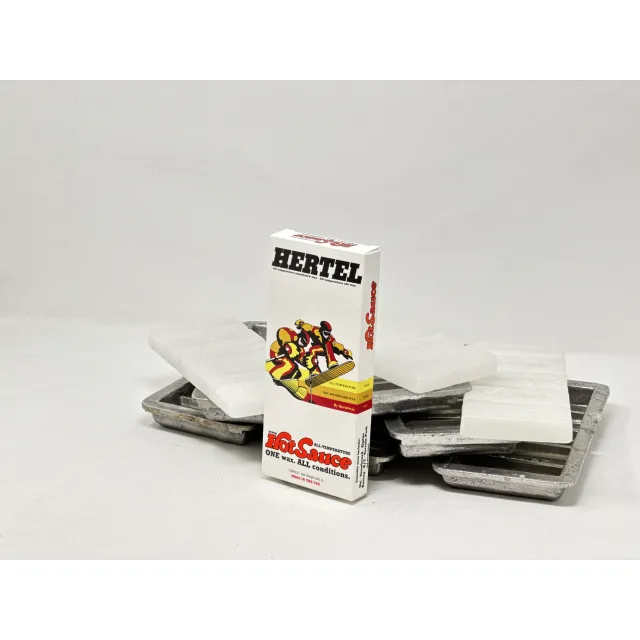
Hertel Super HotSauce is our pick: one 340 g all-temperature brick that covers roughly 6 F to 52 F and lasts up to three days per application. Swix U180 is the budget workhorse, a biodegradable universal bar that is cheap, easy and everywhere. mountainFLOW's Hot Wax is the eco call, a plant-based formula that tests even with petroleum wax at a higher price per gram. Skip rub-on waxes like the ZUMWax cork stick as a main plan: they coat the surface instead of penetrating the base and wear off in a few runs. Best for: anyone whose skis feel slow on the flats and is ready to wax at home.
Our picks at a glance
- Hertel Super HotSauce - Buy. The all-temperature brick: one wax, roughly 6 to 52 F, up to three days per application, 340 g per package.
- Swix U180 Universal - Buy. The universal hydrocarbon bar from the biggest name in wax: biodegradable, easy to work, all conditions.
- mountainFLOW Hot Wax - It depends. A 100 percent plant-based iron-on wax that performs like petroleum wax without the petroleum.
- ZUMWax Universal Rub-On - Skip. A 70 g cork-applicator rub-on wax: fast to apply, quick to wear off.
The verdict in 30 seconds
What mattered most
- Type
- Application
- Temperature range
- Package size
- Durability per use
- Environment
A dry base is the difference between gliding over a flat traverse and poling it. Hot waxing with an iron is still the standard for a wax that penetrates and lasts, while rub-on products are sold as the fast answer. We compared two all-temperature iron-on waxes and a plant-based formula, plus the rub-on style most skiers try in a parking lot.
The all-temperature brick: one wax, roughly 6 to 52 F, up to three days per application, 340 g per package.
Best for: Riders who want one hot wax for the whole season and the best cost per day on snow.
- Rated for roughly 6 F to 52 F, so one bar covers powder days and spring slush without a temperature quiver.
- Hertel claims up to three full days on snow per ounce, and the 340 g brick is more wax per pack than most competitors.
- Made in the USA by a company that has specialized in all-temperature wax since the early 1970s.
- Requires an iron, a scraper and a brush: the application takes a little setup and care.
- Hydrocarbon formula with no cold- or warm-specific tuning, so racers will want temperature-matched wax for race days.
- The big brick assumes you wax at home; it is not a jacket-pocket product.
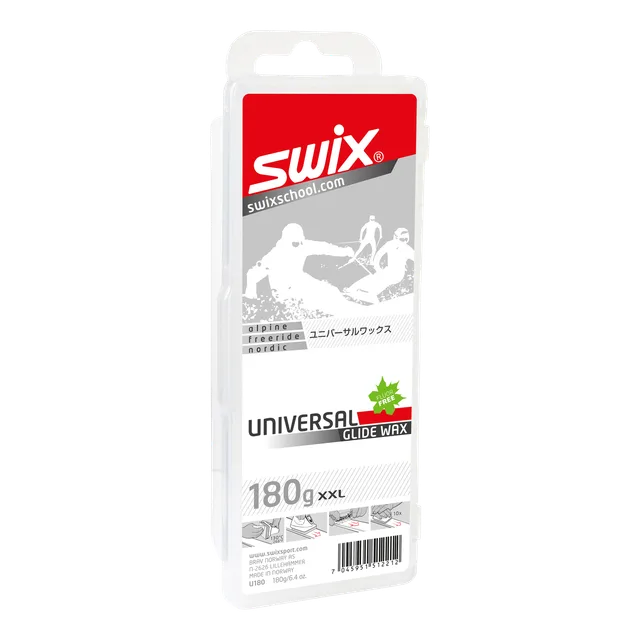
The universal hydrocarbon bar from the biggest name in wax: biodegradable, easy to work, all conditions.
Best for: Skiers and riders who want a dependable, cheap, one-bar everyday wax and do not care about wringing out every meter.
- A universal hydrocarbon glide wax rated for all temperatures, made to be easy to iron and scrape.
- Biodegradable and non-fluoro, which also means it sidesteps the PFAS restrictions now applied to fluorinated race waxes.
- Sold in a 180 g bar and widely stocked, so it is easy to find mid season.
- Universal means no tuning: it is slower than a condition-matched wax in extreme cold or wet spring snow.
- One application typically lasts less on the hill than Hertel's three-day claim.
- A workshop product, not a slope-side touch-up.
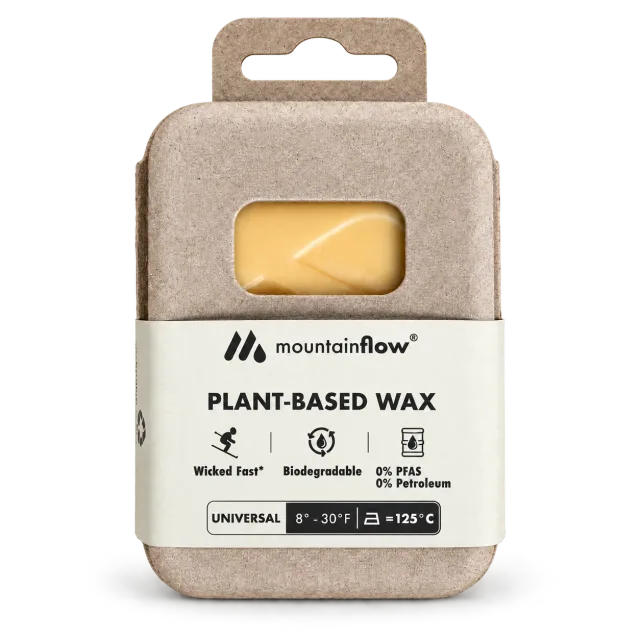
A 100 percent plant-based iron-on wax that performs like petroleum wax without the petroleum.
Best for: Riders who care what their wax leaves in the snowpack and will pay a little more for it.
- Made entirely from plant-based ingredients with zero petroleum, and biodegradable and non-toxic on snow.
- mountainFLOW publishes controlled on-snow testing showing parity with conventional petroleum waxes.
- Comes in universal and temperature-specific 130 g bars for riders who want tuning options.
- Smaller bar and higher price per gram than the hydrocarbon options.
- A sharp scraper and correct iron temperature matter; the formula is less forgiving of sloppy technique.
- Plant-based glide performance in very cold, abrasive snow is less proven over multiple days.
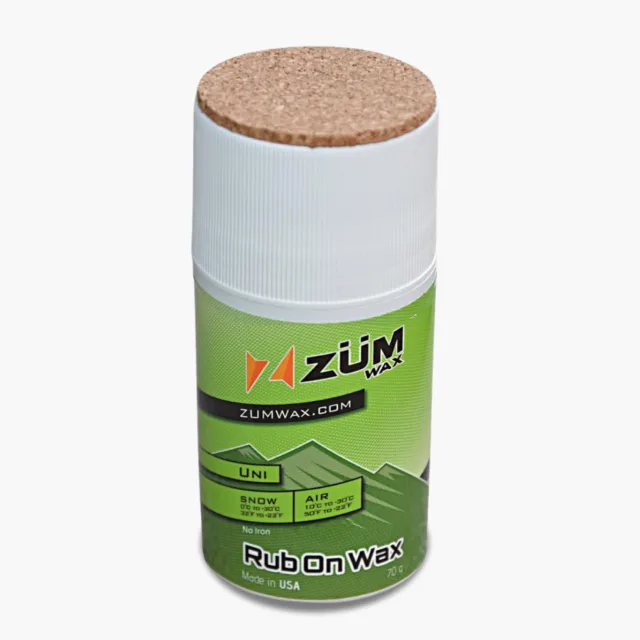
A 70 g cork-applicator rub-on wax: fast to apply, quick to wear off.
Best for: A jacket-pocket touch-up for the last chair of the day, not a base maintenance plan.
- Cork applicator needs no iron, so it goes on in a parking lot in a minute.
- PFAS-free and made in the USA, with temp-specific variants if you want them.
- Useful as a mid-day touch-up on top of a real wax job.
- Rub-on wax sits on the surface rather than soaking into the base, so it typically wears off within a few runs.
- Sold as a wax replacement but works as a supplement; as a season's wax plan it is false economy.
- The 70 g stick disappears fast if you try to treat it as a primary wax.
| Criteria | Hertel Super HotSauce Top pick | Swix U180 Universal | mountainFLOW Hot Wax | ZUMWax Universal Rub-On |
|---|---|---|---|---|
| Verdict | Buy it | Buy it | It depends | Skip it |
| Best for | Riders who want one hot wax for the whole season and the best cost per day on snow. | Skiers and riders who want a dependable, cheap, one-bar everyday wax and do not care about wringing out every meter. | Riders who care what their wax leaves in the snowpack and will pay a little more for it. | A jacket-pocket touch-up for the last chair of the day, not a base maintenance plan. |
| Price tier | $$ · mid-range | $ · budget | $$ · mid-range | $ · budget |
| Type | All-temperature hot wax | Universal hydrocarbon hot wax | Plant-based hot wax | Rub-on cold wax |
| Application | Iron + scrape + brush | Iron + scrape + brush | Iron + scrape + brush | Cork rub, no iron |
| Temperature range | About 6 F to 52 F | All conditions | Universal and temp-specific bars | Universal |
| Package size | 340 g brick | 180 g bar | 130 g bar | 70 g stick |
| Durability per use | Up to 3 days claimed | 1 day typical | 1 day typical | A few runs |
| Environment | Hydrocarbon, low-fluoro-free | Biodegradable, non-fluoro | Plant-based, biodegradable | PFAS-free |
| Best for | One-wax season plans | Everyday value waxing | Eco-minded riders | Mid-day touch-ups only |
Which one is right for you?
- Riders who want one hot wax for the whole season and the best cost per day on snow. Buy it Hertel Super HotSauce
- Skiers and riders who want a dependable, cheap, one-bar everyday wax and do not care about wringing out every meter. Buy it Swix U180 Universal
- Riders who care what their wax leaves in the snowpack and will pay a little more for it. It depends mountainFLOW Hot Wax
- A jacket-pocket touch-up for the last chair of the day, not a base maintenance plan. Skip it ZUMWax Universal Rub-On
How we judged the field
Wax earns its keep on four things: how much of the season it covers, how long a single application lasts, how much work it takes to apply, and what it leaves in the snow. Temperature range matters because a quiver of condition-specific waxes is a racer’s tool, not a recreational rider’s need. Durability matters because the cheapest wax is the one you do not reapply every day.
We compared two all-temperature iron-on waxes, one plant-based alternative and the rub-on format sold as a shortcut, then weighed what each delivers per ride day.
Super HotSauce is the season-long answer. Hertel rates the all-temperature formula for roughly 6 F to 52 F, which covers most of what a recreational skier or rider will see in a year. The maker claims up to three days on snow per ounce, and the 340 g brick carries more wax than most competitor packages, so the cost per ride day is the lowest here even though the up-front price is mid-range. It is an iron-on product: drip, iron, scrape, brush. The company has specialized in this single all-temperature idea since the early 1970s and is still making the wax in the USA.
The catches are the same as every hot wax: you need an iron and ten minutes, and universal means no fine-tuning for extreme cold or mashed-potato spring snow. For a rider who wants one wax for the whole season, it is the easy pick.
U180 is the dependable default. A universal hydrocarbon glide wax rated for all conditions, it is easy to iron, scrapes cleanly and comes in a 180 g bar that is stocked almost everywhere wax is sold. It is biodegradable and non-fluoro, which now matters: fluorinated race waxes are increasingly restricted, and a plain hydrocarbon bar sidesteps the whole debate. At a budget price, it is the product you cannot buy wrong.
Where it gives up ground to Hertel is longevity: a universal application typically lasts a day of riding rather than three, and like every universal wax it is slower than a tuned wax in extreme conditions. If you want a known quantity at a low price, U180 is it.
mountainFLOW’s pitch is that the wax does not have to be petroleum. The Hot Wax is made from 100 percent plant-based ingredients, is biodegradable and non-toxic, and the company publishes controlled on-snow testing claiming parity with conventional wax. In use it irons on like any hot wax and comes in universal and temperature-specific 130 g bars.
The trade-offs are money and margin for error. The bar is smaller and the price per gram higher than the hydrocarbon options, the formula rewards a sharp scraper and correct iron temperature, and its performance over multiple days in abrasive cold snow is less proven than the big-name bars. If the environmental footprint is what tips your decision, it is the cleanest option that still skis like wax. If you just want glide per dollar, Hertel and Swix beat it.
Rub-on wax is the format we would skip as a main plan, and ZUMWax’s cork-applicator stick is the type specimen. The appeal is real: no iron, a minute of corking in the parking lot, PFAS-free, made in the USA. The physics are the problem. A rub-on coat sits on top of the base rather than penetrating it, so it typically wears off within a few runs. As a touch-up over a real hot wax, it has a place. As a season’s wax plan, it is false economy: a 70 g stick disappears quickly and the base never gets the deeper conditioning it needs.
Keep one in the car for emergencies if you like. Do not mistake it for waxing.
Hertel Super HotSauce vs Swix U180: which should you buy?
Both are all-temperature hydrocarbon hot waxes, and you cannot go wrong with either. Hertel’s edge is the 340 g brick and the up-to-three-day durability claim, which makes it the cheaper wax per day on snow. Swix’s edge is price, ubiquity and the easiest application of the three iron-on options.
If you ride a lot and wax at home, buy Hertel. If you want the cheap, safe, everywhere-available bar, buy U180. Buy a $25 iron while you are at it.
What to look for
- Iron-on over rub-on: penetration beats surface coating for anything beyond a touch-up.
- Temperature range: universal covers most riders; temp-specific is for extremes and racing.
- Package size: cost per day matters more than sticker price; a 340 g brick is a season.
- PFAS-free: non-fluoro is the right default now, both for the snowpack and for rule-proofing.
- Ease of use: a wax you will actually apply beats a faster wax that stays in the box.
Our final take
For a season of riding on one wax, Hertel Super HotSauce is the pick: wide range, long wear, big brick. Swix U180 is the budget workhorse you can buy anywhere. mountainFLOW is the right call if you want petroleum out of your wax and will pay a little more for it. Skip rub-on sticks like ZUMWax’s as your main plan; they are a touch-up, not a wax job. Ten minutes with an iron buys you faster skis for days.
Questions, answered
How often should I hot wax my skis or board?
A practical rhythm is every 3 to 5 riding days, or whenever the base looks dry and white in the high-wear zones. Snow is abrasive, and cold dry snow wears wax faster than wet spring snow. A $30 wax setup pays for itself fast compared with shop tunes.
Rub-on vs iron-on wax: what is the real difference?
An iron-on wax melts into the pores of the base and gets scraped level, so it lasts days. Rub-on waxes coat the surface without penetrating, which is why they wear off within a few runs. Rub-ons are fine as a touch-up over a hot wax, not as a substitute for one.
Do I need temperature-specific wax?
Only if you chase performance. All-temperature waxes cover the recreational range well. Temperature-matched wax buys you glide in extreme cold or sticky spring conditions, and matters mostly to racers and riders who notice the last few percent.
What about PFAS and fluoro waxes?
Fluorinated waxes are being restricted in competition over environmental and health concerns, and most recreational riders are better off without them anyway. Non-fluoro hydrocarbon waxes like U180 and plant-based options like mountainFLOW are cheap, effective and uncomplicated. If an old fluoro product is in your kit, it still works, but there is no reason to buy more.
Can I use a clothes iron to wax?
Technically yes, but a dedicated wax iron with an accurate thermostat is safer for the base and does not ruin your clothes iron. If you use a household iron, keep it dry, keep it moving, and use a fiber cloth between the iron and the wax to protect the base from hot spots.
Deciding between the top two? See our head-to-head: Hertel Super HotSauce vs Swix U180 Universal.
More Ski & Snowboard reviews
 The Best Avalanche Beacons: 4 Compared (and One to Skip)
  The Best Boot Dryers: 4 Compared (and One to Skip)
  The Best Ski Bags: 4 Compared (and One to Skip)
  The Best Ski Boot Heaters: 4 Compared (and One to Skip)
  The Best Ski Gloves: 4 Compared (and One to Skip)
  The Best Ski Goggles: 4 Compared (and One to Skip)