

Tech & Gadgets
The Best Smartwatches: 4 Compared (and One to Skip)
We compared four current smartwatches on platform fit, health tracking, smart features, battery life, and everyday usefulness.
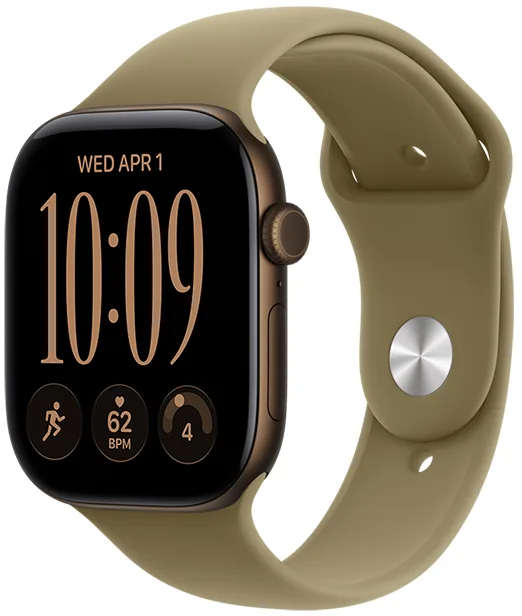
The short version
Your phone decides most of this. iPhone owners should buy the Apple Watch Series 12, a very complete smartwatch, with the caveat that battery life is rated at up to 24 hours. Android users should buy the Samsung Galaxy Watch 8, which offers Wear OS app breadth and a useful on-wrist assistant. The Google Pixel Watch 4 is the best-looking of the group and shines for Pixel and Fitbit devotees, but its advantages narrow on other phones and behind a subscription. The Garmin Venu 4 has long battery and training depth, yet its thin app support makes it a poor fit for anyone who wants a true smartwatch. Best for: match the watch to your phone first, then weigh battery life against features.
Our picks at a glance
- Apple Watch Series 12 - Buy. A very complete smartwatch, provided you carry an iPhone.
- Samsung Galaxy Watch 8 - Buy. The best all-round smartwatch for Android, with Wear OS breadth and a genuinely useful assistant.
- Google Pixel Watch 4 - It depends. The most cohesive-looking Wear OS watch, but it makes the most sense inside Google's own world.
- Garmin Venu 4 - Skip. A superb multi-day fitness watch, but too thin on true smart features for most smartwatch shoppers.
The verdict in 30 seconds
What mattered most
- Phone compatibility
- Smart features & apps
- Health & sleep tracking
- Voice assistant / AI
- Battery life
- Design & everyday polish
A smartwatch lives or dies by the phone in your pocket, so the "best" one is mostly the one that pairs with what you already own. We weighed the four watches most people actually cross-shop in 2026 on health tracking, app depth, battery life, and daily polish. Two are easy recommendations, one is a great watch held back by who it suits, and one is a lovely device that is not really a smartwatch in the way most buyers expect.
A very complete smartwatch, provided you carry an iPhone.
Best for: IPhone owners who want the best all-round smartwatch and do not mind charging daily.
- A deep, polished app ecosystem, with fast and reliable notifications
- Broad health suite including ECG, sleep apnea and hypertension notifications, a sleep score, and a Readiness app
- Excellent build, always-on display up to 2000 nits, and eight finishes across aluminum, titanium, and ceramic
- Works with iPhone only, so it is a non-starter for Android users
- Rated up to 24 hours of normal use, so it still wants a daily charge and trails multi-day rivals
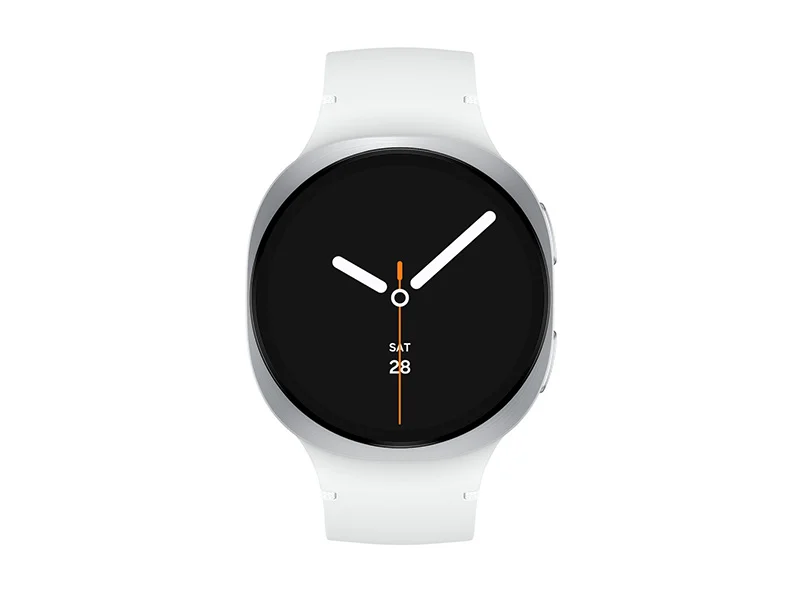
The best all-round smartwatch for Android, with Wear OS breadth and a genuinely useful assistant.
Best for: Android users, and especially Samsung phone owners, who want the deepest smartwatch experience.
- Full Wear OS app catalog plus Google Maps, Wallet, and an on-wrist Gemini assistant that handles real queries
- Strong, well-rounded health and sleep tracking with a built-in running coach
- Refined cushion-case design and fast wireless charging
- A handful of health features work best, or only, with a Samsung Galaxy phone
- Battery is respectable but still asks for a daily-to-every-other-day charge
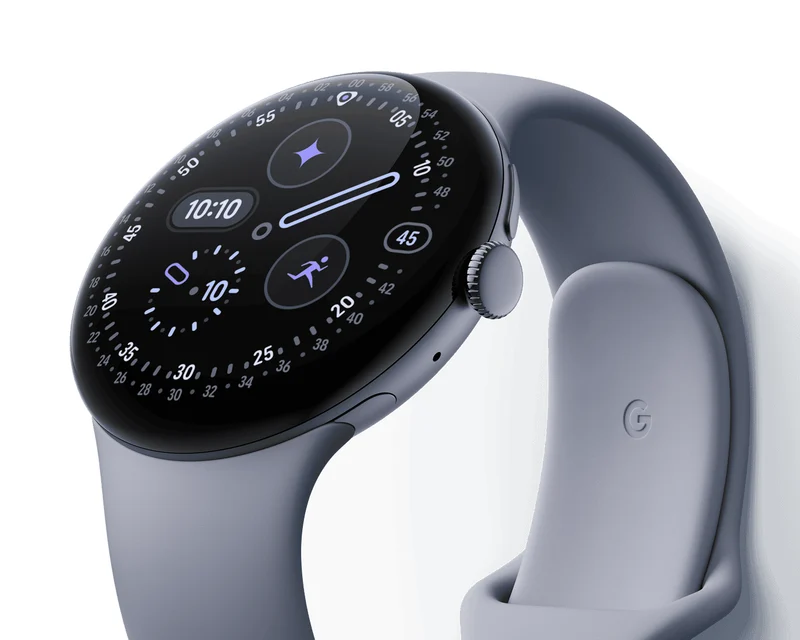
The most cohesive-looking Wear OS watch, but it makes the most sense inside Google's own world.
Best for: Pixel and Fitbit-invested users who prioritize design and health insight over raw app breadth.
- Clean, jewelry-like design and one of the nicest round displays on any watch
- Deep Fitbit health and sleep tracking baked in, plus tight Google app integration
- The 45mm model is rated up to 40 hours with the always-on display, and up to 72 hours in Battery Saver mode
- The best experience leans on Pixel and Google services; some perks feel muted on other Android phones
- Fitbit's most advanced health insights sit behind a subscription
- Third-party app selection still trails what iPhone owners get
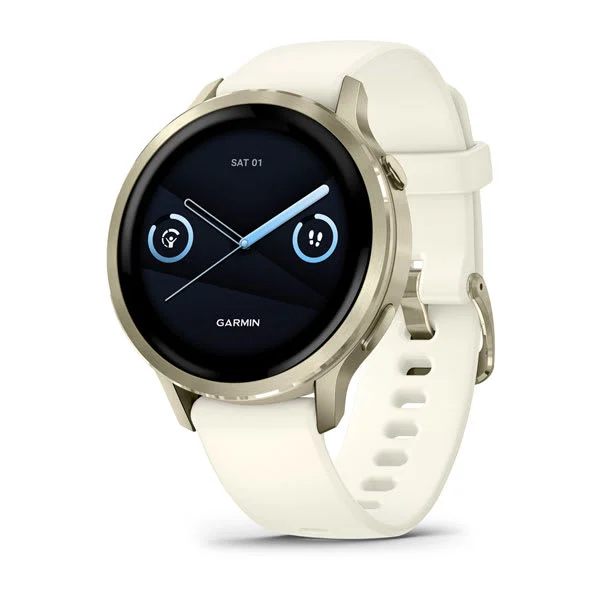
A superb multi-day fitness watch, but too thin on true smart features for most smartwatch shoppers.
Best for: Fitness-first buyers who want long battery and deep training data more than apps and notifications.
- Battery life measured in days, not hours
- Exceptional training, recovery, and health-metric depth on a bright AMOLED display
- Works with both iPhone and Android without picking sides
- Sparse app store and no meaningful on-wrist assistant, so it feels limited as an everyday smartwatch
- Notifications and smart interactions are basic compared with Apple, Samsung, and Google
- Priced like a premium smartwatch while behaving more like a sport watch
| Criteria | Apple Watch Series 12 Top pick Buy it Buy | Samsung Galaxy Watch 8 Buy it Buy | Google Pixel Watch 4 It depends Buy | Garmin Venu 4 Skip it Buy |
|---|---|---|---|---|
| Best for | IPhone owners who want the best all-round smartwatch and do not mind charging daily. | Android users, and especially Samsung phone owners, who want the deepest smartwatch experience. | Pixel and Fitbit-invested users who prioritize design and health insight over raw app breadth. | Fitness-first buyers who want long battery and deep training data more than apps and notifications. |
| Price tier | $$$ · premium | $$ · mid-range | $$ · mid-range | $$$ · premium |
| Phone compatibility | iPhone only | Android (best with Samsung) | Android (best with Pixel) | iPhone and Android |
| Smart features & apps | Very deep | Very broad (Wear OS) | Broad but Google-centric | Limited |
| Health & sleep tracking | Comprehensive | Comprehensive | Comprehensive (Fitbit) | Deepest training data |
| Voice assistant / AI | Siri AI | Gemini, genuinely useful | Gemini / Google Assistant | None to speak of |
| Battery life | Up to 24 hours (38 in Low Power Mode) | A day to two days | Up to 40 hours (72 in Battery Saver, 45mm) | Multiple days |
| Design & everyday polish | Excellent | Excellent | Best-looking | Sporty, functional |
| Price tier | $$$ · premium | $$ · mid-range | $$ · mid-range | $$$ · premium |
Which one is right for you?
- IPhone owners who want the best all-round smartwatch and do not mind charging daily. Buy it Apple Watch Series 12
- Android users, and especially Samsung phone owners, who want the deepest smartwatch experience. Buy it Samsung Galaxy Watch 8
- Pixel and Fitbit-invested users who prioritize design and health insight over raw app breadth. It depends Google Pixel Watch 4
- Fitness-first buyers who want long battery and deep training data more than apps and notifications. Skip it Garmin Venu 4
How we judged the field
We do not run our own lab. Instead, we synthesize independent testing, expert hands-on reviews, and aggregated owner reports to reach a verdict that reflects how these watches behave over months of real use, not just on a spec sheet. For general smartwatches, a few criteria did the heavy lifting.
- Platform fit: which phone the watch pairs with, and whether key features are locked to a matching brand.
- Smart features and apps: notification quality, app breadth, payments, maps, and the usefulness of the voice assistant.
- Health and sleep tracking: the range of metrics and how trustworthy owners find them day to day.
- Battery life: how often you actually reach for the charger.
- Design, comfort, and everyday polish: how good it looks and how reliably it just works.
We deliberately set aside dedicated GPS running watches and simple fitness bands to keep this a true smartwatch comparison. Where a device blurs that line, we say so.
Apple Watch Series 12
Buy itFor anyone carrying an iPhone, this is the watch to beat. The case feels premium, the always-on display is bright and easy to read outdoors, and the app ecosystem is among the deepest of any smartwatch. Notifications are fast and dependable, payments and transit work seamlessly, and the health suite is broad, spanning ECG, sleep apnea and elevated heart-rate notifications, a sleep score, a Readiness app, and hypertension notifications. The caveat is battery: Apple rates it at up to 24 hours of normal use, or up to 38 hours in Low Power Mode, so multi-day use is off the table without power-saving compromises. But as an everyday companion for an iPhone owner, few are more complete.
Samsung Galaxy Watch 8
Buy itThis is the Android counterpart to the Apple Watch, and it is very good. Running Wear OS, it gets the full catalog of watch apps, proper Google Maps and Wallet, and an on-wrist Gemini assistant that owners find genuinely helpful for real questions rather than a gimmick. Health and sleep tracking are comprehensive, and Samsung’s built-in running coach adds useful structure for casual athletes. The redesigned cushion case looks cleaner than past models and fast wireless charging softens the battery question. The main asterisks are that a few health features are at their best on a Samsung Galaxy phone, and battery life, while solid, still expects a charge every day or two.
Google Pixel Watch 4
It dependsThe Pixel Watch 4 is the best-looking watch here, with a jewelry-like round design and a gorgeous display, and the 45mm model is rated up to 40 hours with the always-on display, or up to 72 hours in Battery Saver mode. Fitbit’s health and sleep tracking is baked in and excellent, and Google’s own apps feel tightly integrated. Why the qualified verdict? Its strengths compound inside Google’s world: the experience is richest on a Pixel phone with Google services, and some perks feel muted on other Android handsets. Fitbit’s most advanced insights also sit behind a subscription, and third-party app breadth still trails what iPhone owners enjoy. For a Pixel-and-Fitbit household it is a delight; for everyone else it is merely good.
Garmin Venu 4
Skip itThe Venu 4 is a genuinely lovely device with a bright AMOLED screen, superb training and recovery data, and battery life measured in days rather than hours. It also works with both iPhone and Android phones. So why skip it in a smartwatch roundup? Because it is not really competing on smart features. The app store is sparse, there is no capable on-wrist assistant, and notification handling is basic next to the other three. It behaves like a premium sport watch while carrying a premium smartwatch price. If your priorities are fitness depth and battery, it is excellent, and worth a look outside this list. If you want apps, assistants, and rich interactions, it will disappoint.
Apple Watch Series 12 vs Samsung Galaxy Watch 8: which should you buy?
This is the real decision for most people, and it is decided before you compare a single feature: buy the one that matches your phone. The Apple Watch Series 12 pairs only with an iPhone, and the Samsung Galaxy Watch 8 needs an Android phone.
If you own both types of phone, or are platform-agnostic, the two are remarkably close. The Apple Watch edges ahead on app depth, ecosystem polish, and the sheer number of bands and finishes. The Galaxy Watch counters with a more capable everyday assistant in Gemini, a running coach, and a friendlier price tier. Battery life is a wash, with both landing in the same day-to-two-day range. Pick Apple for the most refined all-round experience on iPhone, and Samsung for the strongest Android watch that also costs less.
What to look for
- Start with your phone. Compatibility narrows the field faster than any feature comparison.
- Think about charging. If nightly charging annoys you, prioritize battery life over features.
- Check which features are brand-locked. Some health tools only shine with a matching phone.
- Watch for subscriptions. The most advanced health insights can sit behind a paid tier.
- Match the watch to your intent. A fitness-first buyer and an apps-and-notifications buyer should choose very differently.
- Size and fit matter. Larger cases usually mean more battery and an easier-to-read screen, but not every wrist suits them.
Our final take
The best smartwatch is the one that fits your phone and your patience with charging. iPhone owners should buy the Apple Watch Series 12, a very complete smartwatch, accepting that battery life is rated at up to 24 hours. Android owners should buy the Samsung Galaxy Watch 8, which delivers Wear OS breadth and a genuinely useful assistant at a friendlier price. The Google Pixel Watch 4 is the beauty of the group and an easy pick for Pixel and Fitbit loyalists, but its advantages narrow elsewhere. The Garmin Venu 4 earns a skip here only because it is really a superb sport watch wearing a smartwatch label, so consider it if fitness and battery outrank apps and assistants. Match the watch to how you actually live, and any of the top two will serve you for years.
Questions, answered
Do I have to match my smartwatch to my phone brand?
Largely, yes. The Apple Watch pairs only with an iPhone, and the Samsung Galaxy Watch and Google Pixel Watch run Wear OS for Android phones. Some features are further reserved for a matching phone, for example certain Samsung health tools work best with a Galaxy phone and some Pixel Watch perks lean on a Pixel. Garmin is the exception, working across both platforms, but with fewer smart features. Choose your platform first and the shortlist narrows quickly.
Which of these has the best battery life?
The Garmin Venu 4 lasts longest, with owners reporting multiple days between charges. Among the mainstream smartwatches, the 45mm Google Pixel Watch 4 is rated up to 40 hours with its always-on display (72 in Battery Saver mode), the Samsung Galaxy Watch 8 lands around a day to two, and the Apple Watch Series 12 is rated up to 24 hours of normal use. If charging every night is a dealbreaker, that ranking should weigh heavily.
Are the health and heart features accurate enough to rely on?
Independent testing and owner reports suggest these watches are useful for spotting trends in heart rate, sleep, and activity, and features such as ECG and irregular-rhythm or high-heart-rate notifications have prompted some owners to seek care. That said, this is general product information, not medical advice. Consumer wearables are not diagnostic instruments, so treat their readings as prompts to talk to a healthcare professional rather than conclusions.
Is the Garmin Venu 4 not a smartwatch?
It is marketed as one and has a polished touchscreen, notifications, and contactless payments. In practice, reviewers and owners note that its app store is sparse and it lacks a capable on-wrist assistant, so it functions more like a premium sport watch. If you mainly want deep fitness data and long battery, that is a strength; if you want apps, rich replies, and assistant queries, it will feel limited.
Do I need a subscription to use these watches?
The core watch works without one in every case. The wrinkle is the Pixel Watch 4, where Fitbit's most advanced health and coaching insights sit behind a paid tier. The others surface most health and fitness data without a mandatory subscription, though some brands offer optional premium coaching. Factor any ongoing cost into your decision, not just the upfront price tier.
Deciding between the top two? See our head-to-head: Apple Watch Series 12 vs Samsung Galaxy Watch 8.
More in Tech & Gadgets
Smartwatches, Explained Plain-English guide → Apple Watch Series 12 vs Samsung Galaxy Watch 8 Head-to-head →  The Best SSD Enclosures: 4 Compared (and One to Skip)
  The Best Surge Protectors: 4 Compared (and One to Skip)
  The Best Telescopes: 4 Compared (and One to Skip)
  The Best Thermal Paste: 4 Compared (and One to Skip)